High protein breakfasts that survive a real morning, including make ahead options, what to eat before and after training, and the kit that makes it faster.
For about a year I trained at 6:15am and then ate a slice of toast standing up at 7:40am while finding a lost shoe, and I could not work out why I was ravenous and irritable by ten. The answer was embarrassingly simple. I was doing something reasonably demanding and then eating almost nothing to support it, and my body was responding entirely predictably.
The fix was not complicated and it was not a smoothie regime. It was working out three or four breakfasts I could genuinely produce on a chaotic morning, most of them made the night before, all of them containing meaningfully more protein than toast. Protein is what keeps you full, supports the muscle you are trying to build, and stops the mid morning slump that gets blamed on tiredness when it is often just an inadequate breakfast. Here is what actually works when the window between finishing a workout and leaving the house is fifteen minutes.
Why Protein Specifically
Three reasons that matter at this stage of life.
It keeps you full for longer than carbohydrate alone. Protein slows digestion and has a stronger effect on the hormones that signal fullness, which is why a protein breakfast holds until lunch and toast does not.
It supports the muscle you are working for. If you are strength training, protein intake across the day is what allows the adaptation to happen. Training hard and eating poorly gets you the fatigue without the benefit.
It steadies energy through the morning. A breakfast of refined carbohydrate alone tends to produce a rise and then a drop, which lands somewhere around ten o’clock as a crash that most people attribute to sleep.
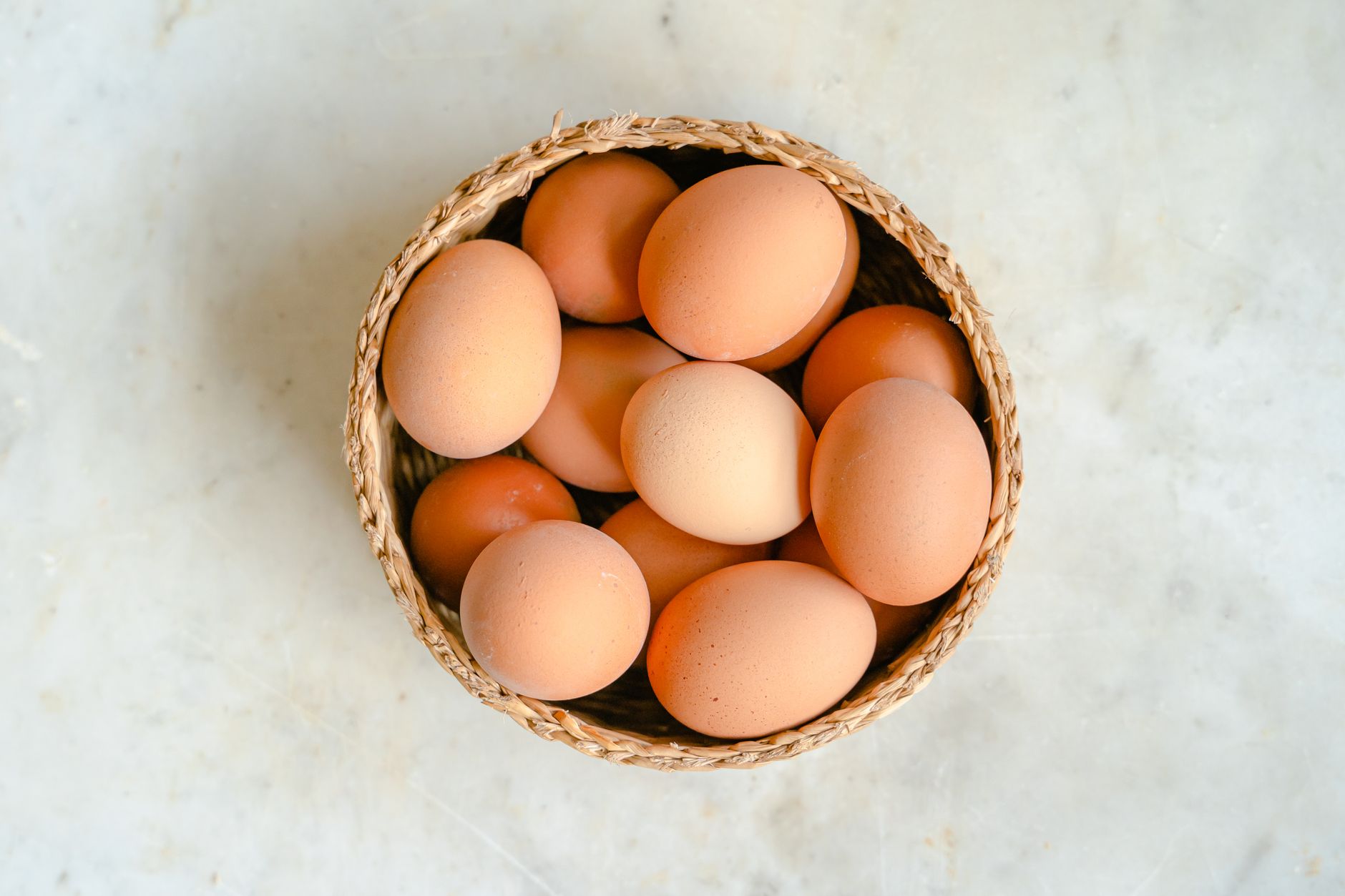
A useful practical target for most active adults is roughly twenty five to thirty grams of protein at breakfast, which is more than most people are eating. For reference, two eggs gives about twelve grams, a hundred and seventy gram pot of Greek yogurt gives around fifteen to seventeen, and a scoop of protein powder gives twenty to twenty five.
If you are breastfeeding, your overall needs for food and fluid are higher, and skimping on breakfast is felt considerably faster. This is not the time to be eating less.
The Make Ahead Options
These are made the night before, which is the only reliable way to get a real breakfast into a morning that includes training.
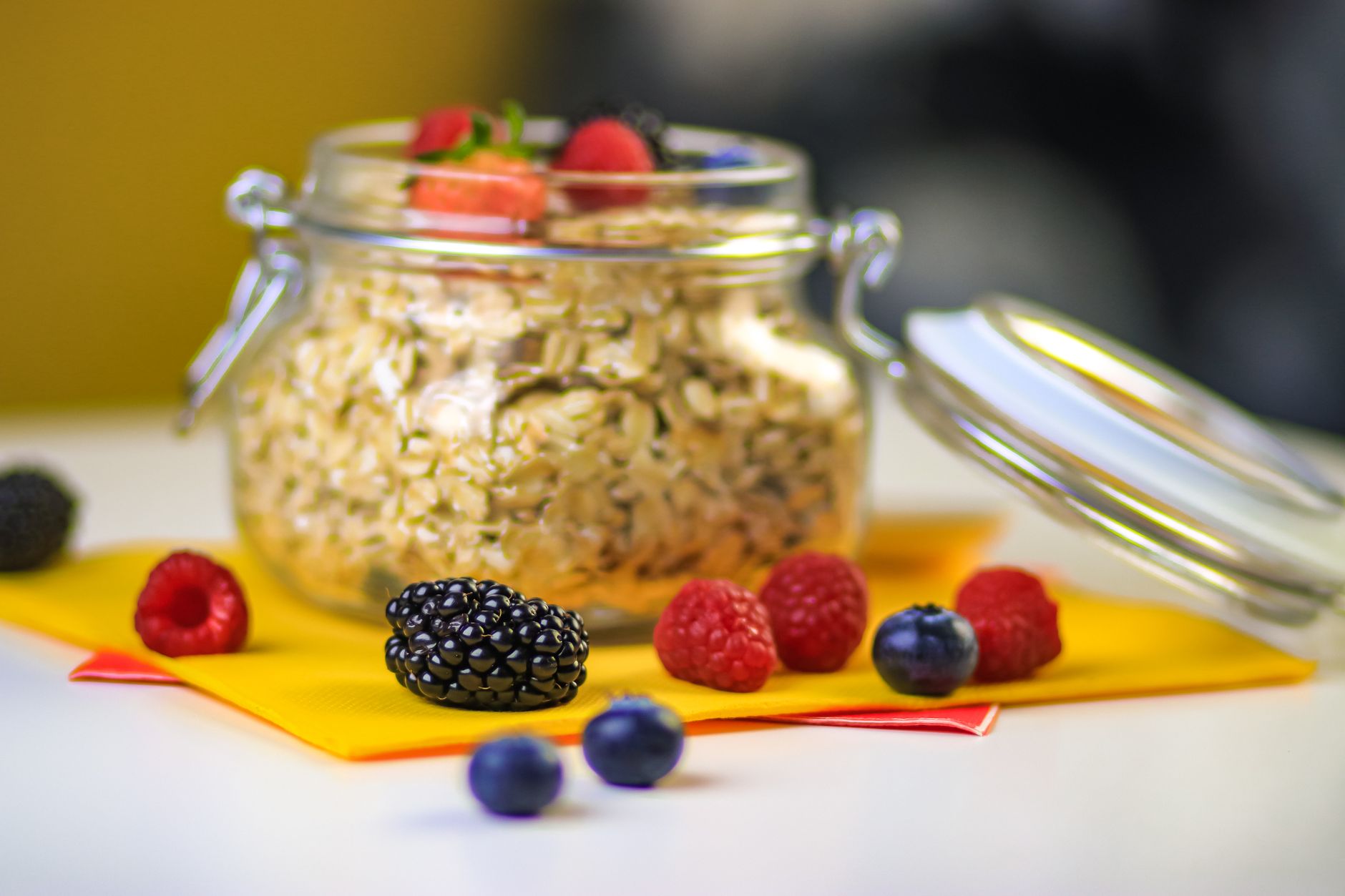
Overnight oats with Greek yogurt. Forty grams of oats, a hundred and seventy grams of Greek yogurt, a hundred millilitres of milk, a tablespoon of chia seeds, and fruit. Around twenty two to twenty five grams of protein. Make four jars on Sunday and the week is handled. Add a scoop of protein powder to push it past thirty.
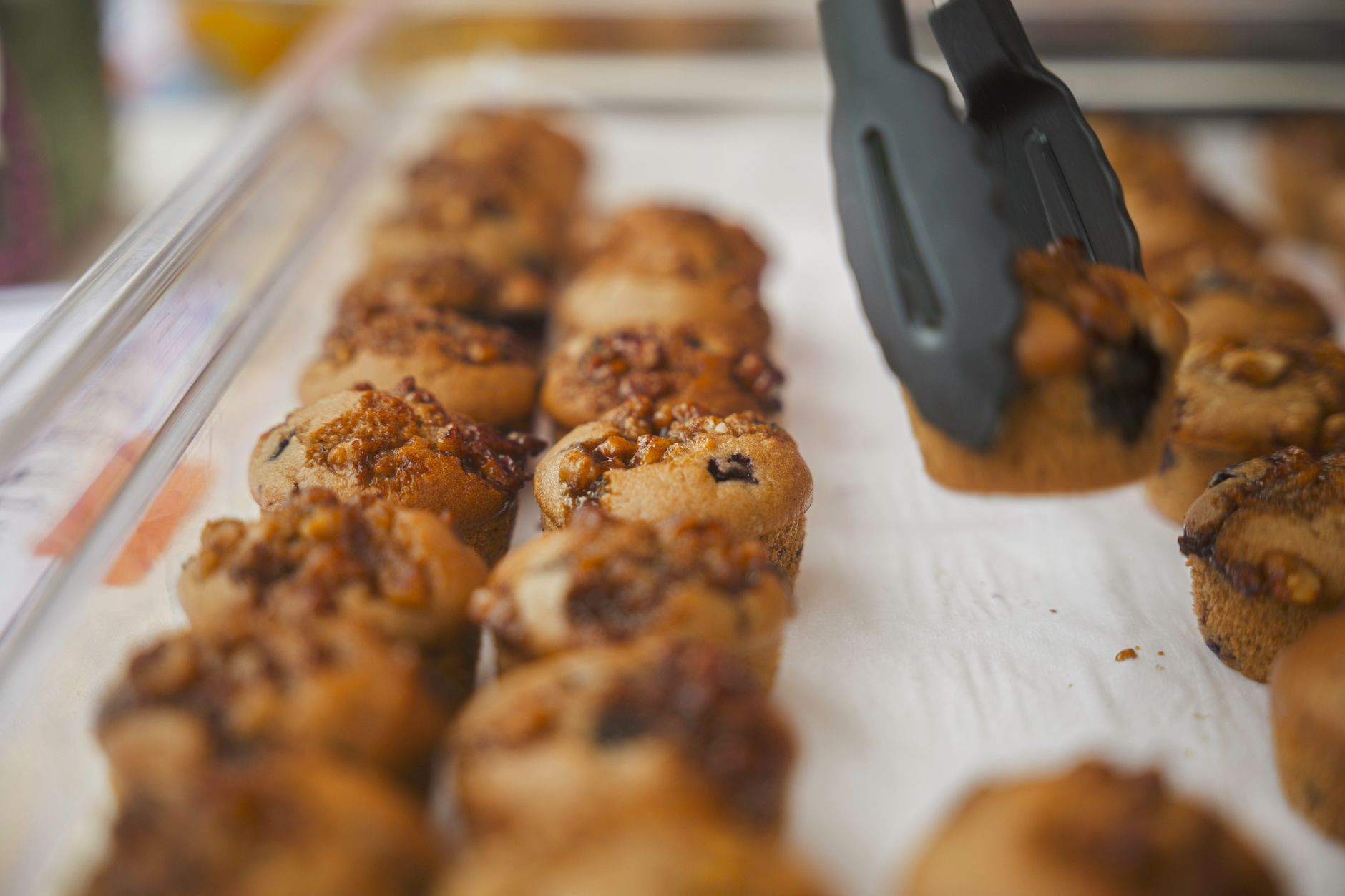
Egg muffins. Eight eggs whisked with chopped vegetables and cheese, baked in a muffin tin for twenty minutes, refrigerated for up to four days. Two muffins gives around fourteen grams, three gives twenty one. They reheat in a microwave in forty seconds and children generally eat them, which is a rare bonus.
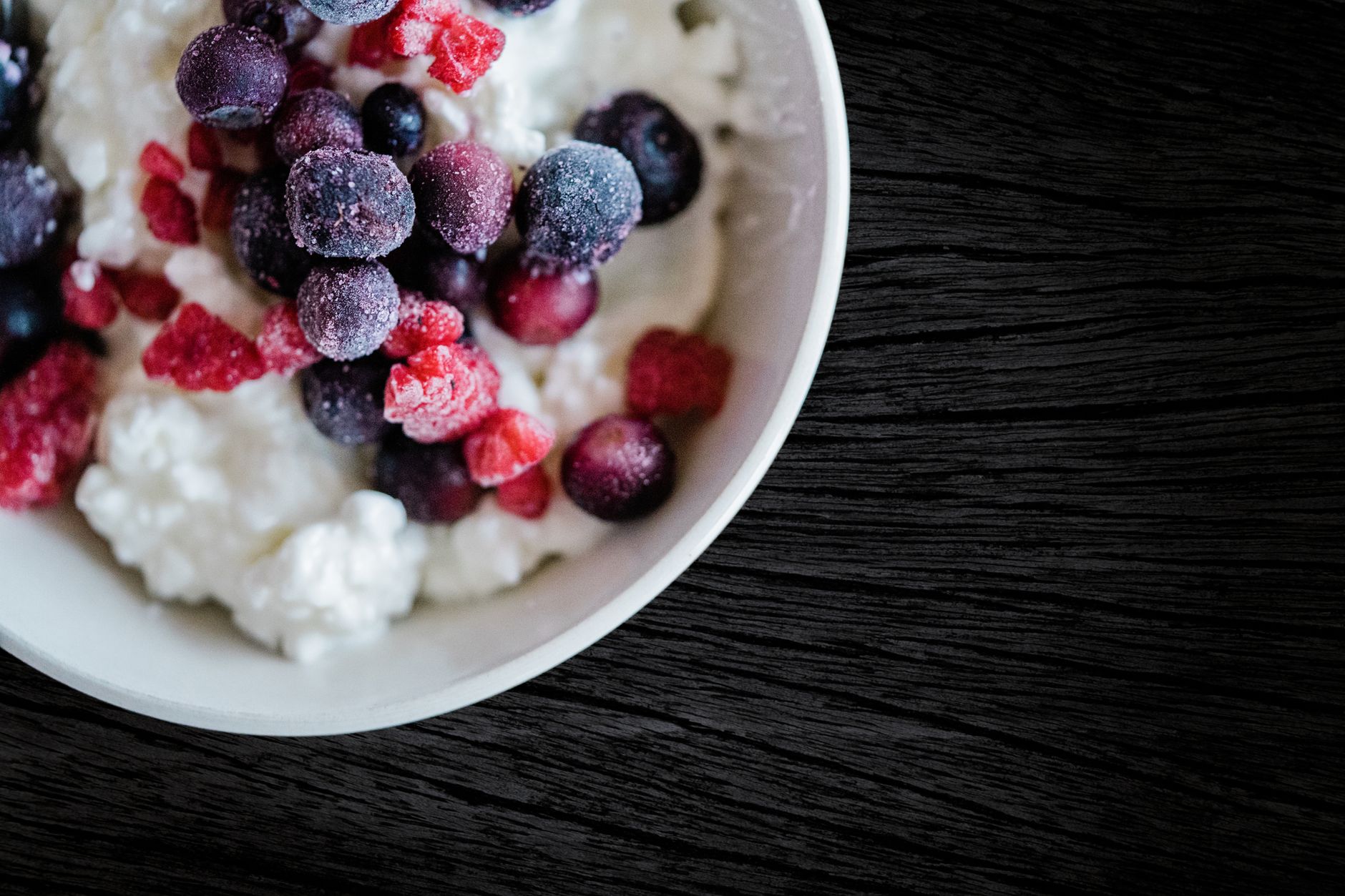
Cottage cheese bowls. Unfashionable for a decade and now everywhere, for good reason. Two hundred grams of cottage cheese is around twenty five grams of protein. With berries and a little honey it is genuinely pleasant, and it requires no preparation at all.
Baked oats. A tray of baked oats with yogurt or protein powder mixed in, portioned and refrigerated, gives you five days of grab and eat breakfast. Better texture than overnight oats for anyone who dislikes cold porridge.
Freezer smoothie packs. Portion fruit, spinach and oats into freezer bags. In the morning add milk, yogurt or protein powder and blend for thirty seconds. Around twenty five to thirty grams of protein depending on what you add.
The Five Minute Options
For mornings when nothing was prepared, which is most of them at some point.
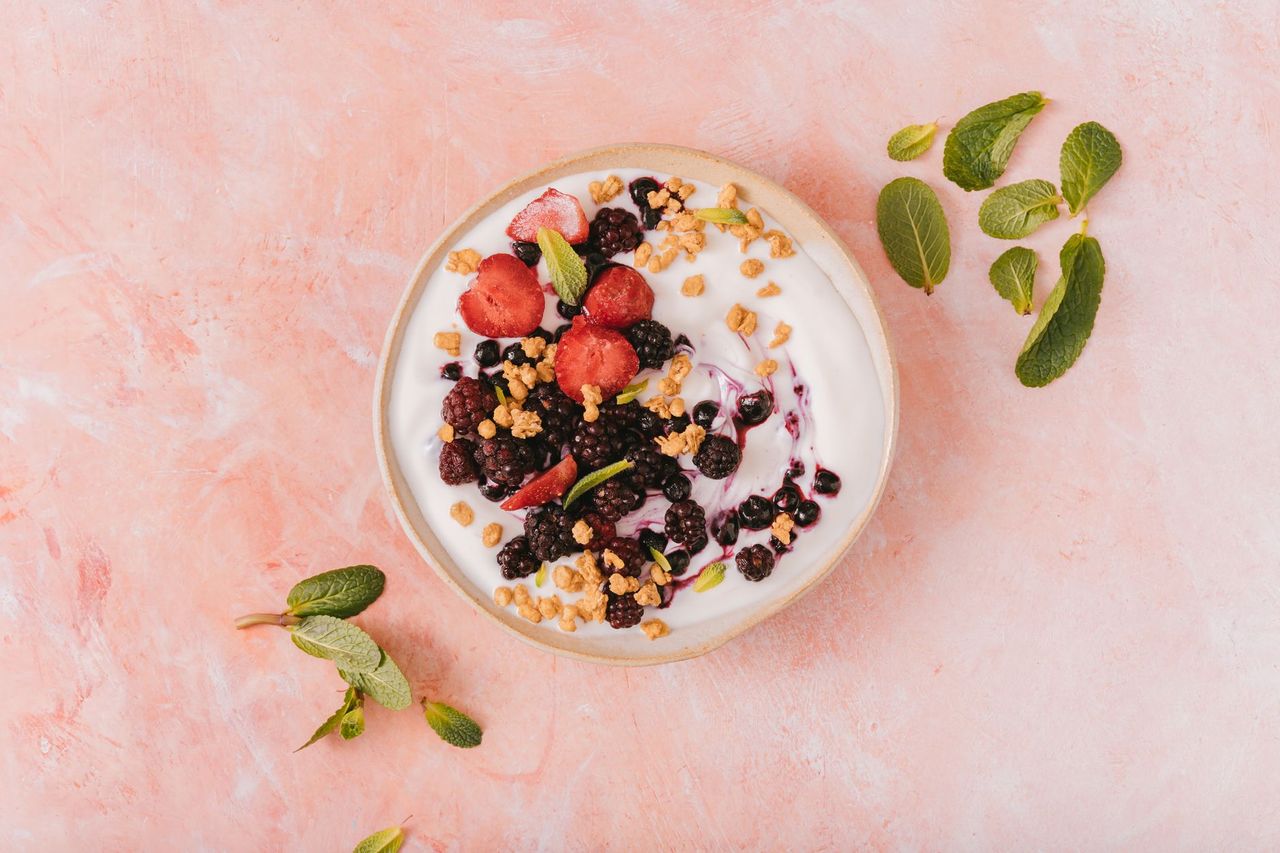
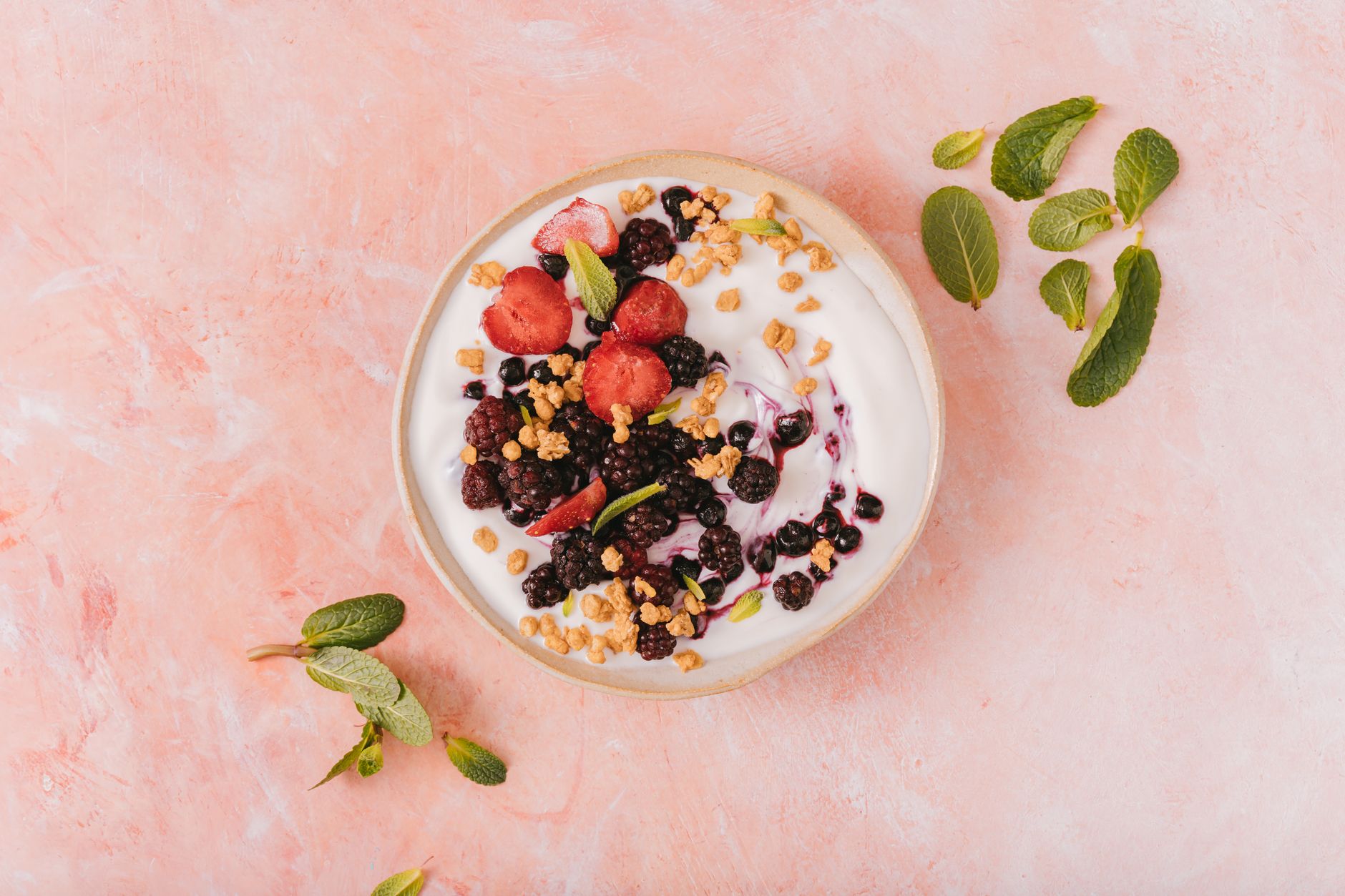
Greek yogurt with granola and seeds. Sixty seconds, around eighteen to twenty grams of protein. Buy the higher protein Greek style rather than standard yogurt, the difference is substantial.
Scrambled eggs on wholegrain toast. Three eggs is around eighteen grams, plus a few more from the bread. Six minutes including the pan.
Protein shake with a banana. Not glamorous, entirely effective, and drinkable in a car. Around twenty five grams.
Toast with cottage cheese and tomato, or peanut butter and banana. Around twelve to eighteen grams depending on the topping. Better than toast alone by a considerable margin.
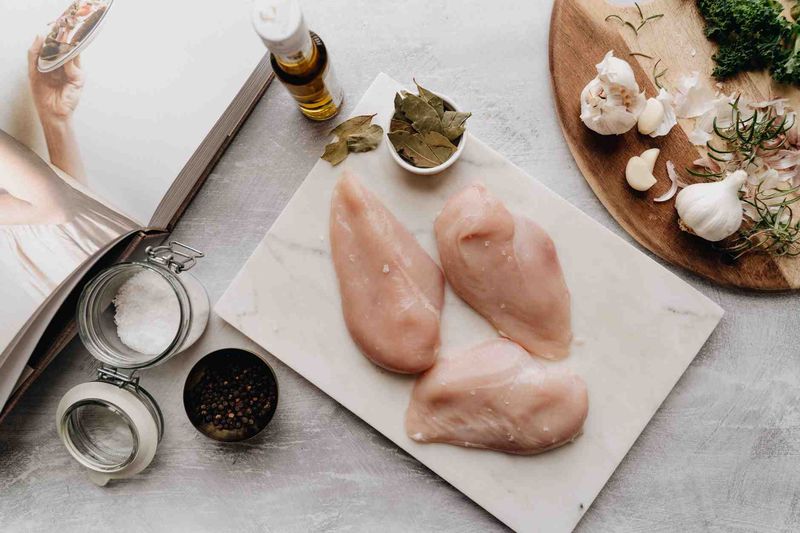
Leftover dinner. Genuinely. Cold chicken and rice at 7am is unconventional and hits every nutritional target better than cereal does. My most reliable breakfast during one particularly difficult winter was whatever was in the fridge from the night before.
| Breakfast | Approximate protein | Prep time | Made ahead | Children will eat it |
|---|---|---|---|---|
| Overnight oats with Greek yogurt | 22 to 25 grams | 5 minutes the night before | Yes, four days | Sometimes |
| Egg muffins | 7 grams each | 25 minutes for a batch | Yes, four days | Usually |
| Cottage cheese with fruit | Around 25 grams | 2 minutes | No prep needed | Rarely |
| Baked oats | 15 to 25 grams | 35 minutes for a batch | Yes, five days | Usually |
| Freezer smoothie pack | 25 to 30 grams | 2 minutes in the morning | Yes, weeks | Often |
| Greek yogurt and granola | 18 to 20 grams | 1 minute | No prep needed | Often |
| Scrambled eggs on toast | Around 20 grams | 6 minutes | No | Usually |
| Protein shake and banana | Around 25 grams | 2 minutes | No | No |
| Leftover dinner | Varies, often high | 2 minutes | Already done | Sometimes |
Before or After Training
For a session under about forty five minutes at moderate intensity, most people are fine training without eating first, and eating properly afterward. If you feel weak, dizzy or unusually flat, that is your answer and you should eat something small beforehand.
If you do want something before, keep it small and mostly carbohydrate, eaten fifteen to thirty minutes ahead. Half a banana, a few dates, a slice of toast with honey. Protein and fat digest slowly and sit heavily during exercise.
Afterward, eat a proper breakfast with protein within an hour or two. The old idea of a narrow thirty minute anabolic window has been substantially revised and total daily intake matters more than precise timing, but for practical purposes eating soon after training is easier than remembering later.
Fluid matters more than most people account for, particularly early in the morning after a night without drinking and especially if you are breastfeeding. A large glass of water before you train and another with breakfast makes a noticeable difference to how the morning feels.
The Kit That Makes It Faster
A twelve hole muffin tin, $10 to $25 or £8 to £20. For egg muffins and baked oats portions. The single most useful item here.
Four to six lidded glass jars, $15 to $30 or £12 to £25. For overnight oats. Glass because plastic retains smells.
A blender, $30 to $150 or £25 to £120. A basic personal blender at the low end handles smoothies perfectly well. The expensive ones are for people making soups and nut butters.
Reusable freezer bags or containers, $10 to $25 or £8 to £20. For smoothie packs.
That is under a hundred dollars for equipment that removes most of the friction. The barrier to a decent breakfast is almost never the ingredients.
If You Are Shopping in the UK
British supermarkets are well stocked for this. High protein Greek style yogurt is widely available in large tubs at considerably better value than individual pots, and the supermarket own brand versions are typically identical in protein content to branded ones at half the price.
Skyr, the Icelandic style yogurt widely stocked in UK supermarkets, is among the highest protein options available at around ten to eleven grams per hundred grams, and is worth knowing about specifically.
Cottage cheese has returned to prominence and is stocked far more widely than it was a few years ago, including flavoured versions that make it more palatable if the plain version does not appeal.
For protein powder, UK brands offer strong value on bulk purchases, and unflavoured whey or a plant protein blend mixed into oats is cheaper per serving than ready made protein products. Check that any product you buy regularly carries a recognised sports nutrition testing certification if that matters to you.
Do’s and Don’ts: Breakfast Around Early Training
| Do's | Don'ts | |
|---|---|---|
| 1 | Aim for roughly twenty five to thirty grams of protein | Rely on toast or cereal alone after training |
| 2 | Prepare breakfast the night before | Plan to cook something at 7:40am |
| 3 | Batch four or five portions at once on a Sunday | Make a single portion each evening and give up by Wednesday |
| 4 | Eat within an hour or two of training | Wait until eleven and then feel terrible |
| 5 | Keep any pre workout food small and carbohydrate based | Eat a heavy protein and fat meal before exercising |
| 6 | Drink water before training and with breakfast | Train dehydrated after a night without fluid |
| 7 | Buy Greek style or skyr rather than standard yogurt | Assume all yogurt has similar protein content |
| 8 | Eat more if you are breastfeeding | Cut back on food while feeding and training |
| 9 | Keep leftovers as a legitimate breakfast option | Rule out dinner food because it is morning |
| 10 | Buy a muffin tin and some glass jars | Assume you need expensive equipment |
| 11 | Have one no prep option for unprepared mornings | Build a system that collapses when you miss a Sunday |
| 12 | Make options children will also eat | Cook two separate breakfasts every morning |
FAQs
How much protein should I eat at breakfast?
Roughly twenty five to thirty grams is a useful target for most active adults, which is considerably more than a typical breakfast provides. For context, two eggs gives about twelve grams, a standard pot of Greek yogurt around fifteen to seventeen, and a scoop of protein powder twenty to twenty five. Spreading protein reasonably evenly across the day tends to work better than eating very little in the morning and a large amount at dinner, particularly if you are strength training.
Should I eat before or after an early morning workout?
For sessions under about forty five minutes at moderate intensity, most people can train without eating first and then eat a proper breakfast afterward. If you feel weak, dizzy or unusually flat, eat something small and mostly carbohydrate about fifteen to thirty minutes beforehand, such as half a banana or a slice of toast with honey. Avoid heavy protein and fat before exercising because they digest slowly and sit uncomfortably.
What is the fastest high protein breakfast?
Cottage cheese with fruit takes about two minutes and provides around twenty five grams of protein with no preparation at all. Greek yogurt with granola and seeds is similarly fast at around eighteen to twenty grams. If you want something hot, three scrambled eggs takes about six minutes including the pan and gives roughly twenty grams. A protein shake with a banana is the fastest option that can be consumed while doing something else.
Can I make breakfast ahead for the whole week?
Yes, and it is the single most effective change for busy mornings. Overnight oats keep for around four days refrigerated, egg muffins for four days, baked oats for about five, and freezer smoothie packs for weeks. A single thirty minute session on a Sunday produces most of a week’s breakfasts. Keep one no prep option such as cottage cheese or Greek yogurt available as well, so the system does not collapse entirely on weeks when the batch cooking does not happen.
Do I need protein powder?
No. Whole food sources including eggs, Greek yogurt, skyr, cottage cheese, milk and beans will comfortably get most people to a good breakfast protein intake. Protein powder is convenient rather than necessary, and its main advantage is speed and portability, particularly stirred into oats or blended into a smoothie when time is very short. If you do use it, an unflavoured whey or plant blend bought in bulk is considerably cheaper per serving than ready made protein products.
What should I eat if I am breastfeeding and training?
More than you think, of both food and fluid. Breastfeeding meaningfully increases energy and hydration needs, and adding training on top increases them further. Skipping or minimizing breakfast in this situation is felt quickly, usually as fatigue, headaches and irritability by mid morning. Prioritize a substantial breakfast with protein, carbohydrate and some fat, drink water before and after training, and keep easy snacks available. If you feel persistently exhausted despite eating well, that is worth raising with your doctor.
Are high protein breakfast products worth buying?
Sometimes, and often not. Ready made protein yogurts, bars and drinks are convenient and generally deliver the protein they claim, but cost considerably more per gram than plain Greek yogurt, eggs or cottage cheese. They are useful for genuine convenience situations such as eating in a car or keeping in a bag. As a daily default they are an expensive way to buy something you can make in two minutes. Read the label rather than the front of the packet, since some products marketed on protein contain surprisingly little.
How do I make breakfasts my children will eat too?
Egg muffins, baked oats and smoothies are the three that most reliably work for both adults and children, which saves cooking twice. Keep the flavours simple and let children add their own toppings, which raises acceptance considerably. Overnight oats divide opinion sharply among children and are worth testing before making a week’s worth. If your children eat entirely different things, that is fine, and having your own breakfast prepared in advance is what stops you eating the remains of theirs standing up.
You Might Also Like