Sports bras that fit after breastfeeding, when your size and shape have both changed. Ten brands compared on support, sizing and fit, with US and UK pricing.
The drawer situation was genuinely absurd. By the time I stopped feeding my second, I owned bras in four different sizes spanning three years, none of which fit. The prepregnancy ones were too big in the cup and too small in the band. The feeding ones were too big everywhere. The pregnancy ones were a monument to a chest I no longer had. And the one sports bra I kept wearing because I could not face the alternative had stretched to the point of being decorative.
Here is the thing nobody tells you. It is not just that your size changes. Your shape changes, usually permanently, and the tissue distribution is different in a way that means a bra style that fitted you perfectly at twenty six may simply be the wrong architecture for you now. I spent a year assuming I was between sizes when actually I was in the wrong style entirely. This is the guide to working out what you are now, and which brands are built for it.
What Changes, and Why Your Old Style Stops Working
Three things happen and they happen independently, which is why the sizing feels so confusing.
Volume drops, often significantly. Once feeding ends, glandular tissue reduces and is not fully replaced. Many women end up smaller than before pregnancy, and it takes six to twelve months after stopping to settle, which is why buying immediately is usually a waste of money.
Ribcage measurement often increases. Pregnancy expands the ribcage and it does not always come all the way back. A larger band with a smaller cup is an extremely common outcome, and it is the single most misunderstood part of postpartum bra sizing.
Tissue distribution shifts. Fullness tends to move toward the bottom of the breast rather than the top. This is the change that breaks styles rather than sizes. Compression bras, which flatten everything against the chest wall, work considerably less well on softer, bottom full tissue than they did before. Encapsulation bras, which cup and support each side separately, work much better.
That last point is the one worth internalizing. If you used to live in pull on compression crop tops and they now feel unsupportive or uncomfortable no matter what size you buy, the problem is the design, not you and not the size.
Compression, Encapsulation, or Both
Compression bras press tissue against the chest wall. They are usually pull on, have no hooks or adjustment, and work well for smaller cup sizes and lower impact activity. They are cheap, comfortable, and easy to wash. They are also where most postpartum disappointment happens.
Encapsulation bras have separate molded or seamed cups that support each breast individually, usually with a hook and eye back and adjustable straps. They look more like a regular bra. For anything above roughly a D cup, or for anyone whose tissue has softened, these are dramatically more supportive and more comfortable.
Combination bras do both and are the best option for running and other high impact activity at any size. They cost more and are worth it if you run.
The practical rule. For walking, yoga, Pilates and strength work, compression is fine at smaller sizes and encapsulation is better at larger ones. For running, jumping, HIIT and anything with both feet leaving the ground, buy encapsulation or combination, adjustable, with a proper hook back, regardless of your size.
The Ten Brands, Rated on Fit and Support
Panache makes the sports bra most often recommended by fitters for larger cup sizes and it has earned that. Proper bra engineering, encapsulation with molded cups, wide adjustable straps, band sizes and cup sizes sold separately up to a genuinely broad range. Around $70 to $90 or £45 to £65. If you are a D cup or above and you run, start here.
Shock Absorber is the other name that comes up constantly, particularly in the UK, and their high impact styles are excellent for running. Similar price bracket at $60 to $85 or £40 to £60. The fit is firmer and more utilitarian than Panache and some people prefer that.
Sweaty Betty covers the mid to premium range with better styling than most technical brands and good quality fabric. Around $70 to $110 or £55 to £90. Their higher support styles work well up to about a DD, and their sizing is closer to letter sizing than true bra sizing, which is a limitation for anyone outside the middle of the range.
Lululemon dominates the conversation for a reason, the fabric and construction are genuinely excellent, and their higher support styles are sold in proper cup sizing rather than small, medium and large. Around $58 to $98 or £48 to £88. Excellent for training, less specialized for very high impact at larger sizes than Panache.
Nike offers the widest range of support levels at accessible prices, roughly $40 to $80 or £30 to £65, with clear labeling of low, medium and high support. Their high support zip front styles are worth knowing about because getting a tight sports bra off after a workout with wet skin is genuinely one of life’s small miseries.
Under Armour sits similarly at $40 to $70 or £30 to £55 with strong compression options and good durability. Fit runs snug.
Decathlon is the value pick and genuinely competitive. Sports bras from around $15 to $35 or £10 to £30, including proper high impact options. Sizing is inconsistent across their sub brands, which is the main complaint, so try in store if you can. For the price, the performance is remarkable.
Marks and Spencer deserves a mention that it rarely gets, because their bra engineering across the whole range is strong and their sports styles at £25 to £40 are consistently well fitted with a broad size range.
Fabletics works on a membership model that some people love and others find frustrating. Bras around $25 to $50 with membership pricing. Styling is strong, support at the higher impact end is moderate rather than exceptional.
Nursing specialist brands such as Boob Design and dedicated pumping bra makers are the right answer while you are still feeding, because they combine support with access. Once you stop, move to a proper sports bra, because the access mechanisms compromise support in ways that matter for running.
| Brand | Price (US) | Price (UK) | Type | Sized by | Best for |
|---|---|---|---|---|---|
| Panache | $70 to $90 | £45 to £65 | Encapsulation | Band and cup | Running at D cup and above |
| Shock Absorber | $60 to $85 | £40 to £60 | Encapsulation and combination | Band and cup | High impact, firm support |
| Sweaty Betty | $70 to $110 | £55 to £90 | Combination | Letter sizes | Style plus decent support |
| Lululemon | $58 to $98 | £48 to £88 | Compression and combination | Cup sizing on higher support | Strength and studio training |
| Nike | $40 to $80 | £30 to £65 | All three types | Letter sizes, some cup | Clear support labeling, zip fronts |
| Under Armour | $40 to $70 | £30 to £55 | Compression | Letter sizes | Durability, snug fit |
| Decathlon | $15 to $35 | £10 to £30 | All three types | Letter sizes | Best value, try in store |
| Marks and Spencer | Limited US stock | £25 to £40 | Encapsulation | Band and cup | Wide size range, good fit |
| Fabletics | $25 to $50 | £25 to £45 | Compression | Letter sizes | Styling on a membership |
| Nursing specialists | $45 to $80 | £35 to £65 | Access focused | Band and cup | While still feeding only |
How to Get Measured Properly After Feeding
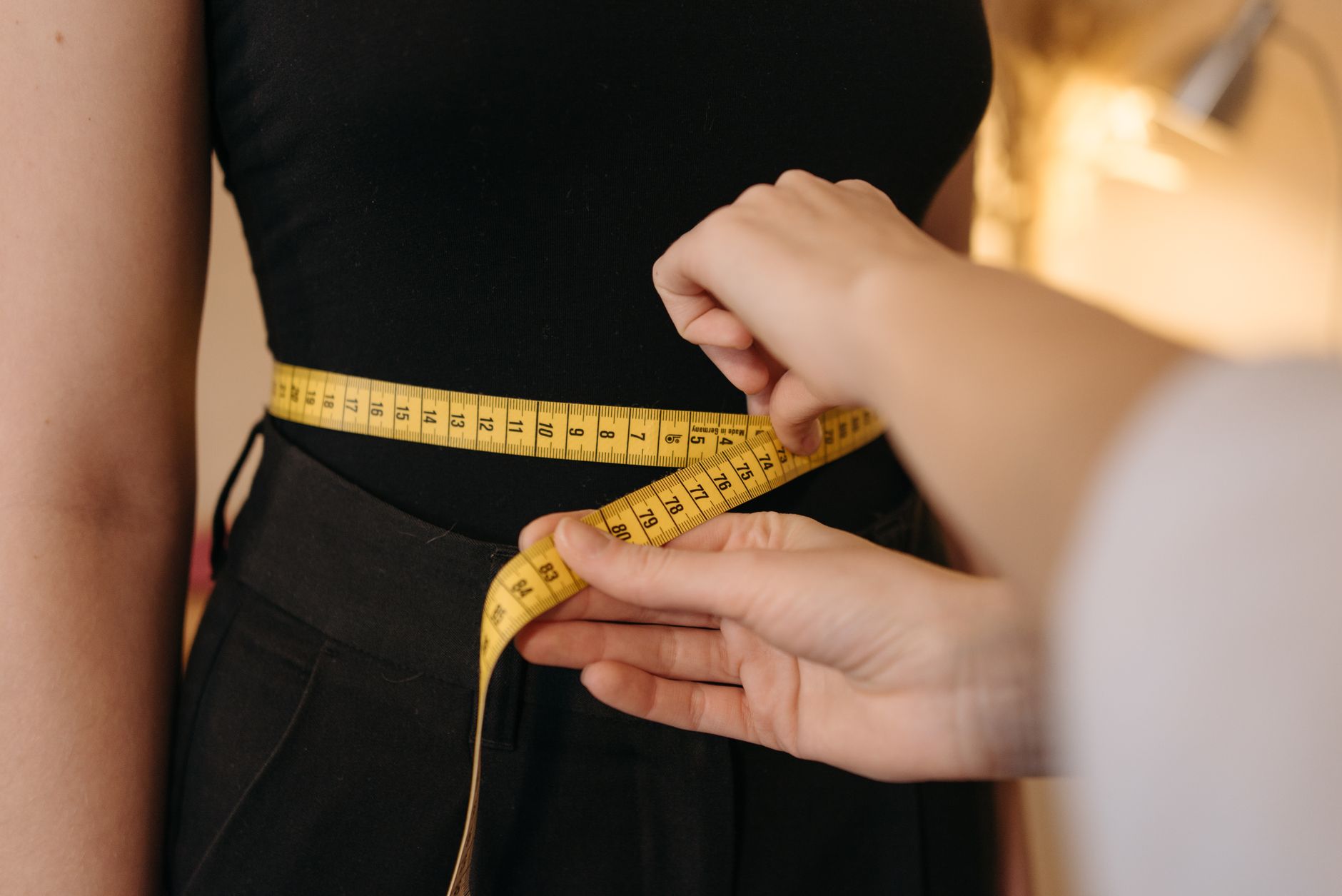
Wait until at least three months after you stop feeding before buying anything expensive. Your size is still moving before that, and a well fitted bra bought too early is a well fitted bra for a body you will not have in six months.
Get measured in person if you possibly can, and get measured by a proper fitter rather than a shop assistant with a tape measure. Department stores and specialist lingerie shops in both the US and UK generally offer this free. Bring the activity you are dressing for into the conversation, because a fitter will recommend a different style for running than for Pilates.
Test the fit with the three checks that actually matter. The band should be firm enough that you can slide only two fingers underneath, and it should sit level around your body rather than riding up at the back, since the band does around eighty percent of the support work. The straps should not dig in, because if they are carrying the load your band is too loose. And you should jump, properly, in the fitting room. Movement reveals problems that standing still hides completely.
Buy on the loosest hook so you can tighten the band as it stretches over the following year. This is standard bra advice that almost nobody follows and it roughly doubles usable life.
When to Replace, and How to Make Them Last
A sports bra worn regularly lasts about a year, or roughly seventy to a hundred washes, before the elastic loses meaningful recovery. The signs are the band riding up, the fabric feeling loose when it used to feel firm, and needing the tightest hook when you used to use the loosest.
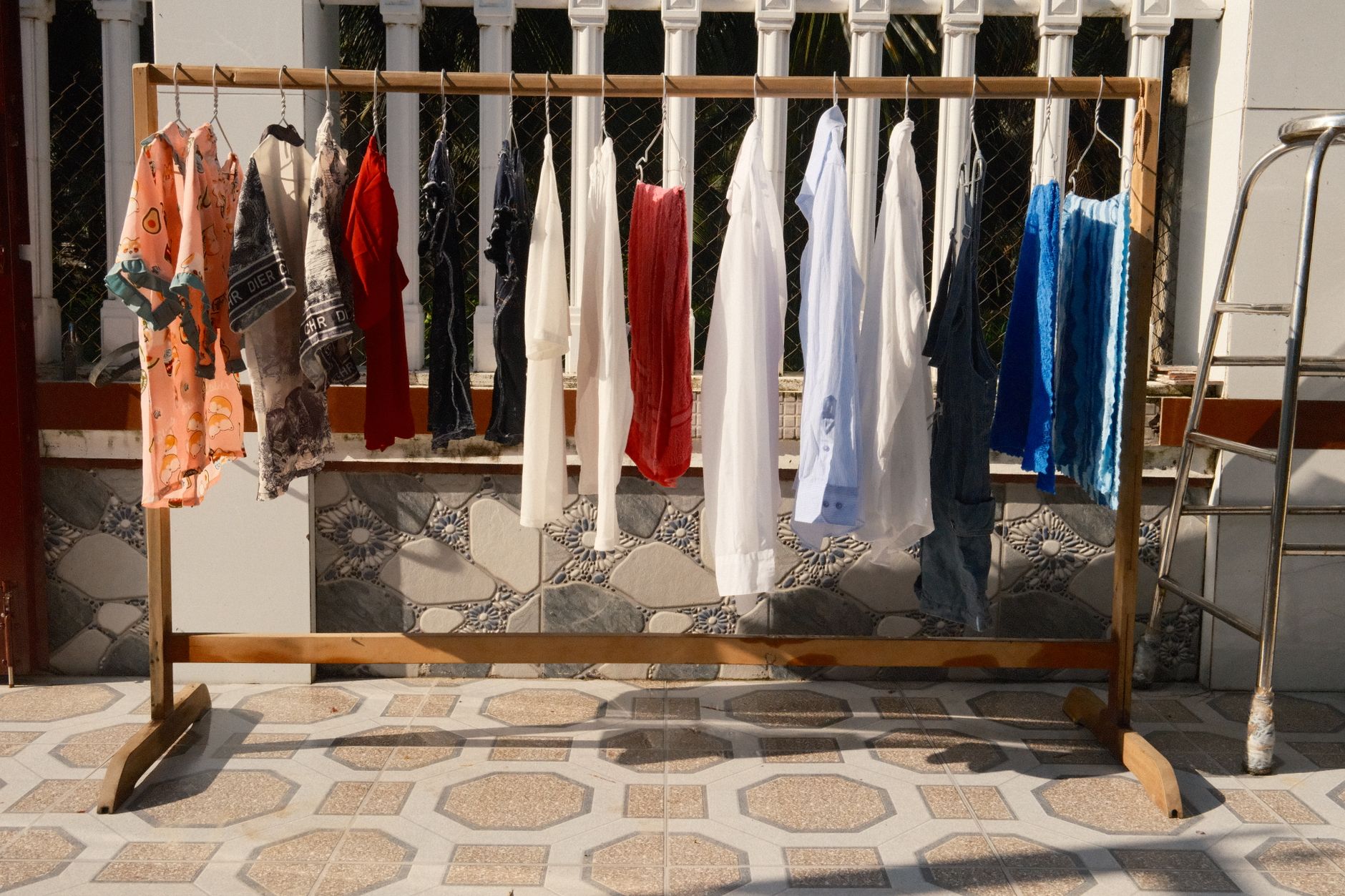
Wash in cold water on a gentle cycle, in a mesh bag, and never in a hot wash. Heat is what destroys elastane. Air dry always, never tumble dry, and never hang by the straps because that stretches them permanently. Lay flat or hang over a rail folded at the band.
Rotate between at least two so each recovers fully between wears. Two bras alternated last considerably more than twice as long as one worn continuously.
Do not use fabric softener, which coats technical fabric and destroys both the wicking and the elasticity. This is the single most common laundry mistake with activewear.
If You Are Shopping in the UK
The UK is genuinely better served than the US for this specific category, because the British bra fitting tradition runs deeper and the size ranges are broader as standard. Panache and Shock Absorber are both British brands with wide domestic availability, and Marks and Spencer offers free fittings across most larger stores with a size range that comfortably exceeds what most American mid market retailers stock.
Bravissimo is worth a specific mention for anyone above a DD cup, since their entire business is built around larger cup sizes with smaller bands, which is exactly the combination that pregnancy tends to produce. Their fitting service is the best I have come across and their sports range is properly engineered rather than an afterthought.
Decathlon UK stores let you try before you buy at a price point that makes experimentation cheap, which matters when you are working out what style your changed shape now needs.
On sizing conversion, UK and US band sizes are the same number, but cup sizing diverges above a D. A UK 34DD is roughly a US 34E, and the gap widens as you go up. Always buy from the retailer’s own size chart rather than converting.
Do’s and Don’ts: Buying Sports Bras After Breastfeeding
| Do's | Don'ts | |
|---|---|---|
| 1 | Wait three months after stopping feeding before buying | Buy an expensive bra while your size is still changing |
| 2 | Get professionally measured for band and cup | Assume your prepregnancy size still applies |
| 3 | Expect a larger band and a smaller cup than before | Keep buying your old size in a bigger letter |
| 4 | Choose encapsulation styles if tissue has softened | Keep buying pull on compression crops and blaming yourself |
| 5 | Buy adjustable hook back bras for high impact activity | Run in a pull on bra with no adjustment |
| 6 | Jump around in the fitting room before buying | Judge support standing still in front of a mirror |
| 7 | Buy on the loosest hook so you can tighten later | Buy on the tightest hook and have nowhere to go |
| 8 | Own at least two and rotate them | Wear one bra continuously and wonder why it died |
| 9 | Wash cold in a mesh bag and air dry | Tumble dry or use fabric softener on technical fabric |
| 10 | Replace roughly once a year with regular use | Keep a stretched bra because it is comfortable |
| 11 | Consider a zip front for easy removal after workouts | Buy the tightest possible pull on style |
| 12 | Use nursing sports bras only while actually feeding | Run high impact in a nursing bra with clip access |
FAQs
Why does my bra size change after breastfeeding?
Two separate things happen. Glandular tissue reduces once feeding stops and is not fully replaced by fat, which usually means a smaller cup volume than before pregnancy. Separately, pregnancy expands the ribcage and it often does not fully return, meaning a larger band measurement. The combination produces the classic postpartum outcome of a bigger band with a smaller cup, which is why so many women feel like nothing fits. Your size typically settles between six and twelve months after you stop feeding.
What type of sports bra is best after having children?
Encapsulation styles, which support each breast separately with molded or seamed cups, generally outperform compression styles after pregnancy. This is because tissue tends to become softer and fuller toward the bottom, and pressing that flat against the chest wall is both less supportive and less comfortable than cupping it. For running and other high impact activity, look for combination bras that both encapsulate and compress, with adjustable straps and a hook and eye back.
How do I know if my sports bra fits properly?
Check three things. The band should be firm, sit level all the way around, and allow only two fingers underneath, because the band does most of the support work. The straps should not dig into your shoulders, since that means the band is too loose and the straps are compensating. And the cups should contain everything without spilling at the top or gaping at the sides. Then jump up and down. If there is significant movement or discomfort, the bra is not right regardless of what the label says.
When should I get measured after having a baby?
Wait at least three months after you stop breastfeeding for a fitting you intend to buy from, because your size continues shifting before that. If you are still feeding, buy nursing bras in your current size and accept they are temporary. It is worth getting measured again around a year after stopping, because many women change again during that period as things fully settle. Fittings are free at most department stores and specialist lingerie shops in both the US and UK.
Can I run in a compression sports bra?
You can, but for most people it is not the best choice, and it becomes progressively worse as cup size increases. Running produces significant vertical movement, and compression alone controls that less effectively than a bra that also encapsulates each side. If you are a smaller cup size and comfortable, a high support compression bra can work. Above roughly a D cup, or if you experience discomfort, switch to an encapsulation or combination style with adjustable straps.
How long do sports bras last?
About a year with regular use, or roughly seventy to a hundred washes, before the elastic stops recovering properly. You will notice the band riding up at the back, the fabric feeling looser than it did, and finding yourself on the tightest hook when you used to be on the loosest. Washing cold, avoiding the tumble dryer, skipping fabric softener and rotating between two or more bras all extend that meaningfully.
Are expensive sports bras actually better?
For low impact activity, no, the difference between a fifteen dollar bra and a ninety dollar one is small. For high impact activity at larger cup sizes, yes, and the difference is substantial. Specialist brands like Panache and Shock Absorber invest in actual bra engineering, with wider bands, better strap distribution and proper cup construction, and it shows in comfort over a long run. Buy cheap for yoga and walking, buy properly for running.
Do I need a special bra for postpartum exercise?
Not a special category, but you do need a properly fitted one, and that matters more than usual in the first year. Breast tissue is heavier and often more tender while feeding, and unsupported high impact movement is uncomfortable and can affect supply for some women through disrupted routine rather than any direct mechanism. While feeding, a nursing sports bra with clip access is the practical answer for low and medium impact. Once you stop, move to a proper sports bra rather than continuing in nursing styles, because the access clips compromise support.
You Might Also Like
- Active Mom Basics That Actually Last: Leggings, Sports Bras and Trainers Worth Buying
- Postnatal Fitness at Home: Which 15 Minute Routine and Kit Actually Work?
- Postpartum Body Image: Making Peace With Your Shape
- Walking for Weight Loss: The Underrated Mom Workout
- Pelvic Floor Exercises Every Mom Should Know