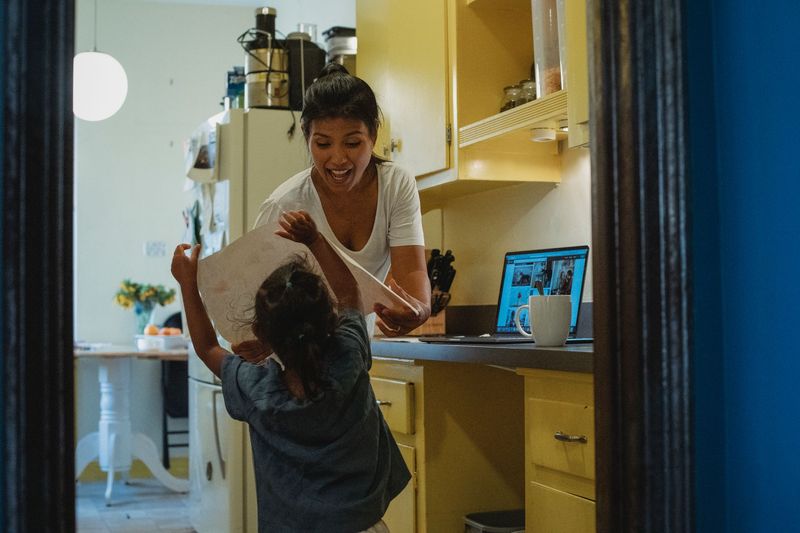
I booked my first BetterHelp session on a Wednesday at 8:45pm, half an hour after the kids finally went to sleep, with a glass of water instead of wine because I didn’t want to be the woman doing therapy mildly tipsy. The session was 50 minutes, I spent 15 of those apologising for crying, 10 explaining the shape of my week, and the remaining 25 actually digging into something useful. By 10pm I was on the sofa in the dark feeling lighter than I had in six months. I didn’t expect to recommend it this strongly.
BetterHelp has become the only therapy format I’d suggest to working mums without hesitation, and the specific reason is the evening slot availability. In-person therapy for a mum with primary school kids and a full-time job is a Tuesday afternoon logistics puzzle that doesn’t solve: you can’t do 3pm, you can’t do 6:30pm because that’s dinner and homework, and you can’t afford to pay a sitter for an 8pm therapist whose rooms close at 7. BetterHelp slots at 8pm, 8:30pm and 9pm genuinely exist, with therapists who’ve chosen those slots because they want to work with people like me. Here’s how it actually works, what the limits are, and why the price makes sense.
Why Evening Slots Exist on BetterHelp (and Not at Local Clinics)
BetterHelp is a US-headquartered platform with therapists across time zones, which is the structural reason evening UK slots are more plentiful than at a local counselling service. A therapist based in California can take a UK 8pm appointment as their 12 noon local, which turns an awkward late slot into a reasonable mid-day one for them. The result is a materially different booking landscape.
The marketing says BetterHelp “connects you with a therapist who fits”. In practice the fit question is important and the first match isn’t always right. I switched therapists once, after the first was supportive but not quite challenging enough for my pattern. The switch happened in-platform, took 48 hours, and the new therapist held his own notes about what the first had covered (I’d given permission). The platform makes switching lightweight on purpose.
The initial questionnaire takes 15 minutes and asks about current symptoms, previous therapy, preferred therapist characteristics, and format preference. Format matters: live video, live phone, live chat, or asynchronous messaging. Most working mums I know end up on live video weekly, with messaging between sessions for mid-week prompts.
The Fit Question Across Three Months
I’ve now had 11 sessions across three months. The therapist I settled with is a woman in her 50s with specific experience in parental burnout and perimenopause overlap. She works UK evenings deliberately because her own kids are grown and she prefers the schedule. That specificity is unusual and valuable.
Pricing and the Monthly Model
BetterHelp pricing in 2026 is subscription-based, running £240 to £360 per month depending on the plan tier and any promotional codes active at sign-up. The subscription includes one live session per week (usually 45 minutes) plus unlimited messaging to your therapist between sessions. Cancel anytime. No long contracts.
The marketing says “affordable therapy from any device”. In practice the £240 to £360 per month is honest money, and it compares favourably to UK private therapy at £75 to £130 per session (which would come to £300 to £520 per month for weekly). The messaging between sessions is the hidden value: being able to type a 150-word summary of a bad Tuesday evening at 11pm and have a thoughtful response by Wednesday 2pm.
Financial aid is available through BetterHelp’s hardship application, which can reduce the monthly cost by 25% to 40% for qualifying users. The process asks for honest income disclosure and takes 2 to 4 days to confirm.
Comparing to the NHS Route
NHS talking therapies (IAPT) are the right first stop if the budget is genuinely tight, and they’re free, but the current waits in most areas are 8 to 16 weeks for a first assessment and often another 4 to 8 weeks for sessions to start. BetterHelp fills the gap: available in 48 hours, costs money, works alongside or until an NHS slot opens.

What Evening Session Logistics Actually Look Like
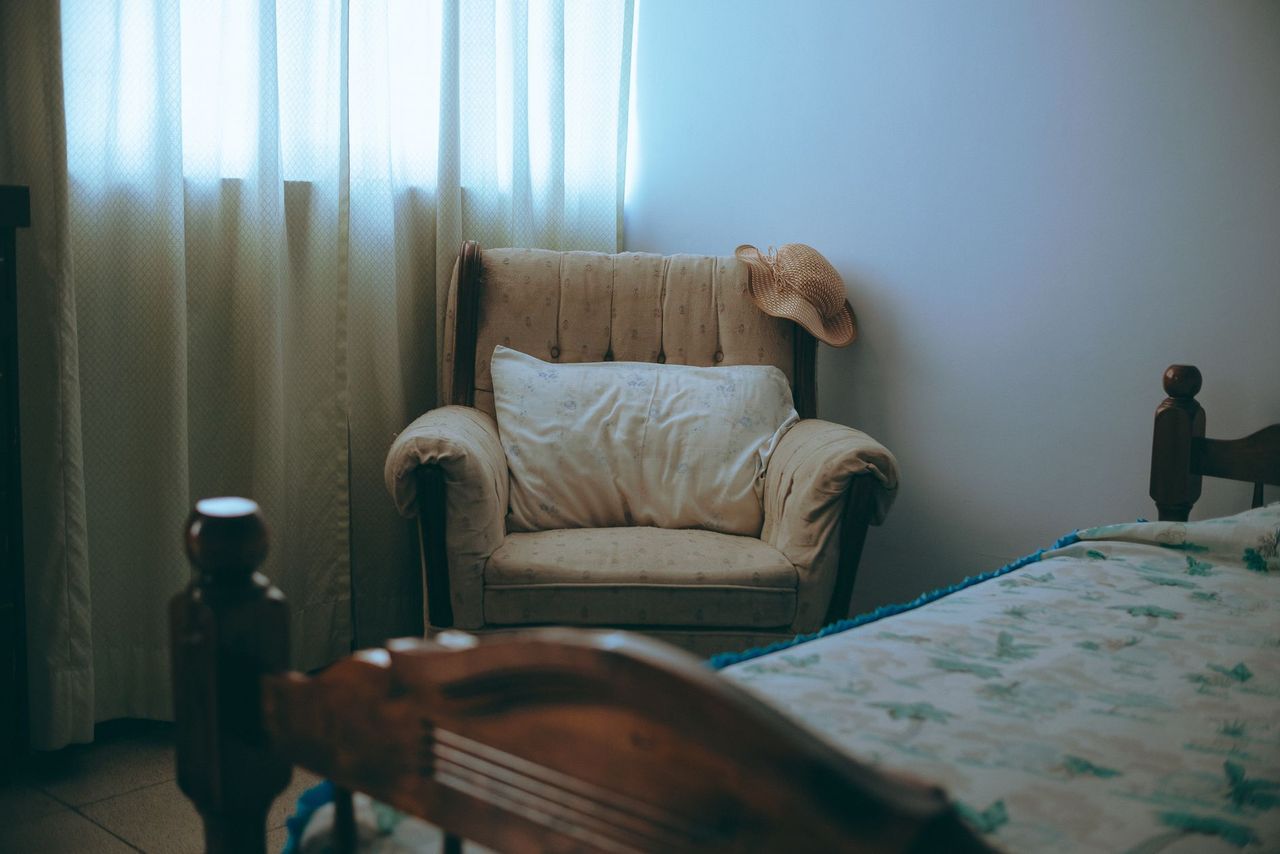
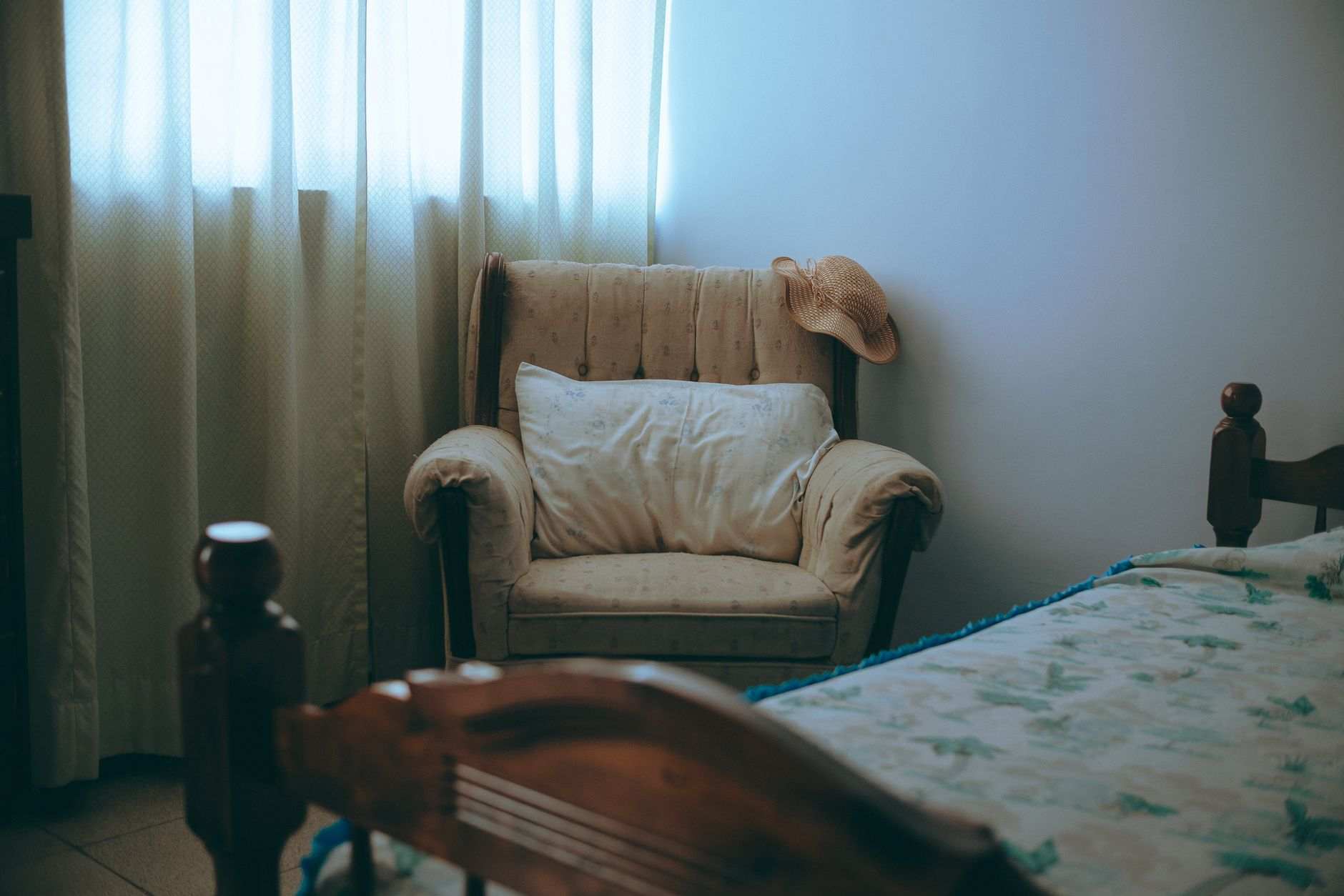
A working mum’s evening session has specific logistics that in-person therapy doesn’t accommodate well. I log in from the office in my spare bedroom (converted) with the door shut and the baby monitor on silent. I prep by having a glass of water, my notes app open, and a tissue box within reach. The video platform is in-browser or via the BetterHelp app on phone.
The marketing says “join from anywhere”. In practice “anywhere” has nuance. From the sofa with the TV on in the other room is doable but suboptimal. From a locked bathroom while kids watch a film is possible but will mean a hushed voice. I ended up making a specific therapy spot (my spare bedroom chair) because the ritual of going somewhere intentional improved the quality of the session itself.
Connection quality matters more than I expected. Patchy wifi on a 10pm session kills the flow when the therapist pauses to re-ask a question. If your home wifi is unreliable in the evening (ours was, until we moved the router), fix that before you start.
What to Do If a Session Lands Badly
Not every session is useful. Across 11 sessions I had two that felt stuck, one that was outright emotional with no clear thread, and eight that were genuinely productive. The ratio is honest and matches what in-person therapy feels like too. The platform lets you schedule the next session straight after the current one, which keeps momentum when a session feels incomplete.
What BetterHelp Isn’t Good For
BetterHelp isn’t a replacement for emergency care. If you’re in acute crisis, UK Samaritans (116 123, free) and the NHS 111 service are the right routes. The platform acknowledges this clearly in the onboarding. BetterHelp isn’t ideal for diagnosis-dependent treatment (ADHD assessment, autism diagnosis, severe eating disorders) where in-person specialist care is the right fit.
BetterHelp also isn’t a prescriber. If medication is on the table (common for perinatal depression), a UK GP or private psychiatrist is needed alongside, not instead. My own path has included a GP conversation about low-dose SSRIs that happened independent of BetterHelp but was improved by the therapeutic work.
The Boundaries Are Honest
The platform states its scope on the sign-up page. It’s talking therapy for mild to moderate anxiety, depression, parenting stress, relationship work, and life-change processing. Those categories cover a lot of working-mum reality.
The Six Mornings-After Observation
Six weeks into weekly sessions, the measurable change wasn’t in the sessions themselves. It was in the Thursday mornings after Wednesday sessions. Mondays were still Mondays. But Thursdays started landing with less reactive dread, more deliberate planning, and a different tone to the morning rush. That shift was small enough to miss if I hadn’t been tracking it, and significant enough that I kept the subscription when I thought about pausing.
BetterHelp Against the Alternatives
| Option | Monthly Cost | Evening Availability | Wait Time |
|---|---|---|---|
| BetterHelp (weekly video) | £240 to £360 | High, 7pm to 10pm UK | 48 hours |
| NHS IAPT (talking therapies) | Free | Limited | 8 to 16 weeks |
| Private UK therapist | £300 to £520 | Variable | 1 to 4 weeks |
| Local counselling charity | £0 to £60 | Rare | 2 to 8 weeks |
| App-based CBT (self-guided) | £10 to £20 | Any time | Immediate |
Do’s and Don’ts
| Do's | Don'ts |
|---|---|
| Do take the fit questionnaire seriously | Don't rush the sign-up form |
| Do switch therapist within 2 sessions if fit is off | Don't tolerate a mismatch for 6 weeks hoping it improves |
| Do create a specific physical spot for sessions | Don't do therapy from a shared sofa with the TV on |
| Do use messaging between sessions for mid-week prompts | Don't save everything for the next live session |
| Do keep a notes file with session takeaways | Don't rely on memory alone for continuity |
| Do apply for financial aid if the price is a stretch | Don't quietly cancel when it's unaffordable |
| Do pair BetterHelp with a GP conversation if needed | Don't expect BetterHelp to prescribe |
| Do protect the session time like any other appointment | Don't move the session for a work call |
| Do try evening slots specifically for family logistics | Don't force a daytime slot that'll be interrupted |
| Do give it 6 to 8 weeks before deciding on value | Don't quit after one bad session |
Frequently Asked Questions
How quickly can I get a first BetterHelp session
Typically 48 hours after sign-up. The first session can be scheduled within the first week in most cases.
Does BetterHelp offer financial aid in the UK
Yes, via a hardship application after sign-up. Reductions typically fall between 25% and 40% of the standard monthly rate for qualifying users.
Are BetterHelp therapists qualified in the UK
BetterHelp therapists are licensed in their home jurisdictions, which for UK users may be US-licensed clinicians. If UK-specific licensure (BACP, UKCP registration) matters to you, filter during the sign-up questionnaire or use the therapist profile pages.
Can I use BetterHelp alongside NHS care
Yes, and I’d recommend it where the NHS wait is long. The two can run in parallel without conflict as long as any medication is managed by a prescriber.
Does BetterHelp work for postnatal depression
For mild to moderate PND, yes. For severe PND requiring medication and specialist intervention, pair with NHS perinatal mental health services or a private psychiatrist. BetterHelp alone isn’t enough.
How do messaging between sessions actually work
You type a message to your therapist at any time. They respond typically within 24 hours (sometimes same-day), with a thoughtful text response. You read it when you’re ready. No pressure to reply in real time.
What devices work for BetterHelp sessions
Phone, tablet, laptop, desktop. All work via browser or app. I prefer laptop for live video because the screen is big enough to see expressions clearly.
Can my partner attend a session with me
For couples work, BetterHelp has a separate service, Regain, with couples-trained therapists. Occasional partner attendance in individual sessions is possible with therapist agreement.