
How to read a kids snack label properly, which claims mean nothing, and which brands genuinely deliver. Plus what children actually need, with US and UK guidance.
I once spent four pounds on a box of children’s snack bars because the packaging featured a cartoon bear, the words wholesome and natural, and a picture of an oat field. When I finally turned the box over, the bars contained more sugar per hundred grams than a chocolate digestive biscuit. The bear had done its job extremely well.
This is not a story about my failure as a shopper. It is a story about a category built almost entirely on front of packet marketing aimed at tired adults making fast decisions. Once you know the four or five things to check on the back, the whole aisle becomes navigable in about ten seconds per product, and you stop paying premium prices for things that are functionally confectionery. Here is how to read them, and which categories genuinely deliver something.
The Claims That Mean Nothing
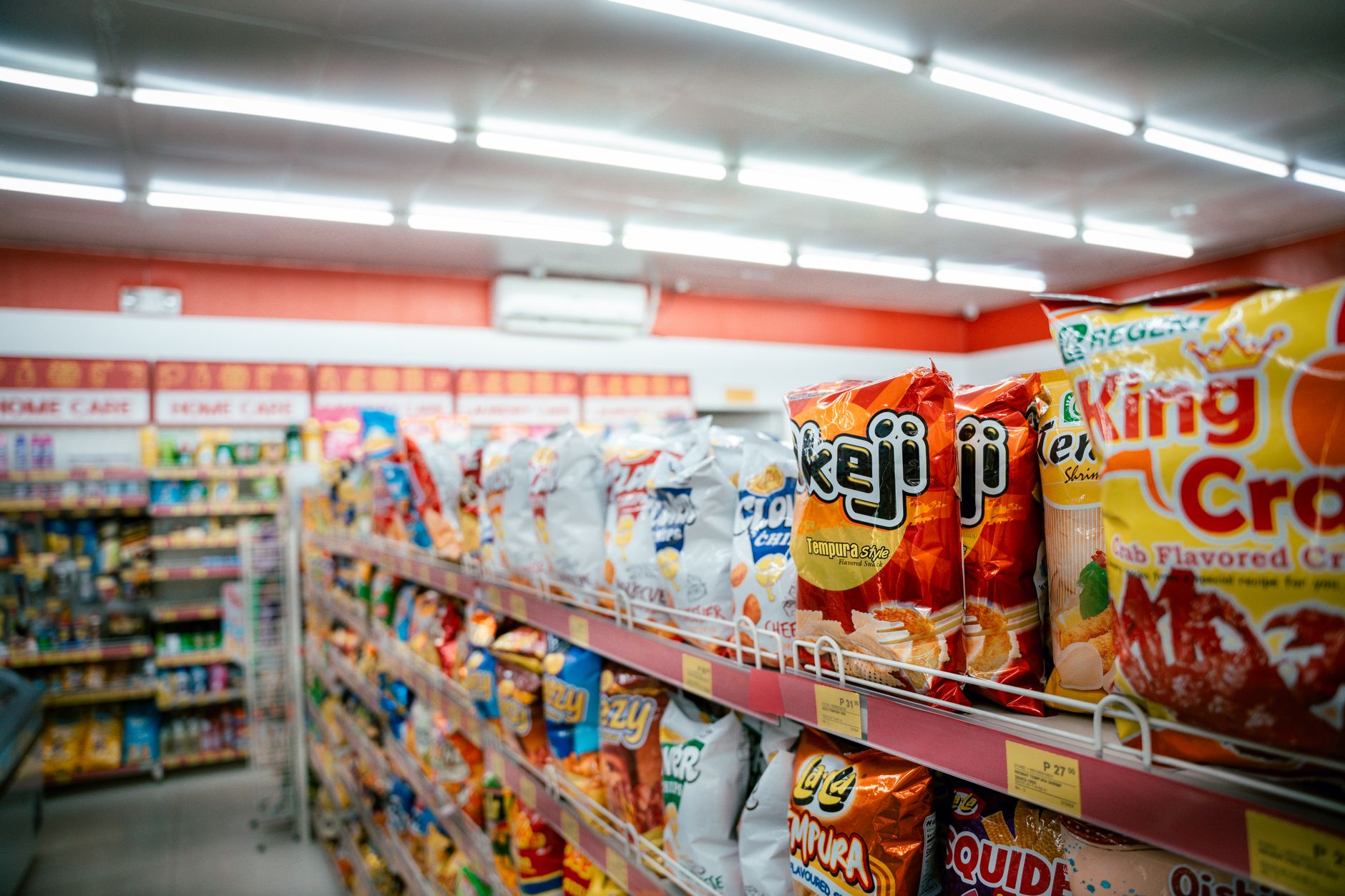
Natural. Almost entirely unregulated in most markets. Sugar is natural. So is honey, which is sugar.
No refined sugar. Frequently means the sugar comes from concentrated fruit juice, date paste or syrups instead. Your body processes these very similarly to added sugar, and the products often contain more of it.
Made with real fruit. Says nothing about quantity. A product can contain two percent fruit and make this claim.
No artificial colours or flavours. True of a great many products high in sugar and fat. It tells you what is absent, not what is present.
A source of protein or a source of fibre. These have legal definitions in some markets and are frequently met at low absolute levels. A product can be a source of protein and still be mostly sugar.
Organic. A meaningful claim about farming practices and a meaningless one about nutritional content. Organic sugar is sugar.
Free from, in various combinations. Genuinely important if you have an allergy in the family. Not a health claim otherwise.
The Four Things Actually Worth Checking
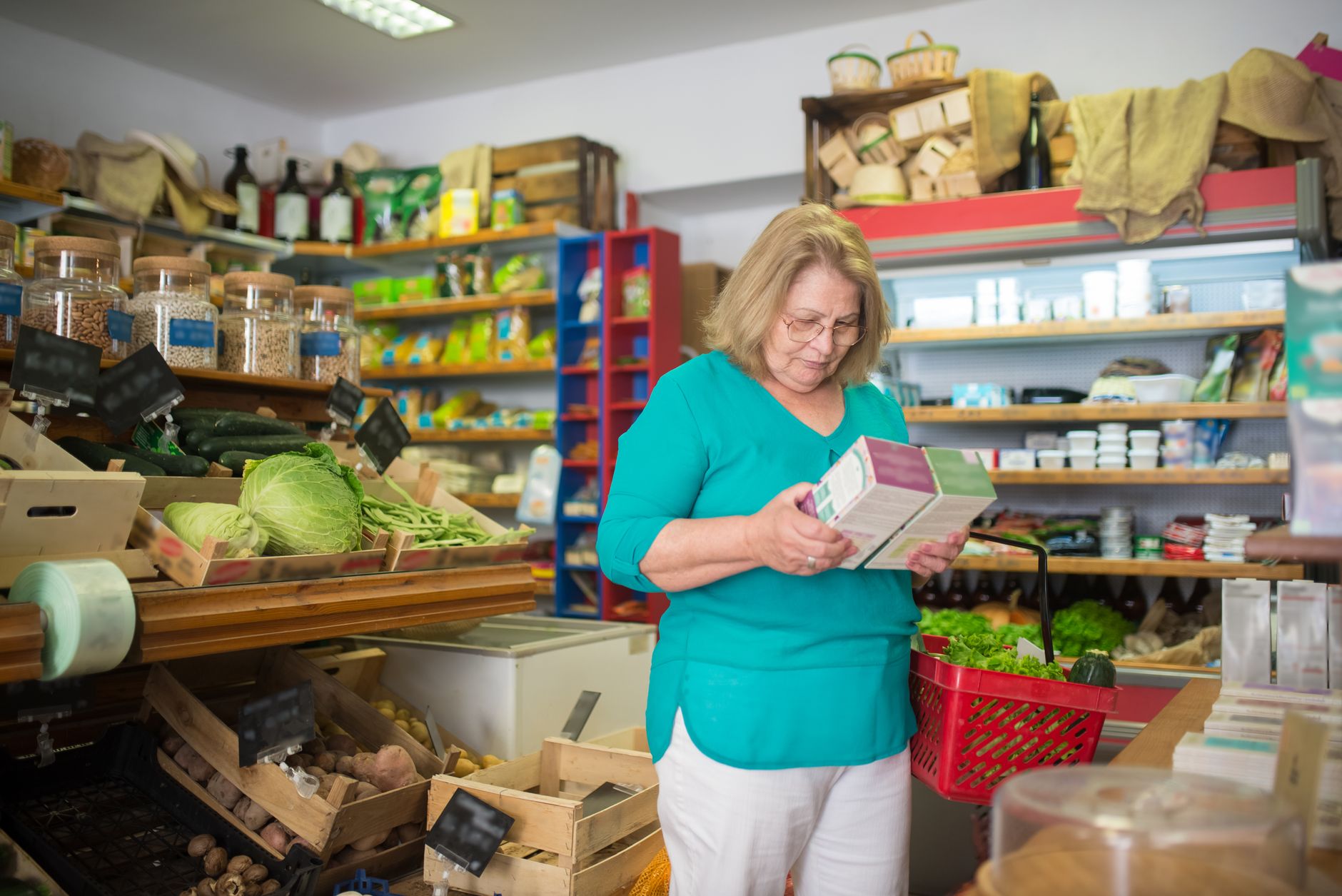
Sugar per hundred grams. This is the number that lets you compare products of different sizes. Broadly, under five grams per hundred is low, and over twenty two and a half grams per hundred is high, which are the thresholds used in British traffic light labelling. A great many products marketed to children sit above thirty.
The ingredients order. Ingredients are listed by weight. If sugar, syrup, juice concentrate or date paste appears in the first three ingredients, you know what the product mostly is. Watch for the same sugar appearing under three different names, which moves each one further down the list.
Protein per portion, in grams. Not the presence of a claim. Something marketed as a protein snack for children containing three grams of protein is not doing much. Five or more grams begins to be meaningful in a snack.
Portion size versus what your child will actually eat. Nutrition panels frequently list a portion considerably smaller than the packet. If the packet contains two portions and your child eats the packet, double every number.
That is the whole method. Sugar per hundred grams, the first three ingredients, protein in grams, and portion honesty. Ten seconds per product.
Which Categories Genuinely Deliver
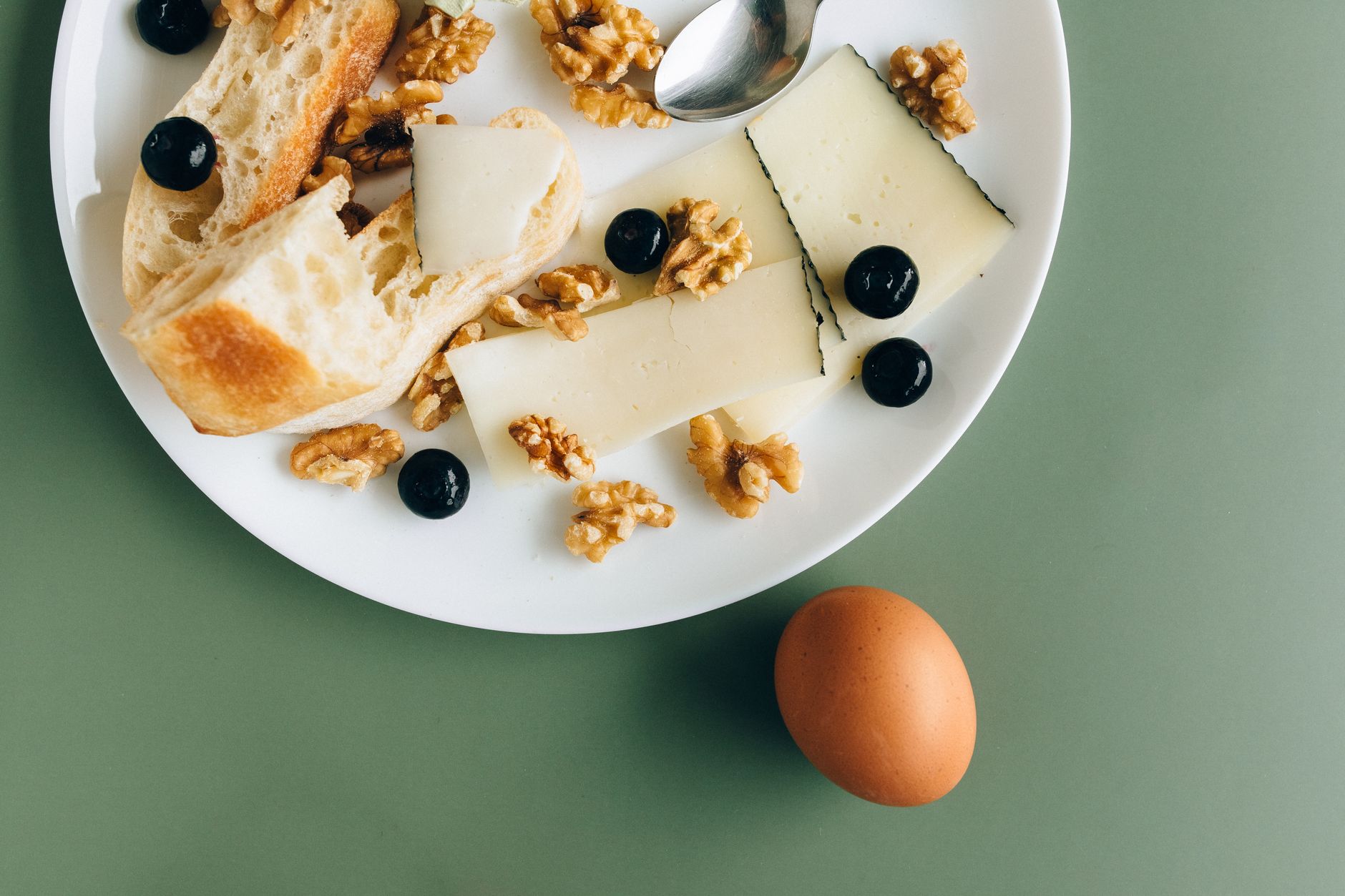
Plain dairy. Plain yogurt, cheese portions, milk. Genuinely high in protein and calcium, minimal processing, cheap. Flavoured children’s yogurts vary enormously, with some containing very little sugar and others a great deal, so the same label check applies. Buying plain yogurt and adding fruit yourself is dramatically cheaper and lower in sugar than buying it flavoured.
Eggs. Boiled eggs are among the best value snacks available and are frequently overlooked because they are not packaged.
Nuts and seeds, where school policy and age allow. Genuinely nutrient dense. Whole nuts are a choking hazard for under fives, so nut butters or ground nuts are the appropriate form for younger children.
Fresh and frozen fruit. Whole fruit contains fibre that fruit snacks and juices do not, which changes how the sugar behaves. Dried fruit is more concentrated and sticks to teeth, so it is better as an occasional item than a daily one.
Vegetables with a dip. Hummus, cream cheese or yogurt based dips raise acceptance substantially and add protein.
Plain popcorn, oatcakes, rice cakes and breadsticks. Low sugar, filling, cheap. Check the salt on savoury options, which is the number that often surprises people.
Wholegrain toast with a topping. Unfashionable, effective, roughly free.
Where Branded Products Are Worth Paying For
Not never, and the honest answer depends on the situation.
Portability genuinely matters sometimes. A wrapped bar in a bag for a long car journey, a hospital appointment or a delayed flight solves a real problem, and buying a reasonable one is better than buying nothing and ending up at a service station.
Some brands are genuinely well formulated. Products built around nut butter, oats and dried fruit with no added sugar do exist, typically at higher prices, and they deliver meaningfully more than a standard cereal bar. Check the sugar per hundred grams and the first three ingredients and you will identify them quickly.
Yogurt pouches and tubes are convenient and vary widely. The lower sugar options are a reasonable snack. The high sugar ones are a dessert with a health halo.
Where they are rarely worth it. Fruit flavoured snacks and fruit strings, which are typically concentrated sugar in a fruit shaped format. Children’s cereal bars, which are usually among the highest sugar items in the aisle. Anything positioned as a protein product for children, since protein deficiency is very uncommon in children eating a normal varied diet in developed countries, and these products usually solve a problem that does not exist.
| Snack type | Typical sugar per 100g | Protein | Cost | Verdict |
|---|---|---|---|---|
| Plain yogurt with fresh fruit | Low, mostly natural dairy sugar | High | Low | Best everyday option |
| Cheese portions | Very low | High | Low | Excellent, watch salt |
| Boiled eggs | None | High | Very low | Underrated |
| Whole fresh fruit | Low to moderate, with fibre | Low | Low | Everyday staple |
| Vegetables with hummus | Very low | Moderate | Low | Excellent |
| Plain popcorn and oatcakes | Very low | Low | Low | Good, check salt |
| Nut butter based bars, no added sugar | Low to moderate | Moderate | High | Worth it for portability |
| Children's flavoured yogurts | Varies enormously | Moderate | Moderate | Check the label each time |
| Standard children's cereal bars | Often 25 to 35 grams | Low | Moderate | Usually confectionery |
| Fruit strings and fruit snacks | Often very high | None | High | Treat as sweets |
| Children's protein products | Varies | Often modest | High | Solving a rare problem |
Do Children Actually Need Protein Snacks?
Generally not. Protein deficiency in children eating a normal varied diet in developed countries is uncommon, and most children comfortably meet their needs through milk, dairy, eggs, meat, fish, beans and grains across a normal day. The marketing of protein products to children largely borrows credibility from adult fitness culture rather than responding to a nutritional gap.
Where protein at snack time genuinely helps is in fullness rather than deficiency. A snack containing protein keeps a child going until dinner considerably better than one that is purely carbohydrate, which is why cheese, yogurt, eggs and hummus outperform crackers and fruit alone at four o’clock. That is a practical argument for the food, not for the branded product.
If you have specific concerns about your child’s growth, appetite, eating patterns or nutrition, that is a conversation for your paediatrician, GP or health visitor rather than something to solve in a supermarket aisle. Children who are genuinely very restricted eaters benefit from proper assessment rather than from supplement products.
If You Are Shopping in the UK
British labelling is genuinely helpful here. Front of pack traffic light labelling is voluntary but widely adopted, and it colour codes fat, saturated fat, sugar and salt per portion, which makes comparison fast. Red for sugar on a product marketed as a healthy snack tells you most of what you need.
The reference thresholds used are low at five grams of sugar per hundred grams or less, and high at more than twenty two and a half grams per hundred grams, which are useful numbers to carry in your head when comparing anything, labelled or not.
Supermarket own brand ranges in the UK are frequently identical in formulation to branded equivalents at substantially lower prices, particularly for oatcakes, rice cakes, plain yogurt and dried fruit. The premium in this category is very often for packaging.
On school policy, most UK schools restrict nuts entirely and many restrict chocolate and sweets in snacks and packed lunches. Check your school’s parent handbook, since policies vary considerably between individual schools rather than following a single national rule.
Do’s and Don’ts: Buying Snacks for Children
| Do's | Don'ts | |
|---|---|---|
| 1 | Check sugar per hundred grams to compare products | Compare per portion when portion sizes differ |
| 2 | Read the first three ingredients | Trust the front of the packet |
| 3 | Treat natural and no refined sugar as marketing | Assume those claims mean lower sugar |
| 4 | Check protein in grams, not the presence of a claim | Buy a protein product containing three grams |
| 5 | Double the numbers if your child eats the whole packet | Read a panel listing two portions as one |
| 6 | Buy plain yogurt and add your own fruit | Pay a premium for pre sweetened flavoured pots |
| 7 | Include a protein element at afternoon snack time | Rely on carbohydrate alone at four o'clock |
| 8 | Check salt on savoury snacks such as crackers | Assume low sugar means nutritionally fine |
| 9 | Use wrapped bars for genuine portability situations | Make packaged bars the daily default |
| 10 | Buy supermarket own brand for basics | Pay brand prices for oatcakes and dried fruit |
| 11 | Treat fruit strings and fruit snacks as sweets | Count them as a portion of fruit |
| 12 | Speak to a health professional about real concerns | Try to solve an eating worry in a supermarket aisle |
FAQs
How much sugar is too much in a children’s snack?
A useful benchmark comes from British traffic light labelling, where five grams of sugar per hundred grams or less is considered low and more than twenty two and a half grams per hundred grams is considered high. Many products marketed specifically to children sit above thirty grams per hundred, which puts them in the same territory as biscuits and confectionery. Comparing per hundred grams rather than per portion is essential, because portion sizes on packs vary widely and are often smaller than what a child actually eats.
Do children need protein snacks or protein bars?
Almost never. Protein deficiency is uncommon in children eating a varied diet in developed countries, and most comfortably meet their needs from milk, dairy, eggs, meat, fish, beans and grains. Products marketed as children’s protein snacks generally borrow credibility from adult fitness marketing rather than addressing a real gap. Where protein at snack time genuinely helps is fullness, and cheese, yogurt, eggs or hummus do that job better and far more cheaply than a branded bar.
What does no refined sugar actually mean?
Usually that the sweetness comes from concentrated fruit juice, date paste, honey, agave or similar rather than from table sugar. Nutritionally these behave very similarly to added sugar once eaten, and products using them frequently contain more total sugar than conventional equivalents. It is a marketing distinction rather than a meaningful health one. Check the sugar per hundred grams on the back and the claim on the front stops mattering.
Are children’s yogurts a healthy snack?
It depends entirely on the specific product, because the range within the category is enormous. Plain yogurt is genuinely excellent, high in protein and calcium with only naturally occurring dairy sugar. Some flavoured children’s yogurts are close to that. Others contain as much sugar as a dessert. The reliable approach is to buy large tubs of plain yogurt and add fresh or frozen fruit yourself, which costs considerably less and gives you complete control over the sweetness.
What are the best cheap snacks for children?
Boiled eggs, cheese portions, plain yogurt with fruit, whole fresh fruit, vegetable sticks with hummus, plain popcorn, oatcakes and wholegrain toast with a topping. All are inexpensive, most require little or no preparation, and all deliver more than equivalently priced packaged snacks. Supermarket own brand versions of oatcakes, rice cakes, dried fruit and plain yogurt are frequently identical in formulation to branded products at substantially lower prices.
Should I worry about snacks between meals?
Snacks are a normal and useful part of how most children eat, because their stomachs are small and their energy needs across a day are proportionally high. The useful questions are what the snack contains and whether the timing leaves room for the next meal. A snack combining some protein with carbohydrate, such as apple with cheese or yogurt with fruit, sustains a child considerably better than something purely sweet, and generally leaves appetite intact for dinner rather than blunting it.
How do I read a food label quickly in a shop?
Four checks, about ten seconds. Look at sugar per hundred grams and compare it against the five gram and twenty two and a half gram thresholds. Read the first three ingredients, since these are the largest components by weight. Check protein in grams if that is the claim being made. And check whether the stated portion matches what your child will actually eat, since panels often list a portion smaller than the packet. Ignore everything on the front.
Are organic snacks better for children?
Organic certification tells you about farming methods, including pesticide and fertiliser use, which some families value for its own reasons. It tells you nothing about the nutritional composition of the product. Organic children’s snacks can and frequently do contain just as much sugar as conventional ones, and often cost considerably more. If you buy organic, apply exactly the same label checks you would to anything else rather than treating the certification as a nutritional guarantee.
You Might Also Like