School lunch box ideas that still look edible at noon, plus which containers, bottles and cool bags actually survive a year. Tested picks with US and UK pricing.
The first lunch box I ever packed came home with a sandwich that had absorbed the moisture from a sliced cucumber and become, in the four hours between 8am and midday, something closer to a poultice than a food. My son had eaten around it, extracting the crisps and one satsuma with the precision of a surgeon, and left the rest as evidence.
Three school years later I have a system, and most of it is not about recipes. It is about which foods survive four hours unrefrigerated in a bag, which containers keep components apart, and accepting that a child eats what is easy far more reliably than what is nutritious. The good news is that solving the physical problem solves most of the eating problem too. Here is what works, and which kit is genuinely worth the money.
Why Food Fails Between 8am and Noon
Four mechanisms account for almost every disappointing lunch box.
Moisture migration. Wet ingredients release water into dry ones. A tomato against bread produces a soggy sandwich within two hours. Keeping wet and dry components physically separate is the single most effective fix available.
Oxidation. Cut apples, pears and bananas brown quickly and children reject brown fruit almost universally, regardless of taste. A squeeze of lemon juice or citric acid, or simply choosing fruit that does not brown, resolves it.
Temperature. Most lunches sit in a bag at room temperature for four hours. Food safety guidance generally recommends keeping cold food below about five degrees Celsius or forty one Fahrenheit, which a cool pack in an insulated bag broadly achieves. This matters most for meat, dairy and eggs on warm days.
Texture collapse. Crisps go soft, crackers absorb moisture, and anything crumbed loses its coating. Wrapping crisp items separately, or packing them in a rigid compartment rather than loose, largely prevents it.
Solve those four and the recipe barely matters.
The Fillers That Actually Survive
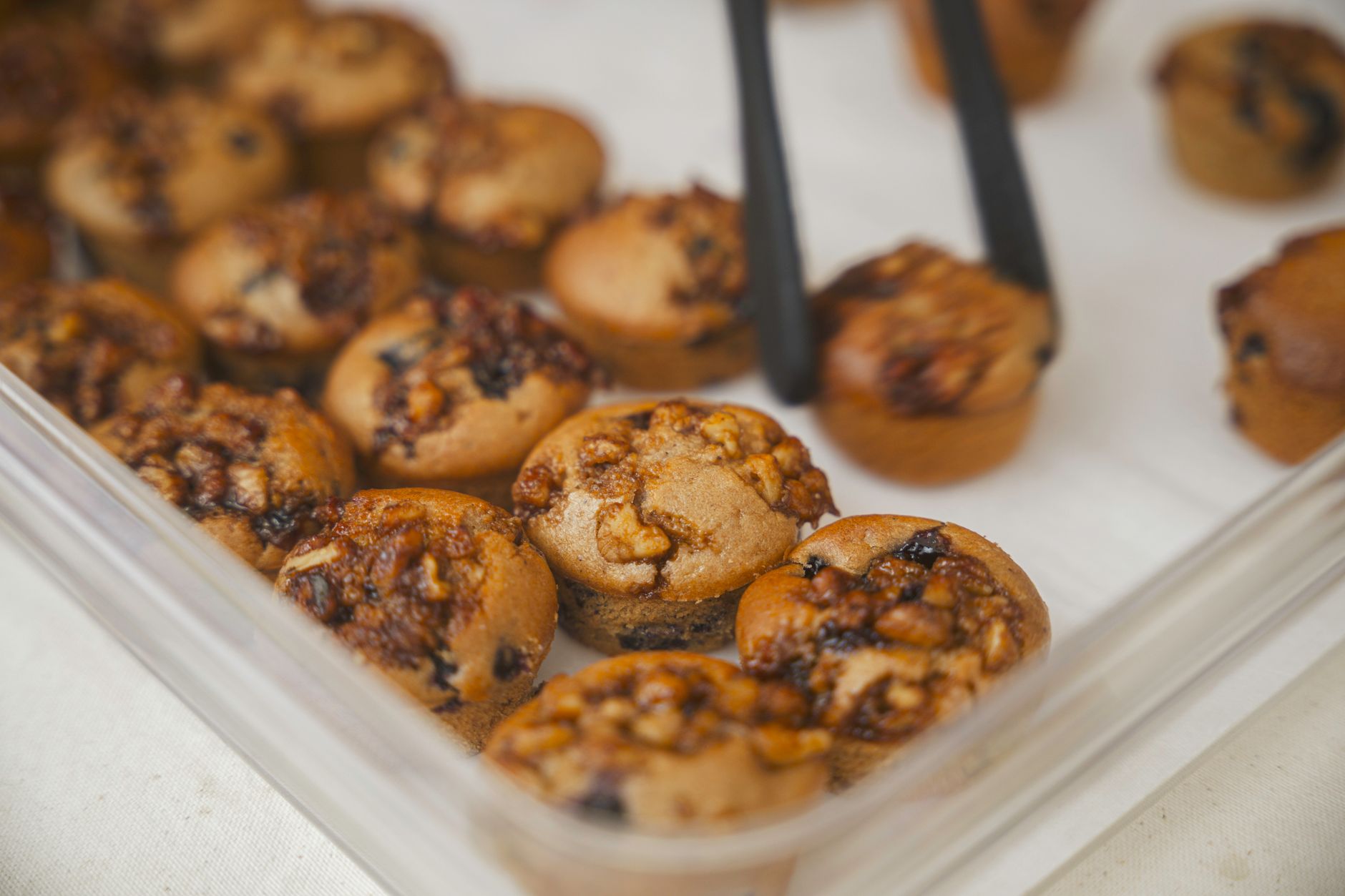
Instead of sandwiches. Pinwheel wraps, which hold together better than sliced bread and look more interesting. Pasta salad with pesto, which improves rather than degrades over four hours. Rice or couscous with sweetcorn and cheese. Savoury muffins. Mini frittatas, made in a muffin tin, which are the single most reliable thing I pack. Crackers with cheese and ham packed separately so the child assembles them, which children like disproportionately.
Fruit that survives. Grapes, halved lengthways for younger children. Berries. Satsumas and clementines, peeled or not depending on the child’s patience. Apple slices with a squeeze of lemon. Melon chunks, which need a leakproof compartment. Dried fruit as a supplement rather than a mainstay.
Vegetables that survive. Cucumber batons, carrot sticks, sugar snap peas, cherry tomatoes kept separate from everything else, sweetcorn, and peppers cut into strips. Hummus or cream cheese in a small pot for dipping raises acceptance considerably.
The crisp component. Whatever it is, keep it in a rigid compartment. Crisps, breadsticks, crackers, popcorn, rice cakes.
Protein that survives. Cheese cubes, cooked chicken pieces, boiled eggs, ham, hummus, yogurt in a sealed pot with a cool pack, and beans in a pasta salad.
A small sweet thing. This is not a nutritional recommendation, it is a practical one. A lunch box with something appealing in it gets opened and eaten. A worthy lunch box with nothing appealing frequently comes home full.
The Containers Worth Paying For
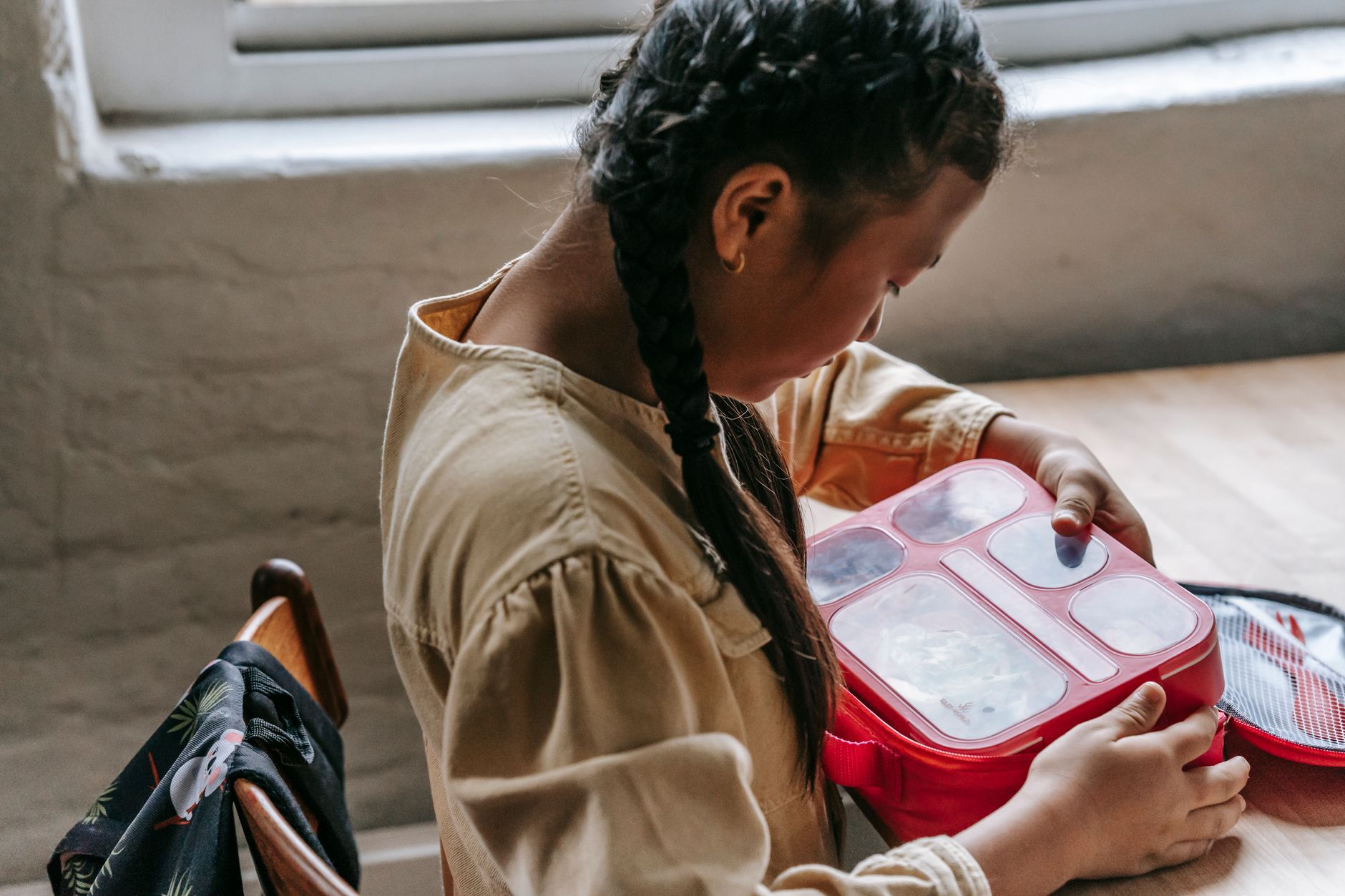
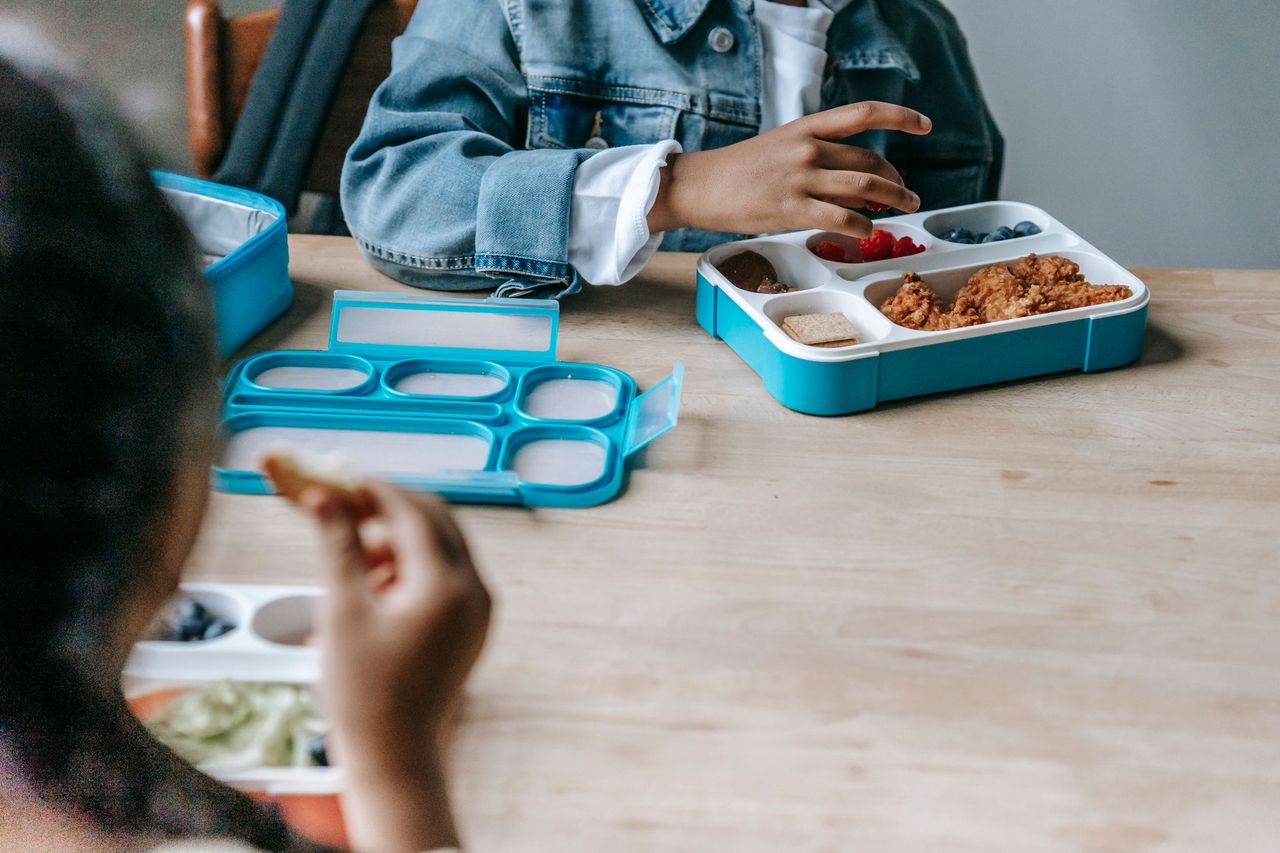
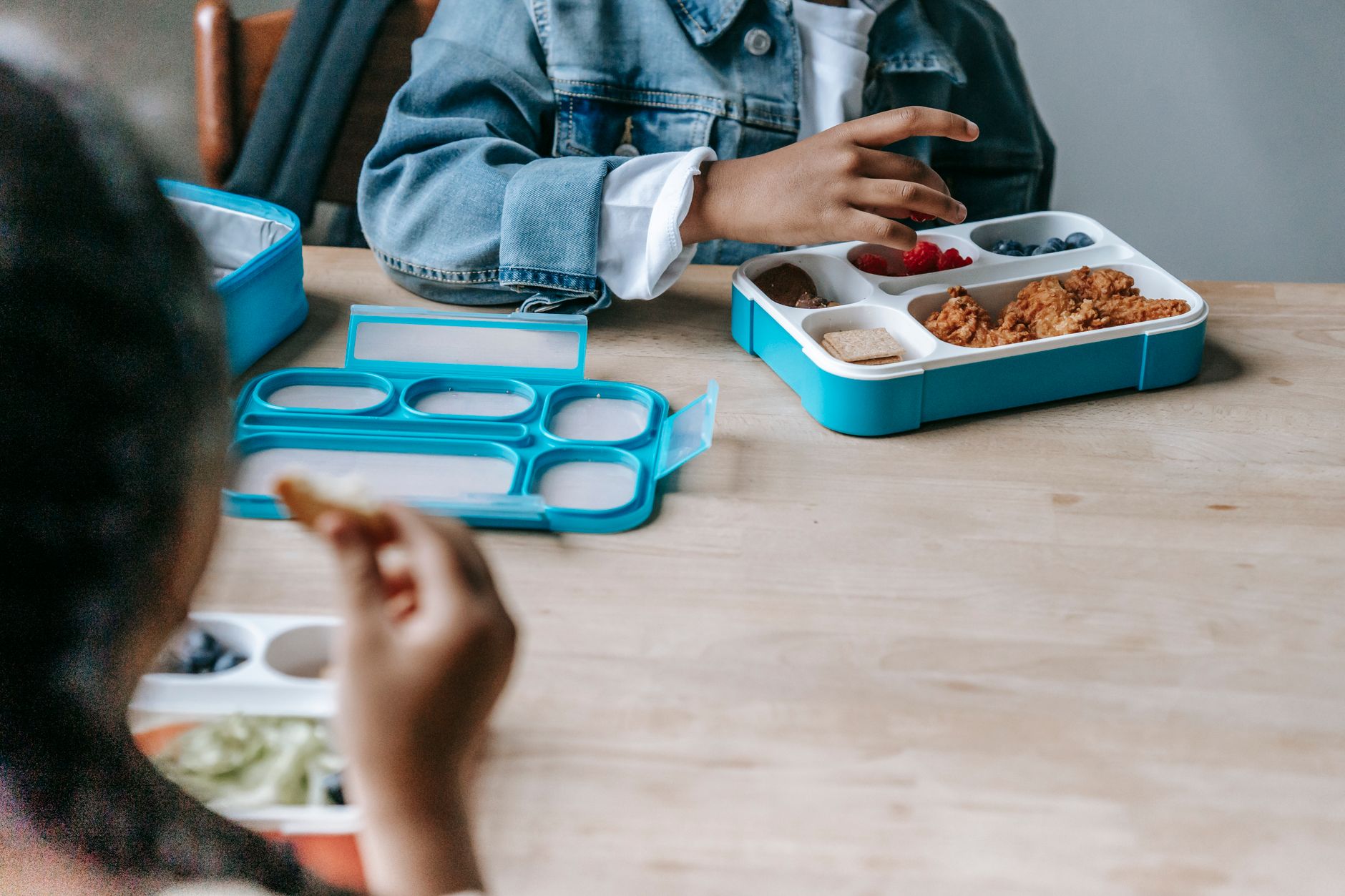
Compartment bento boxes. The category that changed lunches most. A rigid box with sealed compartments keeps wet and dry apart, stops crushing and portions automatically.
Yumbox is the best known, at $30 to $40 or £25 to £35, with genuinely leakproof individual compartments, which is rare and worth the premium if you pack yogurt or dips. Bentgo sits similarly at $25 to $35. Sistema and Tupperware offer compartment boxes at $10 to $20 or £8 to £16 which are not individually leakproof but are perfectly good for dry components and vastly cheaper.
Small pots with proper seals. $8 to $15 for a set. For dips, yogurt and dressing. Test the seal at home over a sink before trusting it in a bag.
Insulated food jars. $20 to $35 or £15 to £30. For hot pasta, soup or leftovers in winter, which considerably widens what you can pack. Preheat with boiling water for five minutes before filling and it will still be warm at noon.
Water bottles. $10 to $30 or £8 to £25. The category with the widest quality gap. Look for a simple mechanism a child can operate one handed, a genuinely leakproof lid, and dishwasher safe parts. Insulated stainless steel keeps water cold all day and survives being dropped, which plastic frequently does not.
Cool bags and ice packs. $15 to $30 or £12 to £25. An insulated bag with a slim ice pack is the difference between safe dairy and not, particularly in warm months.
| Item | Price (US) | Price (UK) | Leakproof | Dishwasher safe | Best for |
|---|---|---|---|---|---|
| Yumbox style bento | $30 to $40 | £25 to £35 | Yes, per compartment | Usually top rack | Yogurt and dips included |
| Bentgo style bento | $25 to $35 | £20 to £30 | Mostly | Usually | Durable everyday use |
| Sistema compartment box | $10 to $20 | £8 to £16 | Overall lid only | Yes | Best value for dry components |
| Small sealed pots | $8 to $15 per set | £6 to £12 per set | Varies, test first | Yes | Dips and yogurt |
| Insulated food jar | $20 to $35 | £15 to £30 | Yes | Often handwash | Hot food in winter |
| Insulated steel bottle | $15 to $30 | £12 to £25 | Yes | Body usually, lid handwash | Cold water all day, durability |
| Plastic sports bottle | $8 to $15 | £6 to £12 | Varies | Yes | Lightweight, cheap replacement |
| Insulated cool bag and ice pack | $15 to $30 | £12 to £25 | Not applicable | Wipe clean | Dairy and meat in warm weather |
The Sunday System That Makes Weekdays Work
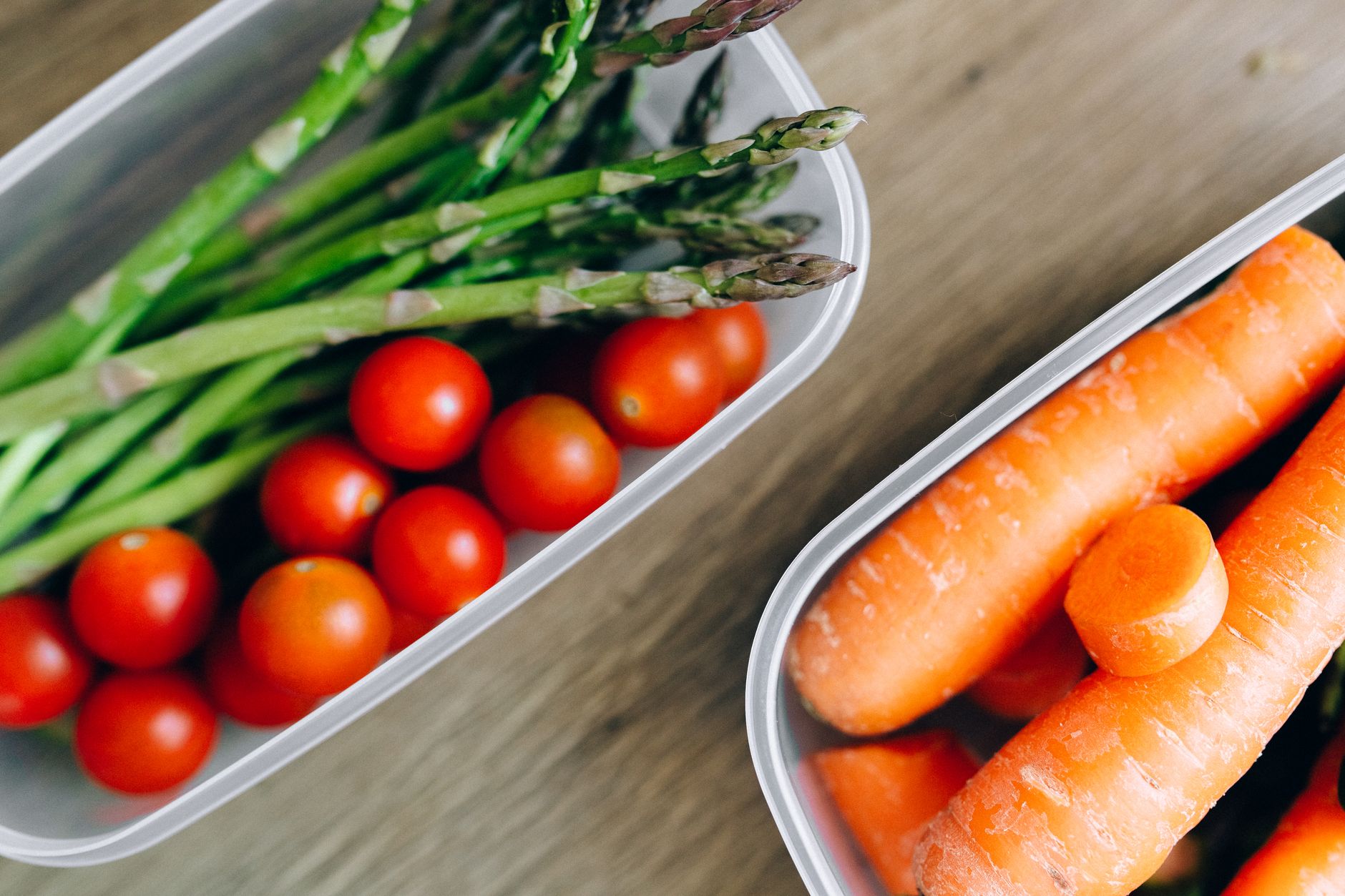
Twenty minutes on a Sunday removes most of the weekday pain.
Wash and chop vegetables for the week and store them in one large container. Carrot sticks, cucumber batons and pepper strips keep well for four to five days.
Make one batch item. Mini frittatas, savoury muffins or a pasta salad. That covers two lunches and reduces the daily decision.
Portion the crisp component into small reusable pots or bags so you are not opening packets at 7:40am.
Set out the boxes the night before, open, on the counter. Packing into an already open box takes four minutes. Finding the box, the lid, the pots and the bottle takes fifteen.
Let the child choose one thing. Acceptance rises substantially when there is one component they selected, even if that component is the same thing every day for a term.
The Rules Schools Have and How to Work With Them
Most schools now have policies, and finding out early prevents lunches coming home uneaten with a note.
Nut restrictions are almost universal, which rules out peanut butter and many cereal bars. Check whether the policy covers all nuts or peanuts specifically, and whether products made in facilities handling nuts are also excluded.
Many schools restrict chocolate, sweets and fizzy drinks. Some restrict crisps. Policies vary enormously and are usually in the parent handbook.
Some schools require water only in bottles, and a few require the bottle to be transparent.
Younger year groups often have limited time to eat, which is the most underestimated factor of all. A lunch that takes fifteen minutes to assemble and eat will not be finished by a five year old with twenty minutes and friends to talk to. Simple, quick and separated beats elaborate every time.
If You Are Buying in the UK
Sistema, widely stocked in supermarkets, Argos and Wilko style retailers, is the value benchmark and its compartment boxes are genuinely good for the price. Yumbox and Bentgo are both available through UK retailers, though at slightly higher effective prices than in the US.
Klean Kanteen, Chilly’s, Ion8 and Sistema all make well regarded water bottles in the UK. Ion8 is worth specific mention for genuinely leakproof lids at moderate prices, which is the most common failure point.
For hot food, insulated jars from Thermos and Sistema are widely stocked and inexpensive, and hot lunches are more useful in the British climate than they are in warmer markets.
On school policy, most English and Welsh primary schools set their own packed lunch guidance rather than following a national standard, so check your specific school’s parent handbook rather than assuming. Free school meals eligibility has expanded in various parts of the UK, including universal provision for younger year groups in some nations and regions, so it is worth checking whether you need to pack at all.
Do’s and Don’ts: Packing Lunches That Get Eaten
| Do's | Don'ts | |
|---|---|---|
| 1 | Keep wet and dry components physically separate | Put tomato or cucumber against bread at 8am |
| 2 | Use a compartment box rather than one large container | Let everything move around and crush together |
| 3 | Pack an ice pack in an insulated bag for dairy and meat | Send yogurt in a warm bag on a hot day |
| 4 | Choose fruit that does not brown, or add lemon juice | Send sliced apple with nothing to stop oxidation |
| 5 | Pack food that can be eaten in ten minutes | Send an elaborate lunch to a child with twenty minutes |
| 6 | Include one appealing item so the box gets opened | Pack a nutritionally perfect lunch nobody will touch |
| 7 | Let your child choose one component | Decide everything and wonder why it comes home |
| 8 | Test container seals over a sink before trusting them | Discover a leaking yogurt pot inside a school bag |
| 9 | Check the school policy on nuts and other restrictions | Assume peanut butter is fine |
| 10 | Prep vegetables and one batch item on Sunday | Start from raw ingredients every weekday morning |
| 11 | Buy an insulated jar to widen winter options | Limit yourself to cold food for six months of the year |
| 12 | Buy bottles with dishwasher safe parts and simple lids | Buy a bottle with a mechanism your child cannot open |
FAQs
How do I stop sandwiches going soggy by lunchtime?
Keep wet ingredients away from bread entirely. Pack tomato, cucumber and any dressing in a separate compartment for the child to add, or simply leave them out and send them as sticks alongside. A layer of butter or cream cheese spread right to the edges creates a partial moisture barrier. Better still, move away from sandwiches to formats that do not suffer this problem, such as pasta salad, wraps, savoury muffins or a crackers and cheese assembly the child builds themselves.
Is a bento style lunch box worth the money?
For most families, yes. Separated compartments solve moisture migration, crushing and portioning simultaneously, which are the three main reasons packed lunches come home uneaten. The premium versions with individually leakproof compartments, such as Yumbox, are worth the extra only if you regularly pack yogurt, dips or anything wet. If you pack dry components, a Sistema style compartment box at a third of the price performs almost identically.
How do I keep a packed lunch cold enough to be safe?
Use an insulated bag with a slim ice pack, which will generally keep contents below the recommended temperature for the four or five hours between packing and eating. Pack items straight from the fridge rather than leaving them out while you assemble everything else. Freezing a yogurt tube or a small drink pouch works as an additional cold source that thaws by lunchtime. This matters most for dairy, cooked meat and eggs, and most of all in warm weather.
What can I pack instead of sandwiches?
Pasta salad, which improves over several hours rather than degrading. Pinwheel wraps. Rice or couscous with sweetcorn and cheese. Mini frittatas or egg muffins made in a muffin tin. Savoury muffins. Crackers with cheese and ham packed separately for the child to assemble. Leftover pasta or a warm meal in a preheated insulated jar in winter. Most of these hold their texture considerably better than bread does over four hours.
How do I stop apple slices going brown?
Toss the slices in a little lemon juice, which slows oxidation considerably, or use a commercial citric acid preparation designed for the purpose. Alternatively, choose fruit that does not brown, including grapes, berries, satsumas and melon. A whole apple sent uncut does not brown at all, though younger children often find whole apples difficult to eat and will bring them home untouched, which is worth weighing up.
What should I do if lunch keeps coming home uneaten?
Simplify before you improve. The most common causes are too much food, too long to eat it, components that require assembly the child cannot manage, or nothing appealing enough to prompt opening the box. Reduce the quantity, include one item they genuinely like, and let them choose one component themselves. It is also worth asking how long they actually get to eat, since younger year groups frequently have far less time than parents assume.
Which water bottle is best for school?
An insulated stainless steel bottle if durability and cold water all day matter, since these survive being dropped repeatedly and children drop bottles constantly. Look for a simple lid mechanism a child can open one handed without help, genuinely leakproof sealing, and dishwasher safe parts. Test the lid at home over a sink before sending it. Plastic sports bottles are lighter and cheaper to replace, which suits younger children who lose things regularly.
How far ahead can I prepare lunch box food?
Chopped vegetables keep four to five days refrigerated in a sealed container. Pasta salad keeps three days and often tastes better on day two. Egg muffins and savoury muffins keep four days refrigerated or freeze well for a month. Sandwiches and wraps are best made the night before at most, and anything with wet ingredients should be assembled in the morning or kept separate. Twenty minutes of Sunday preparation typically covers most of a week.
You Might Also Like