How to start running again after having a baby, the realistic Couch to 5K timeline, what to sort before your first run and the kit worth buying, US and UK pricing.
I tried to start running eight weeks after my first was born and it went extremely badly. Not dramatically. Just a slow accumulation of evidence that I had done something wrong. My hips hurt. I leaked, which nobody had mentioned might happen and which I assumed meant something was permanently broken. I gave up after three attempts and did not run again for two years.
The second time I did it properly, and the difference was almost entirely in the preparation rather than the running. I got assessed. I spent three months building strength before I ran a single step. And then I followed a plan considerably more slowly than the plan suggested, and I finished it, and I have been running since. This is what I would tell anyone starting, including the parts that sound like unnecessary caution and are not.
Before You Run: The Part Everyone Skips

Running is a high impact activity. Each stride puts a load of roughly two to three times bodyweight through your body, repeatedly, for however long you run. The tissues that manage that load, including the pelvic floor and the abdominal wall, take considerably longer to recover from pregnancy and birth than the six week check suggests.
Current guidance from pelvic health specialists generally points to around three months postpartum as the earliest sensible return to impact for most women, and often longer, with the emphasis on readiness rather than the date. That guidance exists because returning too early is strongly associated with pelvic floor problems that then take many months to resolve.
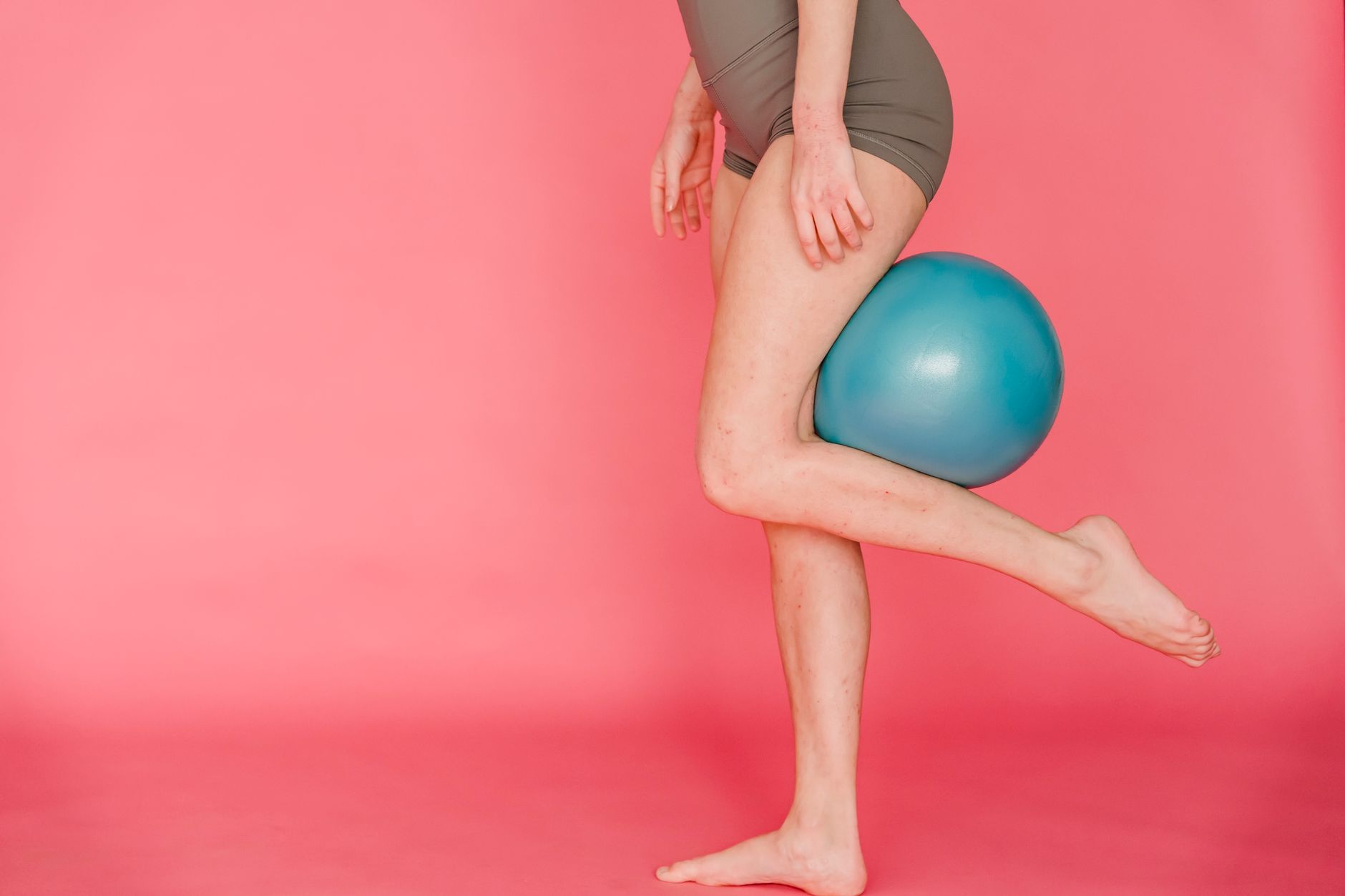
The practical readiness checks. Can you walk briskly for thirty minutes without symptoms. Can you stand on one leg for ten seconds each side. Can you do twenty single leg calf raises, ten single leg bridges and ten single leg squats per side. Can you hop on the spot for a minute and jog on the spot for a minute without leaking, pressure or pain. If any of those produce symptoms, you are not ready yet, and that is information rather than failure.
Get assessed by a pelvic health physiotherapist if you can. In some places this is routine care, in others you have to ask, and in others you pay privately. It is the highest value thing you can do, and a single session is often enough to know exactly what you should be working on.
If you leak during running, feel heaviness or pressure, or have pain, stop and get assessed. These are common, they are treatable, and they are not something to push through.
The Twelve Weeks Before the Twelve Weeks

The strength work below is what makes the running possible, and skipping it is the most common reason people fail at Couch to 5K. Three sessions a week for eight to twelve weeks before you start running.
Single leg work is the priority, because running is a series of single leg landings. Single leg bridges, step ups, split squats and single leg calf raises. Ten to fifteen repetitions per side, building to three sets.
Calf strength specifically matters more than most people realize, because calves absorb a large proportion of landing force. Build to twenty five single leg calf raises per side.
Glute strength protects the knees and hips. Band walks, hip thrusts, and clamshells. Boring, effective, non negotiable.
Impact tolerance last. Once the strength work feels comfortable, add gentle hopping and skipping for thirty to sixty seconds, watching for symptoms. This is your bridge to running.
The Plan, Slowed Down to Something Finishable
Standard Couch to 5K runs nine weeks with three sessions per week. For postpartum runners I would treat that as a twelve to sixteen week plan by repeating weeks whenever a week felt hard, and there is no prize for finishing on schedule.
Weeks one to three. Alternate sixty seconds of running with ninety seconds of walking, for twenty minutes total, three times a week. Repeat any week that leaves you sore for more than a day.
Weeks four to six. Build run intervals to three minutes with ninety second walks, working up to around twenty five minutes total.
Weeks seven to nine. Longer intervals of five to eight minutes with short walks, and your first continuous twenty minute run somewhere in here. This is the week most people find hardest and it is where repeating is most useful.
Weeks ten to twelve. Build continuous running to twenty five and then thirty minutes, which for most people is around five kilometers.
Two non negotiable rules. Never increase distance and speed in the same week. And if anything hurts in a joint rather than aching in a muscle, stop and rest for a few days rather than running through it.
The Kit Worth Buying, in Order
Properly fitted running shoes, $110 to $170 or £90 to £140. The only genuinely essential purchase. Go to a specialist running shop and have your gait assessed, which is free at most independent running retailers in both the US and UK. Feet frequently change size and shape during pregnancy, sometimes permanently, so your old running shoes may no longer be the right size. Replace every four hundred to five hundred miles.
A high impact sports bra, $60 to $90 or £40 to £65. Encapsulation or combination construction, adjustable straps, hook and eye back. Panache and Shock Absorber are the specialist names. This is not the place to economize.
Leggings with a proper waistband and pockets, $40 to $100 or £30 to £80. High waisted, thick fabric that does not go sheer when you bend, and a phone pocket. Decathlon does this well cheaply, Sweaty Betty and Lululemon do it well expensively.
Optional and useful: a running watch or just your phone, $0 to $250. The free Couch to 5K apps handle interval timing perfectly. A watch is a nicety, not a requirement.
Optional: a running stroller, $250 to $600 or £200 to £500. Only if you plan to run with a child, and note that most manufacturers advise waiting until at least six months for jogging use. Fixed front wheel models are the ones designed for running. Running with a stroller is significantly harder than running without one and pushes you into an unnatural posture, so establish your running first and add the stroller later.
| Item | Price (US) | Price (UK) | Priority | Notes |
|---|---|---|---|---|
| Fitted running shoes | $110 to $170 | £90 to £140 | Essential | Get gait assessed, feet may have changed size |
| High impact sports bra | $60 to $90 | £40 to £65 | Essential | Encapsulation with adjustable straps |
| Running leggings | $40 to $100 | £30 to £80 | Important | High waist, opaque, phone pocket |
| Technical top | $25 to $60 | £20 to £50 | Useful | Any wicking fabric, not cotton |
| Couch to 5K app | Free | Free | Useful | The NHS version is excellent and free |
| Running watch | $150 to $250 | £120 to £200 | Optional | Your phone does the same job |
| Running stroller | $250 to $600 | £200 to £500 | Optional | Fixed front wheel, usually six months plus |
| Pelvic health physio session | $100 to $200 | £60 to £100 | Highest value | Often free on the NHS, ask for referral |
The Practical Problems and How to Solve Them
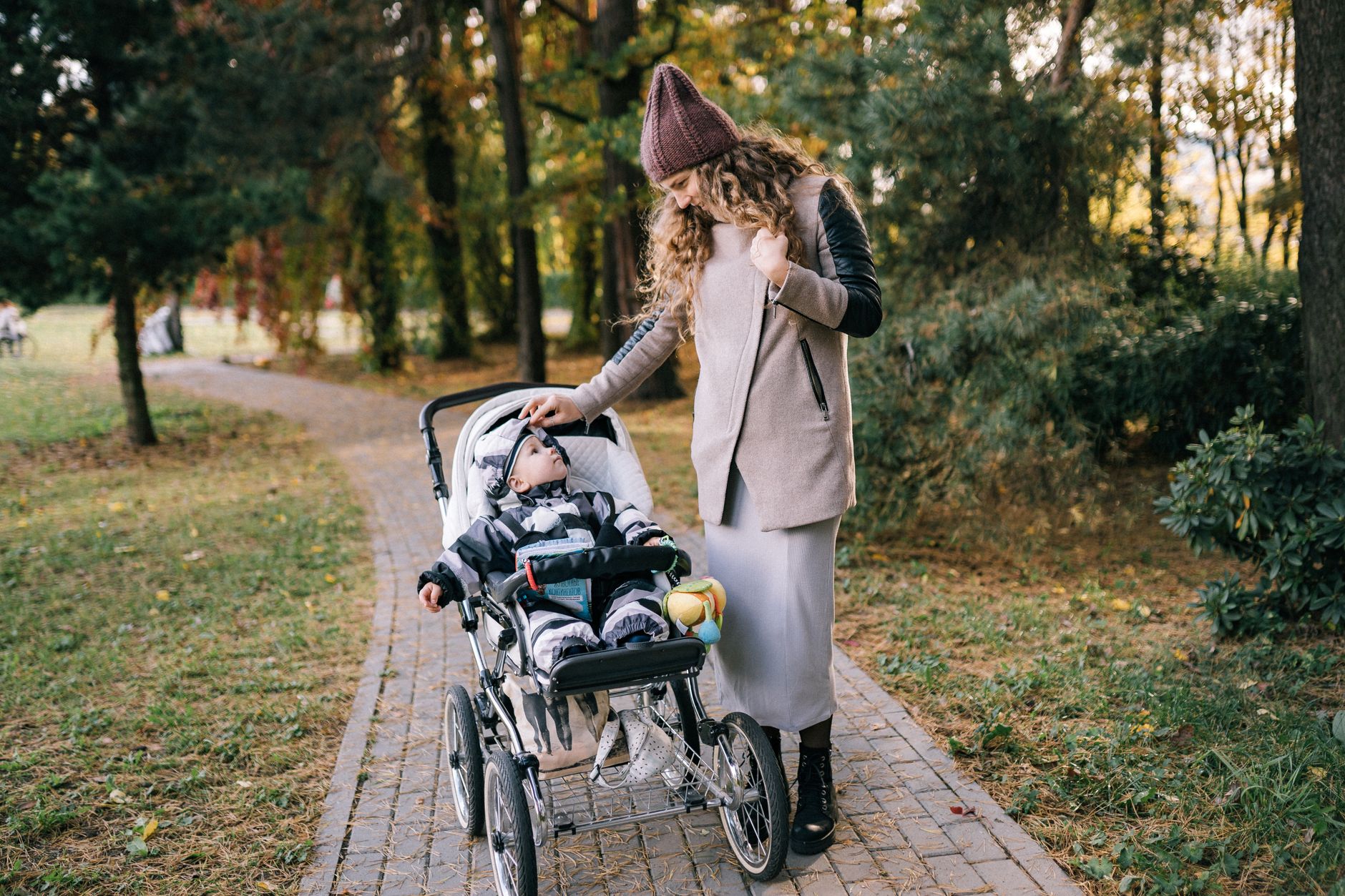
When do you actually go. For most people the honest answer is very early morning, immediately after a handover, or during a childcare window that was meant for something else. Three runs of twenty five minutes is under an hour and a half a week, which is genuinely findable, though not without something else giving way.
The first run outdoors is psychologically harder than it should be. Everybody feels self conscious and nobody is looking. If it helps, run somewhere you know nobody, at a time when few people are out, until the self consciousness fades. It does fade.
Fueling. If you are breastfeeding, you need more food and considerably more water than you think, and underfueling is a common reason for feeling terrible on runs. Eat something before an early run even if you do not feel like it.
Sleep. Running on badly broken sleep is harder and recovery is slower. On a truly bad night, walk instead of running. That is not skipping, it is adjusting, and it is what keeps the habit alive across months rather than weeks.
Setbacks. You will lose weeks to illness, teething and childcare collapse. When you come back after two weeks off, drop back one week in the plan and continue. When you come back after a month, drop back three weeks. Nothing is lost.
If You Are Running in the UK
The NHS Couch to 5K app is free, well structured and genuinely one of the best beginner running programs available anywhere, which makes the choice of plan easy for British runners.
parkrun is the other significant advantage. Free, timed five kilometer events every Saturday morning at hundreds of locations, open to all paces including walkers, with no requirement to run the whole thing. Having a free weekly event as a target transforms the motivation for a lot of people, and the culture is genuinely welcoming rather than competitive.
For shoes, independent running shops across the UK offer free gait analysis and are considerably more useful than buying online. Expect to pay £90 to £140 for a good pair, with previous season models often discounted heavily.
Pelvic health physiotherapy is available on the NHS in many areas, with self referral possible in some trusts, though waiting times vary considerably by region. Ask your GP or health visitor directly rather than assuming it is not available. Privately it runs around £60 to £100 per session.
Do’s and Don’ts: Returning to Running After Birth
| Do's | Don'ts | |
|---|---|---|
| 1 | Wait until at least three months postpartum for impact | Start running at the six week check because you were cleared |
| 2 | Build eight to twelve weeks of strength work first | Go straight from walking to running intervals |
| 3 | Run the readiness checks before your first run | Assume feeling fine at rest means ready for impact |
| 4 | Get assessed by a pelvic health physiotherapist | Treat leaking during running as normal and carry on |
| 5 | Get gait assessed and buy properly fitted shoes | Run in old shoes that may no longer fit your feet |
| 6 | Buy a proper high impact encapsulation sports bra | Run in a stretched pull on compression crop |
| 7 | Repeat weeks of the plan whenever you need to | Push through a week because the schedule says so |
| 8 | Stop for joint pain and rest a few days | Run through pain that is in a joint rather than a muscle |
| 9 | Eat and drink more if you are breastfeeding | Run early on an empty stomach and feel terrible |
| 10 | Walk instead of running after a very bad night | Force a run on no sleep and lose a week to fatigue |
| 11 | Establish running before adding a stroller | Learn to run while pushing a buggy uphill |
| 12 | Drop back a week or two after a break and continue | Restart from week one and lose heart |
FAQs
How long after giving birth can I start running?
Pelvic health specialists generally suggest around three months postpartum as the earliest sensible return to impact for most women, and often longer, with readiness mattering more than the date. The six week check clears you for general activity, not specifically for high impact exercise. Before running, you should be able to walk briskly for thirty minutes, balance on one leg, complete single leg strength exercises, and hop and jog on the spot without leaking, pressure or pain. If any of those cause symptoms, spend more time on strength work first.
Why do I leak when I run after having a baby?
Because the pelvic floor manages the repeated impact load of running and has not yet recovered enough strength and coordination to do so. It is extremely common and it is also treatable rather than something to accept permanently. Stop running, and seek assessment from a pelvic health physiotherapist, who can identify whether the issue is weakness, tension or coordination and give you the specific work that resolves it. Continuing to run through leaking generally makes it take longer to fix.
Do I need new running shoes after pregnancy?
Very possibly. Feet frequently change during pregnancy, both in size and in arch height, because of hormonal changes to ligaments and the additional load carried, and for many women these changes are permanent. Your previous shoes may now be the wrong size or the wrong support type. Get your gait assessed at a specialist running shop, which is free at most independent retailers, before assuming your old pair still works.
How long does Couch to 5K really take?
The standard program is nine weeks with three runs a week, but for postpartum runners a realistic expectation is twelve to sixteen weeks, because repeating weeks is normal and sensible. There is no benefit to finishing on schedule and considerable benefit to arriving at the end without injury. Illness, teething and childcare disruption will also cost you weeks, and the plan absorbs that fine as long as you drop back slightly when you return rather than restarting entirely.
Can I run with a stroller?
Yes, with two caveats. Use a stroller designed for running, which means a fixed front wheel rather than a swivel one, and check the manufacturer’s minimum age guidance, which is typically around six months for jogging. Running with a stroller is meaningfully harder than running alone and changes your posture and arm mechanics, so establish your running first and add the stroller once you are comfortably running continuously. Alternating hands on the handle helps avoid one sided strain.
What should I do if I can only run once a week?
Run once a week and add walking on other days. Progress will be slower but it will still be progress, and a habit maintained at low frequency is far easier to build up than one that has stopped. If your available time is genuinely one session, consider prioritizing strength work over running for a period instead, since strength work delivers more benefit per session at this stage and makes the running easier when you do have more time.
Is running safe while breastfeeding?
Yes. Exercise does not reduce milk supply, though inadequate food and fluid intake can, and running increases your needs for both meaningfully. Eat before you run and drink more than usual across the day. Some babies briefly object to the taste of milk immediately after intense exercise due to lactic acid, which is harmless and resolves within an hour or so. A well fitted, supportive sports bra makes the experience considerably more comfortable, particularly if you feed shortly before running.
What if running just makes me miserable?
Then do something else, honestly. Running is one option among many and it suits some people and not others. Brisk walking delivers a large proportion of the cardiovascular benefit with none of the impact load, which is particularly relevant postpartum. Swimming, cycling and strength training are all excellent. The best exercise is the one you will still be doing in a year, and there is no obligation to run just because it is free and popular.
You Might Also Like
- Walking for Weight Loss: The Underrated Mom Workout
- Pelvic Floor Exercises Every Mom Should Know
- Postnatal Fitness at Home: Which 15 Minute Routine and Kit Actually Work?
- Active Mom Basics That Actually Last: Leggings, Sports Bras and Trainers Worth Buying
- Postpartum Body Image: Making Peace With Your Shape