Smartwatches and trackers compared on what they actually tell you about broken sleep and stress. Apple, Garmin, Fitbit, Oura and Whoop, with US and UK pricing.
For about four months I wore a tracker that told me every single morning that my sleep had been poor. Thank you, I would think, standing in the kitchen at 6am having been awake at 11pm, 1:40am and 4:15am. I am aware.
That is the trap with these devices and it is worth naming before spending several hundred dollars. A wearable that only measures things is a device that will confirm what you already know in a slightly demoralizing way. A wearable that is genuinely useful does one of two things. It tells you something you could not otherwise know, such as how your body is recovering across weeks rather than nights. Or it changes a behavior, by prompting movement, tracking a habit or nudging a bedtime. Everything else is data collection for its own sake. Here is which devices do the useful version, and which metrics are worth paying attention to.
The Metrics That Actually Mean Something
Heart rate variability, or HRV. The variation in time between heartbeats, which broadly reflects how your nervous system is coping with load. This is the single most useful metric on a modern wearable, not because any individual number means much, but because your own trend over weeks tells you whether you are accumulating stress or recovering from it. Never compare your HRV to anyone else’s, the individual variation is enormous.
Resting heart rate. Simple, reliable, and a good early signal. A resting heart rate several beats above your normal baseline for a few days usually means illness, poor sleep, alcohol or stress. It is often the first thing to change before you feel anything.
Sleep duration and consistency. Duration is measured reasonably accurately by most devices. Sleep staging, the breakdown into light, deep and REM, is considerably less accurate on consumer wearables than the confident charts suggest, and should be treated as an approximation rather than a measurement.
Steps and daily movement. Unglamorous, accurate, and probably the most behavior changing metric on any device. Most people underestimate how sedentary a day at home with a baby can be, and a step count corrects that assumption fast.
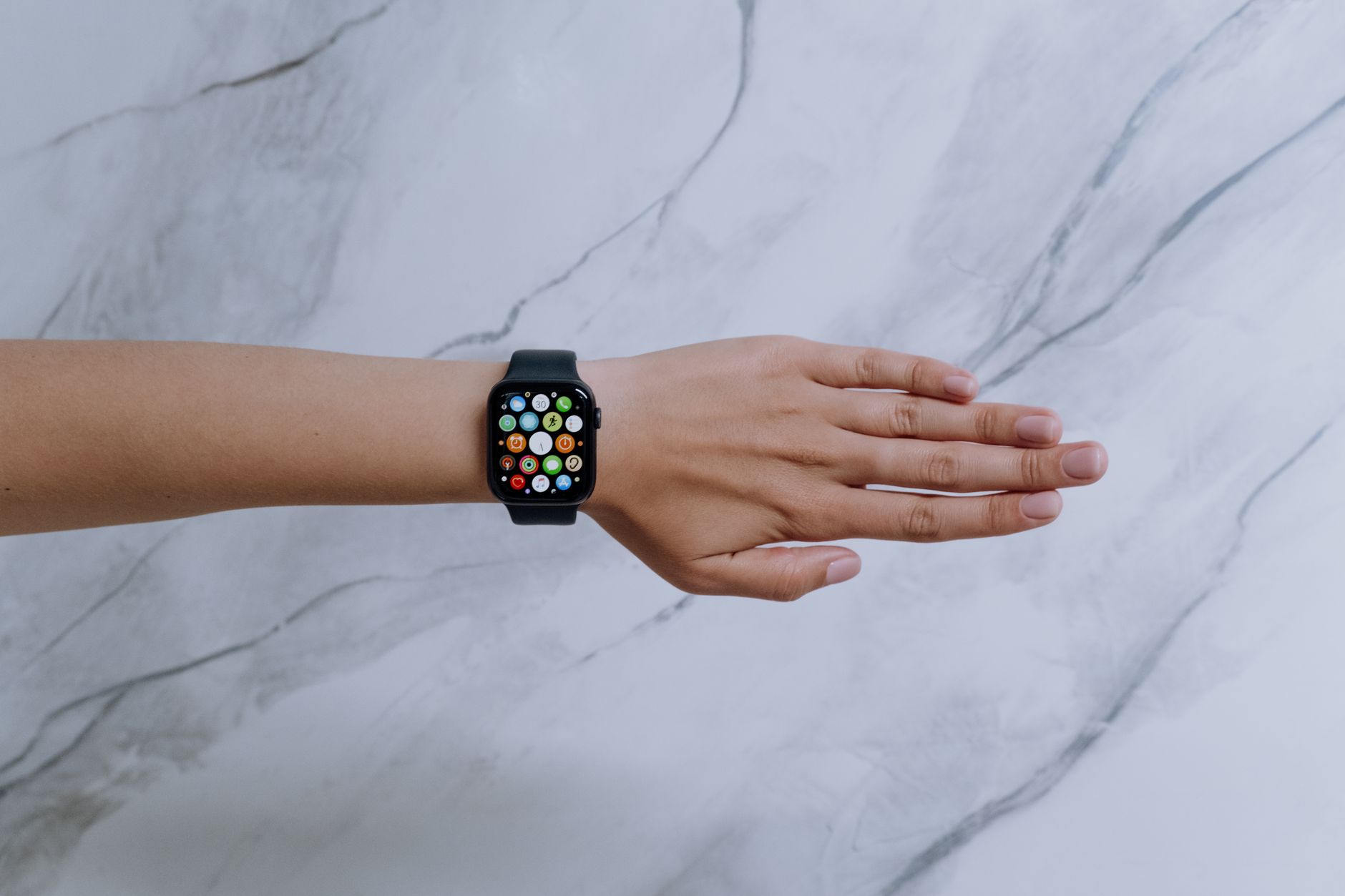
Skin temperature. Increasingly available and genuinely useful for spotting illness early and, for some people, for cycle tracking.
What to largely ignore. Calorie burn estimates, which are wildly inaccurate on all consumer devices. Single day scores treated as verdicts. And any metric that makes you feel worse without suggesting an action.
The Devices Compared
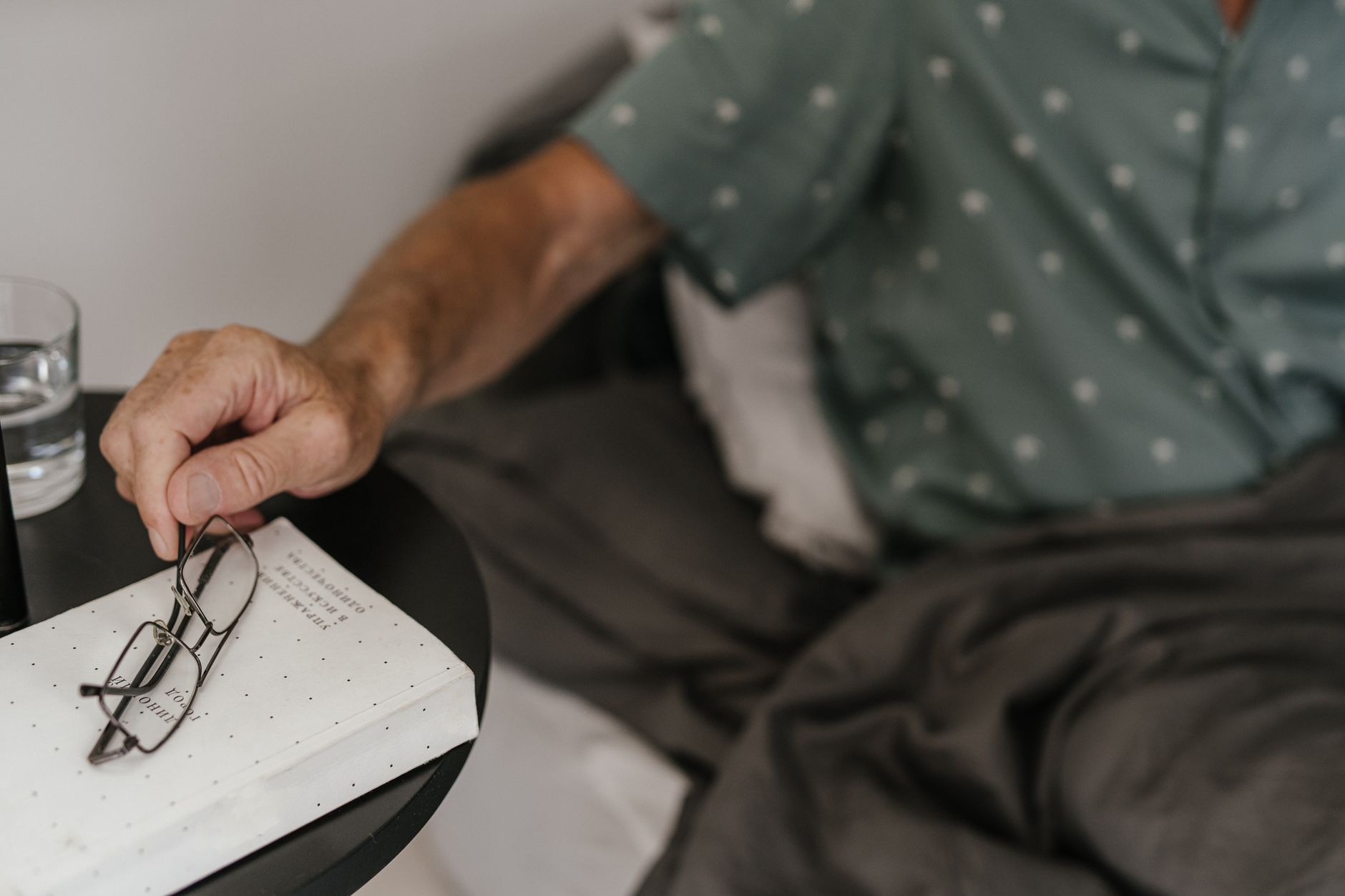
Apple Watch, from around $249 for the SE to $399 and up for the Series, or roughly £219 to £399 in the UK. The best general purpose smartwatch if you have an iPhone, and the ecosystem integration is what makes it. Notifications on your wrist rather than reaching for a phone is genuinely useful when your hands are full. Sleep tracking is adequate rather than excellent, and battery life of around eighteen to thirty six hours means charging daily, which is the main practical drawback for sleep tracking. Best for someone who wants a watch that does everything, with health as one part of it.
Garmin, from around $199 to $500 or £179 to £450 depending on the model. The best battery life by a wide margin, with many models running one to two weeks between charges, which makes consistent sleep tracking actually practical. Their Body Battery metric, which combines HRV, stress and activity into a single energy estimate, is the most intuitively useful summary of any device here and it correlates surprisingly well with how you actually feel. Best for anyone who wants recovery insight without charging every night.
Fitbit, from around $99 for a band to $250 for a watch, or £79 to £220. The most accessible entry point and still the best value for basic tracking. Sleep tracking is good, the app is friendly, and the daily readiness features require a premium subscription, which is worth knowing before you buy. Best for anyone who wants step counting and sleep duration without spending much.
Oura Ring, around $349 to $499 plus a subscription of roughly $5.99 monthly, or £299 to £449 plus subscription. A ring rather than a watch, which matters more than it sounds. It is comfortable to sleep in, does not catch on a baby’s face, and produces the most consistently praised sleep and recovery data in the consumer market. No screen, no notifications, no distraction. The subscription is a genuine ongoing cost and the ring needs replacing every few years. Best for someone focused specifically on sleep and recovery who does not want a screen on their wrist.
Whoop, subscription only at around $199 to $359 per year including the hardware, or similar in sterling. Screenless band focused entirely on strain and recovery, with no step counting or notifications. The recovery coaching is the best in the category if you train seriously. For someone whose main variable is broken sleep rather than training load, it is arguably more device than the situation requires.
Samsung Galaxy Watch, around $199 to $399 or £179 to £369. The Android equivalent of the Apple Watch, with good sleep tracking and strong general features. Best for Android users.
| Device | Price (US) | Price (UK) | Battery | Subscription | Sleep tracking | Best for |
|---|---|---|---|---|---|---|
| Apple Watch | $249 to $399 plus | £219 to £399 plus | 18 to 36 hours | No | Adequate | iPhone users wanting everything |
| Garmin | $199 to $500 | £179 to £450 | 1 to 2 weeks | No | Very good | Recovery insight, long battery |
| Fitbit | $99 to $250 | £79 to £220 | 5 to 10 days | For premium features | Good | Best value basic tracking |
| Oura Ring | $349 to $499 plus $5.99 monthly | £299 to £449 plus subscription | 4 to 7 days | Yes | Excellent | Sleep focus without a screen |
| Whoop | $199 to $359 yearly | Similar in sterling | 4 to 5 days | Subscription only | Very good | Serious training recovery |
| Samsung Galaxy Watch | $199 to $399 | £179 to £369 | 1 to 2 days | No | Good | Android users |
The Broken Sleep Problem Nobody Designs For
Here is the specific issue. Almost every sleep algorithm was designed around the assumption of one continuous sleep period. Waking three times a night to feed or settle a child produces data these devices handle inconsistently, and different devices disagree considerably about the same night.
Practical implications. Fragmented nights often show as artificially low deep sleep, which may or may not reflect reality. Some devices log a night ending at the first long waking, which then skews everything. And a nap during the day, which is often how parents actually recover, is frequently not counted at all.
What to do about it. Look at total sleep across twenty four hours rather than the overnight figure, and count naps deliberately if your device allows it. Watch trends across a fortnight rather than reacting to single nights. And pay more attention to resting heart rate and HRV trends than to the sleep score, because those are measured more directly and are less dependent on algorithmic guesswork.
Most importantly, if the data is making you anxious about sleep you cannot currently control, turn the sleep notifications off and keep the step counting. That is a completely legitimate way to use one of these devices and it removes the main psychological cost.
What I Actually Changed Because of the Data

Three things, and only three, in two years of wearing something.
I started walking considerably more, because seeing three thousand steps at 4pm on a day at home was a genuine surprise and an easy thing to fix. This is the single most common useful outcome people report and it is worth the price of a basic tracker alone.
I noticed that my HRV dropped consistently for two or three days before I got ill, every time, which gave me enough warning to cancel things rather than pushing through and making it worse.
I moved my bedtime earlier by about forty minutes, because the consistency data made it obvious that going to bed at 11:40pm to get some time to myself was costing more than the time was worth. That was an unwelcome conclusion and a correct one.
Everything else was interesting and changed nothing. Which is the honest ratio, and worth knowing before you spend four hundred dollars.
If You Are Buying in the UK
All the major devices are fully available in the UK with local warranty and support, and the sterling prices above reflect typical retail. Amazon UK, Argos and Currys all discount Fitbit and Garmin regularly, and previous generation models offer the best value since the year on year improvements in this category are modest.
Two British specific notes. Subscription costs for Oura and Whoop are charged in sterling at broadly equivalent numbers, which makes them proportionally more expensive than in the US, so factor the ongoing cost across three years rather than looking at the hardware price alone. And UK retailers are generally good on the fourteen day distance selling return window, which is enough time to test whether a device actually tells you anything you did not know.
If you have an NHS smartwatch or activity referral through a local health scheme, some areas provide subsidised devices as part of health improvement programmes, which is worth asking your GP surgery about before buying.
Do’s and Don’ts: Buying a Wearable
| Do's | Don'ts | |
|---|---|---|
| 1 | Decide what behavior you want to change first | Buy the most featured device and hope it helps |
| 2 | Prioritize long battery life for sleep tracking | Expect to charge a watch nightly and still track sleep |
| 3 | Consider a ring if you sleep with a baby nearby | Wear a hard cased watch that catches small faces |
| 4 | Watch HRV and resting heart rate trends over weeks | Treat a single night's sleep score as a verdict |
| 5 | Count daytime naps toward total sleep | Judge recovery on the overnight figure alone |
| 6 | Factor subscription costs across three years | Compare hardware prices while ignoring subscriptions |
| 7 | Use step count as the main behavior changing metric | Take calorie burn estimates seriously |
| 8 | Turn off sleep notifications if they cause anxiety | Keep receiving daily reminders that your sleep is poor |
| 9 | Buy previous generation models to save money | Pay full price for marginal year on year updates |
| 10 | Check ecosystem compatibility before buying | Buy an Apple Watch with an Android phone |
| 11 | Use the return window to test whether it tells you anything | Keep a device you check once a week out of guilt |
| 12 | See a doctor about persistent exhaustion | Rely on a wearable to diagnose why you feel awful |
FAQs
Which smartwatch is best for tracking broken sleep?
Devices with long battery life handle this best, because you can wear them continuously without a charging gap. Garmin models lasting one to two weeks and the Oura Ring lasting four to seven days are the practical choices. Oura in particular is widely considered the strongest for sleep specifically, and being a ring it is comfortable to sleep in and will not catch on a baby. Be aware that all sleep algorithms are designed around continuous sleep and handle fragmented nights inconsistently, so trends over a fortnight are more meaningful than any single night.
What is HRV and why does it matter?
Heart rate variability measures the variation in time between consecutive heartbeats, which broadly reflects how your nervous system is balancing stress and recovery. Higher variability generally indicates better recovery capacity. The number itself is close to meaningless in isolation, because individual variation is enormous, but your own trend over weeks is genuinely informative. A sustained decline usually reflects accumulated stress, poor sleep, illness or overtraining, and it often shows up before you consciously notice feeling worse.
Is an Oura Ring better than a smartwatch?
For sleep and recovery specifically, most reviewers rate it above wrist worn devices, and the form factor is a real advantage if you have a baby who grabs at things or if you find watches uncomfortable to sleep in. What you give up is a screen, notifications, live workout metrics and step count display, all of which a smartwatch provides. There is also an ongoing subscription and the ring needs replacing every few years. Choose it if sleep and recovery are your priority and you do not want a screen.
Do fitness trackers accurately measure sleep stages?
Sleep duration is measured reasonably accurately by most modern devices. Sleep staging, the breakdown into light, deep and REM sleep, is considerably less accurate than the confident charts imply, because consumer devices infer stages from movement and heart rate rather than measuring brain activity. Treat staging as a rough approximation and a trend indicator rather than a measurement. Total sleep time and consistency of bedtime are both more reliable and more actionable.
Is a tracker worth it if I already know my sleep is bad?
Only if it changes something. If you are wearing it to confirm that broken sleep is broken, it will simply make you feel worse each morning. Where these devices genuinely earn their cost is in step counting, which reliably changes behavior, and in HRV and resting heart rate trends, which can warn you about illness and accumulated stress before you notice. If you buy one, consider turning sleep notifications off and keeping the movement tracking, which is a perfectly sensible way to use it.
What is the best budget option?
A basic Fitbit band at around a hundred dollars or eighty pounds covers steps, heart rate, sleep duration and basic activity tracking, which is most of the genuinely useful functionality. The advanced recovery features sit behind a premium subscription, which is worth checking before buying. Previous generation Garmin models also drop substantially in price and offer excellent battery life, which makes them a strong value option for anyone prioritizing consistent wear.
Can a smartwatch help with stress?
Indirectly. It can show you patterns, such as HRV declining across a stressful fortnight, and many devices offer guided breathing prompts that some people find useful. What it cannot do is address the causes, and there is a real risk that stress metrics themselves become another thing to feel anxious about. If you find yourself checking a stress score repeatedly through the day, that device is adding to the problem rather than helping, and turning that feature off is the right response.
Should I be worried if my recovery scores are always low?
Not worried, but it is worth taking as information. Consistently low recovery scores across months, alongside genuine exhaustion, warrants a conversation with your doctor rather than a change of device, because persistent fatigue has many possible causes worth ruling out including thyroid function and iron levels. A wearable is not a diagnostic tool. What it can usefully do is give you a concrete pattern to describe when you do see someone, which is more helpful than trying to summarize how you have felt for six months.
You Might Also Like