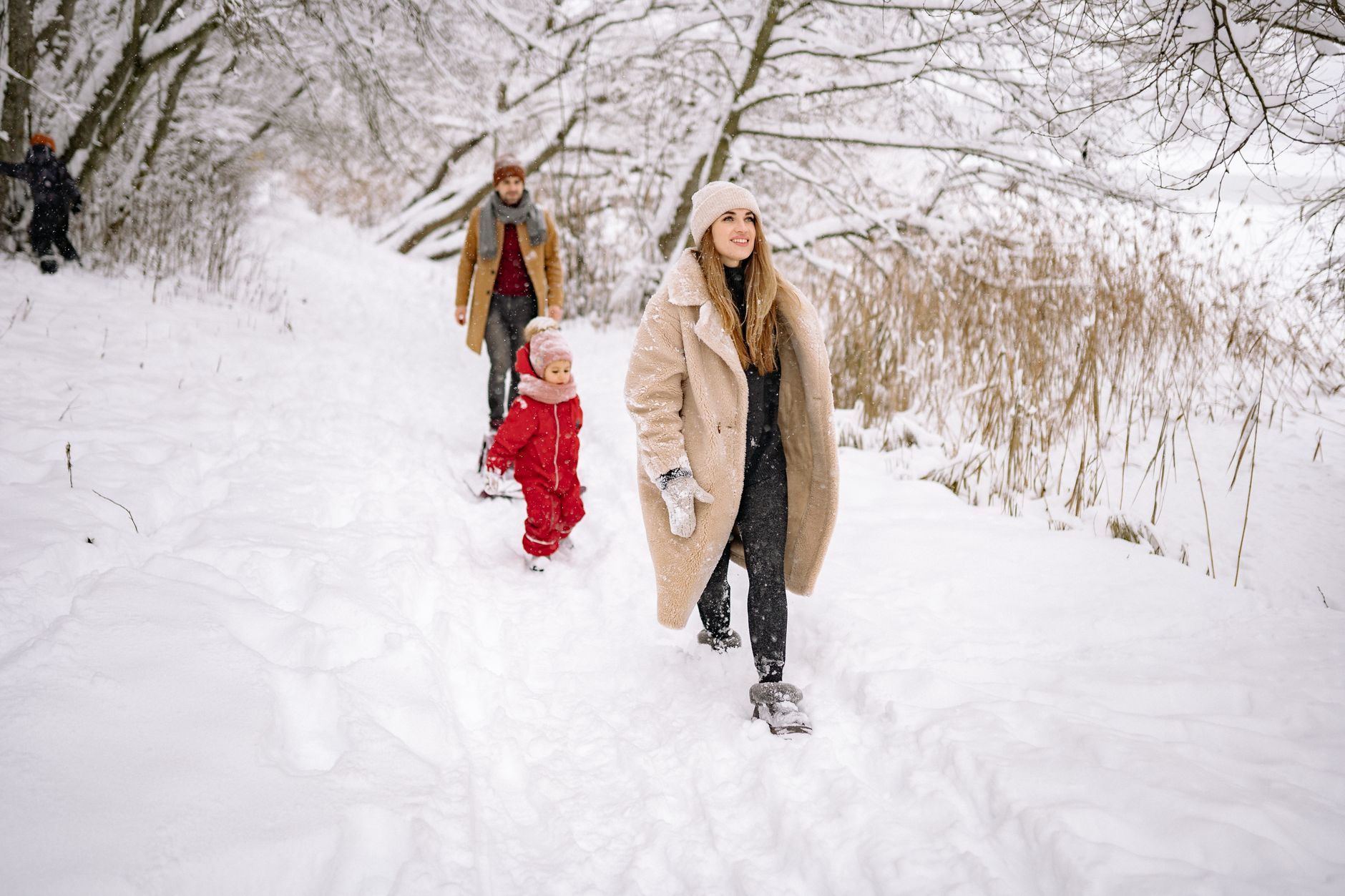
How to take a family skiing without the luxury price tag. Where to go, what to rent versus buy, real costs per person and the mistakes first timers make.
The first thing anyone told me about taking children skiing was how expensive it is, and they were right in a way that turned out to be unhelpfully vague. The cost is not one big number. It is roughly eleven medium sized numbers, and about four of them are avoidable if you know which ones they are before you book rather than after.
Our first family ski trip cost close to double what it should have because I booked in the wrong week, rented equipment at the resort instead of in advance, bought a full set of children’s clothing that was outgrown by the following winter, and paid for private lessons when group lessons would have been better for a five year old anyway. The second trip cost considerably less and was more enjoyable. Here is everything I would tell someone booking their first one.
Where the Money Actually Goes
Six categories, in rough order of size.
Accommodation and travel, typically forty to fifty percent of the total. The single biggest lever, and almost entirely determined by which week you book.
Lift passes, around fifteen to twenty percent. Children under a threshold age ski free or heavily discounted at many resorts, and that threshold varies enormously, from under five in some places to under twelve in others.
Equipment rental, around ten to fifteen percent. Booking online in advance rather than at the resort desk typically saves twenty to forty percent.
Lessons, around ten to twenty percent depending on how many children and whether group or private.
Clothing, a one off but substantial cost, and the one most often overbought.
Food and everything else, which is where resort choice matters most. Self catering accommodation with a supermarket nearby versus eating on the mountain three times a day is a difference of hundreds across a week.
Choosing a Resort That Suits Beginners and Budgets
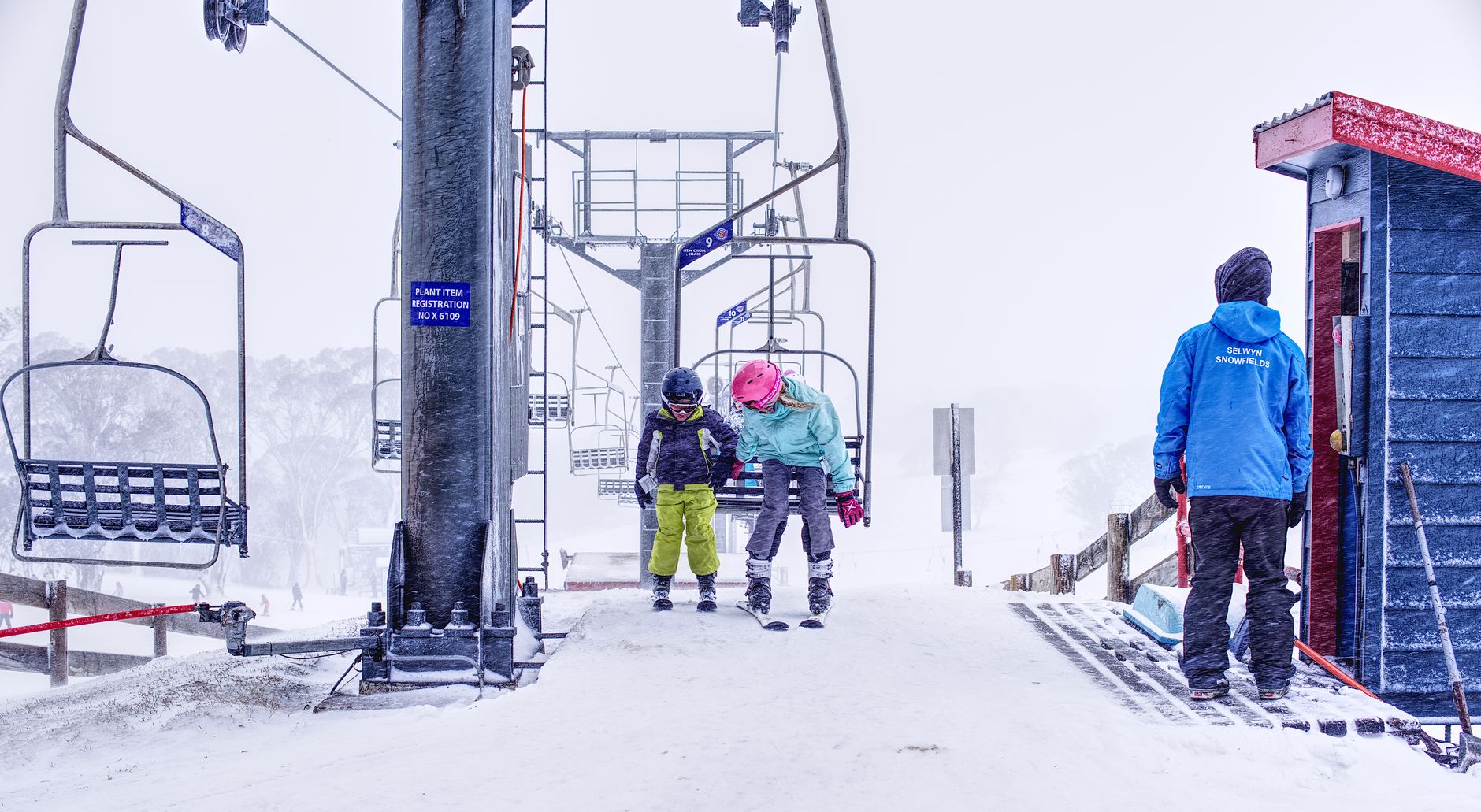
Look for a village that is walkable to the beginner slopes. With small children, a resort where you can walk from your accommodation to the nursery slopes in ten minutes is worth more than any amount of advanced terrain. Carrying equipment plus children onto a bus twice a day is the fastest route to nobody wanting to go again.
Prioritize a big beginner area over a big resort. First timers use a tiny fraction of a large ski area, and lift passes for large areas cost considerably more. A smaller resort with a good nursery slope, a gentle green area and a couple of easy blues is a better and cheaper first trip.
Check the free or discounted child age for lift passes. This varies widely enough to change your destination. Some resorts offer free passes for under fives or under sixes, and a few smaller ones extend it further. Andorra, Bulgaria, parts of Italy and smaller French and Austrian resorts consistently come in cheaper than the marquee names.
Consider a resort with childcare or a full day ski school. Full day ski school covering lunch means adults get actual skiing time, which is what most parents actually want from the holiday and rarely admit.
Lower altitude means cheaper and warmer, with more snow risk. For a first trip in the depths of the season, that trade is usually acceptable. For an Easter trip, altitude matters considerably more.
Rent or Buy: The Honest Breakdown
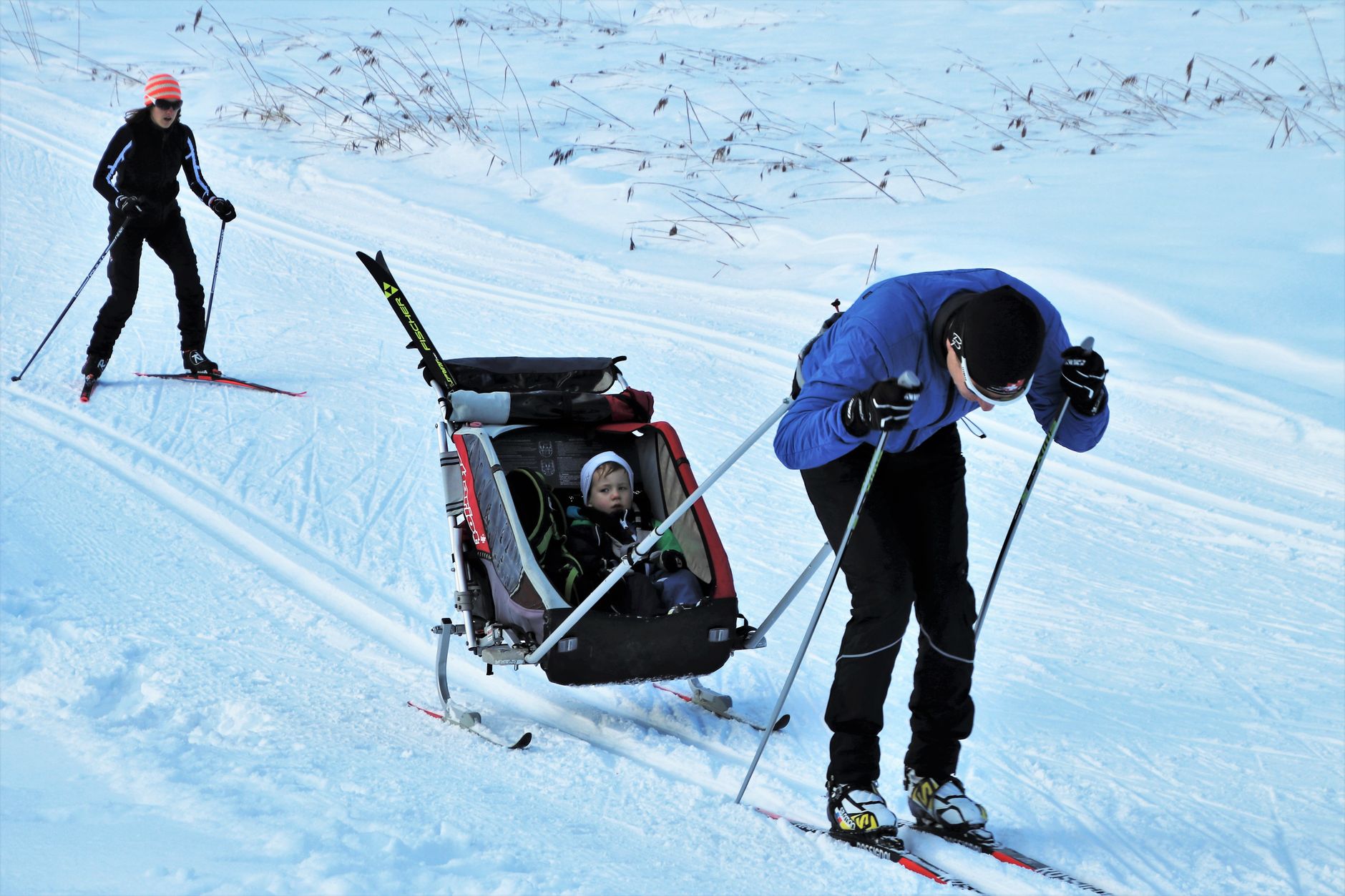
Always rent skis, boots and poles for children. Feet grow, ability changes, and rental shops swap equipment mid week free of charge if something is wrong. Buying children’s skis makes sense only if you go several times a season.
Always rent skis and boots for adult beginners. You do not yet know what you like and boots are the part that ruins holidays if fitted badly. A shop fitting is worth more than ownership.
Buy helmets if you go more than once. Rental helmets are fine and hygienic but a well fitted own helmet is more comfortable, and children will wear a comfortable one without argument. Look for a helmet meeting the recognised safety standard for your market, and replace after any significant impact.
Buy goggles rather than renting. Cheap, personal, and rental goggles are frequently scratched.
Clothing is where to be strategic. Buy a jacket and salopettes second hand for children, because they will be outgrown within a season or two and the second hand market for ski clothing is excellent. Buy base layers new since they are cheap. Borrow where you can, because most families with older children have a cupboard of outgrown ski clothing they would happily hand over.
Never buy anything on the mountain. Resort retail pricing is roughly double what the same item costs at home or online.
| Item | Rent or buy | Typical cost (US) | Typical cost (UK) | Notes |
|---|---|---|---|---|
| Children's skis, boots and poles | Rent | $70 to $130 per week | £55 to £105 per week | Book online in advance to save |
| Adult skis and boots, beginner | Rent | $110 to $200 per week | £90 to £160 per week | Boot fitting matters most |
| Helmet | Buy if going twice or more | $40 to $90 | £30 to £70 | Check the safety standard, replace after impacts |
| Goggles | Buy | $25 to $70 | £20 to £55 | Rental goggles are often scratched |
| Children's jacket and salopettes | Buy second hand | $40 to $80 used | £30 to £65 used | Outgrown within a season or two |
| Base layers and ski socks | Buy new | $30 to $60 | £25 to £50 | Cheap, and fit matters |
| Group ski school, five mornings | Book in advance | $180 to $350 | £150 to £280 | Better than private for young beginners |
| Child lift pass | Check age thresholds | $0 to $250 per week | £0 to £200 per week | Free ages vary enormously by resort |
The Timing Decision That Saves the Most
School holiday weeks, particularly February half term and the weeks around Christmas and New Year, cost dramatically more than the weeks either side. The difference can be forty to sixty percent on accommodation alone, which on a family trip is often more than a thousand dollars or pounds.
If your children are not yet in compulsory school, take the trip in January or late March and save enormously. Once they are in school, look at the very start of January after the New Year peak, and the second half of March, both of which are considerably cheaper than half term while still having reliable snow at moderate altitude.
Booking timing matters less than week timing but still matters. Early booking, typically before the end of September, and very late booking within three weeks of departure, are both usually cheaper than the middle. Late booking with children is risky if you need specific ski school places, which sell out.
The Mistakes First Timers Make
Booking private lessons for a five year old. Group lessons are frequently better for young children, because they learn from watching peers and the sessions are structured as play. Private lessons are worth it for nervous older children or for adults wanting to progress fast.
Underestimating how tired everyone will be. Skiing at altitude is exhausting for adults and considerably more so for children. Plan half days for the first two days and one full rest day mid week. Trying to maximize slope time is how a holiday becomes a grind.
Overbuying clothing. One jacket, one pair of salopettes, two base layer sets, three pairs of ski socks, gloves and a neck warmer is enough. Everything else is optional.
Forgetting sun protection. Sun at altitude reflected off snow is much stronger than it feels. High factor sunscreen, lip balm with protection, and proper goggles for everyone.
Not checking travel insurance covers winter sports. Standard policies frequently exclude it, and mountain rescue and medical repatriation costs are genuinely serious. Check before you go rather than assuming.
If You Are Booking from the UK
Package operators remain competitive for British families, since a package bundling flights, transfers, accommodation, and often lift passes and equipment, frequently costs less than assembling the same trip yourself and removes considerable admin.
Andorra, Bulgaria and Italy are consistently the best value destinations from the UK, with Bulgaria typically the cheapest overall including lessons and equipment, and Italy offering better food and comparable pricing. France and Austria cost more but have shorter transfers and stronger ski school infrastructure in English.
Driving to the Alps is genuinely worth considering for a family of four or more, since it removes baggage charges entirely and lets you bring your own equipment and food. Factor in tolls, fuel, an overnight stop and a Channel crossing.
For insurance, check whether your policy covers winter sports and whether a Global Health Insurance Card or equivalent applies in your destination, noting that reciprocal healthcare arrangements do not cover mountain rescue or repatriation. Dedicated winter sports cover is typically a modest addition and worth it.
Do’s and Don’ts: Your First Family Ski Trip
| Do's | Don'ts | |
|---|---|---|
| 1 | Avoid February half term and Christmas weeks if you can | Book peak school weeks and pay up to sixty percent more |
| 2 | Choose a resort walkable to the beginner slopes | Pick a large ski area you will use five percent of |
| 3 | Check the free child lift pass age before choosing a resort | Assume child pass pricing is similar everywhere |
| 4 | Book equipment rental online in advance | Turn up at the resort rental desk on arrival day |
| 5 | Rent skis and boots, buy helmets and goggles | Buy children's skis for one trip a year |
| 6 | Buy children's ski clothing second hand | Buy a full new outfit that will be outgrown |
| 7 | Book group lessons for young beginners | Pay for private lessons for a five year old |
| 8 | Plan half days at first and one rest day mid week | Try to maximize slope time every day |
| 9 | Pack high factor sunscreen and lip protection | Underestimate reflected sun at altitude |
| 10 | Check your insurance explicitly covers winter sports | Assume a standard travel policy includes it |
| 11 | Choose self catering with a supermarket nearby | Eat every meal on the mountain |
| 12 | Book ski school places early, they sell out | Leave lessons to arrange on arrival |
FAQs
What age can children start skiing?
Most ski schools accept children into lessons from around three or four years old, and many resorts run nursery style sessions from three. Younger than that, the experience is generally more about snow play than skiing, and many families find the effort of full ski equipment for a two year old outweighs the benefit. Between four and six is the sweet spot for a genuinely enjoyable first trip, since children have the coordination and attention span for a short lesson and enough stamina to enjoy the rest of the day.
How much does a family ski trip actually cost?
Excluding travel, a week for a family of four in a mid range European resort typically runs somewhere between two and a half and five thousand dollars or pounds, depending overwhelmingly on which week you book. Peak school holiday weeks can be forty to sixty percent more than the weeks either side. Budget destinations such as Bulgaria and Andorra sit at the lower end, while marquee French and Swiss resorts sit well above the upper end.
Should I rent or buy ski equipment for children?
Rent, almost always. Children’s feet and heights change between seasons, their ability progresses quickly, and rental shops will swap equipment mid week at no cost if something is not working. Buying only makes financial sense if you ski several times a season. The exceptions worth buying are helmets and goggles, which are personal, comfortable and cheap enough that ownership pays back over two trips.
Which are the cheapest ski destinations for families?
From the UK and Europe, Bulgaria is consistently the cheapest overall once lessons, equipment and food are included, with Andorra and parts of Italy close behind. Smaller resorts in France and Austria offer better value than the well known names while retaining strong English language ski school provision. In North America, smaller regional mountains are dramatically cheaper than the marquee destination resorts and are frequently better suited to beginners anyway.
Are group or private ski lessons better for children?
Group lessons are usually better for young beginners. Children learn readily from watching peers, sessions are structured as games rather than instruction, and the social element keeps them engaged for longer than one to one attention does. Group lessons are also considerably cheaper. Private lessons are worth the money for nervous or older children who need individual reassurance, for children with specific difficulties, and for adults wanting to progress quickly.
What ski clothing do children actually need?
One waterproof jacket, one pair of salopettes or a ski suit, two sets of thermal base layers, three pairs of proper ski socks worn one pair at a time, waterproof gloves or mittens, a neck warmer and a helmet. Mittens keep small hands warmer than gloves. Avoid cotton anywhere in the layers. That is genuinely the whole list, and buying most of it second hand is sensible given how quickly children outgrow it.
Do I need special travel insurance for skiing?
Almost certainly yes. Standard travel insurance policies frequently exclude winter sports entirely, and skiing carries genuine risk of injury alongside potentially very high mountain rescue, treatment and repatriation costs. Winter sports cover is usually available as an addition at modest cost. Check that it covers off piste skiing if relevant, and be aware that reciprocal healthcare arrangements between countries generally do not cover mountain rescue or repatriation.
How do I stop everyone getting exhausted and miserable?
Plan less than you think. Half days for the first two days while everyone adjusts to altitude and exertion, a full rest day around the middle of the week, and an acceptance that afternoons often work better as swimming, sledging or hot chocolate than as more skiing. Skiing at altitude is genuinely tiring and children hit a wall faster than adults expect. The families who enjoy these trips are almost always the ones doing less than the schedule allows.
You Might Also Like