Bike seats, trailers, tag alongs and cargo bikes compared by child age, weight limits and what actually gets used. Safety rules, real costs and US and UK buying advice.
We bought a bike trailer when my eldest was ten months old and used it four times. It was excellent equipment. It was also enormous, took eight minutes to attach, would not fit through our side gate without turning it on its side, and lived in a shed behind a lawnmower. The barrier was never the cycling. It was the eight minutes and the lawnmower.
Two years later we bought a rear mounted seat that stays permanently on the bike, and we ride most weekends. Same family, same enthusiasm, entirely different outcome, determined almost completely by how long it takes to get out of the door. That is the lens I would apply to everything in this article. The best option for you is not the safest or the most versatile in the abstract, it is the one you will actually use on a Saturday morning when the window is forty minutes long.
The Options by Child Age
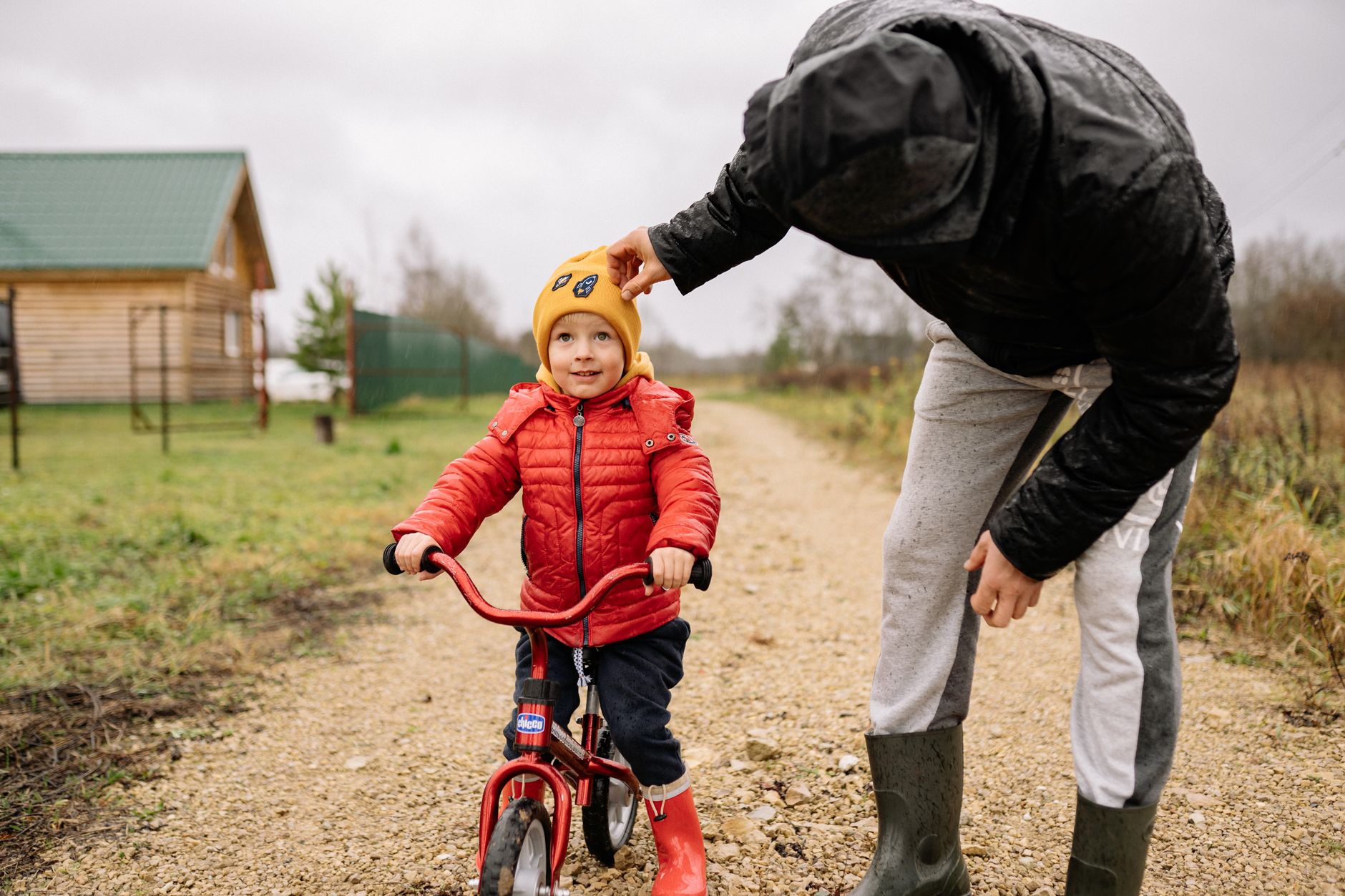
Front mounted seats, roughly nine months to three years, up to about fifteen kilograms. The child sits between your arms, which is delightful for conversation and visibility. Weight limits are lower and they affect handling more than rear seats. Best for the youngest end.
Rear mounted seats, roughly nine months to five or six years, up to about twenty two kilograms. The default choice and the one most families end up with. Attaches to the frame or a rack, stays on permanently, and takes seconds to load a child into.
Trailers, roughly twelve months upward, some with infant inserts from six months. Two children fit in most, they carry shopping, they are weatherproof, and they are considerably safer in a fall because they stay upright. They are also large, slow to attach and awkward to store, which is what determines whether they get used.
Tag alongs and trailer bikes, roughly four to nine years. A half bike that attaches to yours, letting a child pedal without steering or braking. Excellent bridge between passenger and independent rider.
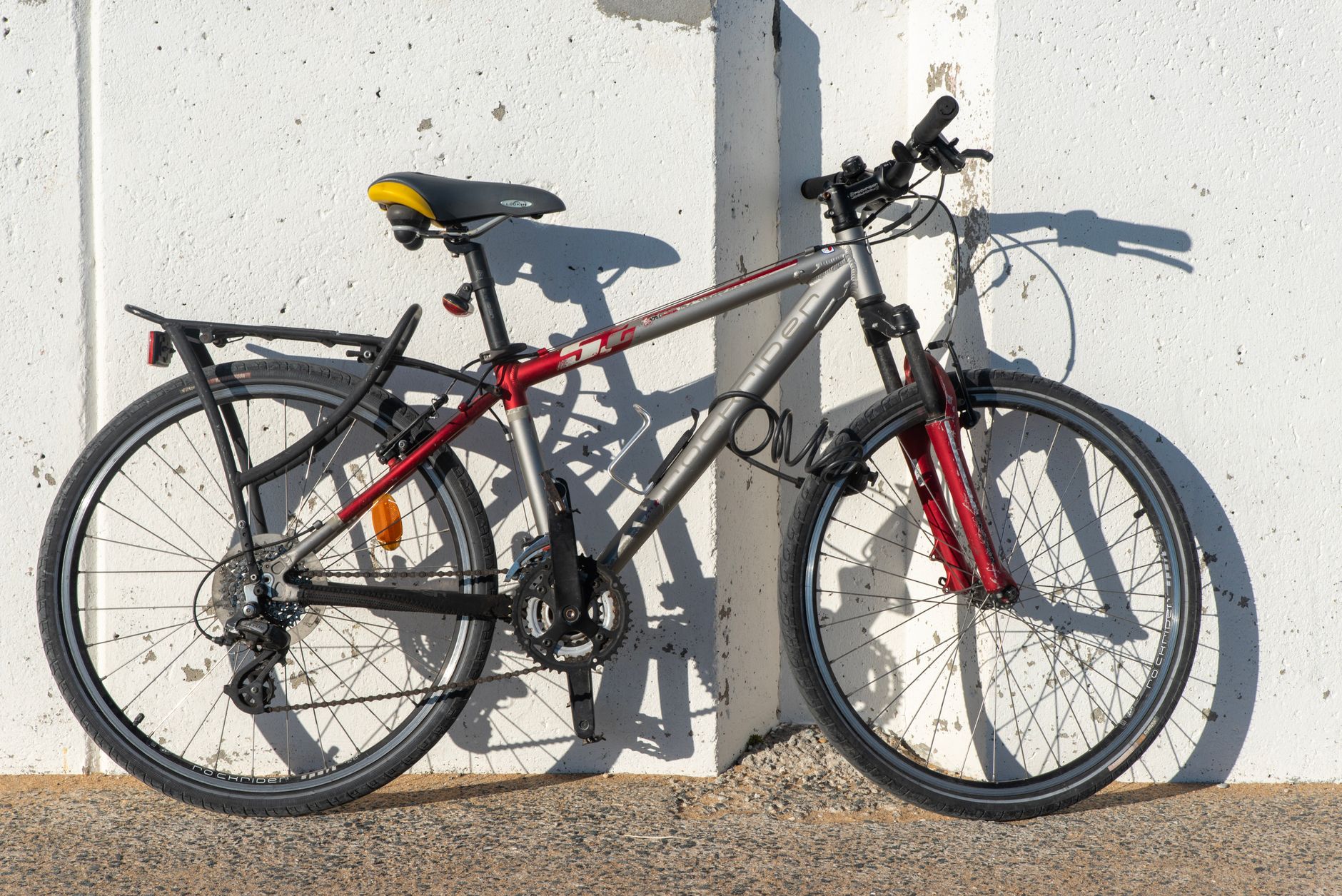
Cargo bikes, from around nine months to school age. The comprehensive solution and the expensive one. Front box or long tail designs carry one to three children plus shopping. Genuinely transformative for urban families who use them daily, hard to justify for occasional weekend rides.
Their own bike with a tow rope or a following adult, from around five. The endpoint, and the point at which cycling becomes an outing rather than a logistics exercise.
Safety, Properly
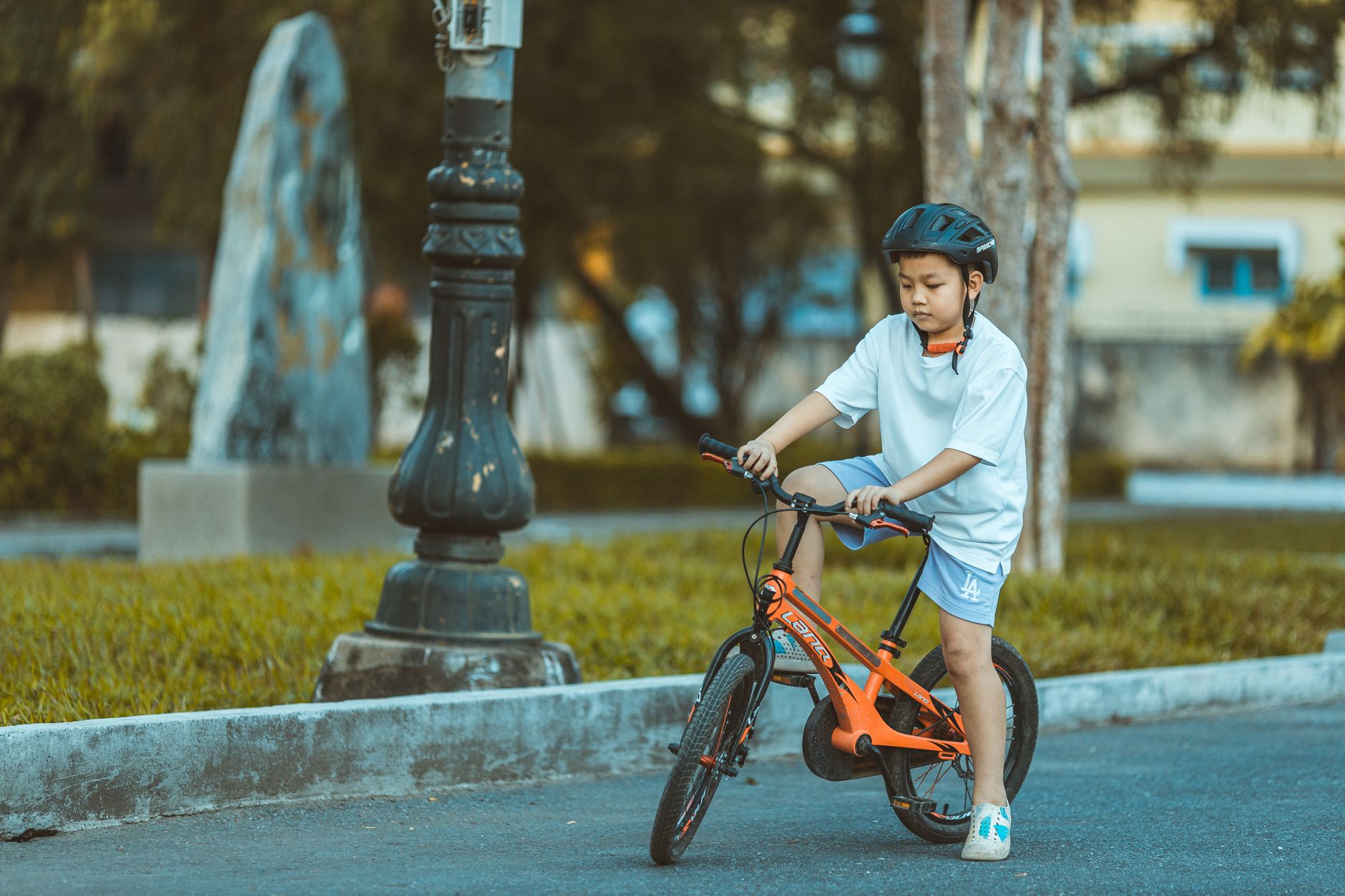
This is the section to actually read.
Age and readiness. Guidance across most manufacturers and safety bodies is that children should be at least nine to twelve months old and able to sit unsupported and hold their head up steadily while wearing a helmet before riding in a bike seat. That last part matters, because a helmet adds weight to a head that is proportionally heavy already. Some paediatric bodies advise waiting until twelve months. If you are unsure about your child’s readiness, ask your paediatrician or health visitor rather than going by the label alone.
Helmets, always, for everyone. A correctly fitted helmet meeting the recognised safety standard for your market, sitting level with about two finger widths above the eyebrows, with the straps forming a V under the ears and the chin strap snug. Replace after any impact and roughly every five years regardless. Children copy adults, so wear yours.
Check the weight limit and the frame compatibility. Seats have maximum child weights and bikes have maximum load ratings. Rear rack mounted seats need a rack rated for that load, and frame mounted seats need appropriate frame tube shape and clearance. Full suspension and some carbon frames are frequently incompatible.
Foot and spoke protection. Any rear seat must have foot straps and a wheel guard. Feet in spokes is a genuine and preventable injury.
Handling changes significantly. Twenty kilograms high and behind you alters balance, braking distance and cornering considerably. Practise without the child first, and mount the bike against a wall or with the seat supported until you are confident.
Never ride with a child in a seat on a bike you cannot comfortably stand over and stop.
What Each Option Actually Costs
| Option | Child age | Weight limit | Price (US) | Price (UK) | Setup time | Best for |
|---|---|---|---|---|---|---|
| Front mounted seat | 9 months to 3 years | Around 15 kg | $90 to $200 | £70 to £160 | Seconds, stays on | Youngest riders, conversation |
| Rear mounted seat | 9 months to 5 or 6 years | Around 22 kg | $90 to $250 | £70 to £200 | Seconds, stays on | Most families, most of the time |
| Trailer | 12 months upward | Around 45 kg for two | $200 to $700 | £160 to £600 | Several minutes | Two children, weather, shopping |
| Tag along | 4 to 9 years | Around 35 kg | $150 to $350 | £120 to £280 | A few minutes | Bridging to independence |
| Cargo bike | 9 months to school age | Varies, often 60 kg plus | $1,800 to $6,000 | £1,500 to £5,000 | Seconds, it is the bike | Daily urban family transport |
| Child's own bike | 3 years upward | Not applicable | $120 to $400 | £100 to £320 | Seconds | The eventual destination |
| Helmet, child | All | Not applicable | $25 to $70 | £20 to £55 | Not applicable | Non negotiable |
The Brands Worth Knowing
Thule makes the Yepp range, widely considered the benchmark for child bike seats in both front and rear formats, with good padding, straightforward mounting and strong build quality. Around $180 to $280 or £140 to £230. Their trailers are similarly well regarded and similarly expensive.
Hamax offers strong rear seats at lower prices, typically $90 to $180 or £70 to £150, with reclining options that matter more than you expect since children fall asleep constantly on rides.
Bobike covers both front and rear seats in the mid price range with good European safety credentials.
Burley is the trailer specialist, with models that convert between towing, strolling and jogging. Around $300 to $700 or £250 to £600. The conversion versatility is the argument for the price.
Weehoo and Burley Kazoo cover the tag along category with recumbent style designs that many children find more comfortable than upright trailer bikes.
Decathlon covers seats, trailers and children’s bikes at consistently lower prices with entirely adequate quality for occasional use, and is the sensible starting point for anyone unsure whether the family will take to cycling.
What Actually Determines Whether You Ride
Storage location. Equipment stored behind other equipment does not get used. If a trailer lives in a shed behind the mower, buy a seat instead.
Setup time. Under sixty seconds from decision to riding is the threshold. A permanently mounted seat clears it. A trailer usually does not.
One bike or two. If only one adult bike has a seat, spontaneous rides depend on one specific person being available. Fitting seats to both bikes, or buying a second cheap seat, roughly doubles how often you go.
Somewhere to ride within ten minutes. Loading bikes onto a car to drive to a route adds enough friction that most weekend rides do not happen. Find something local, even if it is less scenic.
Snacks and a plan to stop. Children tolerate cycling in proportion to what is at the other end. A playground, a cafe or an ice cream is a legitimate and effective strategy.
If You Are Buying in the UK

Decathlon is the value benchmark across every category here, including child seats, trailers and children’s bikes, and having stores means you can check frame compatibility in person, which saves considerable frustration.
Halfords carry the mainstream brands and offer fitting services, which is worth using for rack mounted seats if you are at all unsure about compatibility and torque settings.
For helmets, look for the recognised European safety standard marking. Helmets are not legally required for cyclists of any age in the UK, but they are strongly recommended by every relevant safety body and by every cycling organisation, and normalising them early makes the teenage argument considerably easier.
The UK has an extensive National Cycle Network with many traffic free sections that are genuinely suitable for family riding, and local council websites usually list traffic free routes nearby. Canal towpaths and disused railway lines are the two most reliable categories of family friendly route in Britain.
Cycle to Work style schemes sometimes cover cargo bikes and accessories through an employer, which can significantly reduce the effective cost of the expensive end of this list. Worth checking before paying full price.
Do’s and Don’ts: Cycling With Children
| Do's | Don'ts | |
|---|---|---|
| 1 | Choose the option with the shortest setup time | Buy the most versatile option and store it awkwardly |
| 2 | Wait until your child can sit unsupported with a helmet on | Put a young baby in a bike seat because it fits |
| 3 | Check the seat weight limit and your bike's load rating | Assume any seat fits any bike frame |
| 4 | Fit a wheel guard and use foot straps every ride | Ride with feet unsecured near spokes |
| 5 | Wear a helmet yourself every time | Insist on helmets for children while going without |
| 6 | Practise handling the loaded bike without your child first | Discover the balance difference on a first ride |
| 7 | Fit seats to both adult bikes if you can | Make every ride depend on one specific parent |
| 8 | Find a traffic free route within ten minutes of home | Drive to a route and add an hour of logistics |
| 9 | Choose a reclining seat, children fall asleep constantly | Overlook how often a child sleeps mid ride |
| 10 | Get rack mounted seats fitted professionally if unsure | Guess at torque settings on a load bearing fitting |
| 11 | Plan a stop at a playground or cafe | Ride for an hour with nothing at the other end |
| 12 | Replace helmets after any impact | Keep using a helmet that has taken a knock |
FAQs
What age can a baby go in a bike seat?
Most manufacturers and safety bodies specify a minimum of nine to twelve months, and the practical requirement is that the child can sit unsupported and hold their head steady while wearing a helmet. Some paediatric organisations advise waiting until twelve months. A helmet adds meaningful weight to a head that is already proportionally heavy, which is why neck control matters more than age alone. If you are unsure about your particular child’s readiness, ask your paediatrician or health visitor rather than relying on the packaging.
Is a bike seat or a trailer safer?
Trailers are generally considered safer in a fall, because they sit low and remain upright even if the towing bike goes down, and they enclose the child. Seats place the child higher and they fall with the bike. However, trailers are less visible to traffic and are wider, which matters on narrow paths and roads. In practice, the safest option is the one used correctly with a properly fitted helmet on an appropriate route, and route choice matters more for safety than the equipment format does.
Front or rear mounted bike seat, which is better?
Front seats suit the youngest children, up to around fifteen kilograms, and are lovely for interaction because the child sits within your arms and sees the road ahead. They affect steering more and are outgrown sooner. Rear seats take children up to around twenty two kilograms, so they last several years longer, and they interfere less with handling. Most families end up with a rear seat as the main option, sometimes after starting with a front one.
Do children legally have to wear bike helmets?
It varies by country and often by state or region. In the UK there is no legal requirement for cyclists of any age, though every relevant safety and cycling body strongly recommends helmets. In the US, requirements are set at state and sometimes municipal level, and many states mandate helmets for riders under a certain age. Regardless of the law where you are, a correctly fitted helmet is strongly advised, and children who see adults wearing them accept them far more readily.
Are cargo bikes worth the money for families?
For families who would use one as genuine daily transport, replacing car journeys for school runs and shopping, they can be transformative and the cost compares favourably with running a second car. For occasional weekend leisure riding, they are very difficult to justify against a rear seat costing a fraction as much. The deciding question is frequency of use. If you would ride it several times a week, the value case is strong. If you would ride it twice a month, buy a seat.
How do I know if a bike seat will fit my bike?
Check three things. Frame mounted seats need a suitable seat tube diameter and shape, and are frequently incompatible with full suspension frames and some carbon frames. Rack mounted seats need a rack rated for the combined weight of seat and child, which many standard luggage racks are not. And you need adequate clearance so the child’s feet and the seat do not contact the wheel or the rider. If you are at all unsure, take the bike to a shop and have the seat fitted professionally.
What is a tag along bike and when should we get one?
A tag along, sometimes called a trailer bike, is essentially a half bike with a saddle, pedals and a rear wheel that attaches to an adult bike. The child pedals and contributes but does not steer or brake. They typically suit children from around four to nine years old and up to about thirty five kilograms. They are the natural next step once a child has outgrown a rear seat but is not yet ready to ride independently on longer distances or near traffic.
How do I get my child to actually enjoy cycling?
Keep rides short at first, choose a traffic free route so nobody is stressed, and always have a destination that appeals to them such as a playground, a cafe or a duck pond. Ride when they are well rested and fed rather than at the end of a long day. Bring snacks and expect to stop. And accept that a twenty minute ride that ends happily builds far more enthusiasm than an hour that ends in tears, which is the same principle that governs almost everything else with children.
You Might Also Like