Which parts of Portugal genuinely work for a beach holiday with toddlers. Calm water beaches, resort types, what to pack, real costs and the mistakes to avoid.
We chose our first toddler beach holiday almost entirely on price, which is how we ended up somewhere with a spectacular Atlantic beach that was completely unusable with a two year old. Waves that knocked him over repeatedly, a steep shelf of sand, wind that carried sand into every surface, and a fifteen minute walk down steps from the apartment with a child, a buggy and a cool bag.
The following year we picked a place with a sheltered, shallow, east facing bay and everything changed. Same country, same budget, entirely different holiday. Portugal is genuinely excellent for young families, but the difference between the right stretch of coast and the wrong one is enormous when your child is two. Here is how to choose.
What Makes a Beach Work With a Toddler
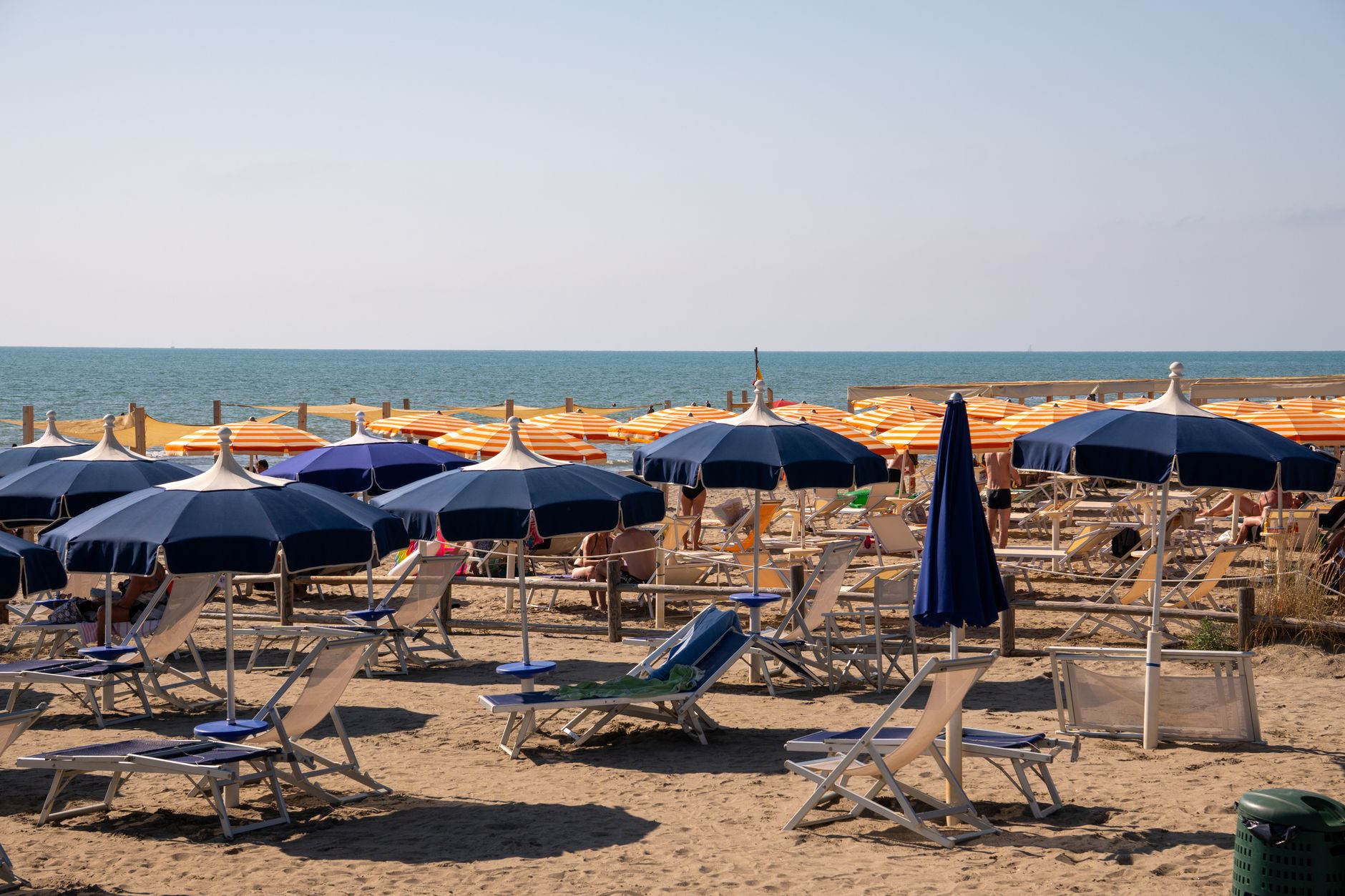
Calm, shallow water. The single most important factor. A toddler cannot cope with breaking waves, and a beach with a steep shelf drops from ankle deep to chest deep in two steps. Look for sheltered bays, east or south facing coves, and anywhere described as having a gentle gradient.
Short walk from where you sleep. With a toddler you will return to the apartment mid morning, again at nap time, and again for something forgotten. A beach ten minutes away gets used three times a day. A beach twenty five minutes away and down a cliff path gets used once.
Natural or built shade. Toddlers cannot spend a day in direct sun. A beach with rentable umbrellas, or a cove with rock shade in the afternoon, hugely extends how long you can stay.
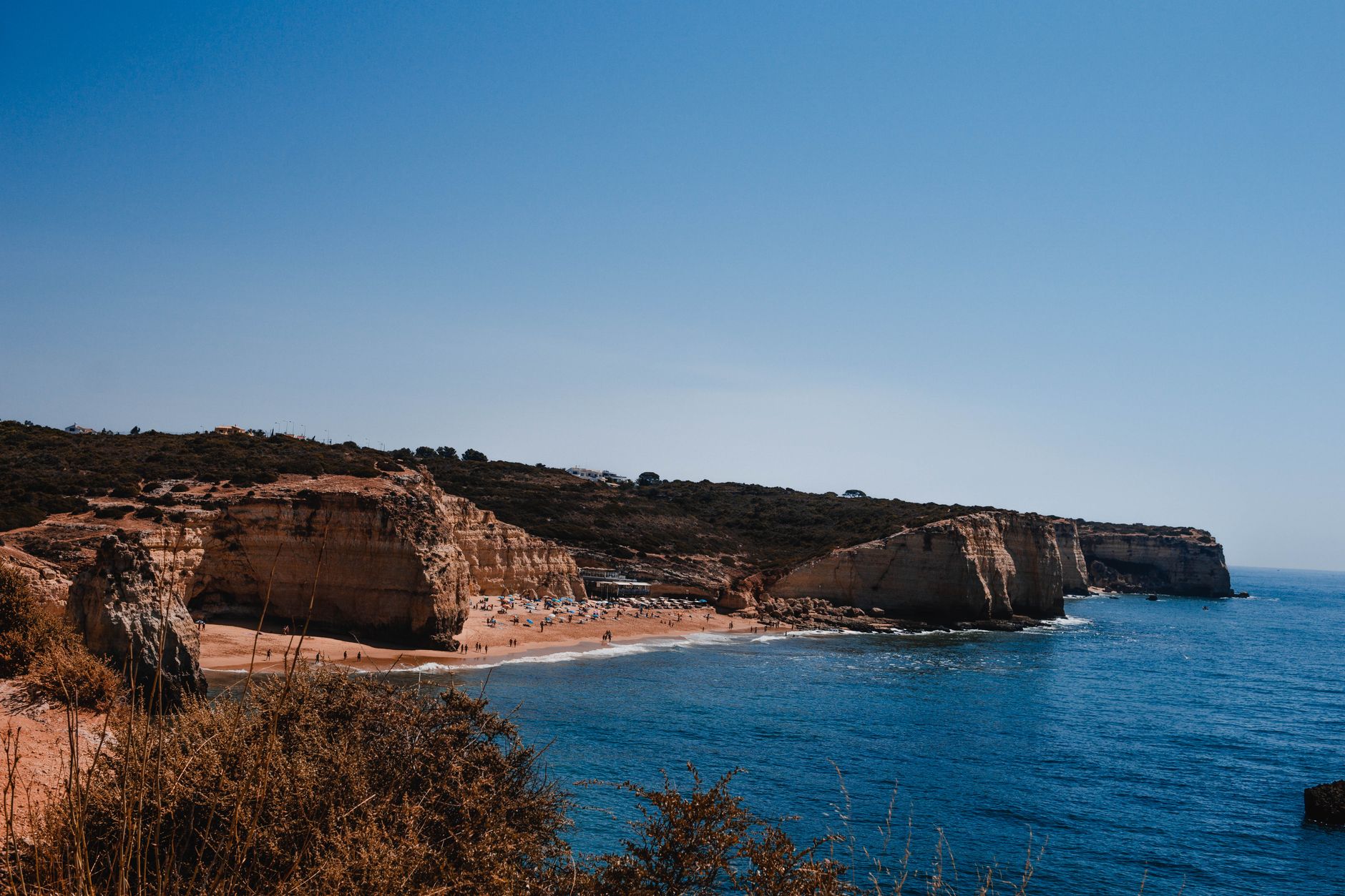
Facilities within sight. A cafe and toilets on the beach itself is not a luxury with a small child, it is the difference between staying two hours and staying five.
Not a wind funnel. Windy beaches are miserable with toddlers. Sand in eyes, in food, in everything. West facing Atlantic beaches in Portugal are frequently windy in the afternoon.
Which Part of Portugal to Choose
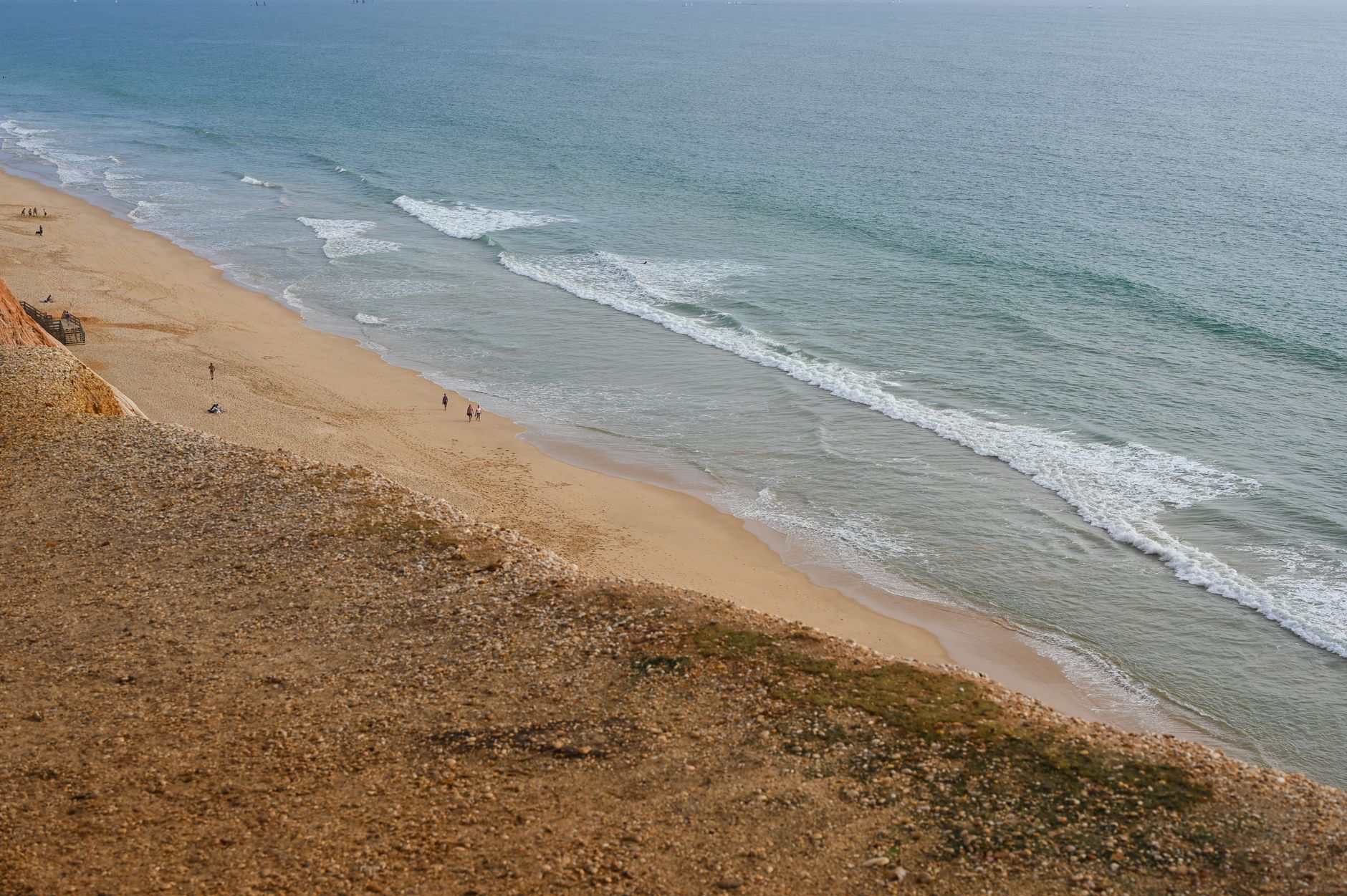
The eastern Algarve, roughly Tavira across to the Spanish border. The strongest choice for toddlers. Long shallow sandy beaches, warmer and calmer water than further west, sandbar islands reached by short ferry rides, and a gentler, less developed feel. Tavira itself is a lovely small town to be based in.
The central Algarve, roughly Albufeira to Lagos. The busiest and most developed stretch, which cuts both ways. Extensive family resorts, water parks, everything in English, and plenty of sheltered coves between the headlands. Praia da Falésia, Praia dos Pescadores and the coves around Carvoeiro are generally calm. The trade off is crowds in July and August and a lot of development.
The western Algarve and Costa Vicentina. Spectacular, wild, and generally not suitable for toddlers. Big Atlantic surf, strong wind, dramatic access down cliffs. Wonderful for a holiday with teenagers, difficult with a two year old.
The Lisbon coast, Cascais and Estoril. A good compromise if you want a city alongside the beach. Sheltered bays at Cascais, easy train access to Lisbon, and considerably more to do on a rainy day than the Algarve offers. Water is cooler than the Algarve.
Madeira. Beautiful, and worth knowing that it is largely a pebble and rock coastline rather than sand. Excellent for families with older children, less obviously suited to a bucket and spade toddler holiday.
Porto and the north. Cooler water, more variable weather, superb for a city and countryside trip. Not a toddler beach destination.
Resort Type Matters More Than Location
Aparthotel or apartment with a kitchen. For most families with toddlers, this beats a hotel room decisively. You can manage nap times, make familiar food, do laundry, and sit on a balcony after bedtime rather than sitting in the dark in a hotel room at half past seven.
A pool with a genuine shallow section. Check photographs rather than descriptions. A children’s pool that is forty centimetres deep is transformative. A single deep pool with steps is not.
Ground floor or lift access. Three flights of stairs with a buggy, a toddler and shopping wears thin by day two.
Ask about cots, high chairs and buggy hire in advance. Many Portuguese aparthotels provide these free or cheaply, which saves both baggage and money.
All inclusive is worth considering with toddlers specifically, more than it is at other ages, because the alternative involves negotiating restaurant meals with a hungry two year old at an unfamiliar hour. Portugal is generally very welcoming to children in restaurants, but the timing still has to work.
| Region | Water calmness | Beach type | Development level | Rainy day options | Best for |
|---|---|---|---|---|---|
| Eastern Algarve, Tavira area | Very calm, shallow | Long sandy, sandbar islands | Low to moderate | Limited | Best overall for toddlers |
| Central Algarve, Albufeira to Lagos | Calm in sheltered coves | Sandy coves and long beaches | High | Good, water parks and resorts | Convenience and facilities |
| Western Algarve and Costa Vicentina | Rough Atlantic surf | Dramatic, cliff access | Low | Very limited | Older children and surfing |
| Lisbon coast, Cascais and Estoril | Calm in the bays | Sandy town beaches | Moderate to high | Excellent, city nearby | Beach plus city combination |
| Madeira | Varies, mostly rocky | Pebble and rock, few sandy | Moderate | Good | Older children, walking |
| Porto and the north | Cool and often rough | Wide Atlantic beaches | Moderate | Excellent | City trips, not beach holidays |
Sun Safety, Which Matters More Than You Think
Portuguese summer sun is strong, and toddler skin burns considerably faster than adult skin. This is the part of a beach holiday that goes wrong most often and most avoidably.
Keep babies under six months out of direct sunlight entirely, in shade, with light clothing covering arms and legs. For older children, use a high factor broad spectrum sunscreen applied generously and reapplied at least every two hours and after every swim.
A long sleeved sun suit with a recognised ultraviolet protection rating does more than sunscreen and requires no reapplication, which with a toddler is the decisive practical advantage. A wide brimmed hat that covers the neck and ears, and sunglasses if your child will tolerate them.
Avoid the beach entirely between roughly noon and four in the afternoon in July and August. This is also nap time, which makes it easy, and the beach is considerably more pleasant at five o’clock anyway.
Watch fluid intake carefully. Small children dehydrate quickly and do not reliably ask for water. Offer it constantly rather than waiting to be asked.
If your child does burn, or shows signs of heat exhaustion such as unusual lethargy, clammy skin or refusing fluids, seek medical advice rather than managing it yourself.
What to Pack and What to Leave

Pack. Two sun suits, so one can dry. Two hats, because one will be lost. Sunscreen from home, since it is expensive at resorts. A lightweight pop up beach shade or tent. Water shoes if the beach is pebbly. A soft cool bag. Plastic plates and cups if you are self catering. Familiar snacks for the flight and the first day.
Do not pack. A full size buggy if you can avoid it, since a lightweight travel stroller is far easier on sand paths, cobbled Portuguese streets and aircraft. Beach toys, which are cheap and available everywhere. A travel cot if the accommodation provides one, which most do. Large quantities of nappies, since Portuguese supermarkets sell everything.
Consider hiring. Car seats, cots, high chairs and buggies can all be hired at Portuguese resorts, and equipment hire companies serving the Algarve are well established and reasonably priced. This is often cheaper than airline baggage charges.
If You Are Travelling From the UK or the US
From the UK, Portugal is one of the easiest family destinations available. Faro is served by numerous flights from regional airports at two and a half to three hours, which is close to the practical limit for a toddler flight, and package deals to the Algarve are among the best value family holidays in Europe. May, June and September are considerably cheaper and less hot than July and August, and for toddlers the milder temperature is genuinely better. Check current entry requirements and passport validity rules before booking, since these have changed in recent years.
From the US, Portugal involves a transatlantic flight, typically to Lisbon, with a connection or a three hour drive to the Algarve. That is a long journey with a toddler and worth weighing honestly. If you are already travelling to Europe it makes excellent sense as an extension. As a standalone toddler beach trip from the US, the Gulf coast of Florida, the Carolinas and parts of the Caribbean offer comparable calm shallow water with a fraction of the travel time.
Health cover differs by market, so check what your travel insurance covers and whether any reciprocal healthcare arrangement applies. Portugal has good medical facilities and pharmacies are widely available and helpful for minor issues.
Do’s and Don’ts: Beach Holidays With Toddlers
| Do's | Don'ts | |
|---|---|---|
| 1 | Choose a sheltered bay with shallow, calm water | Book a dramatic Atlantic surf beach with a two year old |
| 2 | Pick accommodation within ten minutes of the beach | Underestimate a cliff path with a buggy and a cool bag |
| 3 | Book an apartment with a kitchen | Take a toddler to a hotel room with no separate space |
| 4 | Check the pool has a genuinely shallow section | Trust the words children's pool without seeing photos |
| 5 | Use long sleeved sun suits with a UV rating | Rely on reapplying sunscreen to a moving toddler |
| 6 | Avoid the beach between noon and four in summer | Take a toddler out in peak Algarve midday sun |
| 7 | Offer water constantly rather than waiting to be asked | Assume a child will say when they are thirsty |
| 8 | Travel in May, June or September | Book August and pay peak prices for peak heat |
| 9 | Hire cots, high chairs and car seats locally | Pay airline charges to fly equipment you can rent |
| 10 | Take a lightweight travel stroller | Take a full size buggy onto sand and cobbles |
| 11 | Buy beach toys when you arrive | Use baggage allowance on buckets and spades |
| 12 | Check passport validity and entry rules before booking | Assume the rules are the same as they used to be |
FAQs
Which part of the Algarve is best for toddlers?
The eastern Algarve around Tavira is generally the best choice, with long shallow sandy beaches, calmer and warmer water than further west, and a gentler less developed atmosphere. The central Algarve between Albufeira and Lagos offers more facilities, water parks and family resorts, with plenty of sheltered coves, at the cost of crowds and heavy development. Avoid the western Algarve and Costa Vicentina with young children, since the Atlantic surf and cliff access make it genuinely difficult.
When is the best time to visit Portugal with young children?
May, June and September are the strongest months for families with toddlers. Temperatures are comfortable rather than extreme, the sea is warm enough to swim by June, beaches and resorts are much less crowded, and prices are considerably lower than in July and August. Peak summer in the Algarve is very hot, which restricts a toddler to early morning and late afternoon outdoors, and prices roughly double.
Is Portugal good for a first holiday with a toddler?
Yes, it is one of the better European options. Flight times from the UK are around two and a half to three hours, which is manageable, the food is simple and child friendly, restaurants genuinely welcome children, medical facilities are good and pharmacies are helpful, and there is extensive self catering accommodation designed around families. The main thing to get right is choosing a stretch of coast with calm shallow water rather than Atlantic surf.
How do I protect a toddler from the sun on a beach holiday?
The most effective measure is physical covering rather than sunscreen, because sunscreen requires reapplication that toddlers resist. Use a long sleeved sun suit with a recognised ultraviolet protection rating, a wide brimmed hat covering the neck and ears, and sunglasses if tolerated. Apply high factor broad spectrum sunscreen generously to exposed skin and reapply at least every two hours and after swimming. Keep babies under six months out of direct sun entirely, and avoid the beach between noon and four in summer.
Should we book all inclusive with a toddler?
It is more worth considering at this age than at most others. The main benefit is removing the daily negotiation of finding somewhere to eat at a time that fits an inflexible nap and bedtime schedule, with a child who will not wait. The counterargument is that Portuguese food is excellent and inexpensive, restaurants are very welcoming to children, and self catering with a kitchen gives you more control over nap times. An apartment with a kitchen near a few good local restaurants is often the best of both.
What should I not bother packing?
Beach toys, which are cheap and sold everywhere. Large quantities of nappies and wipes, since Portuguese supermarkets stock everything. A travel cot if your accommodation provides one, which most aparthotels do on request. A full size buggy, which is difficult on sand paths and cobbled streets and expensive to fly. Most of these can be hired locally through established equipment hire companies for less than airline baggage charges.
Is the water warm enough for young children to swim?
In the Algarve, yes from around June through September, with the eastern Algarve noticeably warmer than the west because it is sheltered from Atlantic currents. The Lisbon coast is cooler throughout the year, and the north cooler still. If warm water matters for a young child who will get cold quickly, choose the eastern Algarve and travel between June and September. A wetsuit top extends comfortable swimming time considerably for a small child.
How long is too long a flight with a toddler?
Around three hours is the practical comfort limit for many toddlers, which is roughly the flight time from the UK to Faro and one reason Portugal works so well for British families. Beyond that, success depends heavily on the individual child, the timing relative to naps, and how much you have packed to occupy them. From the US, Portugal involves a transatlantic flight plus onward travel, which is a long day and worth weighing against closer destinations with similarly calm shallow beaches.
You Might Also Like