Air fryers compared for families of four on capacity, counter footprint, noise and cleaning. What size you actually need and which features are worth paying for.
I resisted the air fryer for about two years, largely out of a general suspicion of appliances that promise to change your life. Then my sister in law cooked dinner for six children at a family gathering in twenty minutes using two of them, while the actual oven sat cold, and I understood.
The thing that converted me was not the food, which is good rather than transcendent. It was the timing. A conventional oven takes twelve to fifteen minutes to preheat, which means a 5pm decision to feed people at 6pm is genuinely tight. An air fryer takes two to three minutes and cooks faster once it is going. That gap is where weeknight dinners live or die. Here is what to look for, what size you actually need, and where the money is worth spending.
What Size a Family Actually Needs
This is where most people get it wrong, in both directions.
Under four litres. Suitable for one or two people. For a family of four this will require cooking in batches, which removes the main advantage. Skip it.
Six to eight litres, single basket. The realistic minimum for a family of four. Cooks enough chips or chicken for four in one go, though you will still batch if you want everything crisp rather than steamed.
Eight to eleven litres, dual basket. The format that most changes how you cook, because two separate compartments let you cook a protein and a side simultaneously at different temperatures, with a sync function that finishes them together. This is the genuinely useful innovation in the category and it is why dual basket models dominate family recommendations. The cost is counter space, which is considerable.

Oven style, eleven litres and up. Larger capacity, usually with racks and often a rotisserie. More versatile, less good at the specific thing air fryers do best, which is intense circulating heat in a small space. Worth considering only if it replaces a microwave or a second oven rather than adding to them.
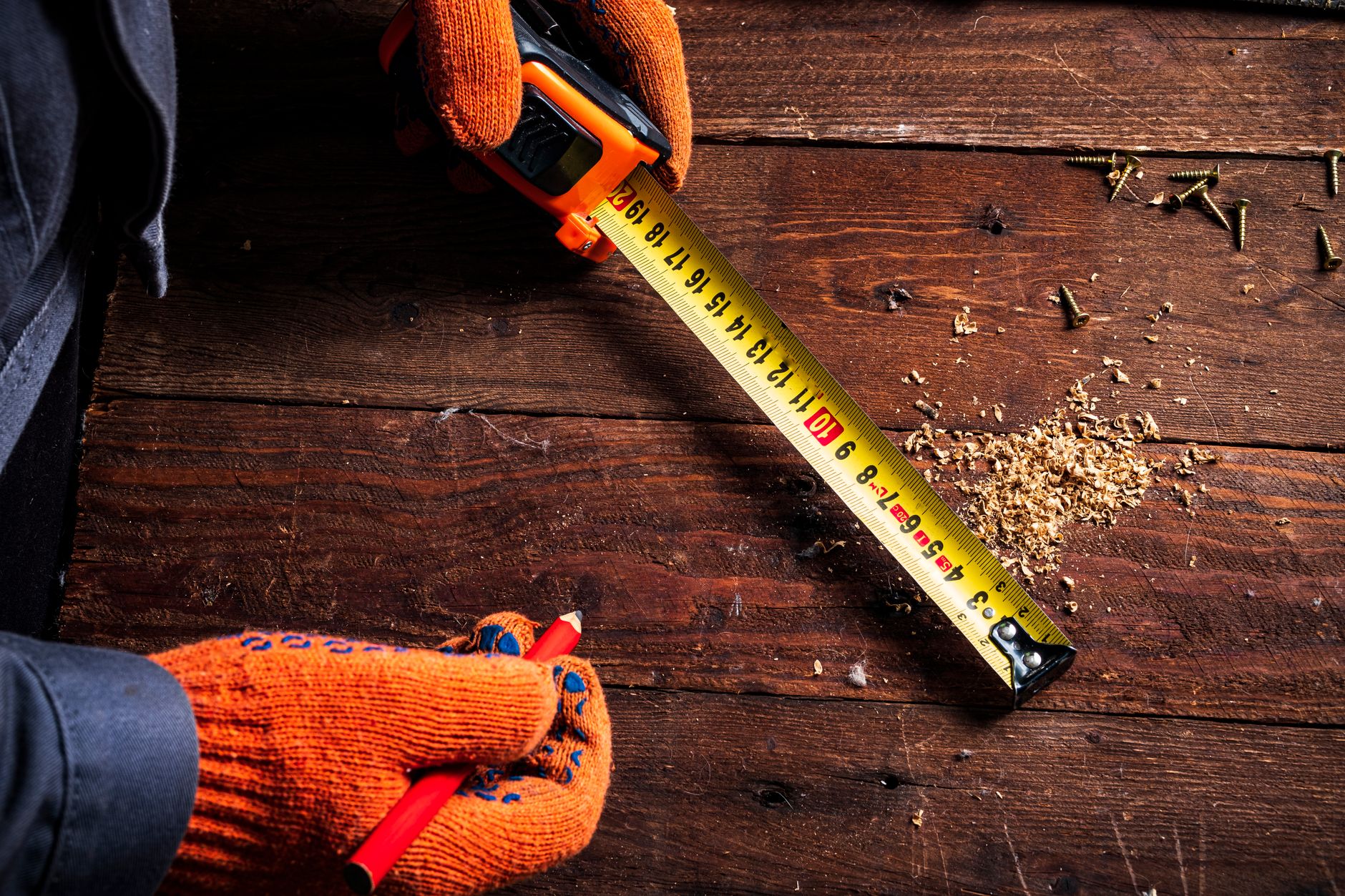
The honest test before buying anything. Measure your counter space, then measure the model including the clearance most manufacturers require behind and above for airflow, typically around twelve centimetres. A great many air fryers end up in cupboards because they did not fit where their owner imagined, and an appliance in a cupboard is an appliance you do not use.
The Features Worth Paying For
Dual baskets with sync finish. The main reason to spend more. Cooking two components at different temperatures and having them finish together is the difference between an appliance that helps with dinner and one that cooks a side dish.
Dishwasher safe baskets and crisper plates. Non negotiable for regular use. Handwashing a crisper plate every evening is exactly the friction that stops people using an appliance.
A viewing window and interior light. Sounds like a gimmick and is not, because it stops you pulling the basket out repeatedly to check, which drops the temperature each time.
Ceramic rather than standard non stick coating. More durable over years of use and less prone to flaking, which is the most common long term complaint with cheaper models.
Preset programs. Largely marketing. You will use two or three temperatures and ignore the rest within a month.
App connectivity. Almost entirely unnecessary. You have to be in the kitchen to put food in it.
Five Models Compared
Rather than naming specific model numbers, which change every season, here are the five formats worth considering and what each is genuinely for.
The compact single basket, around four to five litres. $60 to $100 or £50 to £80. For couples, small kitchens and as a second unit. Not adequate as the only appliance for a family of four.
The standard family single basket, around six to eight litres. $90 to $150 or £70 to £120. The value pick. Cooks enough for four, has a small footprint, and covers ninety percent of what people actually use an air fryer for, which is chips, chicken, roasted vegetables and reheating.
The dual basket, around nine to eleven litres. $150 to $250 or £120 to £200. The family recommendation if you have the counter space. Two components at once, sync finish, and a genuine reduction in oven use. Ninja are the best known name in this format and generally justify the premium on build quality, though several competitors now offer very similar functionality at lower prices.
The oven style with racks, eleven litres and up. $150 to $300 or £120 to £250. Multiple levels, often a rotisserie, and better for larger batches or anything flat like pizza. Less intense crisping than basket models. Sensible if it replaces a microwave.
The premium dual with additional functions, including steam, bake or pressure options. $250 to $400 or £200 to £350. Genuinely capable and genuinely large. Only worth it if you will use the additional functions, which most people do not.
| Format | Capacity | Price (US) | Price (UK) | Feeds | Counter footprint | Best for |
|---|---|---|---|---|---|---|
| Compact single basket | 4 to 5 litres | $60 to $100 | £50 to £80 | 1 to 2 | Small | Couples, small kitchens |
| Family single basket | 6 to 8 litres | $90 to $150 | £70 to £120 | 3 to 4 | Medium | Best value for most families |
| Dual basket | 9 to 11 litres | $150 to $250 | £120 to £200 | 4 to 5 | Large | Whole meals in one go |
| Oven style with racks | 11 litres plus | $150 to $300 | £120 to £250 | 4 to 6 | Very large | Batches and flat foods |
| Premium multifunction | 9 to 12 litres | $250 to $400 | £200 to £350 | 4 to 6 | Very large | Only if you use extra functions |
Running Costs and the Oven Comparison
An air fryer typically draws between 1400 and 2400 watts, similar to or slightly more than an oven element, but it cooks a small space and cooks faster, so total energy use per meal is generally considerably lower. Estimates vary by appliance and by what you are cooking, and a genuine like for like comparison depends heavily on portion size.
The practical rule. For small to medium quantities, an air fryer uses meaningfully less energy than heating a full oven, and the savings are larger where you would otherwise preheat an oven for fifteen minutes to cook something for twenty. For large quantities such as a full roast dinner, the oven wins because the air fryer would require multiple batches.
The other saving is time rather than money, and for most families that is the bigger benefit. Two to three minutes of preheating rather than fifteen changes what feels possible at 5:30pm.
Where the numbers get overstated is in marketing claims of dramatic savings. Real savings are real and modest, typically meaningful across a year rather than transformative in a month.
What It Actually Cooks Well, and What It Does Not
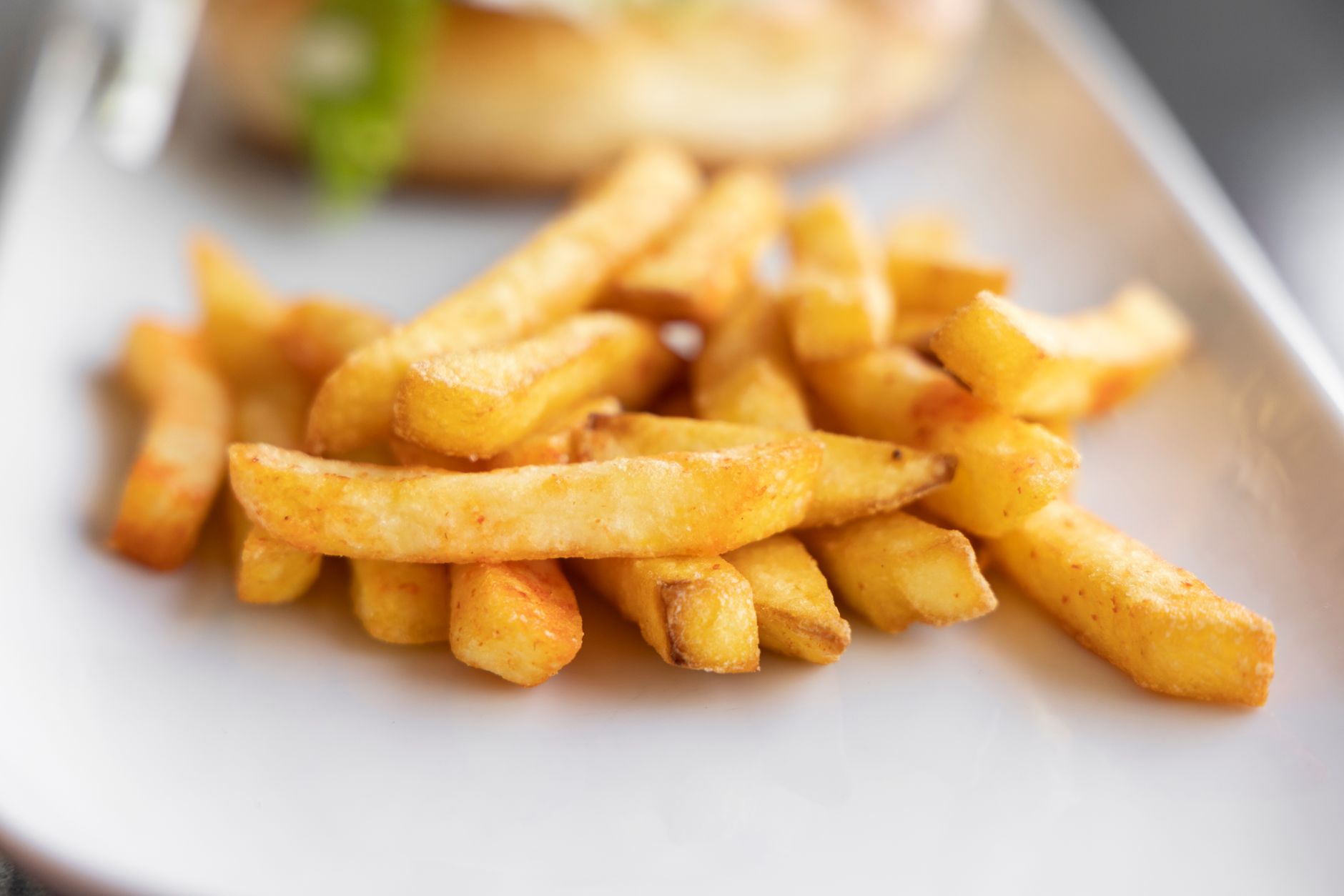
Excellent. Chips and potato products, chicken thighs and wings, roasted vegetables, halloumi, salmon fillets, sausages, frozen food of almost every kind, reheating pizza and anything that was previously crisp. Reheating is genuinely the underrated function and it is where mine gets most of its use.
Good. Whole small chickens in larger models, bacon, tofu, hard boiled eggs, toasted nuts, cookies in small batches.
Poor. Anything with a wet batter, which drips through the basket. Large joints of meat. Anything requiring a lot of liquid. Rice and pasta, obviously. Cheese on its own, which becomes a problem rather than a dish.
The thing nobody mentions. Air fryers cook from the top down with intense circulating heat, so smaller items brown quickly on top and need shaking or turning halfway through. Recipes that do not mention this produce disappointing results and get blamed on the appliance.
If You Are Buying in the UK
The UK air fryer market is unusually competitive, partly because energy costs drove enormous uptake, and prices are correspondingly good. Ninja dominates the dual basket category and is widely stocked, with regular discounting at Argos, Currys and Amazon UK, particularly around Black Friday and January.
Tower, Salter, Cosori and Instant all offer strong dual basket models at lower prices than Ninja with very similar functionality, and for most households the difference is build quality over years rather than day to day performance. Aldi and Lidl both run air fryer ranges seasonally at notably low prices, which are perfectly serviceable for occasional use.
Check the plug rating and your kitchen circuit if you plan to run an air fryer alongside a kettle and a toaster, since the combined draw on a single socket circuit can be significant in older properties.
On energy, UK unit pricing makes the oven comparison more favourable to air fryers than in many markets, which is why the category grew so quickly here. Check your current unit rate rather than relying on manufacturer claims, which often use outdated figures.
Do’s and Don’ts: Buying an Air Fryer for a Family
| Do's | Don'ts | |
|---|---|---|
| 1 | Measure your counter space including rear clearance | Buy on capacity alone and discover it does not fit |
| 2 | Buy at least six litres for a family of four | Buy a compact model and cook in batches every night |
| 3 | Consider dual baskets if you want whole meals at once | Pay for dual baskets if counter space is tight |
| 4 | Check that baskets and plates are dishwasher safe | Commit to handwashing a crisper plate nightly |
| 5 | Choose ceramic coating for long term durability | Expect cheap non stick to survive years of daily use |
| 6 | Shake or turn food halfway through cooking | Load it and walk away expecting even browning |
| 7 | Use it heavily for reheating, not just cooking | Overlook the function you will use most |
| 8 | Cook in a single layer for anything you want crisp | Overfill the basket and produce steamed food |
| 9 | Use the oven for large roasts and full trays | Attempt a full roast dinner in four batches |
| 10 | Ignore app connectivity and most preset programs | Pay a premium for features you will use twice |
| 11 | Buy in January or Black Friday sales | Pay full price in a category discounted constantly |
| 12 | Avoid wet batters entirely | Expect beer battered anything to work |
FAQs
What size air fryer do I need for a family of four?
At least six to eight litres in a single basket format, or nine to eleven litres in a dual basket. Anything under about five litres will require cooking in batches for four people, which removes the speed advantage that makes the appliance worth owning. If you often cook for five or more, or want to cook a protein and a side simultaneously, a dual basket model is the better choice provided you have the counter space for it.
Are dual basket air fryers worth the extra money?
For families, generally yes, provided you have the space. The ability to cook two different foods at two different temperatures and have them finish at the same time is what turns the appliance from a side dish maker into something that produces a whole meal. That is the single most useful feature in the category. The trade off is a significantly larger counter footprint, and if your kitchen is tight, a good single basket model that actually stays on the counter beats a dual basket that lives in a cupboard.
Does an air fryer really use less energy than an oven?
For small to medium quantities, yes, and the saving is meaningful though not dramatic. Air fryers draw similar power to an oven element but heat a much smaller space and cook faster, and they need only two to three minutes of preheating rather than twelve to fifteen. Across a year of regular weeknight use the savings add up. For large quantities such as a full roast dinner, the oven is more efficient because the air fryer would need several batches.
What foods do not work in an air fryer?
Anything with a wet batter, which drips through the basket and makes a mess without crisping. Large joints of meat, which will not fit or cook evenly. Anything requiring significant liquid, including stews and sauces. Rice and pasta. Loose leafy greens, which blow around in the fan. Cheese on its own, which melts through the basket. Almost everything else works, and frozen foods in particular are exceptionally well suited to it.
How do I stop food from being soggy in an air fryer?
Cook in a single layer with space between pieces, because overfilling the basket traps steam and steams the food rather than crisping it. Shake or turn halfway through, since the heat circulates from above and browns unevenly otherwise. Pat wet ingredients dry before cooking. A light spray of oil helps considerably with fresh vegetables and potatoes. If you regularly need to cook more than fits in a single layer, that is the signal that you need a larger or dual basket model.
Are air fryers difficult to clean?
Not if you buy one with dishwasher safe baskets and crisper plates, which most current models offer, and this is worth checking before buying because it is the main determinant of whether an appliance gets used long term. Wipe the interior after it cools, since baked on splatter is much harder to remove later. The heating element above the basket needs occasional attention with a damp cloth once fully cool, and neglecting it is the most common cause of smoke and smell.
Can an air fryer replace an oven?
Not entirely, but it can replace a large proportion of everyday oven use. It handles chips, roasted vegetables, chicken pieces, fish, sausages and almost all frozen food better and faster than an oven does. What it cannot do is large roasts, full trays of baking, anything requiring more than its capacity, or large batch cooking. For most families it becomes the appliance used four or five nights a week with the oven reserved for weekends and larger meals.
Which brand of air fryer is best?
Ninja has the strongest reputation in the dual basket category and generally justifies its price on build quality, particularly the durability of coatings over years of daily use. However, Tower, Cosori, Instant and Salter all produce dual basket models with very similar functionality at lower prices, and for most households the day to day cooking performance is comparable. Buy on capacity, footprint and dishwasher safe parts first, and treat brand as a secondary consideration.
You Might Also Like