A kids’ winter coat is not really a coat. It is daily equipment that gets wrestled into a school bag, sat on at lunch, dragged through a muddy field, spilled on, forgotten on a hook and washed every three weeks whether it says machine washable or not. By March, you either have a coat that still zips or you have already replaced it. The premium on getting the choice right is not the fifty dollars saved on a cheaper option, it is the two hundred dollars and two shopping trips avoided when the first coat fails in January.
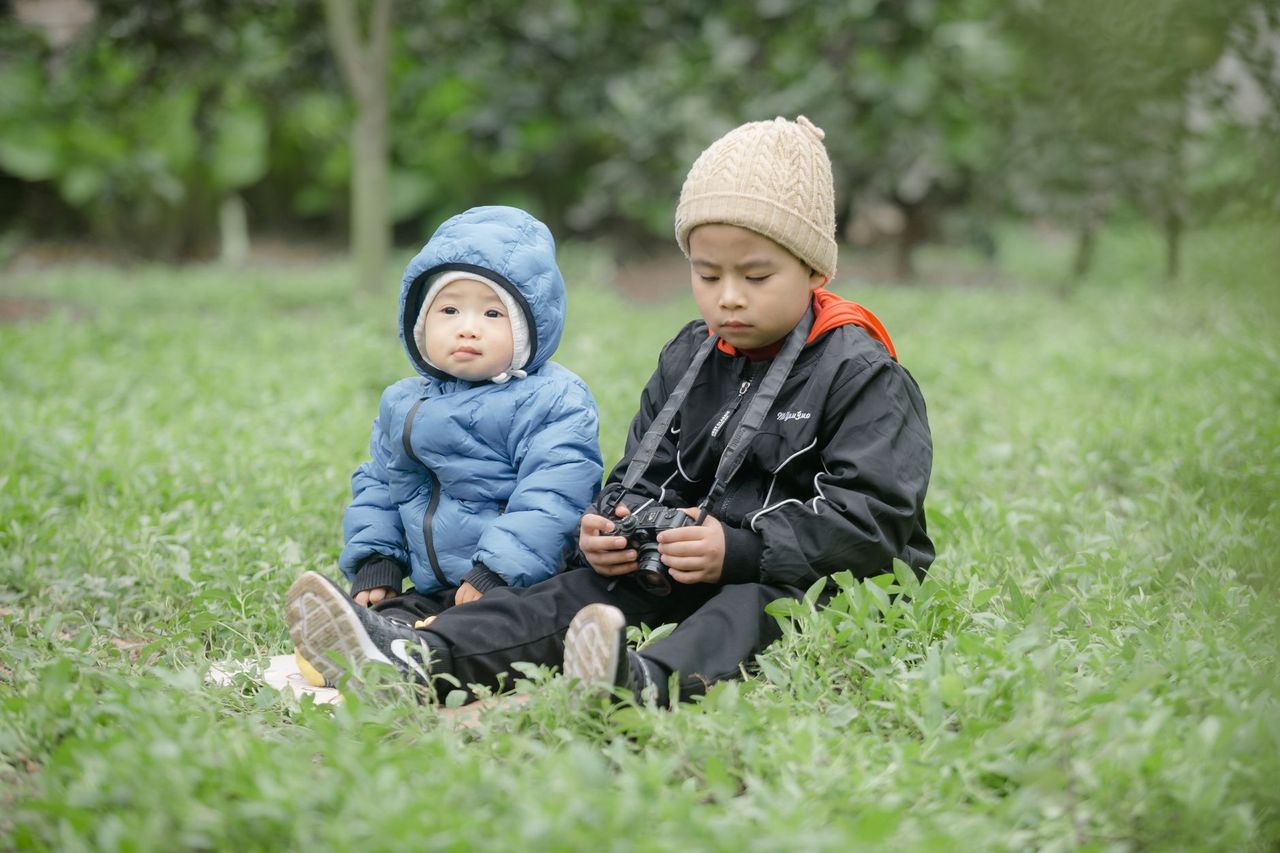
We put six coats through a full autumn and winter with three children, ages four, seven and eleven. Two live in a wet coastal climate, one in a colder inland one, and the seven-year-old spent a week on a snow trip halfway through the test.
What Actually Matters in a Kids’ Winter Coat
The most misleading number on any kids’ coat spec sheet is the temperature rating, because it assumes a still, dry child standing outside for a defined period. Real children run, sweat, stop, sit on wet benches, take the coat off, and stand in puddles by design. Warmth-to-weight ratio matters more than raw warmth, because a coat that is warm only because it is enormous does not get worn past October. It ends up on a peg, and the child arrives home in a jumper.
Waterproofing separates a coat that lasts a season from one that lasts a term. In the UK, much of the US and coastal Australia, winter is wet far more often than snowy, and a well-insulated coat that soaks through by pickup is functionally worse than a plain waterproof shell with a fleece underneath. A genuine hydrostatic head of at least five thousand millimetres is the threshold at which a coat stops leaking under sustained rain, and the brands that publish this number tend to be the ones whose coats survive testing. Zips are the first thing to fail, and cheap zips fail within a term. Sizing generosity is the last underrated variable: a coat you can buy at age six and still zip at age seven is worth roughly twice a coat that lasts exactly one winter.
The Six Brands, Tested
Regatta (UK flagship, global availability)
Regatta occupies an unusual position in the British children’s-outerwear market, almost invisible to fashion press but ubiquitous on the school run. Once you accept that no ten-year-old is going to feel dressed by a Regatta puffer, you find a coat engineered for the actual conditions of a British winter. The Kielder and Salton lines are the workhorses, and both hit a genuine five-thousand-millimetre hydrostatic head, taped seams that survive a machine wash, and a fleece-lined hood a child will actually keep up in the rain. Prices we saw ranged from about $40 for a padded jacket to roughly $80 for a three-in-one shell.
Our test coat spent a school year in the boot of the car, the playground, several wet-weather walks, and one episode of being sat on in the mud. The zips still ran, the DWR still shed water, and the fleece lining still smelled bearable, which is the most underrated metric in kids’ outerwear. Cuffs stretched by month four and it is not the coat you want for genuine snow, but for the school run on a sensible budget it is difficult to argue against.
Kathmandu (AU and NZ flagship)
Kathmandu sits in a market most non-Australian parents underestimate, which is that children in Melbourne, Canberra and the alpine regions face colder winters than the country’s beach-holiday reputation suggests. The Elcho and Trailhead ranges are built for that reality rather than for the mild coastal winter most Australian families experience, and the down-insulated options are honest cold-weather kit rather than fashion puffers. The recycled fabric shells hold up well against playground abrasion, where cheaper technical brands quietly fall apart.
Prices we saw ranged from about $90 to $150 in USD through international shipping. Availability outside Australia and New Zealand is patchy, and sizing runs a touch small. After six months the shell was barely marked and the insulation had not shifted, a step above most competitors at this price.
Columbia (global)
Columbia is the coat most likely already sitting in a family’s coat cupboard, because it is stocked in every mid-market outdoor retailer from the US to Germany to Australia and priced within reach of most parents. The Powder Lite and Alpine Free Fall lines are the ones worth considering for kids, and the Interchange system, where a waterproof shell and a fleece zip together or separate into two garments, is genuinely useful for families who want one coat to cover autumn through late winter. Prices we saw ranged from about $60 to $110 in USD.
The shells scuff faster than the premium brands and the fleece linings pill visibly by February, which matters less than it sounds because the coat still functions. What Columbia does not do is last three children the way Patagonia or L.L. Bean will. It is the sensible default rather than the standout, which is why it is everywhere.
Patagonia (premium global)
Patagonia is the coat parents buy once and hand down twice, and the resale market for used kids’ Patagonia is active for a reason. The Nano Puff and Snowshot lines are worth the money, and the Worn Wear programme, which repairs any Patagonia garment free for the life of the product, changes the arithmetic on the sticker price. Prices we saw ranged from about $99 to $199 in USD.
After six months the test coat was essentially unchanged, and a small tear on a cuff was repaired free through Worn Wear in about three weeks. A Patagonia coat bought for a five-year-old and passed to a sibling and then a cousin produces a cost per wear no cheaper brand comes close to. The fit is roomy, which some older kids dislike, and the price is high in absolute terms. If you have one child, Lands’ End is the smarter buy. If you have two or three, Patagonia turns into a bargain by the second wearer.
Lands’ End (US strong, UK availability)
Lands’ End is the coat that quietly outlasts everything else in the cupboard, and the Squall and ThermoPlume ranges are the ones American parents with an older child seem to end up back at after cycling through flashier brands. The size range runs from toddler through teen with genuinely long sleeves, which sounds trivial until you watch a nine-year-old raise their arms and see a two-inch wrist gap on a coat labelled correctly for their age. The warranty is strong and the ThermoPlume synthetic insulation delivers warmth without bulk. Prices we saw ranged from about $70 to $130 in USD.
After six months the test coat showed no visible wear, and the seven-year-old outgrew it before it wore out. The styling is conservative in a way older kids sometimes reject, but for most families under age nine that is a price worth paying.
L.L. Bean (US)
L.L. Bean builds kids’ outerwear closer to adult outdoor gear than to children’s clothing, and the Mountain Classic and Ultrawarm Waterproof lines deserve their reputation. Construction is the strongest of any coat tested, the return policy is the most forgiving of any brand in the group, and the company will replace a coat that fails in service with a directness rare in mainstream retail. Prices we saw ranged from about $79 to $149 in USD, with international shipping adding noticeably to the total.
After six months the zip still ran smoothly, the insulation had not shifted, and water still beaded on the shell without needing a reproofing wash. If you are already in the US market, L.L. Bean is arguably the strongest single value in the test. Outside the US, the shipping and duty maths shift the answer towards Kathmandu or Patagonia.
The Comparison Table
| Brand | Best For | Warmth Rating | Waterproofing | Price (USD) |
|---|---|---|---|---|
| Regatta | Everyday school coat | Mid | 5000mm hydrostatic head | $40-80 |
| Kathmandu | Snow trips, cold weather | High (down options) | 10000mm on technical lines | $90-150 |
| Columbia | One coat for autumn to winter | Mid to high | 5000-10000mm depending on line | $60-110 |
| Patagonia | Hand-me-down families | High | 10000mm plus, taped seams | $99-199 |
| Lands' End | Long-lasting single-child use | Mid to high | 5000mm on Squall line | $70-130 |
| L.L. Bean | Genuinely cold conditions | High | 10000mm on Ultrawarm | $79-149 |
Regional pricing: Regatta prices in GBP are £30-70; Kathmandu in AUD is A$80-300; Columbia and Patagonia are broadly consistent across regions when converted at prevailing rates.
Which Coat For Which Family
For a UK school-run family on a sensible budget, Regatta does the job for a reasonable price, and if it does not survive to the following winter you have not spent enough to be upset. For an Australian family heading to the snow, Kathmandu is the honest choice because the technical specs are real, the down options are proper cold-weather kit, and the construction justifies the price against imports. For a US family with one or two children who want the coat to look presentable through the season, Lands’ End or L.L. Bean will both comfortably last the year and both will replace the coat if it fails, with the choice between them coming down to styling preference and delivery speed.
For any family with multiple younger children behind the eldest, Patagonia is the answer the sticker price obscures. The maths only works if the coat gets handed down at least once, but when it does, the cost per wear falls below any other brand tested. For a family that needs one coat to cover autumn through winter without buying a second, Columbia’s Interchange system is worth the slight quality compromise.
What We Would Not Do Again
Buy a fashion-led coat from a high-street chain expecting it to last. Two of last winter’s three coats had failed zips by February, and the waterproofing on all of them was theatrical rather than functional. The forty dollars saved against a proper outdoor brand disappeared inside a month of replacement fleeces, and the coat was in the charity bag by spring. Spending the extra on a coat from a brand that actually makes outdoor gear is the best value swap in a kids’ winter wardrobe, and it is not close.

Do’s and Don’ts
| Do's | Don'ts |
|---|---|
| Check the temperature rating in Celsius, some coats are only rated to minus 5 which is a mild UK autumn | Buy without trying it on with a school jumper underneath, layering matters more than the coat rating alone |
| Buy one size up if your child is between sizes, they grow through the winter | Put a waterproof shell in the tumble dryer, high heat kills the DWR coating within one cycle |
| Choose a colour that hides mud but stays visible in the playground | Assume the hood on a fashion coat is functional, decorative hoods rarely fit over a hat |
| Opt for a two-way zip on longer coats, kids can sit down without the bottom riding up | Rely on the elastic cuffs alone, look for velcro tabs or thumb loops to prevent wrist gap |
| Reproof a waterproof with a wash-in treatment after six months of hard use | Skip reflective detail if the school walk is in the dark, one strip on the sleeve is enough |
| Buy a spare fleece mid-layer for the coldest week rather than a warmer coat | Assume a downproof jacket is machine-washable, most need dry cleaning or specialist wash |
| Keep the receipt for the season, most brands replace failed zips under warranty | Buy on the strength of a supermarket brand's marketing, most fail within one school year |
| Add reflective iron-on patches for the school run if the coat lacks them | Store the coat wet at the end of winter, mould develops fast on damp shell fabric |
| Check the sleeve length allows for a full arm reach, kids raise their arms constantly | Overpay for insulation numbers if your climate is mild, a good shell over layers beats a heavy puffer |
| Read reviews specifically from parents of school-age kids, adult reviews of kids' coats are unreliable | Buy without checking the return policy on colour, kids often reject a coat once they see it |
FAQs
How many winter coats does a child actually need?
One that fits, one that is a size up in the cupboard for when the current one is soaked, and a lighter jacket for autumn and spring. Three is enough for most children through most winters, provided at least one is genuinely waterproof.
Is it worth buying a coat one size up?
Yes, provided the sleeves can be rolled and the shoulders sit correctly. A slightly generous coat lasts two winters. A tight coat lasts three months.
Do kids actually need waterproof or is water-resistant enough?
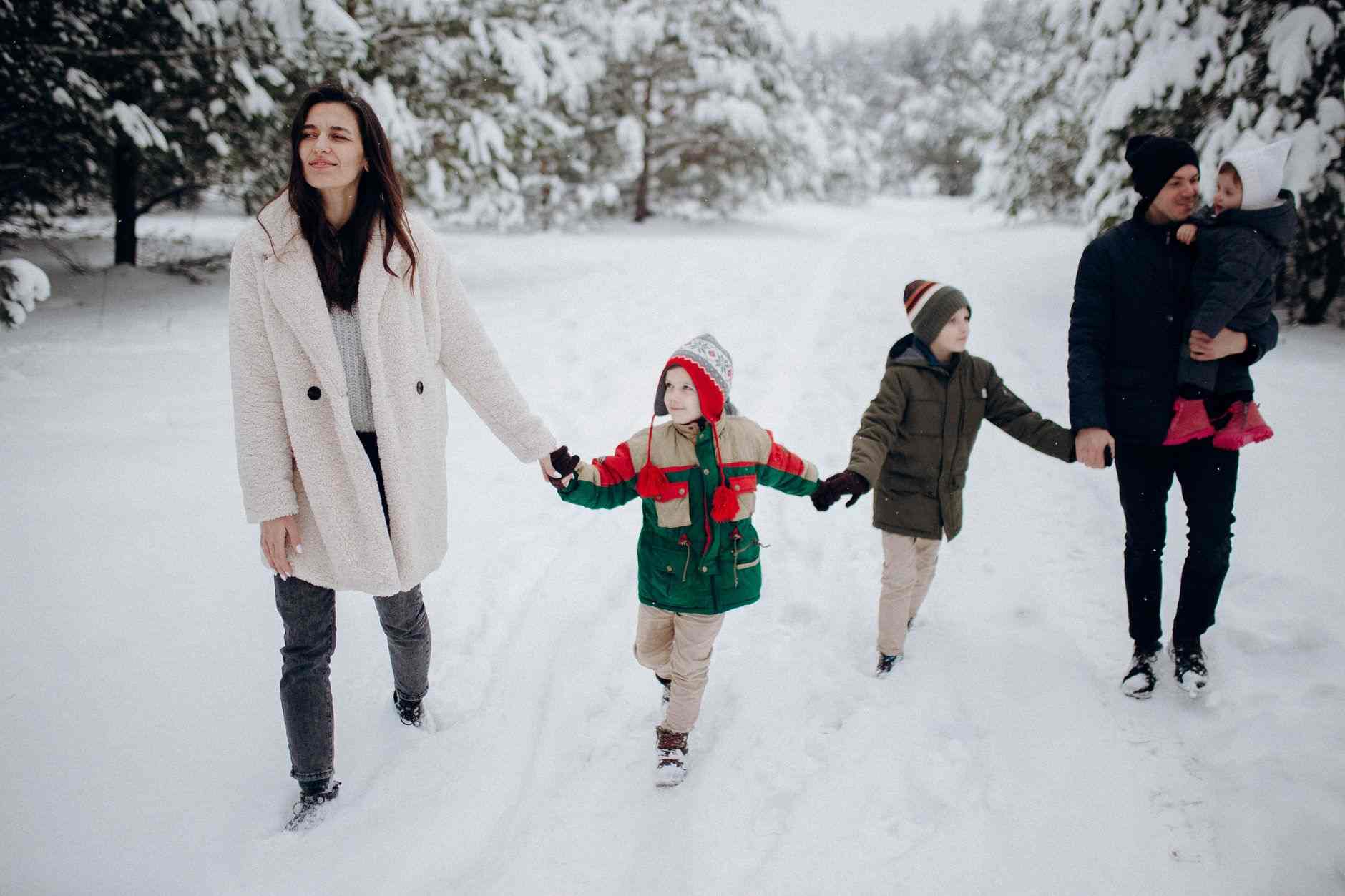
Waterproof, for anywhere that gets consistent rain. Water-resistant coats are fine for a light shower and useless in a proper downpour, and children stand in puddles by choice.
Can you machine wash these coats?
Most modern kids’ coats are machine washable on a cool cycle, but the waterproof coating benefits from a technical wash rather than standard detergent. Rewaxing or reproofing every second wash extends the life considerably.
What about hand me downs? Are the premium brands worth it?
Yes, particularly Patagonia and L.L. Bean. Both are built to a standard that survives multiple children, and both offer repair or replacement programmes that most cheaper brands do not.