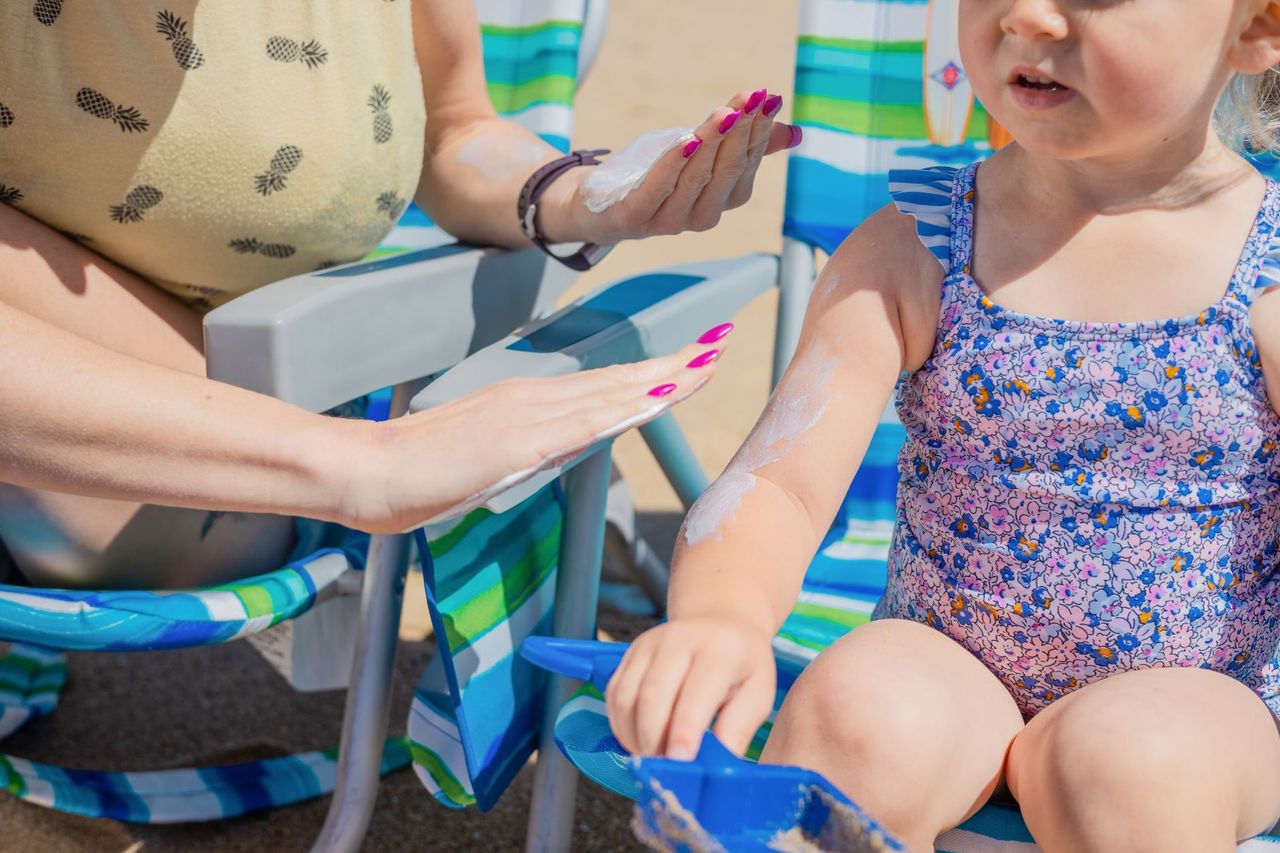
Applying sunscreen to a small child is a physical event. It involves negotiation, at least one attempted escape, and the specific moment where a child who tolerated the first arm decides the second arm is a violation. If the sunscreen also stings their eyes, marks their swimsuit, or reacts on eczema patches, you have lost the beach entirely.
We tested six kids’ sunscreens across a family beach holiday with four children from eighteen months to nine years, three of them with sensitive or eczema prone skin. What follows is which survived, which stung, and which is worth the higher price.
What Actually Matters in a Kids’ Sunscreen
The SPF number is only half the story. SPF measures UVB, the wavelength that causes visible burning. UVA, linked to long term skin damage, is measured separately by the Boots five star system in the UK, a PA+ rating in Australia, and broad spectrum labelling in the US. A big SPF paired with a weak UVA rating is a marketing product rather than a paediatric one.
Mineral versus chemical is a real choice. Mineral formulas use zinc oxide or titanium dioxide, sit on top of the skin, and reflect UV immediately. Chemical formulas absorb into the skin and convert UV to heat, take fifteen to twenty minutes to activate, and occasionally sting eyes on a sweating child. Across our four testers the mineral formulas produced zero reactions in a fortnight, while the chemical formulas produced two mild reactions on the eczema prone children. Mineral is the safer default for anyone under two, but chemical is easier to apply and invisible on the skin, which matters when the alternative is a badly applied mineral formula and a burnt shoulder.
Water resistance claims lull parents into skipping reapplication. Every sunscreen sold in a major market is tested to forty or eighty minutes of continuous water immersion regardless of the “four hour” or “all day” language on the front. Reapplication every ninety minutes is a floor, not a ceiling. A sunscreen a child fights gets applied badly, and a badly applied SPF 50 protects worse than a properly applied SPF 30.
The Six Brands, Tested
Bondi Sands (Australian flagship, global availability)
Bondi Sands is the mid priced Australian chemical formula that has become a supermarket default in the UK and Australia and a specialist buy in the US. The kids’ SPF 50+ four hour water resistant formula performed consistently on all four testers and did not leave a white cast, but the chemical base disqualifies it for strict mineral only households and for an eighteen month old with active eczema. Prices ran about $12 to $18 in the US and less through UK and Australian supermarkets. The tinted lotions marked a white swimsuit lightly during the fortnight, so the fragrance free variant is the version to buy for sensitive skin.
Ultra Sun (UK strong, EU and global)
Ultra Sun is recommended by more British dermatologists than any other kids’ sunscreen in the six, and Extreme Kids SPF 50+ is the closest thing to a genuinely single application beach day formula on the market. It is fragrance free, alcohol free, and built for eczema prone skin, and it did not run into eyes even when the youngest tester cried through the application. The trade off is a thick texture that takes patience to rub in, and prices ran $30 to $45 through international shipping. Worth the money for the eczema prone child in a way it is not for a low reactivity older sibling, which is why most parents pair it with a cheaper second bottle.
Blue Lizard (US dermatologist favourite)
Blue Lizard is the sunscreen US paediatric dermatologists quietly recommend to families whose children have already reacted to two or three other brands, and the reputation is built on a fragrance free zinc oxide mineral formula. The bottle changes colour in UV light as a reapplication cue, which sounds like a gimmick until the six year old starts treating it as a game. Prices ran roughly $15 to $22 in the US, with limited UK and Australian availability at higher prices. The white cast shows up as a faint chalky film on darker skin tones. On reactivity Blue Lizard was the cleanest performer of the six, with zero reactions across the fortnight.
Thinkbaby (US mineral)
Thinkbaby is the mineral option most cited in US clean beauty circles, with no fragrance, no oxybenzone, no octinoxate, no parabens and non-nano zinc oxide as the active ingredient. The formula is lightweight for a mineral sunscreen and rubbed in with less resistance than either Blue Lizard or Coola. Prices ran $12 to $18 for a small bottle in the US, though cost per beach day sits higher than the sticker suggests because the bottle finishes faster than a chemical equivalent. No reactions across the sensitive skin testers. Thinkbaby is the ingredient purity pick rather than the value pick.
Coola (US and UK)
Coola sits at the pricier end of the kids’ market and positions itself around cleaner ingredients and reef friendly formulas, which is where the money is going rather than raw SPF performance. The Mineral Baby SPF 50 is the one to buy for sensitive skin, and the texture is unusually pleasant in the sense that it does not require the ten minute rub in the category is famous for. Prices ran roughly $25 to $38 for the standard bottle. The chemical variants in the wider Coola range and the fragrance in parts of it disqualify buying blind from the brand for the most reactive skin.
P20 (UK, AU, EU)
P20 is the sunscreen British families discovered on Mediterranean holidays a decade ago and now buy in bulk, and the once a day kids’ formula is the reason. It is a chemical sunscreen that holds up through a full day of swimming and sun, provided the initial application is thorough and the twenty minute pre exposure window is respected. The formula sinks in with no white cast and did not mark swimsuits on any of the four testers, which puts it ahead of Bondi Sands on the staining question. Prices ran $18 to $30 through UK and European retailers, with pricier US availability through resellers. Not the pick for a baby, active eczema, or a child prone to rubbing their face. For older kids on a straightforward beach day it is the most convenient formula of the six.
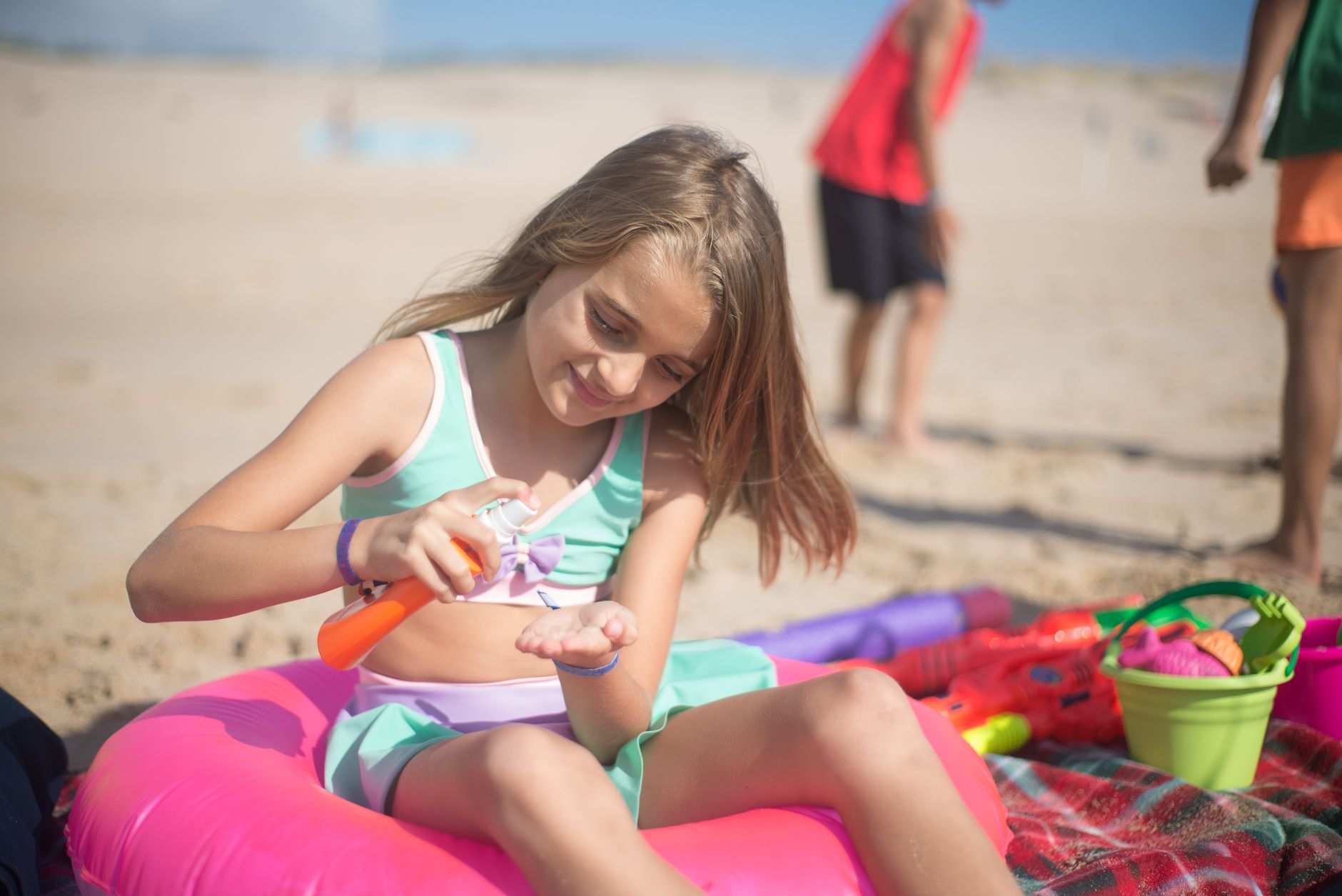
The Comparison Table
| Brand | Best For | Mineral or Chemical | Water Resistance | Price (USD) |
|---|---|---|---|---|
| Bondi Sands Fragrance Free | Value, easy application | Chemical | 4 hours claimed | $12-18 |
| Ultra Sun Extreme Kids | Very sensitive skin, single app | Chemical | 6+ hours claimed | $30-45 |
| Blue Lizard | US dermatologist recommend | Mineral | 80 minutes | $15-22 |
| Thinkbaby | Clean ingredients | Mineral | 80 minutes | $12-18 |
| Coola Mineral Baby | Reef safe, better texture | Mineral | 80 minutes | $25-38 |
| P20 Kids | Older kids, single application | Chemical | 10 hours claimed | $18-30 |
Regional pricing: Bondi Sands is roughly £8-15 in the UK and A$12-18 in Australia; Ultra Sun is around £22-35 in the UK; Blue Lizard is US priced with limited UK/AU stock; Thinkbaby is around £15-22 in the UK; Coola is £22-32 in the UK; P20 is £15-30 in the UK and roughly A$25-45 in Australia.
Which Sunscreen For Which Family
For an Australian family on a routine beach day the answer is Bondi Sands fragrance free, because the SPF 50+ rating and honest water resistance outweigh the mineral purity arguments for a low reactivity child. For a British family whose child has active eczema, Ultra Sun Extreme Kids is worth the price because nothing else in the six matched its sensitive skin credentials. For an American family whose child has already reacted to two or three sunscreens, Blue Lizard is the safest bet on reactivity. For a household committed to mineral only formulas, Thinkbaby is the cleaner ingredient pick and Coola the pleasanter application experience. For older kids on a Mediterranean holiday, P20 is the convenience pick for anyone over six with Ultra Sun as the backup for anyone younger.
What We Would Not Do Again
Relying on a single sunscreen for a whole family is the mistake most likely to derail a beach holiday. The eczema prone tester needed one formula, the older children preferred another, and the toddler needed mineral for the face and a lighter chemical formula for arms and legs. Two bottles in the beach bag is what makes reapplication actually happen.
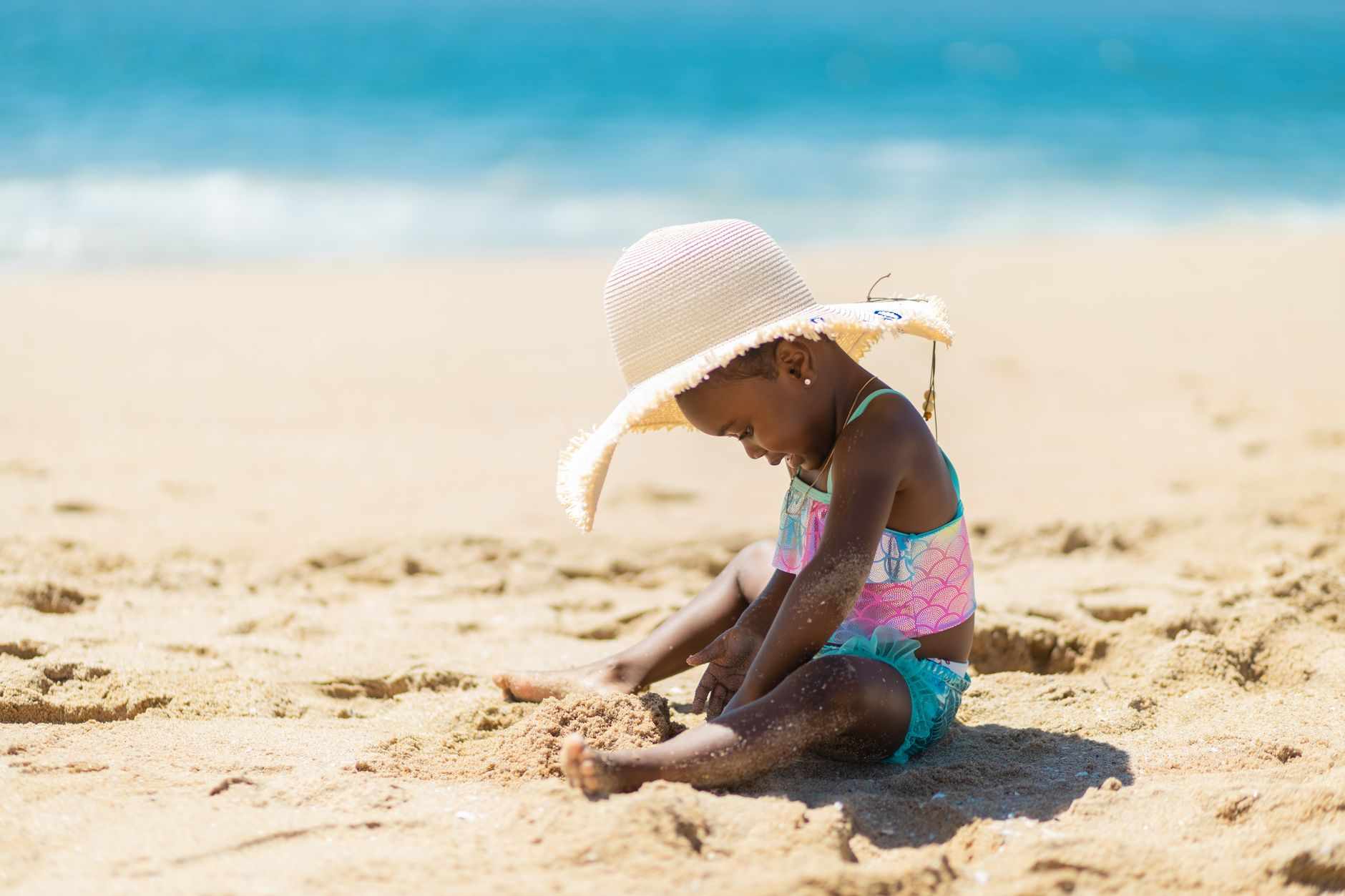
Do’s and Don’ts
| Do's | Don'ts |
|---|---|
| Apply sunscreen 20 minutes before sun exposure, mineral formulas especially need time to set | Rely on SPF 30 alone for an all-day pool day, reapply every 90 minutes regardless of the number |
| Use a shot-glass measure of sunscreen per child, most parents apply half what the SPF requires | Use adult sunscreen with fragrance on toddlers, it commonly triggers reactions on delicate skin |
| Choose mineral over chemical for children under 2 and any child with eczema | Skip lips and ears, they burn first and are the most commonly missed areas |
| Keep a stick sunscreen in the school bag for face and neck touch-ups | Assume waterproof means all-day, most re-application needs happen after towelling off |
| Check the expiry date, most sunscreens are only good for 12 months once opened | Buy a large bottle at the start of the holiday hoping to save money, small bottles finish before they degrade |
| Pack SPF 50 for a beach holiday and SPF 30 for UK spring, matching the SPF to the UV index | Store sunscreen in a hot car, heat above 30 Celsius shortens the active ingredients' shelf life |
| Layer sunscreen under a UPF-rated rash vest for extra protection during long water play | Apply sunscreen to broken skin or fresh eczema patches without a doctor's guidance |
| Reapply after every hour of sea swimming, salt water breaks the film faster than pool water | Use spray sunscreen on the face, misting into eyes is a hospital visit waiting to happen |
| Give the older child their own bottle for touch-ups, they will actually use it if they own it | Trust "reef-safe" claims without checking the ingredients, oxybenzone and octinoxate are the ones to avoid |
| Wash sunscreen off thoroughly at the end of the day to prevent skin irritation | Rely on a hat alone for shade, the shadow line moves faster than a toddler stays still |
FAQs
Is mineral or chemical sunscreen better for kids?
Mineral is generally kinder to sensitive skin and works immediately, but leaves a white cast and can feel heavier. Chemical rubs in more easily but takes twenty minutes to activate and can sting. For under twos, mineral is the default recommendation from most paediatric dermatologists.
Do you really need to reapply after swimming?
Yes, every time, regardless of the water resistance rating. Towelling off removes sunscreen as effectively as swimming does, and eighty minutes is the maximum for any water resistant formula.
Are the higher SPF ratings worth it?
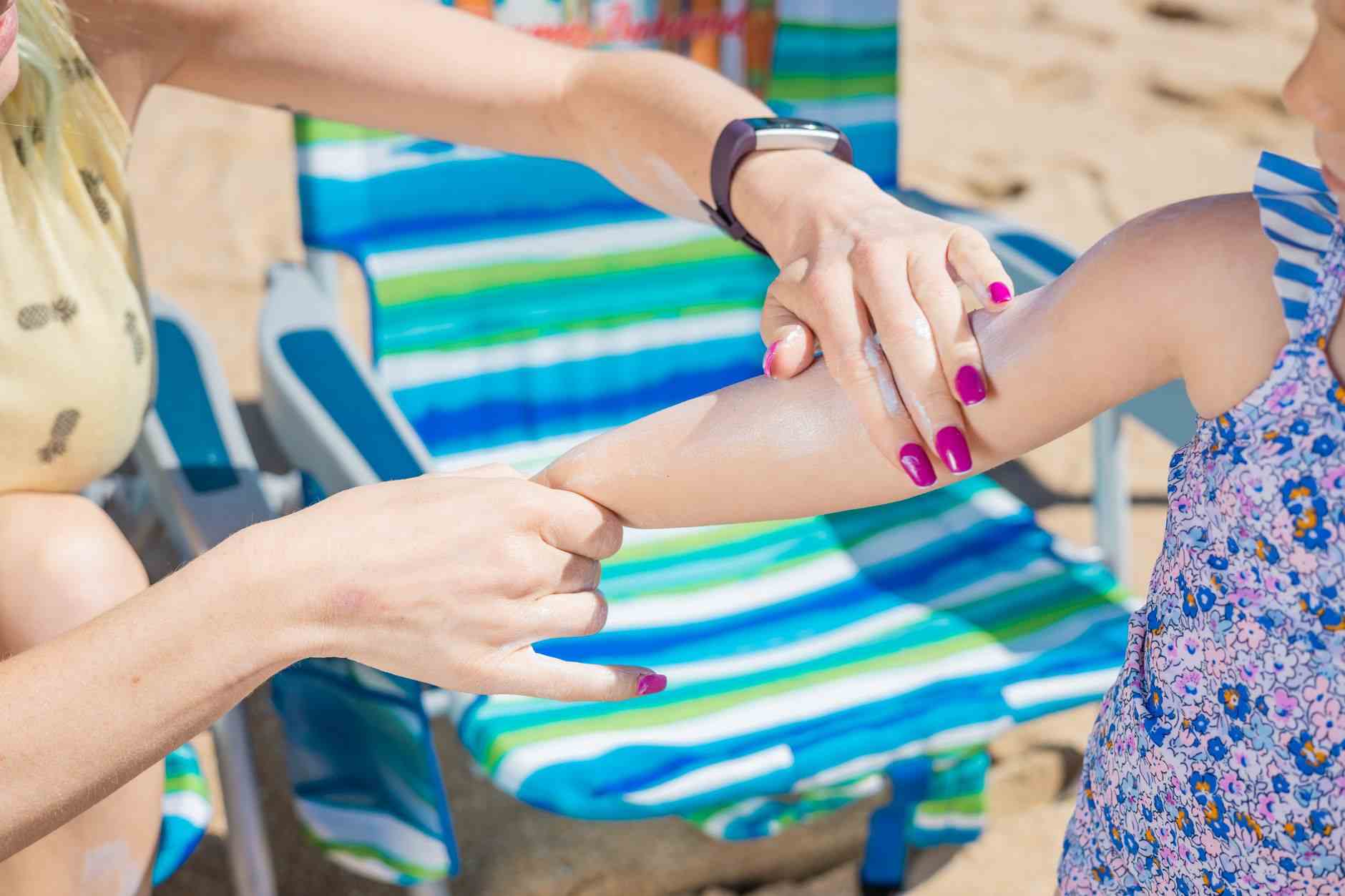
SPF 50+ is meaningfully better than SPF 30 for children, particularly on beach days or in high UV regions. The gap between SPF 50 and SPF 100 is marginal, and SPF 100 formulas often contain more chemical filters, which is not always desirable for sensitive skin.
How much sunscreen should you actually apply?
More than you think. Roughly a teaspoon per limb is the standard, and most parents under apply by half. If a bottle lasts a family a whole week on the beach, you are not applying enough.
What about spray sunscreens?
Sprays are convenient but hard to apply at the right density, particularly on windy beaches. Most paediatric guidance is to spray into a hand and rub on, which defeats the point. Lotions are more reliable.