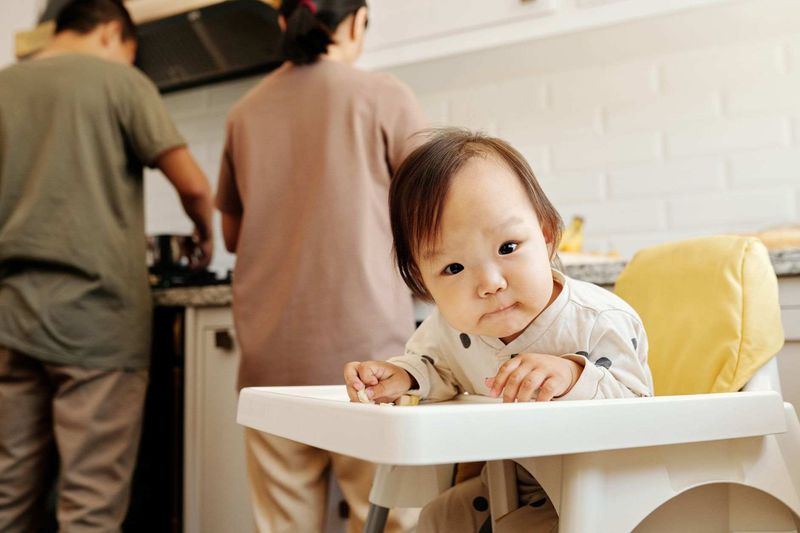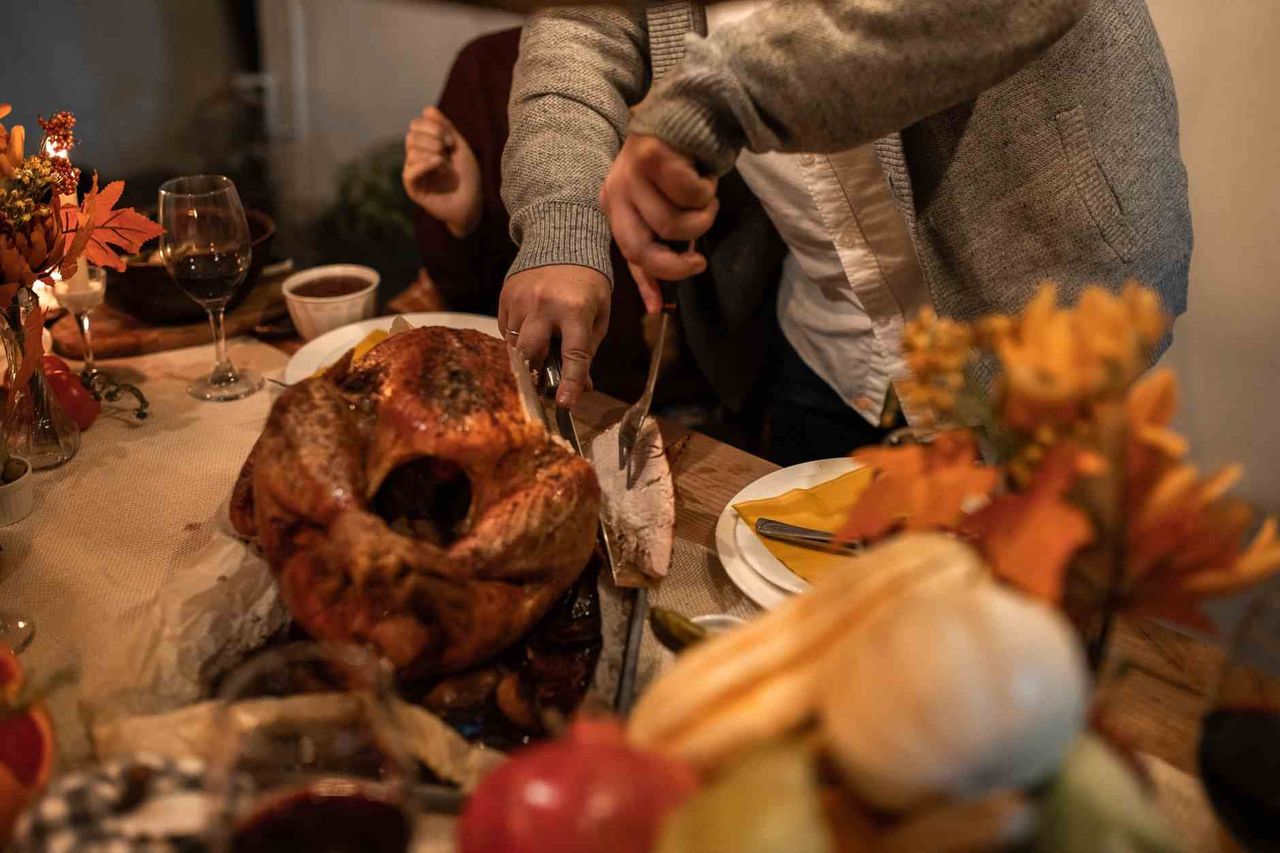
The idealised version of Christmas Day cooking is lifted from a Nigella television special: calm music, a glass of wine at 11am, a perfectly timed oven. The real version with a two-year-old in the house involves a toddler trying to open the oven door at the exact moment the roast potatoes need checking, a cat lying on the kitchen floor, and three sets of in-laws making specific requests about the sprouts. The gap between the two versions is why most parents dread Christmas Day cooking.
Batch cooking in advance is the single biggest change that fixes this. By the time Christmas Eve ends, 70 to 80% of the Christmas Day cooking should be done. The oven and hob on 25 December handle reheating, roasting the main meat, and the final 20 minutes of plating. This guide covers which specific dishes can be prepped on which days, what Lakeland and Le Creuset kit genuinely helps, and how to run a kitchen with a toddler without either compromise. Prices are from October 2026 at UK retailers.
The timeline that actually works
The weekend before (two to three weeks out)
Order the turkey, beef or alternative main from your butcher or supermarket. Waitrose, M&S and Ocado online pre-orders open from mid-October for Christmas-week delivery. Order the cheese selection, Christmas pudding, mince pies, Christmas cake and crackers at the same time. Draft a complete shopping list in a note on your phone, broken into “this week” and “Christmas week”.
Three days before (Monday 22 December in 2026)
Make the cranberry sauce. One 300g bag of fresh cranberries, 150g caster sugar, zest and juice of an orange, 50ml port if you have it, 10 minutes on a medium hob to boil down. Stored in a jar in the fridge, keeps 10 days.Make the brandy butter: 125g unsalted butter, 125g icing sugar, 50ml brandy, beaten together, stored in the fridge, lasts two weeks.
Two days before (Tuesday 23 December)
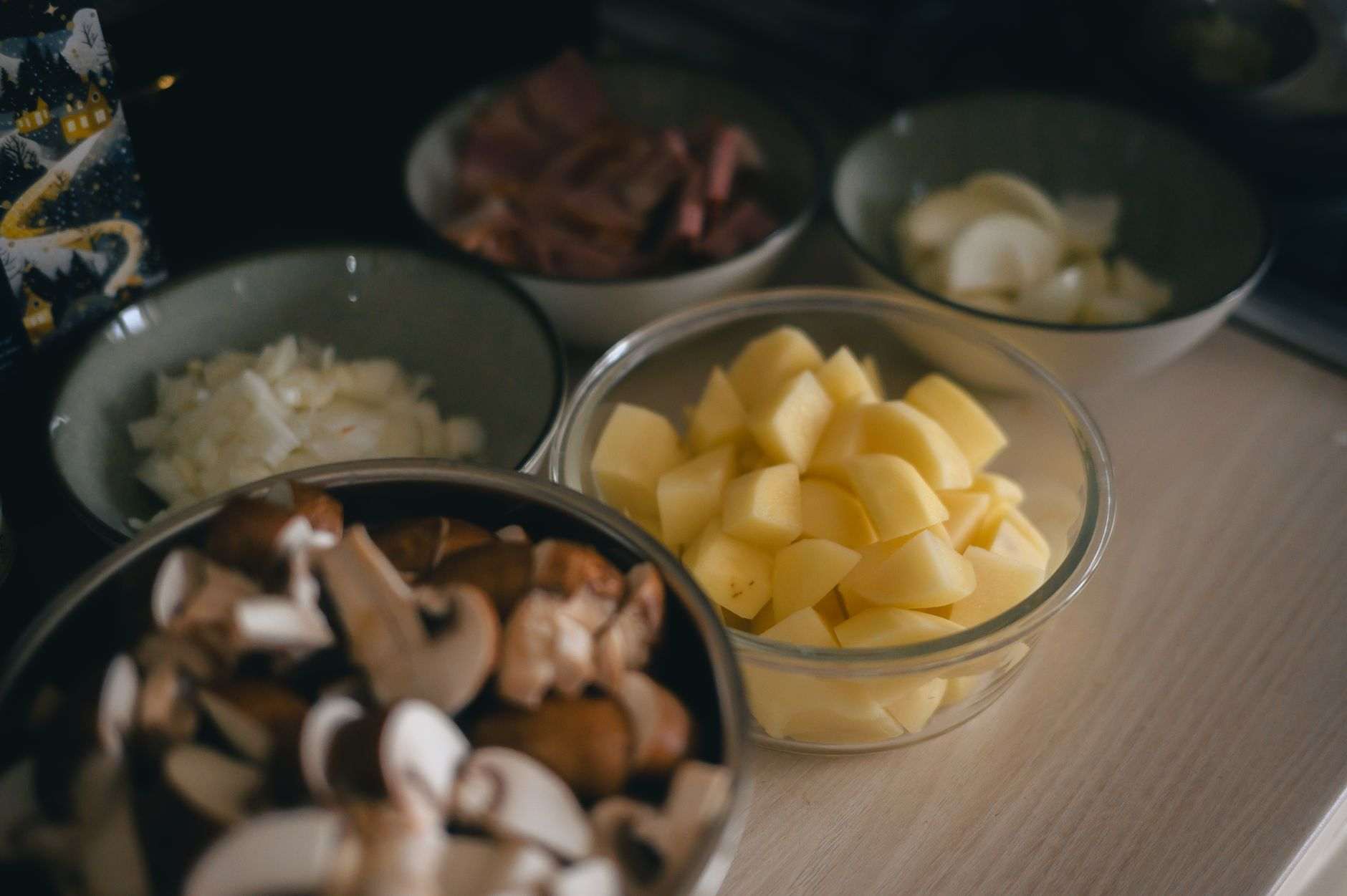
Make the stuffing mix. If using sausage meat with chestnut and sage, cook it off until it is 80% done, cool and store in the fridge. The final cooking happens on Christmas Day in the roasting tin alongside the meat. Peel and chop the potatoes for roasting; cover with cold water in a Tupperware in the fridge. Peel the parsnips and carrots and store in a container with a damp kitchen towel.Make the bread sauce: 500ml milk infused with onion, cloves, bay leaf, strained and mixed with fresh breadcrumbs, chilled and ready to reheat.
Christmas Eve (24 December)
The big shop should already be done, ideally on 23 December afternoon. On Christmas Eve: assemble the pigs in blankets (streaky bacon wrapped around chipolatas), set aside in the fridge. Prepare the sprouts: trim and cross-cut the base, blanch for 2 minutes in boiling water, drain and refrigerate.Make the gravy base: use the giblets or chicken wings with onion, carrot, celery and herbs to make a strong stock, reduce it to around 500ml, chill.Make the dessert if it is a trifle or a chocolate yule log that needs setting overnight.
By bedtime on Christmas Eve, the fridge should contain: cranberry sauce, brandy butter, bread sauce, stuffing mix (part-cooked), peeled potatoes in water, prepared root vegetables, blanched sprouts, assembled pigs in blankets, gravy base, and dessert.
Christmas Day timeline
The main meal normally sits for 1pm or 2pm. Working backwards from a 2pm sit-down:
9am: turkey in, allow 20 minutes per kg plus 70 minutes at 180 degrees for a stuffed bird. A 5kg turkey takes 3 hours 10 minutes.
10am: top up tea, parents eat a quick toast and jam breakfast with children.
11:30am: roast potatoes in with duck or goose fat. Allow 90 minutes at 190 degrees.
12:00pm: parsnips in with honey glaze.
12:15pm: pigs in blankets in on a lower shelf.
12:30pm: stuffing finishing in a separate tin or alongside the meat.
12:45pm: turkey out to rest, covered with foil, in a warm place. The resting is as important as the cooking.
12:50pm: bread sauce reheated on the hob.
12:55pm: sprouts into a saucepan with a knob of butter and 50ml water, 4 minutes on high heat.
1:00pm: pour pan juices into the gravy base, bring to a simmer, thicken with flour if needed.
1:10pm: everything plated and on the table.
The toddler goes down for a nap at 12:30pm if timing works. If not, television is permitted; this is the one day of the year to let it slide.

Lakeland and Le Creuset kit that genuinely helps
Lakeland essentials
Lakeland’s microwave jacket potato bag at £8 is a sleeper hero for Christmas Eve: it steams potatoes properly for a quick cottage pie or fish pie dinner on 24 December. The Lakeland Non-Stick Roasting Tray at £35 to £45 is a serious upgrade on supermarket trays: it survives 180-degree treatment over three hours without the warping and sticking common to cheaper trays.
The Lakeland Vacuum Food Storage containers at £15 to £25 for a set extend the fridge life of prepped vegetables and sauces by two to three days, which matters when the fridge is overstuffed in Christmas week.
Le Creuset cast iron
A Le Creuset 24cm or 26cm casserole at £180 to £240 is the single piece of kit that pays for itself across 20 years of Christmas Days. It handles the gravy base, stays hot on the table, and transitions straight from hob to oven to serving dish without needing to transfer. Second-hand Le Creuset in good condition is widely available on eBay and Vinted at £60 to £120 and lasts just as long.
The Le Creuset cast iron 28cm skillet at £140 handles the pigs in blankets and the final searing on the hob. Both pieces fit under a toddler’s eye line, which matters for safety during a busy cooking window.
The thermometer that stops the overcooked turkey
A digital probe thermometer at £15 to £35 from Lakeland or Amazon ends the “will the turkey be done” debate. Target 72 degrees in the thickest part of the thigh. The thermometer removes 90% of Christmas Day stress because you know with certainty when the bird is cooked rather than guessing.
The toddler-management part
Set the toddler up for success
A toddler needs a specific plan for Christmas Day morning. Overexcitement from presents, candy-sweet smells from the kitchen, a disrupted routine, and tired parents is a recipe for a 10am meltdown.
Set out specific activities before you start cooking: a new (unopened) sticker book, Play-Doh and a small cutter set from The Works at £5, or a specific puzzle set aside for the day. Avoid screens before 11am; by midday the parent is in cooking crunch and television becomes the acceptable tool.
Involve them in low-stakes tasks
A 2-year-old can “help” by stirring an empty bowl, washing a potato in the sink on a stool, or pressing the start button on the dishwasher. A 4-year-old can decorate the dinner table, make Christmas crackers from kit(The Works and Hobbycraft sell DIY cracker sets at £8 to £15), or set out napkins.
Do not expect any genuine cooking help from a child under five. The point is engagement and included-feeling, not productivity. Give them a small space in the kitchen (a corner with a wooden spoon and a bowl) and keep sharp knives, hot oven doors and hob tops well out of reach.
The childcare swap
The single best Christmas kitchen hack is a sibling or spouse taking the toddler out for a 60-minute walk at 11am. The toddler burns energy, you get a quiet window at the peak-cooking moment, and the walker gets a Christmas morning stretch. If possible, pre-arrange this exchange: it is a specific gift to the person cooking.
Food shopping: what to buy where
Waitrose, Ocado, M&S and Sainsbury’s dominate the UK Christmas food market. Dr. Oetker’s Christmas range (puddings, mince pies, baking kits) is widely stocked at Waitrose and larger Sainsbury’s. For specialist items (fresh goose, bone-in beef rib, specific cheese selections) a local butcher and cheesemonger produces better results than any supermarket.
Order online delivery for Christmas week by late October to secure a slot on 23 or 24 December. Delivery slots sell out fast and the last-minute cancellation market is unreliable. The 23 December afternoon slot is the sweet spot: fresh enough for Christmas Day, not so close to the day that stress is high.
For the brandy or whisky in cooking (and the equivalent kids’ alcohol-free versions like Infinity Bottling’s Botanic-based alternatives), order from the Whisky Exchange, Majestic or your local wine shop by mid-December to avoid the delivery peak.
When batch cooking goes wrong
Three specific failure modes catch out most families. First, the fridge overflow problem: a UK family fridge cannot comfortably hold three days of prepped Christmas food plus the normal week’s groceries. Clear the fridge aggressively from 22 December and plan a 24 December evening meal that uses up remaining food.
Second, cross-contamination risks: raw turkey juice on a chopping board that then touches prepared vegetables is the classic Christmas food poisoning route. Use colour-coded chopping boards (red for raw meat, green for vegetables) and wash hands religiously after touching raw poultry. The symptoms of mild food poisoning on 26 December are not what any family wants.
Third, the resting-and-timing panic: a turkey needs to rest for 30 to 45 minutes after coming out of the oven. The resting cannot be skipped without the juices running out of the meat. Build the rest into your timing and use the rest window to roast the final vegetables and finish the gravy.
Quick comparison
| Dish | Prep day | Fridge days | Reheat method | Christmas Day effort |
|---|---|---|---|---|
| Cranberry sauce | 22 December | 10 | Jar on table cold | None |
| Brandy butter | 22 December | 14 | On table cold | None |
| Bread sauce | 23 December | 2 | Hob 5 minutes | Low |
| Stuffing mix | 23 December | 2 | Oven 20 minutes | Low |
| Peeled potatoes | 23 December | 2 | Roast fresh | Medium (90 min roast) |
| Pigs in blankets | 24 December | 1 | Oven 25 minutes | Low |
| Blanched sprouts | 24 December | 1 | Pan 4 minutes | Very low |
| Gravy base | 24 December | 2 | Hob 10 minutes | Low |
| Turkey or main meat | 25 December | 0 | Fresh roast | Medium (timing-critical) |
Do’s and Don’ts
| Do's | Don'ts |
|---|---|
| Make cranberry sauce, brandy butter, and bread sauce by 23 December so the Christmas Day workload is reheating and roasting only. | Don't try to cook every element from scratch on Christmas Day with a toddler in the house; the timing collapse will happen by midday. |
| Use a digital probe thermometer to confirm the turkey hits 72 degrees in the thigh rather than guessing from colour or timing. | Don't rely on the standard "cook for X minutes per kg" rule alone; oven variation and bird size inconsistency catch out most households. |
| Rest the turkey or main meat for 30 to 45 minutes under foil in a warm place before carving. | Don't skip the resting step to save time; the juices will run out onto the carving board and the meat will be dry. |
| Set up specific toddler activities before you start the big cooking window at 11am (sticker book, Play-Doh, puzzle). | Don't rely on screens from 9am; the toddler desensitises by midday exactly when the parent needs them calm. |
| Pre-arrange a 60-minute walk at 11am with a spouse or sibling to clear the kitchen for the peak cooking window. | Don't attempt to parent and finish Christmas lunch alone during the critical 11am to 1pm window; swap duties if humanly possible. |
| Use colour-coded chopping boards and wash hands after any contact with raw poultry to prevent food poisoning on Boxing Day. | Don't use the same chopping board for raw turkey and sprout preparation; the cross-contamination risk is the classic Christmas food poisoning route. |
| Clear the fridge aggressively from 22 December so three days of prepped Christmas food fits alongside the week's groceries. | Don't start Christmas week with a fridge full of random food from the previous fortnight; the Boxing Day leftover plan then collapses. |
| Order online delivery slots for 23 December afternoon by late October because the slots sell out fast. | Don't leave the big shop to Christmas Eve itself; the stores are chaotic, slots are gone, and the stress compounds on a day already full. |
| Involve a 4-year-old in low-stakes helping tasks like setting napkins and making cracker kits for a sense of participation. | Don't expect genuine cooking help from any child under five; the point is engagement rather than productivity. |
| Keep sharp knives, hot pans and open oven doors well out of toddler reach for the whole Christmas-cooking window. | Don't leave a toddler alone in the kitchen when the oven door is open or a pan is on the hob, even for 30 seconds. |
FAQ
How far ahead can I prep Christmas Day food safely
Cranberry sauce and brandy butter keep 10 to 14 days in the fridge. Bread sauce, gravy base and stuffing mix (part-cooked) keep 2 to 3 days. Peeled vegetables stored in water keep 2 days in the fridge. The turkey or main meat should be cooked on 25 December. Working backwards from this, the safe prep window is 22 to 24 December for the make-ahead elements, with 25 December handling the roast, finishing and plating.
Can I cook the turkey the day before and reheat on Christmas Day
Technically yes but the quality drops noticeably. If you must pre-cook, slice the turkey after cooking, store in gravy or stock in the fridge, and reheat in a covered dish at 160 degrees until the sauce bubbles. For most families, the fresh-cooked bird on 25 December is worth the morning oven effort. The exception is for very large family gatherings where oven capacity on 25 December is the binding constraint.
What is the single best kitchen tool for Christmas Day
A digital probe thermometer at £15 to £35 from Lakeland. The device removes the uncertainty on whether the turkey is cooked, which eliminates roughly 90% of Christmas Day cooking anxiety. Target 72 degrees in the thickest part of the thigh. The thermometer is useful through the rest of the year for other roasts, so it is not a one-day purchase.
How do I keep a toddler entertained while I cook on Christmas morning
Set out specific new (unopened) activities before you start the main cooking window: a sticker book, Play-Doh and cutters, a jigsaw puzzle, or a small craft set. Avoid screens until midday if possible because screen tolerance drops through the day as the toddler tires. Involve them in low-stakes helping (stirring an empty bowl, washing a potato) for 10-minute windows. Pre-arrange a 60-minute walk with another adult at the peak cooking moment.
What goes wrong most often with Christmas Day cooking
The three most common failures are overcooked turkey (fixed with a probe thermometer), delayed timings leading to a 3pm meal (fixed with a written timeline), and cold food on the plate (fixed with warm serving dishes and quick plating). A fourth is cross-contamination from raw turkey to prepared vegetables, which causes food poisoning on 26 December. Keep colour-coded chopping boards and wash hands rigorously.
Should I pre-order a Christmas meal box from a butcher or supermarket
For families stressed about shopping, a Waitrose, M&S or Ocado Christmas food box pre-ordered in October is a sensible move. Expect to pay £150 to £300 for a family-of-four complete Christmas spread. Local butcher boxes often deliver better quality meat and vegetables for a similar price. The decision is less about cost and more about reliability: the pre-order secures your main items against the supermarket chaos of 23 and 24 December.
How do I handle Christmas Day when hosting multiple generations
Delegate specific tasks before anyone arrives. Grandparents on carving duty, teenagers on table setting, uncles on gravy. The host should focus on turkey timing and plating only. Communicate the plan 48 hours in advance so people arrive expecting to help. For dietary complexities (vegetarian relative, nut allergy, lactose intolerance), prepare the alternative dish 24 hours in advance so it is ready alongside the main meal.
What is the best approach to Boxing Day leftovers
The classic UK leftover approach is a cold turkey, ham and cheese spread for lunch on 26 December with pickles, chutney and bread. For dinner on 26 or 27 December, turkey curry (fried onion, curry paste, coconut milk, leftover turkey and vegetables, 20 minutes) is the easiest and most popular option. Leftover vegetables form the basis of a bubble and squeak breakfast on 27 December. Freeze any excess cooked turkey within 48 hours of cooking.