
The social pressure around Christmas is uneven. For most adults, December is a stressful but manageable month. For a new mother five weeks postpartum, the collective expectation of hosting, present-buying, dressing-up and relative-visiting lands at a time when her body is still healing from giving birth, her sleep is minimal, and her hormones are still rebalancing. The gap between what is expected and what is possible is where postnatal depression and anxiety find their footing.
This guide is written for mothers in the first 12 weeks postpartum through Christmas week 2026. The focus is practical: what the body genuinely needs, which UK products support recovery, how to say no without guilt, and when to seek medical help. The underlying message is that a mother who is still recovering has the single most important job in the house, and Christmas can wait. Prices are from October 2026 at UK retailers.
The six-week to twelve-week window: what’s actually happening
Postnatal recovery is longer than NHS discharge paperwork suggests. The six-week check often conveys a sense of " all done” that overstates the physical reality. For most mothers, full recovery of pelvic floor strength, hormonal rebalancing, breastfeeding establishment and sleep stabilisation runs 12 to 20 weeks. For C-section recovery, abdominal strength returns at 12 to 16 weeks with proper rehabilitation.
The specific issues in weeks 6 to 12 include iron deficiency (particularly common in women who lost significant blood during delivery), ongoing perineal or incision tenderness, breastfeeding complications (mastitis, cracked nipples, supply fluctuations), hair thinning around weeks 10 to 14, and emotional fluctuations around hormone shifts. All of these benefit from acknowledgement rather than denial.
If Christmas falls during these weeks, the right approach is to lower expectations systematically. Not a bit. Significantly. A quiet Christmas with core family only, delivered meals, and permission to go to bed at 8pm is not a failure. It is appropriate recovery behaviour.
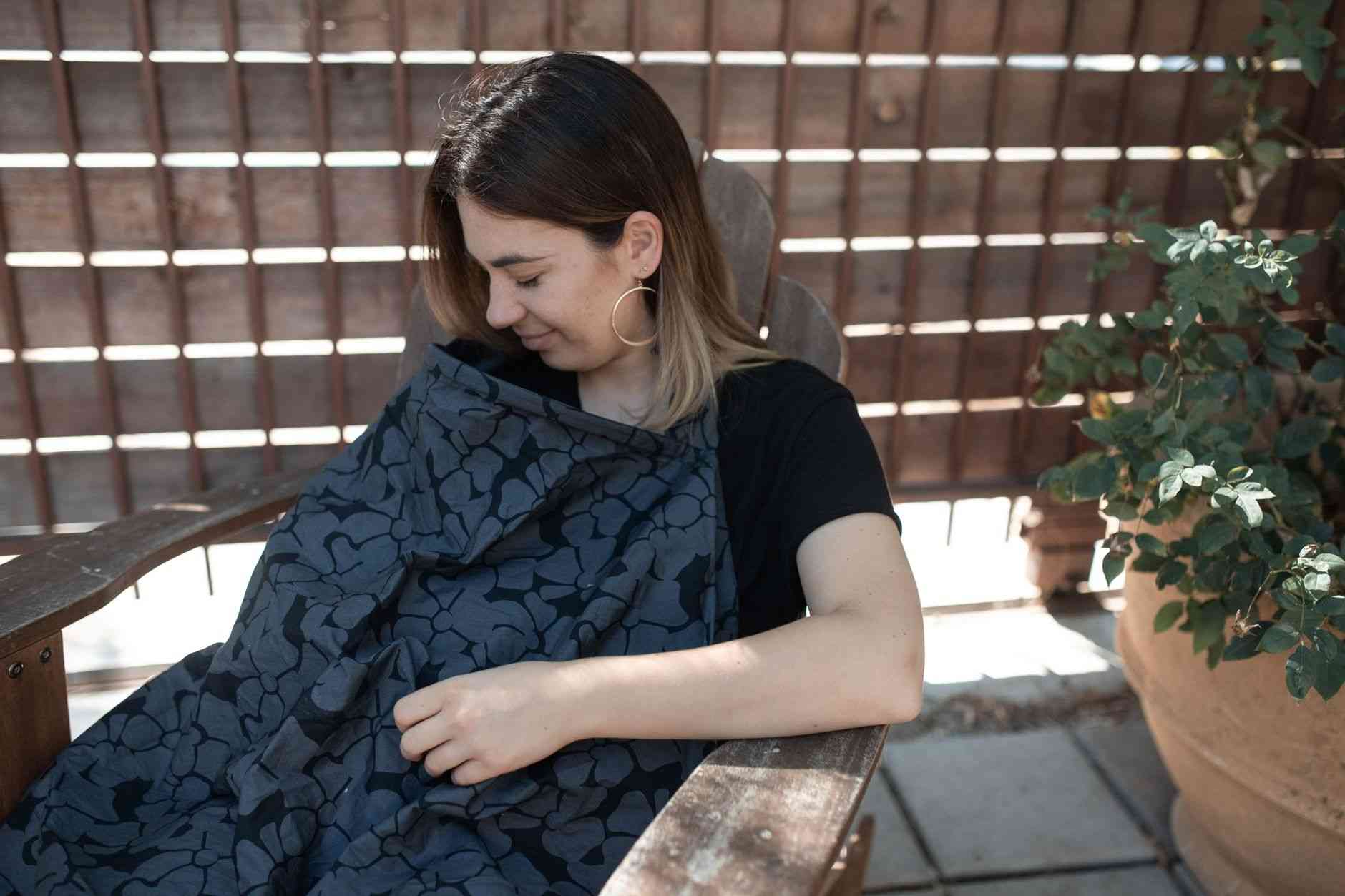
Products that genuinely help postnatal recovery
My Expert Midwife
My Expert Midwife is a UK brand founded by qualified midwives that focuses on evidence-based postnatal care. The Peri Prep Your Bits spray at around £10 is a pre-labour perineal preparation (used antenatally rather than postnatally). Postnatally, the Spritz for Bits perineal spray at £10 is widely recommended for soothing stitches and swelling in the first two to three weeks.
The My Expert Midwife No Harm Nipple Balm at £10 (lanolin-free, Lansinoh is the lanolin equivalent at the same price) is a sensible breastfeeding accessory from week one. Both brands are stocked at Boots, Amazon and Ocado.
Lansinoh
Lansinoh is the long-established brand for lanolin-based nipple cream, breast pads and breastfeeding accessories. The HPA Lanolin at £8 to £12 remains the UK standard for cracked and sore nipples. Lansinoh breast pads at £6 to £10 for a 60-pack handle the first weeks of leaking. The TheraPearl Breast Therapy packs at £15 (heat for let-down, cold for engorgement) are a worthwhile buy for the first eight weeks of breastfeeding.
Mama Mio and skincare recovery
Mama Mio’s skincare range targets the specific postnatal skin changes: stretch marks, dryness and loss of elasticity. The O Mega Body Butter at £27 to £35 is heavily moisturising and suited to the dry skin of the first postnatal months. The Tummy Rub Butter at £34 is marketed for pregnancy but works equally well postnatally.
The honest view is that no skincare prevents or completely reverses stretch marks; they are a normal result of pregnancy skin changes. The right expectation is comfort and moisture, not a before-and-after transformation.
Spatone and iron supplementation
Postnatal iron deficiency is widespread, affecting roughly 30 to 40% of UK women six weeks after birth. Spatone liquid iron at £15 to £20 for a 28-sachet pack is a gentler iron supplement than tablet forms, with less of the constipation that iron pills often cause. For diagnosed anaemia, your GP may prescribe ferrous sulphate at a higher dose; Spatone is a maintenance-level supplement for mild deficiency and ongoing use.
A blood test at the six-week postnatal check should include iron and ferritin levels; ask specifically if the GP does not include it. Many postnatal low-energy complaints are iron-driven and respond quickly to targeted supplementation.
Pregnacare
Pregnacare’s Breastfeeding Original at £10 to £15 is a continuation multivitamin specifically for breastfeeding mothers, with vitamin D, calcium and the full B-complex. For mothers not breastfeeding, a standard women’s multivitamin like Centrum Women or the Boots own-brand women’s formula works equally well. The specific need is vitamin D supplementation (10 micrograms daily minimum through winter) regardless of breastfeeding status.
The sleep triage: what you can and cannot control
In the first 12 weeks postpartum, sleep is interrupted by biology, not by poor habits. Night feeds, settling, and your own body’s hormonally-driven sleep disruption combine to make any 8-hour night unlikely. The right strategy is triage, not optimisation.
The three sleep habits that matter most: sleep when the baby sleeps during the day for at least 90 minutes of the first nap, delegate the 11pm feed to a partner if possible so you can get a 4-hour block early, and avoid caffeine after 2pm. The caffeine rule matters more than parents expect; a 3pm cup of coffee demonstrably reduces the quality of the 9pm post-feed window.
Christmas disrupts this because of visitors, late dinners and the general sense that “it’s Christmas, you should stay up“. The right response is to say no clearly. “I’m going to bed at 9pm” or “I’m going for a nap now, back for 6pm” is not antisocial. It is appropriate self-care that family members will understand with time.
The visitor management plan
A new mother in weeks 6 to 12 postpartum should not host for Christmas Day. This is a hard rule. Hosting means late nights, standing in the kitchen for extended periods, managing seating plans, and absorbing the emotional labour of other people’s expectations.
The alternatives: travel to a grandparent or sibling’s house where the baby can be passed around but you are not responsible for the meal. Have close family visit for an afternoon-only session with a buffet rather than a sit-down meal. Order a Christmas Day meal delivery from Daylesford, Ocado or a local caterer and let someone else serve.
If relatives are coming to stay, set the ground rules in advance. Rules that work: visiting hours of 11am to 7pm, nobody arrives on Christmas Eve, the mother can leave any room at any time without explanation, and nobody expects dressed-up photos. Communicate these before anyone books their travel.
The specific friends and family who will be unhelpful (opinionated grandmothers-in-law, well-meaning sisters who want to “help” by rearranging your kitchen) can be deprioritised for a January visit. December is not the window for extended family networking.
Mental health: when to call for help
The transition from baby blues (common, resolves in two weeks) to postnatal depression (not resolving, affects daily function) is a medical issue. The red flags that warrant a GP call: persistent low mood lasting more than two weeks, inability to feel pleasure in activities you normally enjoy, intrusive thoughts about yourself or the baby, significant sleep disruption beyond what the baby’s schedule explains, loss of appetite or compulsive eating, and feelings of hopelessness about the future.
The NHS Perinatal Mental Health Service runs through winter and the services are available throughout the Christmas period. Call your GP for referral or dial NHS 111. The Samaritans at 116 123 operates 24/7 including Christmas Day. The MIND Infoline at 0300 123 3393 is also available.
Christmas-week specifically is a known risk window for new mothers because of the collision of family dynamics, sleep disruption and expectation pressure. Being prepared with contact numbers and a partner who understands the warning signs is sensible.
The dressing-up and body-image part
The pressure to appear in a Christmas Day photograph in a party dress, with makeup, hair done, and the baby in matching Christmas pyjamas is widespread on social media. It is also a specific trap for new mothers who feel disconnected from the body they had before pregnancy.
The practical approach: dress comfortably on Christmas Day in whatever feels good. A soft jersey dress from M&S or John Lewis at £35 to £65 that works with a nursing bra and does not restrict breathing. Flat shoes. Minimal makeup if any. A simple blow-dry or air-dried hair.
The social media photographs that look effortless are usually heavily edited and taken across 40 attempts. The honest Christmas photograph of a new mother in week 8 postpartum is her in her pyjamas with the baby on her chest, and that is a better photograph for a family album than any posed version.

Practical kit for the first Christmas week
For the physical recovery
A Spritz for Bits perineal spray if still in the first two weeks postpartum. Lansinoh HPA Lanolin or My Expert Midwife No Harm Nipple Balm if breastfeeding. Spatone iron sachets if blood tests confirm low iron. A good pair of soft, non-wired nursing bras from Bravado or Elle Macpherson at £28 to £45 each.
For the mental recovery
A paperback novel (not a self-improvement book, something light and absorbing). A hot water bottle. A proper weighted blanket at £35 to £85 from Dreamland or Kally Sleep. A set of three or four soft comfortable loungewear outfits that work for day and night in the first 12 weeks.
For the baby
A new sleepsuit for Christmas Day in whatever feels seasonal. A keepsake Christmas ornament with the baby’s name or year. A simple photograph taken by a partner rather than a professional photographer at home. The pressure for a formal Santa-and-baby photograph can wait until the baby is older.
Quick comparison
| Need | Product | Price | Where to buy |
|---|---|---|---|
| Perineal healing | My Expert Midwife Spritz for Bits | £10 | Boots, Amazon |
| Nipple soreness | Lansinoh HPA Lanolin | £8-12 | Boots, Mothercare direct, Amazon |
| Iron deficiency | Spatone sachets | £15-20 for 28 | Boots, Holland & Barrett |
| Postnatal multivitamin | Pregnacare Breastfeeding | £10-15 | Boots, supermarkets |
| Vitamin D supplement | Boots own brand or Vitabiotics | £5-10 | Boots, supermarkets |
| Breast pads | Lansinoh 60-pack | £6-10 | Boots, supermarkets |
| Nursing bra | Bravado soft-cup | £28-45 | John Lewis, Mothercare direct |
| Weighted blanket | Dreamland 6.8kg | £35-85 | John Lewis, Amazon |
Do’s and Don’ts
| Do's | Don'ts |
|---|---|
| Say no to hosting Christmas Day while you are in the first 12 weeks postpartum, and ask another family member to host instead. | Don't accept hosting duties out of social pressure in weeks 6 to 12 postpartum; the physical cost outweighs the perceived obligation. |
| Take Spatone iron sachets or GP-prescribed iron if your six-week blood test shows low ferritin, because postnatal anaemia is widespread. | Don't dismiss postnatal low-energy complaints as "just being tired"; iron deficiency affects 30 to 40% of UK women six weeks postpartum. |
| Supplement with 10 micrograms vitamin D daily through winter alongside breastfeeding multivitamins or standard women's multivitamins. | Don't skip vitamin D in the postnatal winter window; UK sunlight is inadequate from October to March and bone health matters. |
| Delegate the 11pm feed to a partner if possible so you can get a 4-hour early-night block of sleep. | Don't insist on handling every night feed if you have a partner at home; sleep debt in weeks 6 to 12 is a mental health risk factor. |
| Call your GP or NHS 111 if you experience persistent low mood, intrusive thoughts, or hopelessness beyond two weeks. | Don't wait to call for help if symptoms persist; postnatal depression responds to early treatment far better than late-stage. |
| Set clear visiting rules with relatives before Christmas: visiting hours, no overnight stays until you are ready, mother leaves any room anytime. | Don't allow extended-family drop-ins at any hour; late visits and unannounced guests undermine the sleep triage. |
| Dress in a comfortable soft jersey dress or loungewear for Christmas Day that works with a nursing bra. | Don't force yourself into a tight party dress for a Christmas photo; the discomfort compounds across a six-hour day. |
| Order Christmas food delivery from Ocado, Waitrose or a local caterer rather than cooking from scratch. | Don't attempt a traditional Christmas dinner from scratch in weeks 6 to 12 postpartum; the standing time alone is prohibitive. |
| Keep the Samaritans (116 123) and NHS 111 numbers visible on the fridge throughout Christmas week. | Don't assume Christmas Day means mental health services are closed; the Samaritans and NHS 111 run 24/7 including bank holidays. |
| Prioritise one or two close relatives for in-person Christmas visits and defer the broader network to January. | Don't try to see every relative in the Christmas week; late-stage visiting fatigue is the usual Christmas Day crash point. |
FAQ
When should I expect to feel physically recovered after childbirth
The pelvic floor and abdominal muscles typically require 12 to 20 weeks for meaningful recovery after a vaginal birth, and 16 to 24 weeks after a C-section. The six-week GP check is a milestone but not a declaration of full recovery. Breastfeeding, if continued, extends hormonal readjustment timelines. Full energy return usually comes between weeks 10 and 16, with ongoing improvement to around month six. If you are not feeling meaningfully better by week 10 to 12, raise it with your GP.
Is Spatone really better than iron tablets
Spatone is a lower-dose, better-tolerated form of iron that suits mild deficiency and maintenance. For diagnosed anaemia (ferritin below 30 micrograms per litre), your GP will likely prescribe ferrous sulphate or fumarate at a higher dose. Spatone’s advantage is reduced constipation and nausea compared with iron tablets. For most postnatal low-iron maintenance, Spatone or Floradix at similar pricing is a sensible first choice; for diagnosed anaemia, follow GP advice on the prescription dose.
Can I drink alcohol over Christmas while breastfeeding
Yes with timing considerations. Alcohol passes into breast milk at roughly the same concentration as the blood, with the baby exposed to about 2% of the mother’s dose. One drink typically clears from breast milk in 2 to 3 hours. The practical approach is to time a drink after a feed rather than before, which gives the body time to metabolise. Avoid heavy drinking because the sleep disruption effect of alcohol is particularly bad when sleep is already fragmented.
How do I manage Christmas Day visitors who ignore my boundaries
Set the rules in writing before anyone arrives. A short message to all expected relatives in mid-December: visiting hours are 11am to 6pm, no uninvited drop-ins, the mother takes rest breaks whenever needed, no photographs without explicit permission. Repeat the rules verbally on arrival if needed. If a relative persistently breaks the rules, your partner should intervene and politely ask them to leave early. This is a scenario where quiet firmness beats avoidance.
What is the best way to signal “I need to go to bed” to Christmas Day guests
Set a stated exit time at the start of the day. “I’ll need to go up to bed around 9pm” or “I’m going to feed and settle at 8:30 and then I’ll be done for the night” removes the moment-by-moment awkwardness. If guests have not left by your stated time, your partner or a close relative can step in to signal the end of the evening. Guests should respect the stated exit; if they do not, you have grounds to be firmer in future.
Should I accept help from relatives who want to hold the baby for hours
Yes if they can hold the baby safely while you rest, no if they are using the baby as the entertainment while you are expected to serve them. The useful help in weeks 6 to 12 is other people watching the baby in a safe room, making tea, loading the dishwasher and leaving on time. The unhelpful help is relatives who photograph the baby, ask questions constantly, and expect to be fed. Distinguish between the two and lean on the first group.
When should I start exercising again after birth
Light walking from the first week is fine for most mothers and encouraged for recovery. Pelvic floor exercises start from the first days postpartum. More structured exercise (running, Pilates, weights) typically waits until after the six-week check and ideally after a women’s health physiotherapy assessment, which the NHS does not routinely offer but which many GPs will refer for on request. Avoid high-impact exercise before 12 weeks postpartum because the pelvic floor and abdominal muscles are not ready.
Is postnatal depression more common in winter
The evidence is mixed. There is some research suggesting winter births may carry a slightly higher postnatal depression risk due to reduced vitamin D and daylight, but the effect is small. The Christmas-week spike in reported new-mother distress is more directly explained by sleep disruption, family dynamics, expectation pressure, and the collision of allthree. Vitamin D supplementation through winter, sleep triage, and firm visitor rules address the biggest contributing factors.