By mid-November the first proper cold has usually arrived through the front door. A toddler brings it home from nursery, passes it to a parent within three days, and the house becomes a rotating pattern of broken sleep, Calpol, and tissues on every surface. The seasonal cycle is unavoidable, but what children eat during this window makes a measurable difference to how long symptoms last and how often they recur across the winter.
The question is not whether supplements and superfoods will prevent illness; most of the hyped claims around winter immunity do not survive proper nutrition science. The practical question is which everyday meals genuinely support a child’s immune system across six months, which ingredients are worth buying, and how to assemble these meals when you have a toddler underfoot and 25 minutes before witching hour. This guide covers the real evidence-based pattern plus the UK retailers and meal kits that make the cooking manageable.
What actually supports immunity in winter
Winter immunity in young children comes down to five factors: adequate vitamin D (hard to get from sunlight in Britain from October to March), zinc and vitamin C across the week, a diverse gut microbiome from fibre and fermented foods, enough iron to support normal immune function, and sufficient sleep. All five respond better to consistent daily patterns than to any single superfood.
Vitamin D is the UK-specific issue. The NHS recommends daily supplementation at 10 micrograms for children aged 1 to 4 and 8.5 to 10 micrograms for babies from birth. Boots, Holland & Barrett and Superdrug all sell suitable children’s drops at £5 to £12 for a three to six month supply. Adults should supplement at the same 10 microgram level through winter. This single step matters more than any immune-boosting smoothie.
The food side becomes about building the week around specific protective ingredients: oranges, kiwi fruit, broccoli, bell peppers, strawberries (frozen in winter is fine), red lentils, chickpeas, eggs, salmon, chicken, leafy greens like kale and spinach, garlic, ginger, oats, and plain yoghurt or kefir. None of these are exotic or expensive, and most are available year-round at Ocado, Waitrose or any supermarket.
The weeknight meal pattern that works
Monday: red lentil and vegetable soup
Red lentils are the under-used winter staple. One 500g bag at Ocado for around £2 makes six meals’ worth of soup. A standard recipe uses 250g lentils, one onion, two carrots, two cloves of garlic, a tin of chopped tomatoes, 1 litre of chicken or vegetable stock, cumin and smoked paprika. Thirty minutes from chop to serve. The soup freezes well and reheats on a hob in six minutes.
For toddlers, blend half the batch smooth and leave half with texture; most will accept smooth lentil soup from around 14 months and chunky from around 2. Serve with a slice of buttered sourdough from Waitrose or M&S bakery.
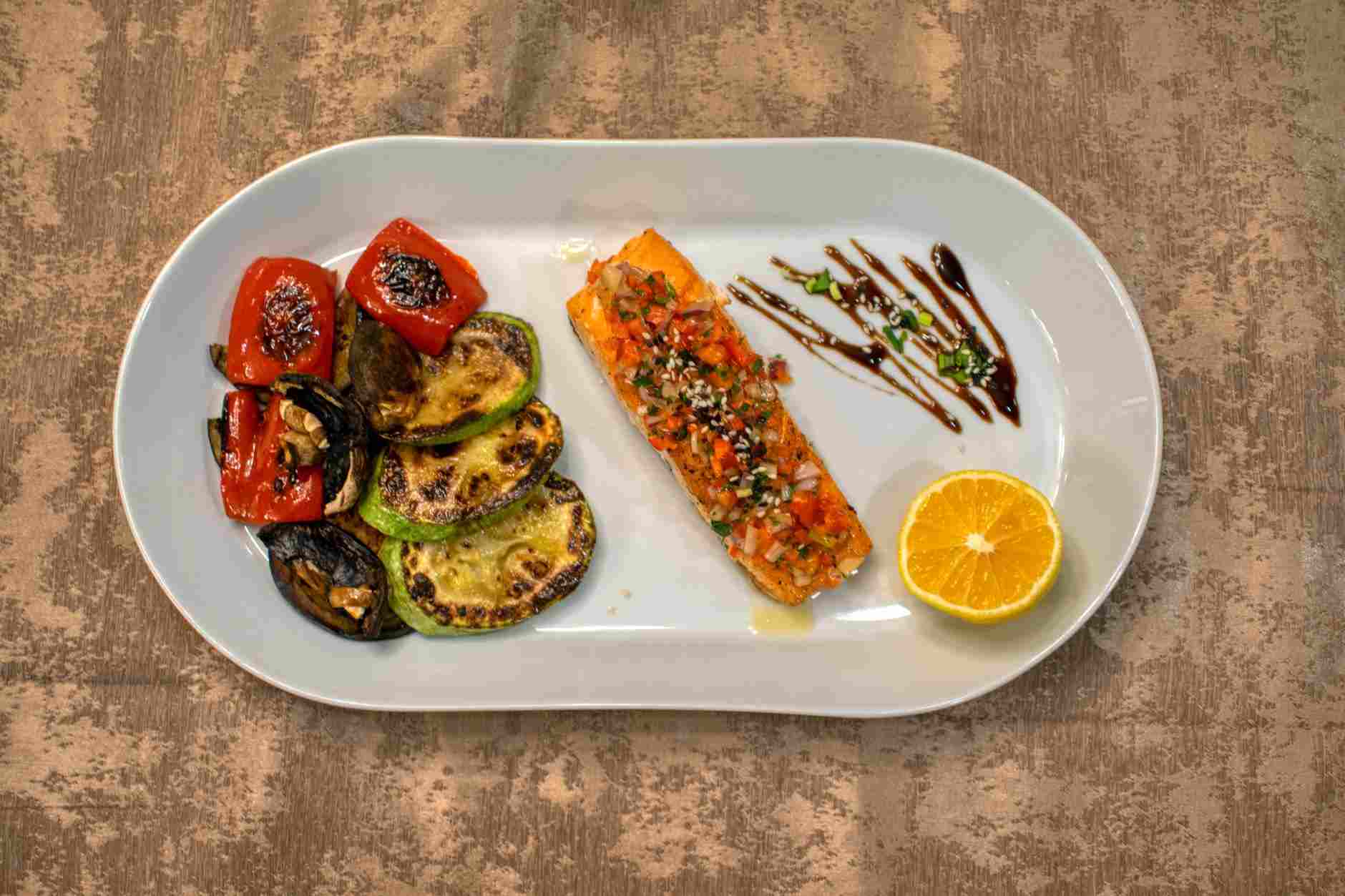
Tuesday: salmon with roast vegetables
Salmon delivers vitamin D plus the omega-3 fats that support immune function. A 240g pack of two salmon fillets from Ocado or Waitrose runs £4 to £6. Roast at 200 degrees for 12 to 14 minutes alongside a tray of chopped sweet potato, red pepper and broccoli tossed in olive oil. Serve with rice or couscous.
For toddlers who are suspicious of salmon, flake the cooked fish into a small tomato-pasta sauce. Most children who dislike visible salmon will eat it hidden through a familiar carrier.
Wednesday: chicken and vegetable stir fry
Lean chicken thigh at around £6 per kg provides zinc and iron. Stir-fry with ginger, garlic, broccoli, baby corn, red pepper and a splash of soy and honey. Serve over brown or jasmine rice. The whole dish is 20 minutes if the rice goes in first. Mindful Chef and Gousto both carry versions of this recipe pre-portioned which saves the shopping cognitive load for £4 to £6 per adult serving.
Thursday: roast chicken thighs with greens
A tray of chicken thighs (bone in, skin on) at £5 to £7 roasted at 200 degrees for 35 to 40 minutes with lemon and garlic alongside wedges of butternut squash. Serve with wilted spinach or steamed kale. The chicken provides the week’s second zinc hit and the leftover carcass makes stock for Friday’s soup or Monday’s lentils next week.
Friday: tomato pasta with hidden vegetables
Tomatoes, carrots and courgette blended into a sauce over wholegrain pasta is the universal fallback meal. The hidden vegetable approach works because the sauce reads as tomato pasta to a toddler but delivers three different plant sources. Add a dollop of Greek yoghurt rather than cheese for a probiotic element, or serve with grated cheddar for a familiar finish.

Meal kit options for weeks when cooking is impossible
Mindful Chef
Mindful Chef at £5 to £7 per adult portion delivers box kits that specifically avoid gluten, refined sugar and dairy. The emphasis on vegetables and lean protein suits a winter immunity focus. Portion sizes are honest; children aged 4 and up usually need half an adult portion. The main weakness is children’s palates: Mindful Chef recipes often involve chilli heat, which rules out some meals for families with young children. Check the specific recipe before ordering.
Gousto
Gousto at £3.50 to £6 per adult portion runs a wider menu including more conventional family meals (sausage casserole, chicken curry, chilli). Winter immunity-friendly options are available but need picking out from the full menu. Gousto‘s advantage is sheer flexibility; most families find three to four suitable recipes per week.
HelloFresh
HelloFresh sits similarly priced to Gousto with slightly larger portion sizes. The menu rotation is slower but the kids’ menu is more clearly flagged. For families new to meal kits, HelloFresh is often the easiest first step.
Riverford and Abel & Cole
Riverford and Abel & Cole are the organic veg-box routes. A standard family-size box at £20 to £28 per week delivers 10 to 14 types of seasonal vegetables plus a selection of recipes. The learning curve is a seasonal reset: you cook what the box contains rather than ordering by recipe. For families who want more vegetable variety than they would otherwise buy, this is a practical shift.
Breakfast and snack additions worth building in
Winter breakfasts should prioritise iron and vitamin D. Fortified cereals (Weetabix, Ready Brek, porridge oats with milk) deliver iron. Eggs twice a week cover vitamin D and protein. Fruit at breakfast adds vitamin C; sliced kiwi, segments of orange or clementine, or berries from the freezer.
Snacks for toddlers through winter should include probiotic yoghurt (Yeo Valley, Rachel’s or kefir drinks from Waitrose), handful-sized portions of unsalted nuts (for over-threes), vegetable sticks with hummus, and oat biscuits. Avoid routine fruit juice; the sugar load is high and the vitamin C from a satsuma is a better delivery.
Vitamin D drops in the morning, with breakfast, becomes an automatic habit after a week. Set them on the kitchen counter next to the toaster so you cannot miss them.
Hydration, sleep and the behavioural layer
Food and supplements only work if the behavioural infrastructure supports immunity. Children in nurseries pick up 8 to 12 colds a year on average. The mitigations that genuinely reduce this: proper handwashing on arrival home, adequate sleep (10 to 13 hours for 1 to 3 year olds, 10 to 12 hours for 4 to 6 year olds), minimising screen time two hours before bed, and keeping bedrooms at 16 to 20 degrees. These are more impactful than any specific food choice.
For hydration, water remains the baseline. A toddler should drink around 1 litre per day in winter, which is harder than summer because they feel less thirsty. Warm diluted blackcurrant drinks, herbal teas like Pukka’s lemon and honey, and clear broth all count toward the daily total.
When to accept the illness and when to see a GP
Most childhood coughs and colds in winter resolve within 7 to 10 days without medical intervention. The red flags that warrant a GP call: fever over 38 degrees in a baby under 3 months, over 39 degrees in a baby 3 to 6 months, or any fever lasting more than 5 days. A persistent cough after 3 weeks. Breathing difficulties, unusual drowsiness, or a rash that does not fade under pressure. For non-urgent concerns, the NHS 111 service runs through winter.
The immune-support meal pattern is about reducing frequency and severity across the season, not preventing every illness. A child who still gets 6 colds in a winter instead of 10, and recovers in 5 days rather than 10, has had a materially better winter even though you cannot see the effect in any single week.
Quick comparison
| Meal source | Cost per family of 4 | Prep time | Immune support level | Child acceptance |
|---|---|---|---|---|
| Home-cooked lentil soup | £5-7 | 30 min | High | Medium with blending |
| Home-cooked salmon with vegetables | £12-16 | 25 min | Very high | Medium, improves with repetition |
| Mindful Chef kit | £16-24 | 25-35 min | High | Varies by recipe |
| Gousto family box | £14-22 | 25-35 min | Medium | High |
| HelloFresh family box | £15-24 | 25-35 min | Medium | High |
| Riverford veg box plus home protein | £22-32 total | Varies | Very high | Low to medium at first |
| Supermarket ready meal | £8-14 | 10 min | Low | High |
Do’s and Don’ts
| Do's | Don'ts |
|---|---|
| Give children aged 1 to 4 a daily 10 microgram vitamin D supplement from October through March as the NHS recommends. | Don't skip winter vitamin D supplementation assuming food alone covers the requirement; UK sunlight is insufficient from October to March. |
| Build a weekly meal pattern around red lentils, salmon, chicken, eggs, broccoli and bell peppers for consistent nutrient coverage. | Don't rely on single "immune-boosting" smoothies or supplements; consistent daily patterns outperform any one-off food. |
| Blend hidden vegetables (carrot, courgette, red pepper) into familiar carriers like tomato pasta sauce for toddlers who refuse visible vegetables. | Don't force vegetables on a plate against resistance; the hidden carrier approach keeps the nutrient delivery without the daily battle. |
| Serve plain yoghurt or kefir from Yeo Valley or Rachel's as part of the daily snack routine to support gut microbiome diversity. | Don't give sweetened flavoured yoghurts routinely; the added sugar undercuts the probiotic benefit and sets a sweet taste preference. |
| Use a meal kit from Mindful Chef or Gousto for two to three weeknight meals when cooking from scratch is unmanageable. | Don't shame yourself for using meal kits during a bad week; a kit-based lentil dahl is better than a toddler surviving on toast. |
| Prioritise 10 to 13 hours of sleep for toddlers and 10 to 12 for primary-school children by keeping consistent bedtimes. | Don't drift bedtimes later across the autumn half-term because the recovery to school routine takes two weeks and immunity drops. |
| Wash hands properly on arrival home from nursery or school with soap and water for 20 seconds. | Don't rely on hand sanitiser alone; soap and water removes viral particles more effectively, particularly for toddlers. |
| Call NHS 111 or GP if a child under 6 months runs a fever over 39 degrees, or any child has fever lasting more than 5 days. | Don't ignore red flag symptoms (breathing difficulty, unusual drowsiness, non-fading rash) because the illness is "just a cold". |
| Keep the kitchen stocked with frozen berries, bags of frozen spinach, and a dozen eggs for quick immune-friendly meals. | Don't let the fruit and vegetable supply run out mid-week; the week-two slump is where most families default to beige food. |
| Use the freezer actively: cook double portions of lentil soup and chicken dishes to pull out on sick-day or busy evenings. | Don't start the batch-cooking habit only when illness strikes; the easier week-one habit becomes the automatic winter default. |

FAQ
What is the single most important nutritional step for children in winter
Daily vitamin D supplementation at 10 micrograms. UK sunlight from October through March is insufficient to meet vitamin D requirements through skin synthesis, and food sources alone (oily fish, eggs, fortified cereals) rarely close the gap. The NHS recommends daily drops or tablets for all children aged 1 to 4, with continued supplementation beneficial through childhood. A six-month supply costs £5 to £12. If you do nothing else, do this.
Are “immune-boosting” smoothies worth making
Smoothies made with real fruit and vegetables are a reasonable delivery vehicle for vitamin C and some fibre. The specific “immune-boosting” claims around turmeric, ginger and spirulina smoothies are oversold. A smoothie with frozen berries, banana, spinach and Greek yoghurt is a good breakfast; it is not meaningfully more immunity-supporting than eating the same ingredients separately. Avoid shop-bought smoothies with added juice concentrates and high sugar content.
How do I get a toddler to eat broccoli
Serve broccoli four to six times before concluding they will not eat it. Research on toddler food acceptance shows repeated exposure matters more than clever presentation. Roasted broccoli at 200 degrees with olive oil and lemon tastes different (sweeter, crisper) from boiled broccoli and is often accepted sooner. Serve florets rather than stems. If the resistance is total, blend into pasta sauce or omelettes as a hidden carrier and continue offering visible broccoli at other meals.
Is organic food worth paying for in winter
The honest answer is marginal. For produce where the pesticide residue list is low (bananas, oranges, avocado, onion), organic is not meaningfully better. For items on the dirty dozen list (strawberries, spinach, kale, apples, grapes), organic has a defensible case. For meat and dairy, organic standards also mean higher welfare and often better flavour. For a family on a budget, prioritise organic for strawberries, spinach, apples and chicken; buy conventional for bananas, broccoli and citrus.
How should I handle a child who refuses to eat during a cold
Reduced appetite during illness is normal and self-limiting. Focus on hydration (water, warm diluted blackcurrant, broth) rather than forcing solid food. Offer small, familiar meals (toast, scrambled eggs, chicken soup, mashed banana) without pressure. Most children return to normal appetite within 48 hours of fever breaking. Call a GP if a child refuses all fluids for more than 8 hours, becomes unusually drowsy, or shows signs of dehydration (dry nappies, dark urine, dry lips).
Which meal kit is best for a family focused on winter immunity
Mindful Chef has the strongest alignment with evidence-based immunity support because the menu emphasises lean protein, oily fish, and heavy vegetable content without added refined sugar or gluten. The pricing is at the top end of the UK meal kit market (£5 to £7 per portion). Gousto is a flexible second choice; use the recipe filters to pick the vegetable-heavy and salmon-based meals from the weekly menu. For a family-friendly compromise, Gousto typically works better than Mindful Chef for children aged 2 to 5.
Does chicken soup actually help a cold
The evidence is more supportive than the folklore suggests. Chicken soup provides warm hydration, mild salt replacement, protein, and ingredients (onion, garlic, carrot) with mild anti-inflammatory properties. Studies at the University of Nebraska in 2000 and follow-up research suggest chicken soup has a modest effect on neutrophil activity relevant to cold symptoms. The practical effect is helpful: a warm bowl of chicken soup is one of the best things to serve a child feeling rough, both nutritionally and emotionally.
How much milk should a child drink per day in winter
The NHS guidance is 300 to 400 ml per day of whole milk for children aged 1 to 2, and 300 ml for children 2 to 5. Over-consumption of milk is a specific winter risk because milk is filling and displaces iron-rich foods, increasing anaemia risk. If a child is drinking more than 500 ml per day of milk and refusing meals, the milk intake is the first thing to reduce. Water should be the primary hydration throughout the day with milk at breakfast and before bed.