A specific scene plays out in millions of UK households every 27 December. The toddler has received 14 Christmas presents from grandparents, aunts, uncles and the parents themselves. By mid-afternoon on Boxing Day, four of the toys are already in the plastic recycling, three are already broken, and seven are still boxed because the toddler has been playing with the empty cardboard box from the first gift for two solid hours. The spend ran to £300. The lasting play value is roughly £40.
The gift-under-£25 category is where the smarter choices sit. The practical frame is not price-to-feature ratio but price-to-months-of-use ratio. A £22 wooden toy that gets played with for 18 months delivers vastly better value than a £22 battery-operated plastic toy that gets abandoned by 2 January. This guide covers which specific gifts in the sub-£25 bracket have genuinely lasting play value for toddlers aged 18 months to 4 years, based on UK retailers in October 2026.
The categories that reliably deliver
Wooden toys from Melissa & Doug, Hape, and Big Jigs are the dominant quality-brand presence in the under-£25 bracket. Lego Duplo sits at a slightly higher average price but with similar longevity. Books, art supplies, and simple pretend-play sets round out the sub-£25 category where parent regret is lowest after a year.
The categories to avoid are battery-operated toys that make noise but have a single mode, licensed-character tat with a thin build (most Peppa Pig, Paw Patrol and Bluey plastic toys fall into this), and anything advertised with “educational” branding without genuine educational grounding. The “educational” label is applied to many flashcards, letter sets and spelling toys that toddlers reject within a week because the content outpaces their actual developmental window.
The reliable buying strategy: skew toward open-ended toys (blocks, shape sorters, play food, duplo), proper books rather than merchandise books, and craft supplies for ages 3 and up. The specific recommendations below sit within these categories.
Wooden toys under £25
Melissa & Doug (available at John Lewis, Smyths, Amazon)
Melissa & Doug’s Cutting Food set at around £18 is the strongest value in the under-£25 bracket. Wooden fruits and vegetables with velcro join points that the child “cuts” with a wooden knife. Combines pretend play, fine motor skills, and durability. Still played with by many families 18 months after purchase. The company also runs a Latches Board at £22 (practising door bolts, hooks and clasps) that holds attention surprisingly well for 2 to 4 year olds.
The Melissa & Doug Peg Puzzles at £10 to £15 are strong first puzzles for 18 months upward. The chunky wooden pieces survive genuine toddler handling. The company’s Water Wow re-usable painting books at £8 to £10 are excellent travel toys that give 30 to 50 uses before the paper quality degrades.
Hape (available at John Lewis, Smyths, Hamleys)
Hape wooden toys sit at a slightly higher average price point but with excellent finish. The Hape Mighty Mini Band musical set at around £18 provides proper small-scale drums, xylophone and shaker that children ages 2 to 4 return to repeatedly. The Hape Shape Sorter cube at around £16 is a strong first shape-sorting toy, more durable than the plastic Fisher-Price equivalent at the same price.
Hape’s wooden food sets, kitchen accessories and tool kits are consistently in the £15 to £22 range and consistently good. Avoid the lower-priced Hape items under £10 because the pieces are smaller and lose play value next to a complete set.
Big Jigs (available at John Lewis, Hamleys, independent toy shops)
Big Jigs is the UK-based wooden toy brand that competes with the American Melissa & Doug offering. Big Jigs’s Chunky Wooden Puzzle sets at £10 to £15 are excellent, and the wooden train track accessories at £12 to £22 extend any existing Brio or Ikea train set. The build quality is identical to Melissa & Doug at similar prices.
Lego Duplo starter sets
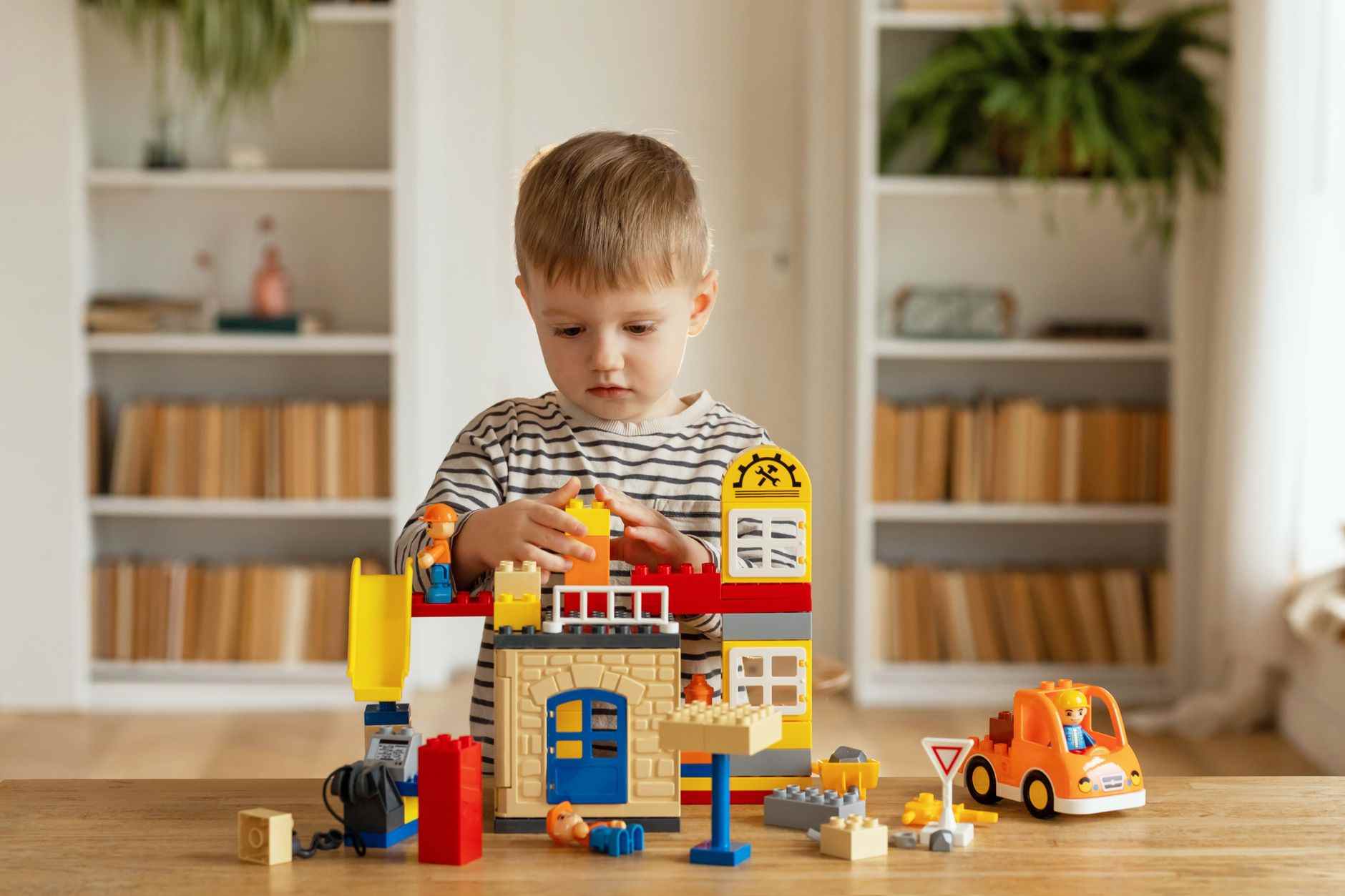
Lego Duplo is the one branded plastic toy range that delivers genuine long-run value because the pieces integrate across sets and ages. The starter sets at £15 to £22 (Lego Duplo My First Number Train, Deluxe Brick Box, Farm Barn) are good first purchases for a 2-year-old.
For an existing Duplo household, add-on sets with specific themes (vehicles, animals, buildings) at £15 to £22 integrate immediately. Avoid the licensed character Duplo sets (Peppa Pig, Mickey Mouse) which charge a premium for the branding and often have fewer bricks per set. The generic Lego Duplo themes deliver more bricks per pound.
Books that get read 50 times
Books are the under-£10 category where the right choice delivers extraordinary value. A hardback picture book at £8 to £12 that becomes a bedtime favourite gets read 50 to 100 times, which is a per-reading cost of 10 to 20 pence.
The reliable choices for 2 to 4 year olds in 2026: anything by Julia Donaldson and Axel Scheffler (The Gruffalo, Room on the Broom, Zog, Stick Man), Oi Frog and Friends by Kes Gray and Jim Field, the Mog books by Judith Kerr, the Elmer series by David McKee, and the Winnie the Witch stories by Valerie Thomas and Korky Paul.
For slightly older children (3 to 5), the Mr Men and Little Miss boxed sets from Waterstones at £15 to £25 are a strong gift. The Usborne That’s Not My... touch-and-feel series at £6.99 each is the right choice for 12 to 18 months. Avoid book boxes marketed as “educational”; most pay a premium for licensing rather than content.
Craft supplies and art kits
For children aged 3 and up, basic art supplies work far better than any single craftkit. A properly stocked art drawer costs £20 to £30 once and provides 18 months of rotation.
Hobbycraft and The Works both sell starter sets. A reasonable Christmas gift bundle: Crayola Washable Markers at £6 to £8, a pack of plain A4 paper, a child’s safety scissors from Argos at £3, kids’ PVA glue at £3, a Djeco sticker set at £6 to £8, and a Melissa & Doug reusable sticker scene at £6 to £10. Total under £25 and genuinely months of use.
Older toddlers (3 to 4) handle Paint Sticks (solid paint in stick form) particularly well. The Jar Melo brand at Argos or The Works at £10 to £15 for 24 colours delivers less mess than liquid paint and better coverage than pencils.
Pretend-play and musical instruments
Pretend-play kits in the under-£25 bracket work particularly well for children in the 2 to 4 window where imaginative play expands rapidly. A doctor’s set, tea set, tool set, or kitchen accessories ties the toddler into longer play sessions than any single-purpose toy.
Argos has strong budget options: the Chad Valley doctor’s kit at £10, the Chad Valley wooden toolbench at £18 to £22. For slightly better quality, the Early Learning Centre Doctor’s Set at £16, and the ELC Happyland sets at £15 to £20. The ELC range was relaunched in 2024 and the current build quality is reasonable, though below Hape or Melissa & Doug.
Musical instruments at the under-£25 range are mostly novelty quality. The exceptions: the Hape Mighty Mini Band mentioned above, the Yamaha PY-01 kids’ piano keyboard at £22 (actually musical rather than beep-and-buzz plastic), and a proper child’s wooden ukulele from Big Jigs at £22.
What to avoid specifically
Battery-operated plastic toys that make a single noise. Most “learning laptops” and “learning phones” from VTech and Fisher-Price at the £15 to £25 bracket are abandoned within a month because the toddler masters the limited interaction quickly.
Licensed-character plastic toys at £15 to £22 (Paw Patrol vehicles, Peppa Pig playsets, Bluey figures) have fast-fading play value and poor build quality. The licensing adds £5 to £10 to the equivalent generic plastic toy without adding play depth.
Water tables and sand tables cost £25 to £60 and deliver about three months of summer value and then eight months of garden storage. Buy in May, not December.
Any gift described as “educational” without a specific developmental grounding (books by actual educators, puzzles with age-appropriate pieces, art supplies). The term is now marketing filler on toys that have no particular educational value.

When and where to buy
Smyths, John Lewis, Argos and Amazon are the main under-£25 toddler toy retailers in the UK. Pricing is relatively stable across them, with Amazon occasionally undercutting on specific Hape and Melissa & Doug items by £2 to £4. John Lewis sometimes runs a “spend £50 get £10 off” offer in late October.
Hobbycraft, The Works and Early Learning Centre (now a product line within Argos) handle craft, book and lower-cost brand options. Hamleys and independent toy shops run higher premiums (10 to 25% above Smyths pricing on identical products) with better advice.
Black Friday discounting on toys in the under-£25 bracket is less significant than headline sales suggest. The real savings on Hape and Melissa & Doug tend to appear on Amazon in early November rather than Black Friday itself. Lego sets go on sale across John Lewis and Smyths through the first week of December but Duplo starter sets rarely drop more than 15%.
Quick comparison
| Gift category | Price range | Age range | Months of use | Shop at |
|---|---|---|---|---|
| Melissa & Doug Cutting Food | £16-20 | 2-4 | 18-plus | John Lewis, Smyths, Amazon |
| Hape Mighty Mini Band | £16-20 | 2-5 | 15-plus | John Lewis, Hamleys |
| Lego Duplo starter set | £15-22 | 18 months to 4 | 24-plus | Smyths, John Lewis |
| Julia Donaldson hardback book | £8-12 | 2-5 | 24-plus | Waterstones, Amazon |
| Art supplies bundle | £20-25 | 3-5 | 12-plus | Hobbycraft, The Works |
| Chad Valley wooden toolbench | £18-22 | 2-4 | 12-plus | Argos |
| Big Jigs wooden puzzle | £10-15 | 18 months to 4 | 12-plus | John Lewis, Hamleys |
| Battery-operated learning laptop | £15-25 | 2-4 | 1-3 before abandonment | Avoid as a category |
Do’s and Don’ts
| Do's | Don'ts |
|---|---|
| Prioritise open-ended toys like blocks, duplo, pretend-play sets and craft supplies that extend play across months. | Don't buy single-mode battery-operated toys that have one noise or one button; toddlers master and abandon these within weeks. |
| Choose quality wooden brands (Melissa & Doug, Hape, Big Jigs) for toys you want to pass down to younger siblings. | Don't substitute £6 cheaper no-brand wooden toys from Amazon; the paint quality is often non-food-safe and the pieces splinter. |
| Buy proper Lego Duplo starter sets rather than licensed character versions at the same price point. | Don't pay £22 for a licensed character Duplo set with 15 bricks when the generic farm or vehicle set has 40. |
| Build a bundled art-supplies gift at around £20 to £25 instead of a single boxed craft kit for children aged 3 and up. | Don't give boxed craft kits with specific one-use projects; children finish them in a sitting and the rest of the kit is discarded. |
| Invest in hardback picture books by Julia Donaldson, Judith Kerr and David McKee as sub-£12 gifts that get genuine long-run use. | Don't buy character-merchandise books (Paw Patrol storybooks, Peppa Pig box sets) which read as filler and get discarded. |
| Shop Smyths and Amazon for the best under-£25 pricing on Hape and Melissa & Doug, checking against John Lewis before buying. | Don't automatically pay the Hamleys markup on identical products; the independent shop experience is lovely but costs 10-25% more. |
| Buy quality musical instruments like the Hape Mighty Mini Band rather than beep-and-buzz plastic alternatives. | Don't gift the £10 light-up plastic toy drum kit; the sound is tinny, the drums deflate within weeks, and children prefer proper instruments. |
| Choose wooden puzzles with chunky pieces for toddlers under 2 and jigsaw-style for ages 3 and up. | Don't give adult-style jigsaws under 24 pieces to a 2-year-old; the frustration curve kills interest and the pieces get lost. |
| Keep the whole-group dynamic in mind: four smaller gifts of good quality beat one large box toy that dominates the room. | Don't buy giant plastic playhouses or ride-on cars for small flats; the storage problem outweighs the play value within six months. |
| Save water tables, sand pits and outdoor toys for May or June when they will see summer use rather than December storage. | Don't give a water table at Christmas and expect it to be used before April; it will sit in the shed through winter unused. |

FAQ
What is the single best toy for a 2-year-old under £25
The Melissa & Doug Cutting Food set at around £18. The combination of pretend play, fine motor skill development (velcro cutting), and durability makes it the toy most consistently played with 12 to 18 months after purchase in parent feedback across John Lewis, Smyths and Amazon reviews. For a child who already owns pretend food, the Hape Shape Sorter at £16 is the next best choice.
Are Lego Duplo starter sets worth it for a toddler who already has blocks
Yes. Duplo’s advantage over wooden blocks is the connection point: a toddler can build a vertical tower that stays up when carried across the room, which is a very different play experience from stacking blocks. The two systems complement each other rather than compete. If you have £22 to spend and the child already has wooden blocks, a Duplo starter set adds a different play mode rather than duplicating what you have.
Which Julia Donaldson book should I buy as a gift
For a 2-year-old new to Julia Donaldson, start with Room on the Broom or The Gruffalo. For a 3-year-old, Stick Man or Superworm. For a 4-year-old, Zog or Monkey Puzzle. The hardback editions at £8 to £12 are the right format for repeated use; the paperback editions tear within a month of toddler handling. Available at Waterstones, Amazon and most supermarkets.
Can I give a tablet or iPad as a toddler gift
Technically yes, practically no. UK paediatric guidance (NHS, Royal College of Paediatrics and Child Health) recommends limiting screen time for children aged 2 to 5 to one hour per day of high-quality content, co-viewed with a parent. Giving a toddler a dedicated tablet creates a parenting problem for Boxing Day onward that the parent will spend 18 months managing. If a tablet is genuinely needed for family use, a shared household device is more sensible than a toddler-dedicated one.
What about gifts for a toddler with an older sibling in the house
The sibling dynamic matters more than most gift guides acknowledge. If the older sibling is 5 to 8, the toddler will try to use their toys and get told off; the opposite is also true. A good solution is a gift that reads as “shared” without being formally a family present: a Duplo set, a magnetic drawing board, a hardback book that both can enjoy at different levels, or a set of play food that extends an existing pretend kitchen used by both.
How do I handle unwanted gift duplicates after Christmas
The practical response is early-January regifting or quiet charity-shop donation. Most retailers (Argos, Smyths, John Lewis) accept unopened returns up to 28 days from purchase if you have the receipt or a gift receipt. For gifts without receipts, John Lewis is often most flexible with store credit. For duplicates that are opened, the better charity routes are local parent-swap groups through Nextdoor or Facebook rather than high-street charity shops, which often reject plastic toys.
Are the Early Learning Centre toys at Argos still worth buying
Yes, with caveats. The Early Learning Centre brand was folded into Argos in 2024 after Mothercare’s collapse, and the current product line is a reduced version of the former ELC range. The Happyland figures and sets remain strong value at £15 to £20. The ELC musical instruments and craft kits are reliable. Avoid the ELC-branded plastic baby toys at the bottom end which have become indistinguishable from no-brand alternatives.
Is it worth spending more than £25 on a toddler Christmas gift
In some cases, yes. Specific gifts that reward spending above £25: a Micro Scooter at £65 to £85 (used daily from age 3 to 7), a proper wooden kitchen or workbench at £60 to £100 (used across siblings for 4-plus years), a Lego Duplo deluxe starter box at £40 to £60 (foundation for 5-plus years of Lego). The sub-£25 bracket covers 80% of good toddler gifts; the specific larger items that justify the premium are a short list.