
Sports camps and active family holidays compared for children six to twelve. What day camps, residential camps and activity resorts actually cost and deliver.
The summer my son turned seven, I did the arithmetic on the school holidays and had a small crisis in the kitchen. Six weeks. Two working parents. Approximately eleven days of annual leave between us, several of which we wanted to spend somewhere other than our own house. The gap was not small.
Camps and activity holidays are how most families close that gap, and they occupy an odd space between childcare and enrichment where the marketing is aimed at your aspirations and the actual decision is usually logistical. There is nothing wrong with that. But the price range across this category is enormous, and the correlation between what you pay and what your child gets is much weaker than you would expect. Here is what each format actually delivers and how to choose.
The Formats, Honestly

Local day camps run by councils, leisure centres and schools. The cheapest option by a wide margin, typically $30 to $60 or £15 to £40 per day. Usually multi activity, staffed by seasonal coaches, held at a local sports centre or school. Quality varies but is frequently better than the price suggests, and the fact that it is five minutes away matters enormously across six weeks.
Single sport day camps. Football, tennis, swimming, gymnastics, cricket, run by clubs or academies. $45 to $100 per day or £25 to £60. Better coaching in that specific sport, and the right choice for a child with a genuine interest. Less good for a child who will be bored of one thing by Wednesday.
Commercial multi activity day camps. National operators offering a rotating programme across a week. $50 to $110 per day or £30 to £65. Well organised, reliable, and generally the best fit for a child who wants variety and for parents who want dependable hours.
Residential camps. Several nights away, typically from around eight years old, covering outdoor activities such as climbing, kayaking, archery and abseiling. $500 to $1,200 per week or £400 to £900. Genuinely valuable for independence and confidence, and a considerable financial and emotional step.

Activity holidays for the whole family. Resorts or centres where the family stays together and children join supervised activity programmes for part of each day. Priced as a holiday rather than a camp. The advantage is that it is an actual holiday rather than childcare, and the children’s programme gives adults real time.
Specialist skill camps. Coding, performing arts, sailing, riding. Prices vary hugely. Worth it where the child has a specific enthusiasm and access to that activity is otherwise difficult.
What You Are Actually Paying For

Ratios. This is the single most useful question to ask and the one least prominently published. Ask what the staff to child ratio is for the age group your child is in, and whether it changes for higher risk activities. Lower ratios cost more and deliver more.
Coaching qualification versus supervision. A camp with qualified sport specific coaches is a different product from a camp with enthusiastic seasonal staff running games. Both have their place. The price does not always reflect which one you are getting, so ask.
Hours and wraparound care. A camp running nine to three is not a working day. Many offer early drop off and late pick up at additional cost, and that additional cost frequently changes which option is genuinely cheapest for a working parent.
Grouping by age. A six year old placed with ten year olds has a very different experience from one placed with peers. Ask how groups are formed and how tightly.
Weather contingency. For outdoor camps, ask what happens when it rains. Some have excellent indoor programmes. Some do not, and a wet week is a long week.
Food. Whether lunch is provided, whether allergies are properly managed, and whether a packed lunch is required. Small logistics that matter daily.
| Format | Age range | Typical cost (US) | Typical cost (UK) | Covers a working day | Best for |
|---|---|---|---|---|---|
| Council or leisure centre day camp | 5 to 12 | $30 to $60 per day | £15 to £40 per day | Often with wraparound | Value and proximity |
| Single sport day camp | 6 to 14 | $45 to $100 per day | £25 to £60 per day | Sometimes | A child with one clear passion |
| Commercial multi activity camp | 4 to 14 | $50 to $110 per day | £30 to £65 per day | Usually | Variety and reliable hours |
| Residential outdoor camp | 8 upward | $500 to $1,200 per week | £400 to £900 per week | Entirely | Independence and confidence |
| Family activity holiday | All ages | Priced as a holiday | Priced as a holiday | Partially | An actual family holiday |
| Specialist skill camp | 7 upward | $60 to $200 per day | £40 to £120 per day | Varies | A specific strong interest |
Is Your Child Ready for a Residential Camp?
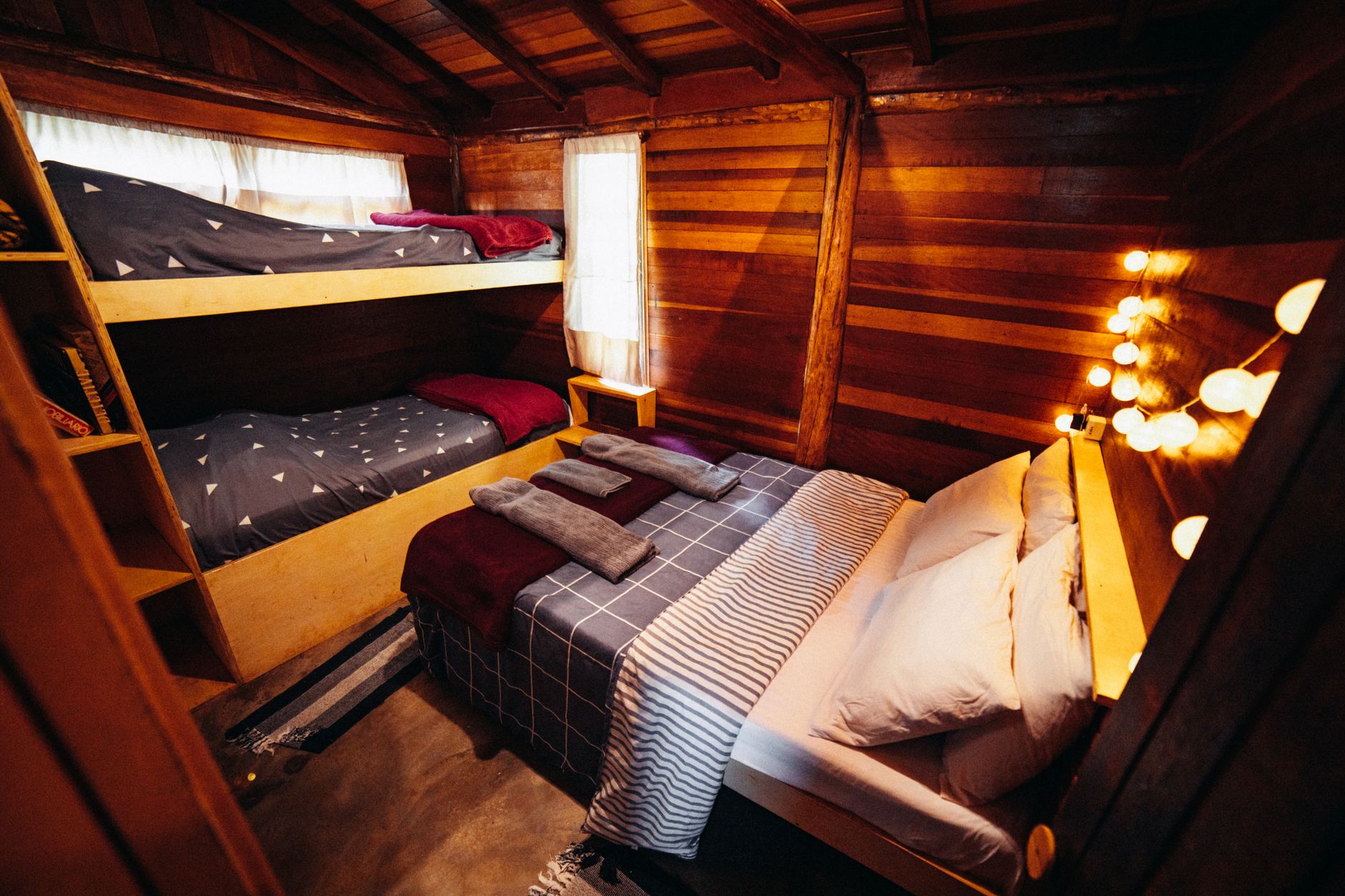
The usual minimum age is around eight, and readiness varies enormously within that.
Good signs. They have slept away from home successfully at a friend’s or a relative’s. They can manage their own washing, dressing and belongings at a basic level. They are curious rather than anxious when you describe it. They have a friend going, which is the single strongest predictor of a good first experience.
Signs to wait a year. Significant separation anxiety. Never having slept away from home. Strong reluctance that does not shift when you talk about the activities. A recent upheaval such as a house move, a new school or a family change.
What helps. A shorter first camp of two or three nights rather than a full week. Choosing somewhere a friend is going. Practising a night away beforehand. Being honest about the contact policy, since many camps limit phone contact deliberately and finding that out on the first evening upsets everyone.
Almost every camp reports that homesickness peaks on the first evening and resolves within a day for the large majority of children. That is genuinely reassuring, and it is also worth agreeing with the camp in advance what happens if it does not resolve.
Making the Money Go Further
Book early. Most camps discount meaningfully for early booking, often by fifteen to twenty percent, and popular weeks sell out by spring.
Check for sibling discounts and multi week rates, which are common and rarely advertised prominently.
Ask about funded or subsidised places. Many local authorities, councils and charities run subsidised holiday activity programmes, and eligibility is broader than most people assume. In the UK, holiday activity and food programmes provide free places for eligible families during school holidays.
Check whether childcare vouchers or tax free childcare schemes apply. In the UK, many camps are registered providers and can be paid for through Tax Free Childcare, which is effectively a twenty percent reduction. In the US, some camps qualify under dependent care flexible spending accounts. This is the single largest saving available to most families and it is routinely missed.
Combine formats. Two weeks of cheap local camp, one week of something they are excited about, and one week with grandparents costs far less than six weeks of premium provision and is usually a better balance for the child anyway.
Do not book every week. Children need unstructured time and so do you. A summer of continuous organised activity is exhausting for everyone and expensive on top.
If You Are Booking in the UK
Local authority and leisure trust holiday camps are the value benchmark and are frequently underrated, with prices often less than half of commercial equivalents. Check your council’s website in spring, since places open early and fill quickly.
For residential camps, PGL is the largest and most established operator, with multi activity outdoor centres across the country and clear age banding. Prices typically run £400 to £900 for a week depending on centre and season. Scout and Guide associations also run excellent value residential camps that are open more widely than many parents realise.
Premier Education, Barracudas, Kings Camps and similar national operators dominate the commercial multi activity day camp market at around £30 to £65 per day, with early booking discounts and wraparound hours available.
Tax Free Childcare covers registered holiday clubs for eligible working families and effectively reduces the cost by twenty percent, which across a summer is substantial. Check whether a camp is a registered provider before booking, since it changes the comparison considerably.
Holiday Activities and Food programmes provide free holiday club places for children eligible for benefits related free school meals in England, with similar schemes elsewhere in the UK. Availability is through local councils.
Do’s and Don’ts: Choosing a Camp
| Do's | Don'ts | |
|---|---|---|
| 1 | Ask for the staff to child ratio for your child's age group | Assume a higher price means a lower ratio |
| 2 | Check whether Tax Free Childcare or similar schemes apply | Pay full price without checking eligibility |
| 3 | Book early for the fifteen to twenty percent discount | Book in June for August and pay peak rates |
| 4 | Check local council and leisure trust camps first | Overlook the cheapest and often nearest option |
| 5 | Compare total hours including wraparound care | Compare day rates for camps with different hours |
| 6 | Choose single sport camps only for genuine enthusiasts | Send a child who likes variety to five days of one sport |
| 7 | Ask how children are grouped by age | Assume a six year old will be with peers |
| 8 | Ask what happens on a wet day at outdoor camps | Discover the rain plan during a rainy week |
| 9 | Start residential with two or three nights | Send a first timer away for a full week |
| 10 | Book residential where a friend is also going | Underestimate how much a familiar face helps |
| 11 | Check the contact and phone policy in advance | Find out about limited contact on the first evening |
| 12 | Leave some weeks completely unstructured | Book all six weeks and exhaust everyone |
FAQs
What age can children start sports camps?
Day camps commonly accept children from four or five years old, usually with separate provision and higher staffing ratios for the youngest groups. Single sport camps typically start around six, since they require a degree of instruction following. Residential camps generally begin at eight, though a small number accept seven year olds. Readiness varies enormously within any age band, and how a child copes with a full day of activity away from you matters more than the number on the booking form.
How much do summer camps cost?
Local authority and leisure centre day camps typically run thirty to sixty dollars or fifteen to forty pounds per day, which is the value end. Commercial multi activity camps sit around fifty to a hundred and ten dollars or thirty to sixty five pounds per day. Residential camps run roughly five hundred to twelve hundred dollars or four hundred to nine hundred pounds for a week. Early booking discounts and childcare tax schemes can reduce these figures substantially and are frequently overlooked.
Are residential camps safe for young children?
Established residential operators have extensive safeguarding procedures, qualified activity instructors, and staffing ratios appropriate to each activity, and outdoor centres in most countries are subject to licensing and inspection for adventurous activities. The useful questions to ask are the specific staffing ratios for your child’s age group, what the overnight supervision arrangements are, what the policy is on contact with home, and what happens if a child is homesick or unwell. A reputable operator will answer all of these readily.
What should I do if my child is homesick at camp?
Most camps report that homesickness peaks on the first evening and resolves within a day for the large majority of children, so agreeing in advance with the camp how they will handle it matters more than reacting in the moment. Before they go, avoid promising you will collect them if they are unhappy, since that gives them something to hold onto rather than settling. Do agree with the camp what the threshold is for contacting you, and trust their experience, since they see this every week.
How do I choose between a single sport and multi activity camp?
Choose single sport if your child has a genuine and sustained enthusiasm for that sport and would happily do it for five consecutive days, and if better coaching in it is something they would value. Choose multi activity for everyone else, which is most children. The most common disappointment in this category is a parent booking a football camp for a child who quite likes football, and collecting a bored child on Wednesday afternoon.
Can I use childcare vouchers or tax schemes for camps?
In many cases yes, and it is the largest saving available. In the UK, holiday clubs registered as childcare providers can be paid through Tax Free Childcare for eligible working families, effectively reducing the cost by twenty percent. In the US, some camps qualify for payment through dependent care flexible spending accounts. Check whether a specific camp is a registered provider before booking, since two camps at similar advertised prices can differ substantially in real cost.
Are there free or subsidised camp options?
Yes, and eligibility is often broader than families assume. In England, the Holiday Activities and Food programme provides free holiday club places including food for children eligible for benefits related free school meals, with equivalent schemes elsewhere in the UK. Many local authorities and charities also run subsidised holiday provision. Availability is generally through your local council, and places are limited, so applying early in the term before the holiday matters.
How many weeks of camp should I book?
Fewer than the number of holiday weeks you need to cover, if you possibly can. Children benefit from unstructured time and a summer of continuous organised activity is genuinely tiring for them as well as expensive. A common approach that works well is mixing a couple of weeks of inexpensive local camp, one week of something they are actively excited about, some time with family, and at least one week with nothing planned at all.
You Might Also Like