Introduction
Wednesday night. You’ve made a Thai peanut noodle bowl because your nine year old has been obsessed with it since she tried it at a friend’s house. She’s thrilled. Your seven year old walks in, sees the peanut sauce, and looks at you like you’ve personally betrayed him. He eats plain pasta, buttered rice, and chicken nuggets, and he considers those three foods a balanced rotation. You try not to sigh. You fail.
If this scene plays out in your kitchen at least four nights a week, you are not alone. Feeding two kids with wildly different eating personalities is one of the low key hardest parts of parenting that nobody really warns you about. There’s no perfect fix, but there are actual, practical strategies that reduce the drama and stop you from cooking two separate dinners every single night. This is what has worked for real families, not just in theory but on actual Tuesday evenings when everyone’s tired and hungry.
Why Two Kids in the Same House Eat So Differently
Before you spiral into “what am I doing wrong,” here’s what the research actually says: food preferences are partly temperament driven. Some children are neurologically more sensitive to texture, smell, and new sensory input, and that extends to food. Pediatric feeding specialists call these kids “cautious learners” rather than picky eaters. It’s not a parenting failure. It’s wiring.
Your adventurous eater, on the other hand, is a sensory seeker. She’ll put anything on her plate just to find out what it tastes like. Neither child is better or worse, they’re just different, and your meal planning strategy has to account for that. The goal isn’t to make both kids eat the same things. The goal is to serve one meal that both kids can survive and eventually thrive on, without turning every dinner into a negotiation.
The “Safe Food Bridge” Strategy
The most practical shift you can make is building every dinner around at least one food your picky eater reliably accepts. Feeding therapist Ellyn Satter, whose Division of Responsibility framework is used by pediatric dietitians across the country, calls this the bridge food, something familiar that anchors the meal while new or bolder foods sit alongside it without pressure.
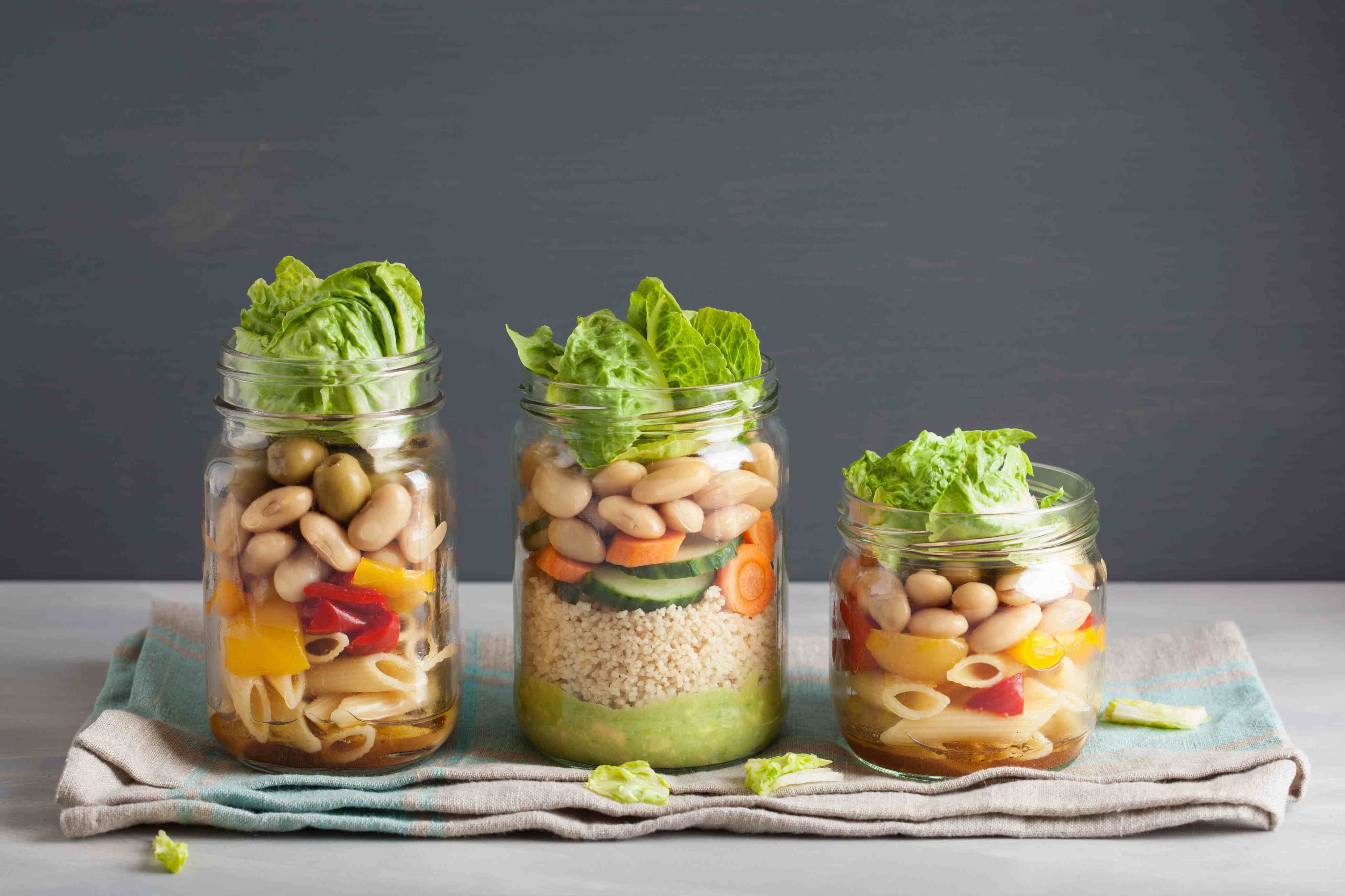
In practice, this looks like: you’re making chicken stir fry with bok choy, snap peas, and a ginger soy glaze. Your picky eater is not touching the bok choy. But if plain rice and a few pieces of plain chicken are also on the table, he has something to eat. No separate meal. No short order cooking. He sees the stir fry, he smells it, his sister is eating it enthusiastically, and that repeated low pressure exposure is actually doing something, even if it doesn’t feel like it tonight. Research shows it can take 10 to 15 exposures before a child accepts a new food. Most parents give up after three or four.
Build Your Own Meals Are Your Best Friend
If you’re not already rotating “assembly meals” into your weekly menu, this is the single biggest upgrade you can make for family meal planning picky eaters. These are meals where the components are served separately and everyone builds their own plate. No mixing, no mystery, total control, and every family member gets exactly what they want from the same base ingredients.
Good build your own formats for mixed eater families:
- Taco bar: seasoned ground beef or chicken, rice, shredded cheese, sour cream, salsa, guacamole, beans, shredded lettuce. Your picky eater makes a plain cheese taco. Your adventurous eater loads everything on.
- Pizza night: pre made naan or flatbread, tomato sauce, mozzarella, and a spread of toppings. One kid does plain cheese. The other does olives, mushrooms, and red pepper.
- Pasta bowls: pasta, butter, a protein, a few veggie options on the side. Sauces and add ons on separate dishes.
- Grain bowls: rice or quinoa as the base, with chicken, chickpeas, roasted sweet potato, cucumber, feta, dressings in little dishes on the side.
- Breakfast for dinner scrambles: eggs cooked different ways, toast, bacon or turkey sausage, fruit on the side.
The beauty of this format is that you’re cooking once. You’re not making two dinners. Your picky eater gets control (which reduces mealtime anxiety), and your adventurous eater gets to experiment. Win win.
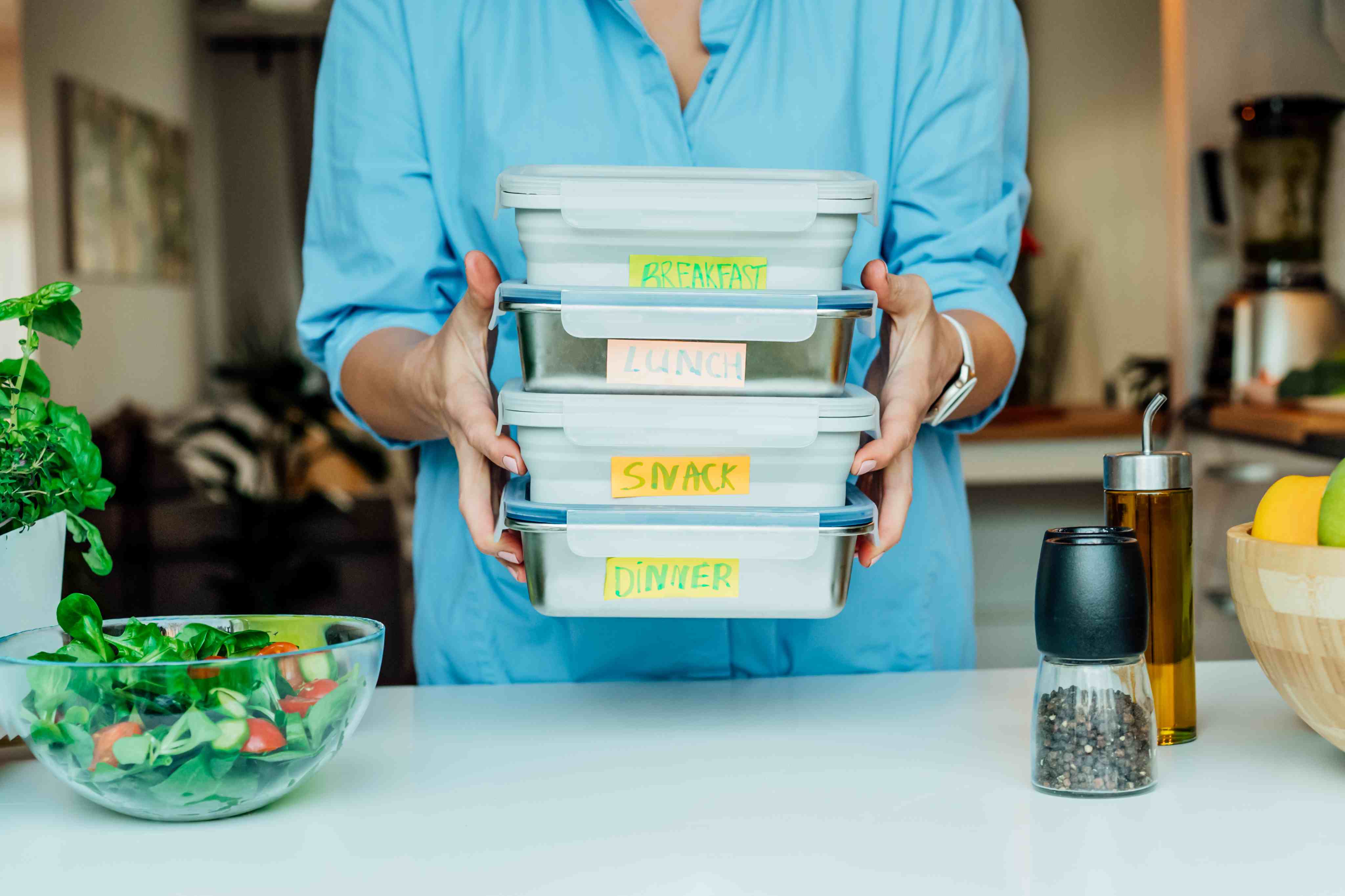
The Weekly Meal Planning Framework That Actually Works
Here’s a loose structure to plan your week around when you’re cooking for different food preferences in the same house. The idea is to rotate through formats so neither kid (or you) gets bored.
Monday, Assembly meal. Start the week easy. Taco bar, build your own pasta, or a deli style sandwich spread. Low effort, low conflict, everyone eats.
Tuesday, Protein + plain starch + veggie on the side. Think grilled chicken, rice, and roasted broccoli served separately. This format is naturally picky eater friendly without being boring. Your adventurous eater can have a sauce or dip to make it more interesting.
Wednesday, Casserole or mixed dish (with components accessible). Try a baked pasta, a pot of chili, or a sheet pan meal. Serve the components you know your picky eater will eat in visible portions, pull the plain chicken off the sheet pan before you add the glaze if needed.
Thursday, Familiar favorite from the picky eater’s rotation. Spaghetti with butter, plain chicken tenders with a dipping sauce, grilled cheese and tomato soup. This night is for the cautious eater, and there’s no shame in it. It keeps the peace and builds goodwill.
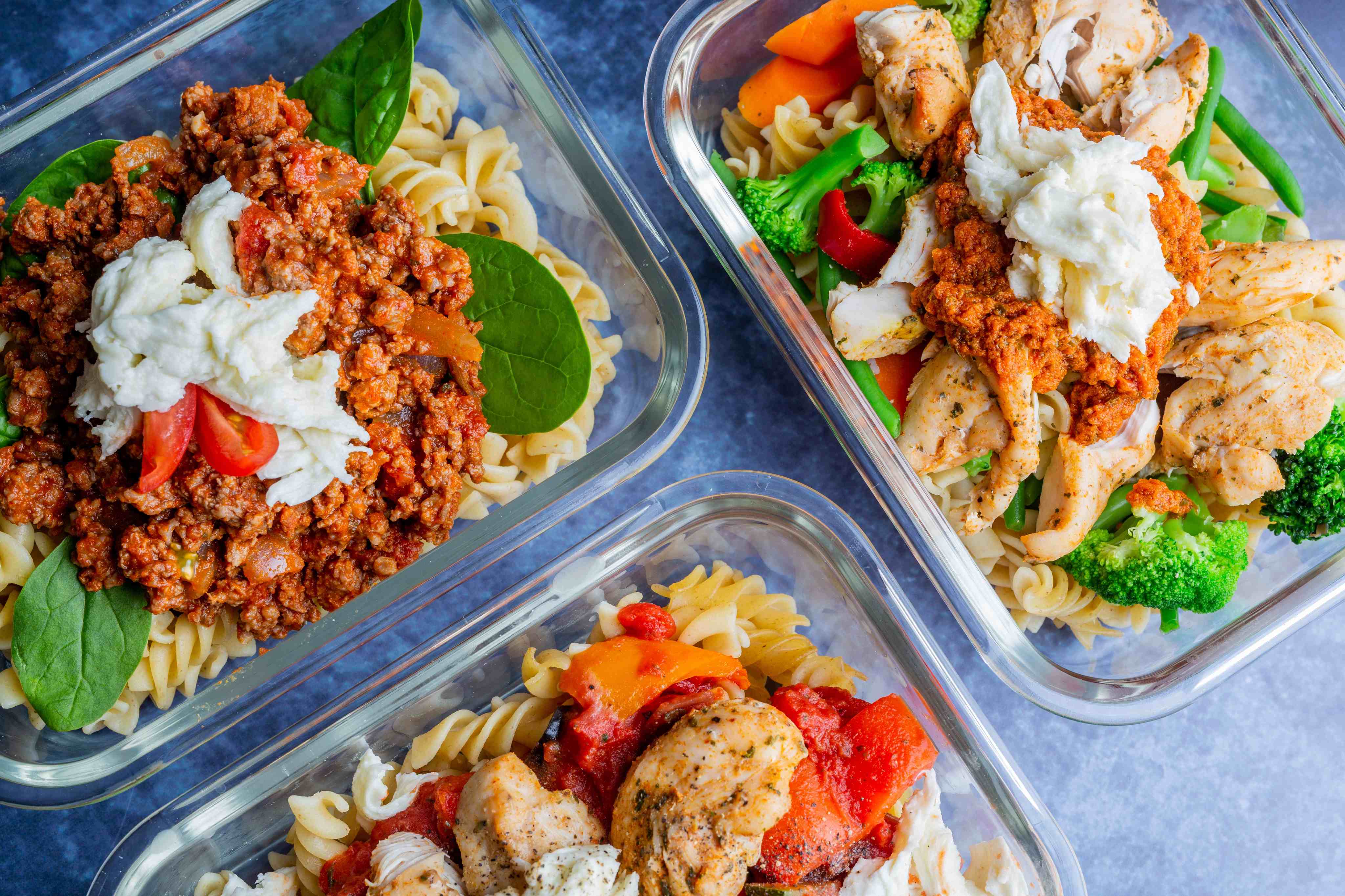
Friday, “Challenge night” for the adventurous eater. Try something new or bolder, sushi rolls, Thai noodles, shakshuka. Your picky eater still has access to a safe food option. No pressure to try it, but they’re sitting at the table watching the experience happen.
Mealtime Rules That Reduce the Drama
How you serve food matters as much as what you serve. A few rules that genuinely help when cooking for different food preferences:
Separate components whenever possible. Mixed casseroles and stews where everything is touching are a sensory nightmare for cautious eaters. Serving components in separate sections of the plate or in small bowls can make the same food acceptable.
No short order cooking, but always include a safe option. You’re not making a second dinner, but you’re also not putting your picky eater in a position where there is literally nothing they can eat. That’s just cruel and it creates food anxiety, not adventurous eating.
Serve family style. Put everything in the center of the table and let kids dish up their own plates. This gives the picky eater perceived control, which decreases resistance.
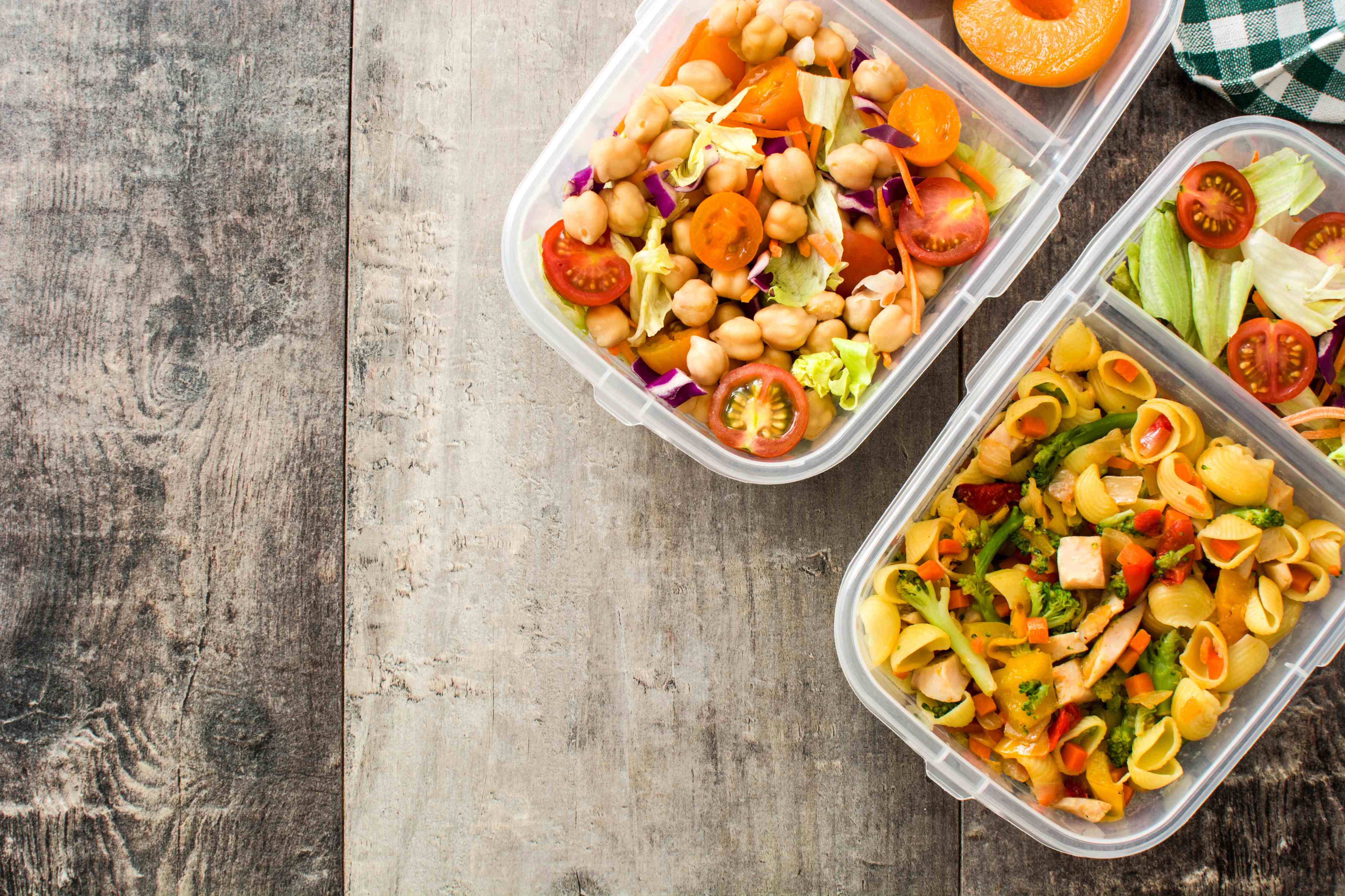
Let the adventurous sibling model, don’t force it. Don’t say “look at your sister, she’s eating it!” It backfires. But siblings naturally watching each other eat new foods is one of the most powerful exposure tools you have. Just let it happen organically.
Keep screens off at dinner. Kids who are distracted eat less mindfully and are actually less likely to try new things. Conversation, even mundane conversation, helps.
Snacks: The Hidden Saboteur
One thing that rarely gets mentioned in family meal planning picky eater guides is the role of afternoon snacks. If your picky eater grazes from 3pm to 5:30pm, crackers, fruit pouches, cheese sticks, they will not be hungry at dinner. And a child who isn’t hungry is a child who has zero motivation to try anything new or even eat the safe foods.
Set a snack cutoff about 90 minutes before dinner. Keep afternoon snacks smaller, a piece of fruit, a small handful of crackers, not a full secondary meal. Hunger is your best ally. This sounds obvious but it’s one of the most commonly overlooked pieces of the puzzle.
Do’s and Don’ts for Feeding Picky and Adventurous Kids at the Same Table
| Do's | Don't |
|---|---|
| Serve at least one food each child reliably eats at every meal | Make two completely separate dinners every night |
| Use build your own meal formats regularly | Force the picky eater to try bites before leaving the table |
| Keep components separate when possible | Mix everything together in dishes your cautious eater can't pick apart |
| Let the adventurous sibling model eating naturally | Make a big deal out of the sibling comparison |
| Offer new foods 10+ times before calling it a loss | Give up after 2-3 exposures |
| Cut back afternoon snacks 90 minutes before dinner | Let kids graze freely until dinner is served |
| Maintain a calm, positive mealtime atmosphere | Use dinner as a time to lecture about nutrition |
| Give the picky eater some control over what goes on their plate | Remove all choice from the cautious eater |
| Rotate meal formats to keep it interesting for adventurous eaters | Serve the same five safe foods on repeat forever |
| Talk to a pediatric feeding therapist if anxiety around food is significant | Assume extreme selective eating will just resolve on its own |
FAQs
Should I make a separate meal for my picky eater?
Not every night, and ideally not as the default. Making a completely different dinner sends the message that the picky eater doesn’t need to engage with the family meal at all, which makes expanding their palate harder over time. Instead, build in a safe food option within the meal itself so they always have something to eat without you cooking twice.
My adventurous eater is getting bored because we keep things so plain for the picky one. What do I do?
This is a real concern. The answer is to use sauces, spices, and add ons that can be applied at the table by whoever wants them. A plain grilled salmon becomes teriyaki salmon for your adventurous eater if you have teriyaki sauce in a small dish on the side. Same food, two completely different experiences.
Is it okay for kids to eat the same safe foods every night?
Short term, yes. Long term, the goal is slow expansion. Rotating the format of those safe foods (buttered noodles vs. buttered rice vs. buttered toast) counts as mild exposure variation even when the core food group stays the same. Don’t panic about nutritional variety every single meal, zoom out and look at the week.
How do I handle it when we’re eating a meal the picky eater absolutely won’t touch?
Make sure there’s something on the table they can eat, even just bread and butter or fruit. They don’t have to eat the main dish. They do have to sit with the family. That’s the rule. No pressure, no commentary, just presence at the table.
My picky eater sees their sibling eating everything and it seems to make things worse, not better. Why?
Some kids dig in harder when they feel like they’re being compared. If you’ve been doing the “look at your brother eating his vegetables” thing, stop immediately. Let sibling modeling happen silently. When the adventurous eater says something like “this is so good,” let that comment sit without directing it at the picky eater.
At what point should I get professional help for my picky eater?
If your child is losing weight, eating fewer than 20 foods total, gagging or vomiting regularly when near certain foods, or showing signs of significant anxiety around mealtimes, talk to your pediatrician about a referral to a pediatric feeding therapist. Picky eating exists on a spectrum and some kids need more structured support than parents can provide at home.
How long does it realistically take for a picky eater to try something new?
Longer than you think. Research from feeding specialists suggests 10 to 15 exposures to a new food before a child accepts it, and “exposure” counts even when they just see it on the table and don’t touch it. Set a long timeline (months, not days) and celebrate small wins like touching a new food or smelling it.