Introduction
Let me paint you a picture. It’s 3 p.m. on a Tuesday. You’re snapping at your kids over something minor (leaving socks on the floor again), you’re exhausted despite eight hours of sleep, and you’ve eaten three mini chocolate bars from the Halloween candy stash you hid from yourself in October. Something feels off, but you can’t put your finger on it. I’ve been there more times than I’d like to admit. For me, it wasn’t until my OB casually mentioned that my diet could be affecting my hormone levels that I realized I’d been completely ignoring one of the most powerful tools available to me: food. Turns out, hormone balancing foods for women aren’t some wellness influencer myth, there’s real science behind the plate.
Hormones run practically everything in your body. Energy, mood, sleep, weight, skin, libido, how cranky you get when someone breathes too loudly in the kitchen, all of it. And while you can’t always control the chaos of motherhood, you can control what you put in your body. You don’t need a $200 supplement stack or a functional medicine doctor (though, no shade to either). A few intentional food choices, ones that support estrogen metabolism, keep cortisol from going haywire, and give your liver what it needs to do its job, can make a genuinely noticeable difference. Here’s what actually moves the needle, plus what I’ve started doing differently at our house.
Why What You Eat Directly Affects Your Hormones
Here’s the short version: your hormones are made from the food you eat. Steroid hormones like estrogen, progesterone, and cortisol are built from cholesterol and amino acids. Your liver metabolizes and eliminates used hormones. Your gut microbiome regulates how estrogen gets recycled or excreted. If any part of that system is running on junk, processed carbs, seed oils, sugar, the whole machine sputters. A 2024 review from the Institute for Functional Medicine confirmed that nutritional deficiencies in things like magnesium, zinc, and omega 3s directly impair hormone signaling. So this isn’t abstract. What you eat is literally raw material for your endocrine system. When I started thinking about food that way, not as calories in/out but as instructions for my body, everything clicked differently.
Flaxseed: The Hormone Balancing Foods for Women You’re Probably Ignoring
Flaxseeds are the most underrated thing in my pantry right now. No joke. They’re the richest dietary source of lignans, a type of phytoestrogen, containing up to 800 times more than most other plant foods (Linus Pauling Institute). Lignans work as adaptogens for your estrogen: when estrogen is too high, lignans compete for receptor sites and reduce its effects; when it’s low, they provide mild estrogenic activity. It’s the dietary equivalent of a hormone thermostat. Two tablespoons of ground flaxseed a day is what most research points to. Ground, not whole, whole flaxseeds pass right through you. I throw it into my morning smoothie (Bob’s Red Mill golden flaxseed meal is what I use) and genuinely cannot taste it. Easy win.

Cruciferous Vegetables and the Estrogen Balancing Diet Connection
Broccoli, cauliflower, Brussels sprouts, kale, cabbage, cruciferous vegetables contain a compound called indole 3 carbinol (I3C), which converts in the gut into diindolylmethane (DIM). Both compounds support the liver’s phase I and phase II detoxification pathways, which is just a science y way of saying: they help your body process and eliminate excess estrogen properly. If you’ve ever heard of “estrogen dominance”, that state where estrogen is running the show and progesterone can’t catch up, this is a core part of an estrogen balancing diet that actually addresses the root cause rather than just managing symptoms. Aim for at least one serving of cruciferous vegetables daily. Roasted broccoli with garlic is on rotation at our house twice a week; my kids eat it with enough parmesan on top that they don’t complain.
Fatty Fish for Cortisol, Inflammation, and What to Eat for Hormonal Health
Salmon, sardines, mackerel. These are the heavy hitters for what to eat for hormonal health, particularly if stress is your main issue, which, same. Omega 3 fatty acids (specifically EPA and DHA) reduce systemic inflammation, which matters because chronic inflammation dysregulates cortisol production and makes it harder for cells to respond properly to insulin. Wild caught salmon two to three times a week is the standard recommendation. Canned sardines (the ones in olive oil, not soybean oil) are a faster, cheaper option, my husband thinks they’re disgusting and I eat them on crackers with hot sauce and feel very superior about it. Omega 3s also support the production of prostaglandins, hormone like compounds that influence everything from period pain to mood regulation. Worth the weird lunch.
The Gut Hormone Connection: Fermented Foods and Fiber
Your gut microbiome contains something called the “estrobolome”, a collection of bacteria that produce an enzyme called beta glucuronidase, which directly influences how estrogen is metabolized and reabsorbed into the body. Disrupted gut bacteria = impaired estrogen clearance = hormonal chaos. Fermented foods like plain Greek yogurt (Fage or Chobani, nothing with fruit on the bottom sugar bombs), kefir, kimchi, and sauerkraut introduce beneficial bacteria that support this process. Fiber is the other piece, it binds to used estrogen in the digestive tract so it gets excreted rather than reabsorbed. Women need about 25 grams of fiber per day; most of us hit 15. Lentils, black beans, oats, berries, and leafy greens are all high fiber, hormone supportive. I’ve started adding a half cup of lentils to basically everything because I have no dignity left with sneaking nutrition into my family’s meals.
Nutrition for Women’s Hormones: The Role of Healthy Fats
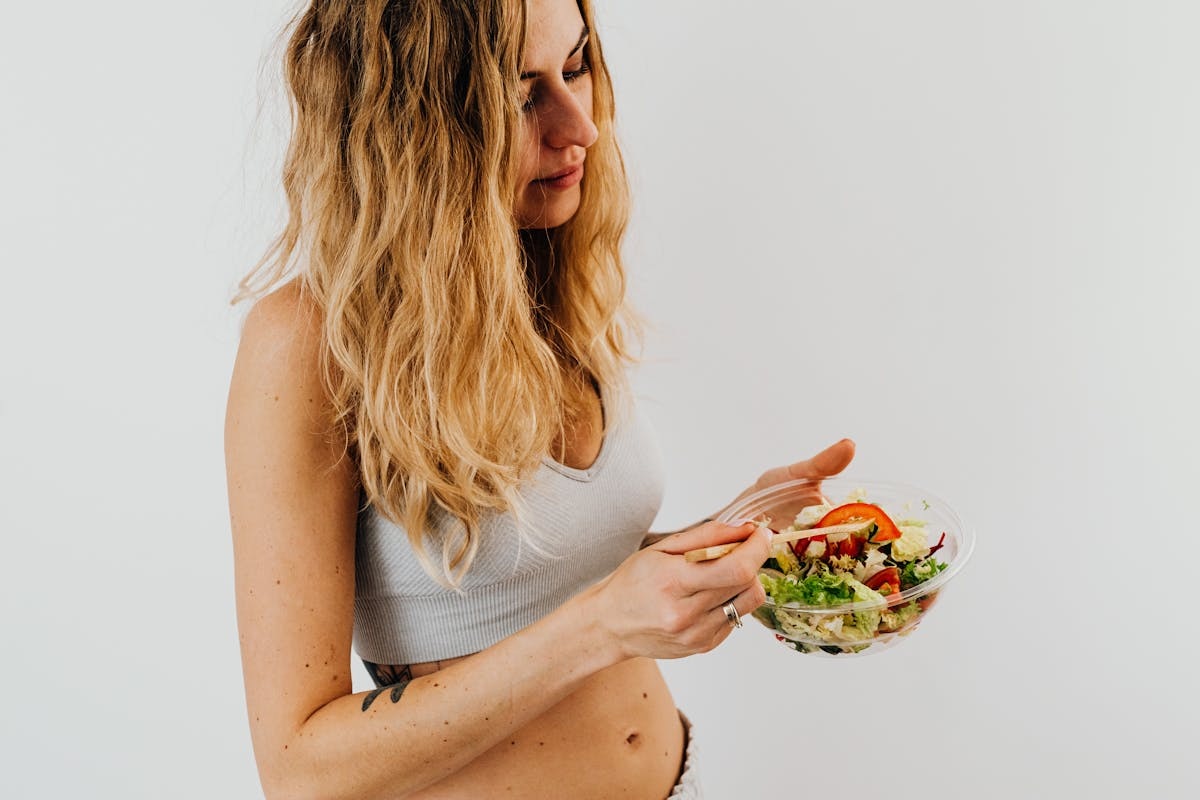
Avocados, olive oil, walnuts, Brazil nuts. These aren’t just trendy, they’re structurally necessary for nutrition for womens hormones. Steroid hormones (estrogen, progesterone, testosterone, cortisol) are synthesized from cholesterol. No dietary fat, no hormone production. Full stop. Brazil nuts also deserve a special mention for thyroid health: just two per day provides your full daily selenium requirement, and selenium is essential for converting inactive thyroid hormone (T4) to its active form (T3). Thyroid dysfunction is wildly underdiagnosed in women, especially postpartum, and it wrecks energy, mood, and weight regulation. Olive oil, specifically extra virgin, not the fake stuff, contains oleocanthal, which has anti inflammatory effects similar to ibuprofen at high doses. I use California Olive Ranch EVOO for everything. Not a sponsor. Just a fan.
What’s Wrecking Your Hormones: Foods to Cut Back On
Sugar is the big one. When you eat refined carbohydrates and added sugars, blood sugar spikes rapidly, insulin surges to compensate, and chronically elevated insulin triggers excess androgen production in the ovaries while suppressing sex hormone binding globulin (SHBG). Less SHBG means more free floating estrogen and testosterone, which can worsen PMS, acne, and conditions like PCOS. Alcohol disrupts the liver’s ability to metabolize estrogen and raises cortisol, even moderate regular drinking affects cycle regularity and worsens perimenopausal symptoms. Conventional dairy and some conventional meat products may contain traces of synthetic hormones given to livestock. This doesn’t mean you have to go fully organic everything (the grocery bill alone would give me a stress hormone spike), but prioritizing organic for the Dirty Dozen produce list and choosing pasture raised dairy when you can is a reasonable middle ground.
Do’s and Don’ts for Hormone Friendly Eating
| Do's | Don't | |
|---|---|---|
| 1 | Eat 2 tbsp ground flaxseed daily, add to smoothies or oatmeal | Eat whole flaxseeds, they pass through undigested |
| 2 | Include one serving of cruciferous vegetables every day | Skip vegetables because you're "not a salad person", roast them |
| 3 | Eat wild caught fatty fish 2-3x per week for omega 3s | Rely on farmed fish as your primary source, lower omega 3 content |
| 4 | Eat fermented foods daily (plain yogurt, kefir, kimchi, sauerkraut) | Choose sugar heavy flavored yogurts that undo the gut benefits |
| 5 | Use extra virgin olive oil as your primary cooking fat | Cook with highly refined seed oils (canola, vegetable, soybean) regularly |
| 6 | Eat 2 Brazil nuts daily for selenium and thyroid support | Take selenium supplements without testing, too much is toxic |
| 7 | Aim for 25g of fiber per day through lentils, beans, oats, berries | Rely on fiber supplements instead of whole food sources |
| 8 | Eat 25-30g of protein per meal to stabilize blood sugar and insulin | Skip protein at breakfast, blood sugar chaos follows |
| 9 | Drink green tea (matcha or loose leaf), contains EGCG which supports estrogen metabolism | Drink multiple cups of coffee on an empty stomach, raises cortisol |
| 10 | Choose organic for high pesticide produce (strawberries, spinach, apples) | Stress excessively about eating perfectly, stress hormones are real too |
| 11 | Include magnesium rich foods (dark chocolate, pumpkin seeds, leafy greens) for cortisol regulation | Take magnesium oxide, it's the least absorbable form |
| 12 | Eat consistently throughout the day to avoid cortisol spikes from undereating | Skip meals to "be good", it signals starvation stress to your body |

FAQs
How quickly do hormone balancing foods for women actually work?
It depends on the issue and the food. Some changes, like adding flaxseed for estrogen modulation, are studied over 8-12 week periods before measurable differences show up in markers. Gut microbiome shifts from fermented foods can begin within days to weeks. You’re not going to eat one bowl of broccoli and feel transformed. Consistency over one to three menstrual cycles is a reasonable timeframe to notice shifts in energy, PMS symptoms, and mood. Think of it as infrastructure work, not a quick fix.
Are phytoestrogens in flaxseed and soy safe? Will they raise my estrogen too much?
This is one of the most common worries and it’s understandable, the word “estrogen” in the context of plant foods sounds alarming. But phytoestrogens have both estrogenic and anti estrogenic effects depending on your body’s current estrogen levels. They’re much weaker than human estrogen and they work adaptively. Research from Oregon State University’s Linus Pauling Institute shows lignans from flaxseed are safe and beneficial at food based doses. Whole soy foods (edamame, tofu, tempeh) have been extensively studied and show no negative hormonal effects at typical dietary amounts. Soy supplements or highly concentrated soy protein isolates are a different conversation.
What’s the connection between gut health and hormones?
Your gut contains the estrobolome, specific bacteria that produce beta glucuronidase, an enzyme that influences how estrogen is reabsorbed or eliminated from the body. Poor gut health means impaired estrogen clearance. This is why fermented foods and fiber aren’t just “digestive” foods, they’re directly hormone relevant. The gut also influences serotonin production (about 90% of serotonin is made in the gut), which connects to mood regulation and indirectly to hormonal mood swings.
Do I need to go organic to support my hormones through food?
You don’t need to go fully organic, that’s an expensive all or nothing framing that stresses people out. Focus on the Environmental Working Group’s Dirty Dozen list: strawberries, spinach, kale, peaches, pears, apples, grapes, bell peppers, nectarines, cherries, blueberries, and green beans. These have the highest pesticide residue. Buying organic for these when possible while eating conventional everything else is a sensible, budget aware approach.
Can what I eat actually help with PMS symptoms?
Yes, meaningfully. Magnesium deficiency is strongly associated with PMS, studies show magnesium supplementation reduces PMS symptoms significantly, and foods like dark chocolate (70%+), pumpkin seeds, and leafy greens provide it. Omega 3s reduce prostaglandin driven cramping. Reducing sugar and refined carbs in the two weeks before your period can significantly reduce bloating, mood swings, and breast tenderness because you’re keeping insulin more stable. It’s not a cure, but it’s real leverage.
What should I eat for breakfast to support hormonal health?
Protein is non negotiable at breakfast, 25 to 30 grams. Skipping it or eating something high in simple carbs (plain toast, cereal, a muffin) causes a blood sugar spike followed by a cortisol rebound as blood sugar drops. Good options: two eggs with smoked salmon and avocado, full fat Greek yogurt with berries and walnuts, or a smoothie with protein powder, ground flaxseed, spinach, and frozen berries. I make a big batch of hard boiled eggs on Sundays because I have three kids and approximately four minutes for breakfast on a weekday.
Is coffee bad for hormone balance?
Not inherently, but timing and quantity matter. Coffee raises cortisol, and cortisol is already naturally highest in the first 30 to 90 minutes after waking (the cortisol awakening response). Drinking coffee immediately upon waking amplifies this spike unnecessarily. Waiting 90 minutes after waking before your first cup, annoying as that sounds, reduces the cortisol hit. Drinking it on an empty stomach also worsens the cortisol effect. One to two cups with food, later in the morning, is where the research lands for most women. Switching the second cup to matcha gives you L theanine alongside caffeine, which smooths out the cortisol response.
Image Tags
- Ground flaxseed in a wooden spoon with whole flaxseeds
- Colorful cruciferous vegetables broccoli cauliflower kale on a cutting board
- Wild salmon fillet with herbs and lemon on parchment
- Glass jars of kefir and kimchi on a kitchen counter
- Avocado halved with olive oil drizzle on a marble surface
- Brazil nuts in a small ceramic bowl
- Woman preparing hormone friendly meal in a modern kitchen
- Bowl of oatmeal with berries flaxseed and walnuts
- Assorted fermented foods sauerkraut yogurt kombucha flatlay
- Woman drinking green tea matcha latte in morning light
- Grocery cart with fresh organic produce and whole foods
- Lentil and vegetable soup in a rustic bowl
Blog Tags
hormone balancing foods for women, foods for hormonal balance, estrogen balancing diet, what to eat for hormonal health, nutrition for womens hormones, hormone health for moms, flaxseed benefits women, cruciferous vegetables hormones, gut health and hormones, PMS diet tips, millennial mom health, natural hormone support