Introduction
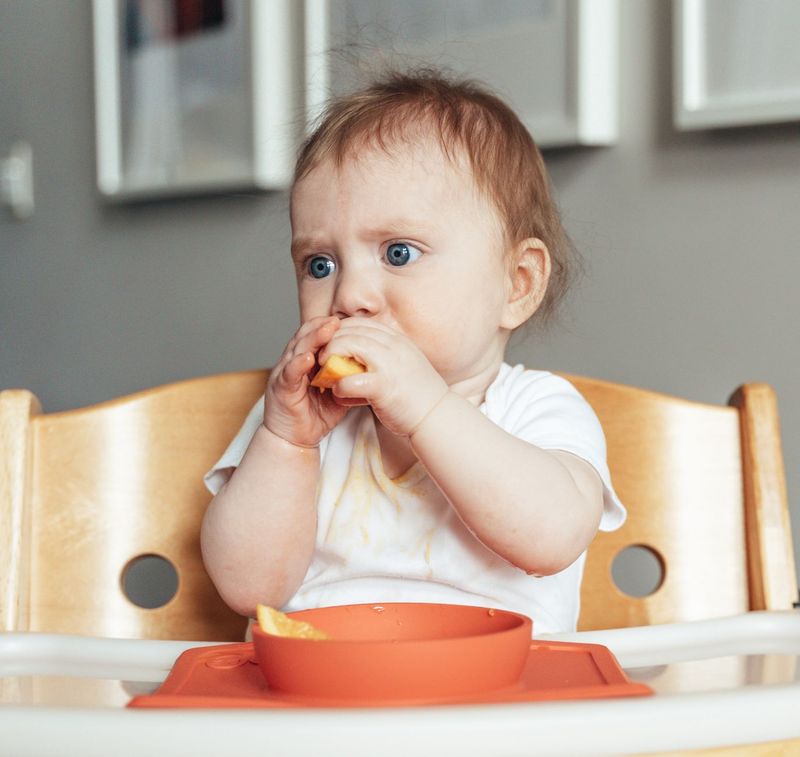
Let me paint you a picture. It’s 3:47 PM. My son, Caleb, walks through the door like a small tornado, backpack flying, shoes already off somehow, and immediately announces he’s “starving to death.” I hand him the apple slices I’d carefully arranged, and he looks at me like I’ve personally wronged him. Twenty minutes later, he’s eaten half a bag of Goldfish and is still complaining he’s hungry. Sound familiar? That’s when I finally got serious about high protein snacks for kids, not because I read some parenting book, but because I was genuinely losing my mind at 4 PM every single day.
Protein isn’t just gym bro food. For kids, it’s the thing that actually keeps them full past the ten minute mark, helps their muscles grow (especially if yours never stop moving), and steadies their blood sugar so you’re not dealing with a meltdown before dinner. The problem is that most “kid friendly” snacks are basically carb bombs disguised with cartoon characters. Cheese puffs? Not a protein. Fruit snacks? Absolutely not. We can do better, and honestly, it doesn’t have to be complicated or expensive. This list is stuff that real kids actually eat. Not what they eat in stock photos.
Why Protein at Snack Time Is a solid win
Here’s the thing about protein: it slows down digestion. That means the hungry again window stretches from 20 minutes to a solid 2-3 hours. For toddlers, you’re aiming for about 2-3 grams of protein per snack. School age kids need more like 5-7 grams. Active kids, soccer practice four days a week, swim lessons, running laps for fun (baffling), can use 7-10 grams with some complex carbs alongside.
What you want to avoid is the sugar spike and crash cycle. Your kid eats a bag of fruit snacks, feels great for 15 minutes, then comes apart at the seams right as you’re trying to make dinner. High protein snacks for kids break that cycle because they pair well with fiber and healthy fats, the trio that actually keeps little bodies running smoothly. And before you spiral: no, you don’t need to turn into a meal prep influencer. Most of these take under five minutes.
Dairy Wins: Greek Yogurt, Cottage Cheese, and String Cheese
Dairy is honestly the easiest category to start with because kids are usually already on board. Greek yogurt, specifically the full fat Siggi’s whole milk pouches or Chobani Kids tubes, packs around 8-10 grams of protein per serving. My daughter Maya calls Siggi’s “the thick yogurt” and has been eating it since she was two. She won’t touch anything else now, which is both a win and a logistical pain when they’re out of the mango flavor.
Cottage cheese is the sleeper hit here. Half a cup has 14 grams of protein, which is genuinely impressive. If your kid won’t eat it plain (Caleb called it “chunky gross”, fair), blend it smooth and mix in a little honey and vanilla, or serve it with pineapple tidbits on top. It tastes like dessert and they have no idea. String cheese is the no brainer: Sargento and Horizon Organic both make individually wrapped sticks with 5-7 grams of protein per piece and they cost about $4-5 for a pack of 12. Throw one in a bag and you’re done.
Eggs: The Most Underrated After School Protein Snack
Hard boiled eggs are honestly the MVP of after school protein snacks and I think they’re wildly underused. One egg has 6 grams of protein, they’re portable, cheap (usually $3-4 a dozen for conventional, $6-7 for pasture raised), and you can batch cook a week’s worth on Sunday. I boil a dozen every Sunday night and keep them in the fridge, Caleb eats two plain with a little salt, Maya needs hers sliced with Everything Bagel seasoning on top (she’s seven going on thirty seven).
If plain eggs feel too boring, make deviled eggs, mash the yolks with a little Greek yogurt, mustard, and a pinch of paprika. Or do egg muffins on the weekend: whisk eggs with cheese, diced veggies, and whatever meat you have, pour into a muffin tin, bake at 350°F for 18-20 minutes. Each muffin has about 7 grams of protein and they reheat in 30 seconds. Batch cooking these two things alone will genuinely change your snack game.
Nut Butters and Their Very Convincing Friends
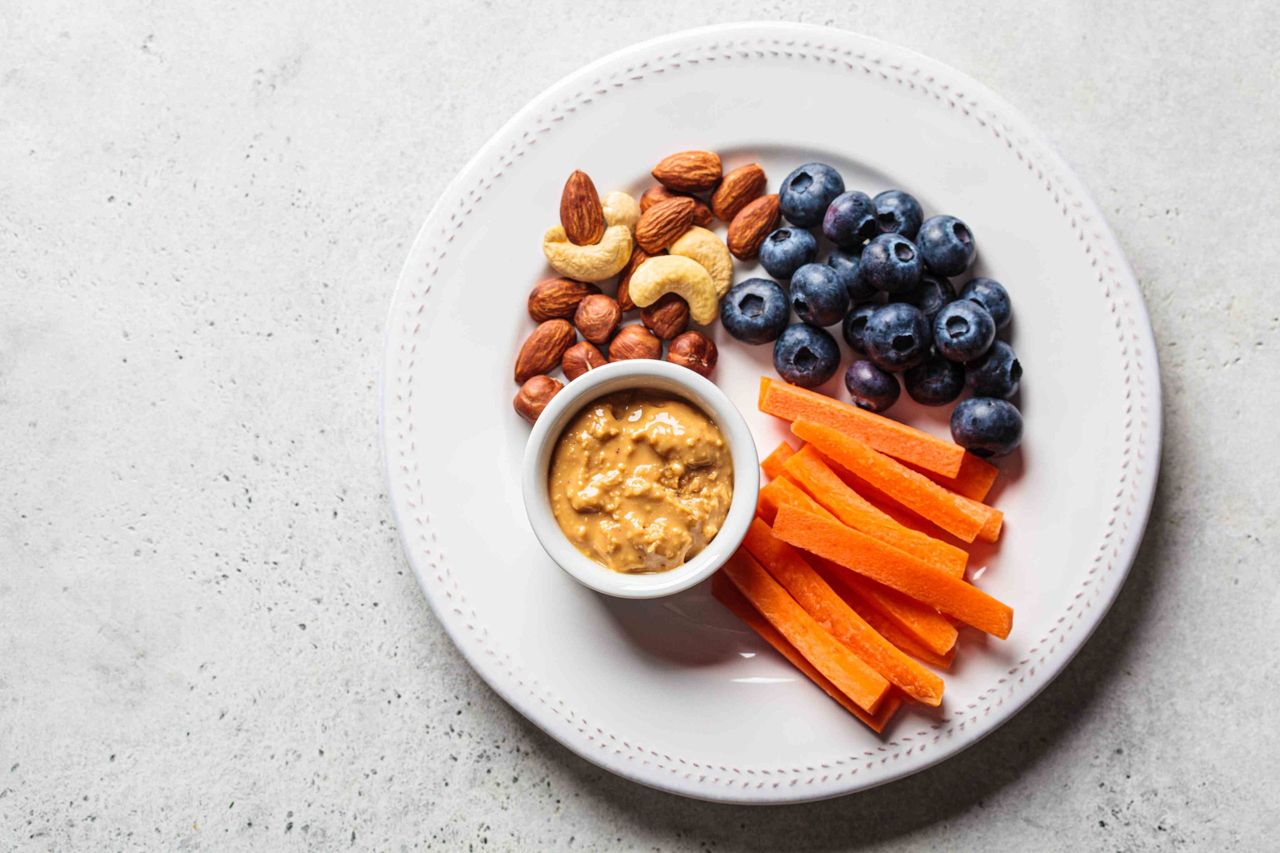
Two tablespoons of peanut butter has about 7-8 grams of protein and kids will eat it on basically everything. We’re talking apple slices, celery (classic ants on a log with raisins, corny but it works), rice cakes, pretzel rods, banana halves, or just straight off a spoon when you’re out of options. Justin’s makes individual almond butter squeeze packs for about $1.50 each, which are great for lunchboxes and zero cleanup involved.
For nut free classrooms, sunflower seed butter is the answer. SunButter Naturals has a flavor my kids actually prefer to peanut butter, and it has 7 grams of protein per serving. Just know that it turns baked goods green due to the chlorogenic acid reacting with baking soda, harmless but genuinely startling the first time. Pair any nut or seed butter with a piece of whole wheat toast or a few Triscuits and you’ve got a snack with protein, fiber, and fat all in one shot.
Meat Sticks and Jerky: Protein Rich Kids Snacks That Feel Like a Treat
Okay, I was skeptical. But Chomps meat sticks became a staple in our house after Caleb started playing travel soccer and I needed something portable with actual staying power. Each Chomps stick has 10 grams of protein, zero grams of sugar, and under 100 calories. They come in flavors like Italian style beef and turkey, and they taste like a fancy version of a Slim Jim. My kids think they’re getting away with something.
People’s Choice and Epic also make solid jerky options. Look for versions with minimal ingredients and under 300mg of sodium per serving, some jerky is basically a salt lick. The Epic Venison Sea Salt & Pepper bars have 10 grams of protein and are made with simple ingredients. At about $2-3 per stick, they’re not an everyday thing, but they’re perfect for after sports practice or long car rides when you need something that’ll actually hold someone over.
Edamame and Roasted Chickpeas: The Plant Based Protein Snacks That Actually Work
Edamame is one of those snacks that I assumed my kids would hate, and I was wrong. Half a cup of shelled edamame has 9 grams of protein and it’s basically just fun to eat, you pop them out of the pods, which somehow makes it more interesting than any other vegetable. I buy the frozen Trader Joe’s shelled edamame, microwave it with a tiny bit of salt for about 3 minutes, and serve it warm or cold. Done. Caleb eats it watching TV like it’s popcorn.
Roasted chickpeas are the swap I make when my kids are reaching for chips. Biena Chickpea Snacks come in flavors like Honey Roasted and Sea Salt, each serving has 6 grams of protein, and they’re crunchy enough to scratch that chip itch. A bag runs about $4-5 at Target. You can also make them yourself: rinse and dry a can of chickpeas, toss with olive oil and whatever seasoning, roast at 400°F for 25-30 minutes. They’re best fresh but still decent for a day or two in an open container.
Quick Protein Snacks for Toddlers (Yes, These Work for Little Ones Too)
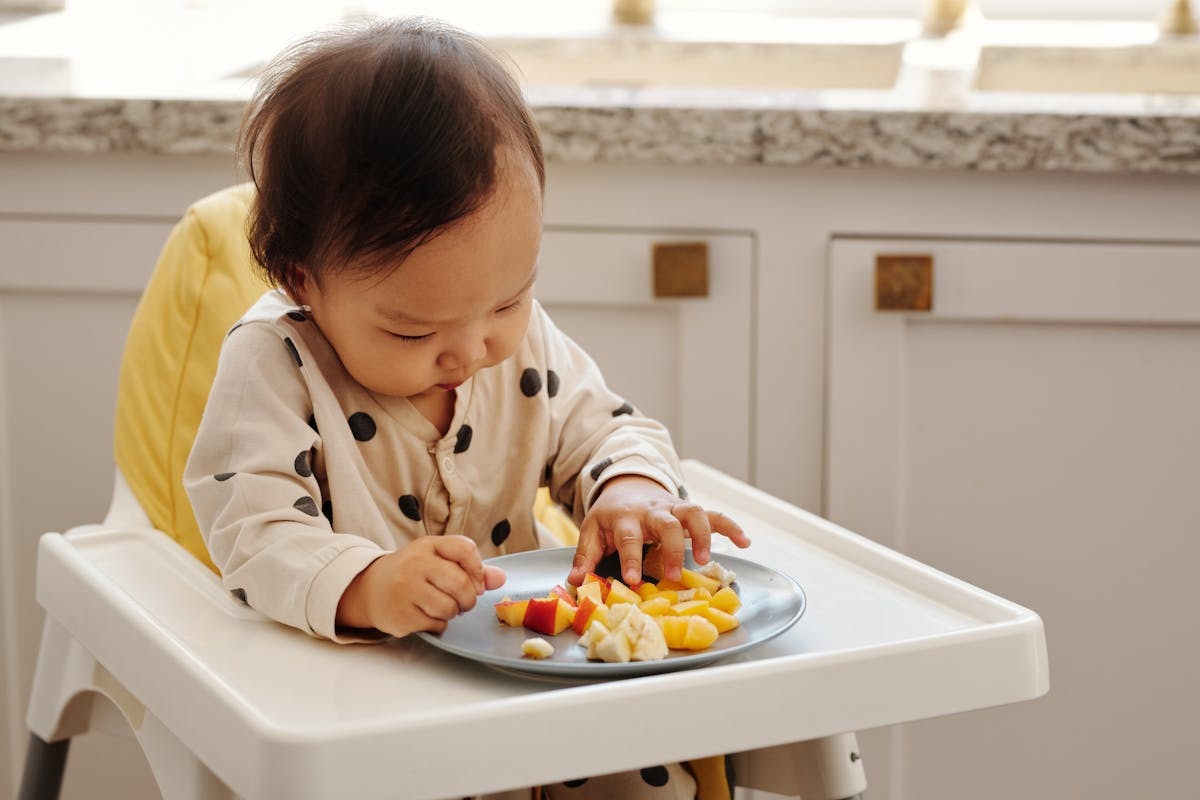
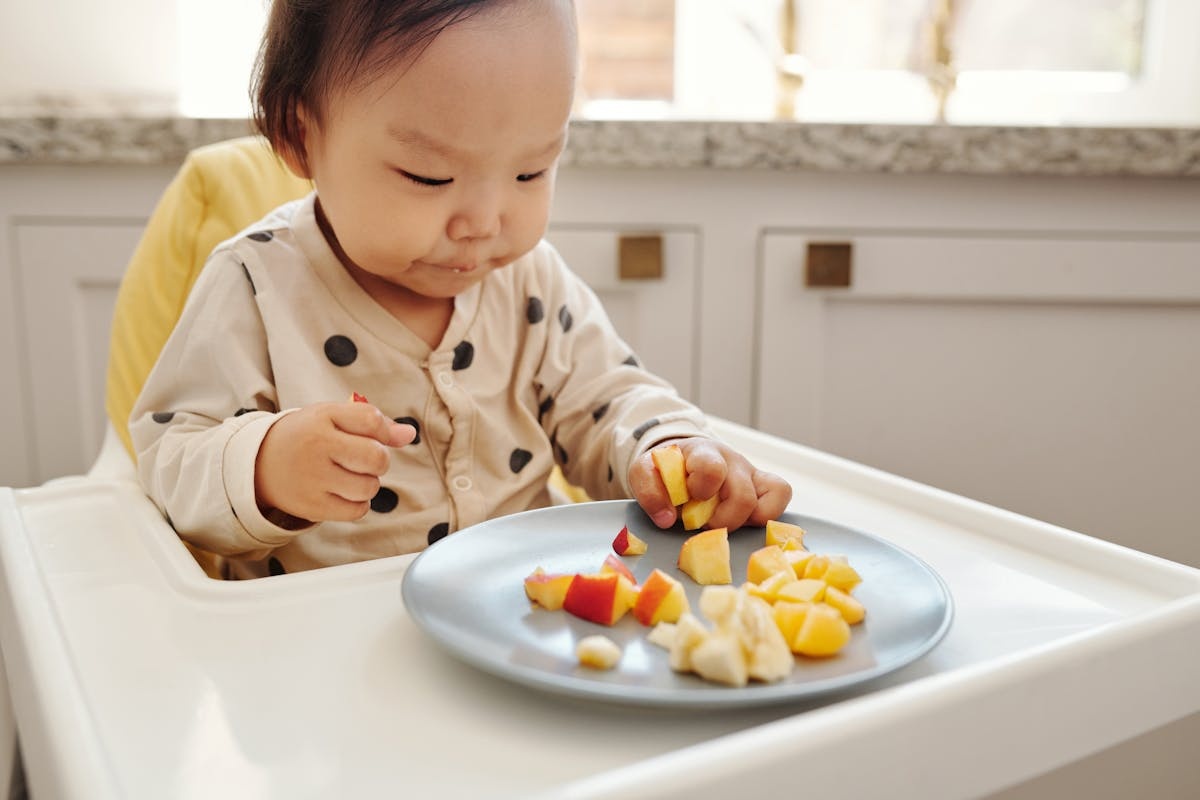
Toddlers are their own category of chaos. They want what they want, they want it now, and they may reject it anyway just to see what you do. For quick protein snacks for toddlers, the goal is soft, manageable, and low drama. Scrambled eggs cut small, full fat cottage cheese with fruit mixed in, small pieces of soft string cheese, or a Stonyfield whole milk YoBaby yogurt pouch (4 grams protein per pouch) all work well for the under three crowd.
Hummus is another winner, it has about 2 grams of protein per two tablespoons, which isn’t huge, but pair it with whole wheat pita triangles or soft veggie strips and you’ve got a snack that covers multiple food groups without a fight. Sabra makes individual hummus and pretzel packs for about $1.50 each that are perfectly portioned for little hands. For toddlers specifically, aim for textures they can handle safely, keep pieces small, and don’t stress about hitting exact protein numbers, the research is clear that most kids in the US already get enough protein overall. The goal is just quality fuel, not obsessive tracking.
Do’s and Don’ts of High Protein Snacking for Kids
| Do's | Don't |
|---|---|
| Pair protein with a carb or fat for balanced energy | Rely on "protein" bars loaded with 15g+ of sugar |
| Batch cook hard boiled eggs once a week | Skip snack prep and then panic at 3 PM |
| Let kids pick between two protein options | Force one food, if they hate cottage cheese, move on |
| Read labels for sodium on jerky and meat sticks | Grab jerky with more than 400mg sodium per serving |
| Offer Greek yogurt instead of flavored regular yogurt | Buy yogurt with more than 10g added sugar per serving |
| Keep string cheese at eye level in the fridge | Hide the snacks so well you forget them |
| Use nut butter as a dip, not just a spread | Panic if your toddler rejects something, try again later |
| Introduce edamame early, most kids love it | Assume your kid won't like something before trying |
| Buy individual hummus packs for grab and go convenience | Make snacks so complicated you give up on them |
| Choose whole food proteins over powders for kids | Add protein powder to kids' food without a pediatrician's input |
| Keep snack portions appropriate, bigger isn't always better | Serve adult sized portions that overwhelm small kids |
FAQs
How much protein do kids actually need per snack?
For toddlers (ages 1-3), aim for 2-3 grams of protein per snack. School age kids (4-12) do well with 5-7 grams. Very active kids, your travel soccer player, the one at swim practice five days a week, can aim for 7-10 grams paired with some carbs for energy. That said, most kids in the US already meet their daily protein needs through regular meals, so snacks are about quality fuel, not obsessive counting.
Are protein bars safe for kids?
It depends heavily on the bar. Some kids’ protein bars are basically candy. Look for options with under 8g of added sugar, at least 5g of protein, and a short ingredient list. Perfect Bars (refrigerated section, ~$2.50 each) and Larabar Kids are decent options. Avoid anything marketed as a “weight management” or “adult performance” product, those have too much protein and sometimes stimulants that kids don’t need.
My kid won’t eat eggs. What’s a good substitute with similar protein?
Greek yogurt, cottage cheese, or a Chomps meat stick are the closest substitutes in terms of protein content per serving. If they eat nut butter, two tablespoons on whole wheat toast gets you to 7-8 grams. Edamame at half a cup gives you 9 grams. You’ve got options, no egg forcing required.
Can toddlers eat the same high protein snacks as older kids?
Mostly yes, with modifications. Toddlers need smaller pieces, softer textures, and you’ll want to watch for choking hazards, whole nuts, large chunks of meat, hard raw vegetables. Greek yogurt, scrambled eggs, soft cottage cheese, hummus with soft pita, and small pieces of string cheese are all safe bets for toddlers. Avoid honey for babies under 12 months.
Is it okay to give kids protein powder?
Generally, no, not without talking to your pediatrician first. Whole food protein sources are always the better choice for kids because they come with vitamins, minerals, and fiber that isolated protein powder doesn’t provide. Most kids don’t need supplemental protein at all. The only exception would be a child with a specific medical condition affecting absorption, and even then, it should be under medical guidance.
What are the best protein snacks for kids who play sports?
After practice snacks should combine protein with carbohydrates to refuel muscles and replenish energy. Good options: chocolate milk (8g protein, carbs from lactose, seriously underrated), Greek yogurt with banana, peanut butter on whole grain toast, or a Chomps meat stick with crackers and an apple. The carb protein combo matters more post exercise than protein alone.
Are there good nut free protein snacks for school lunchboxes?
Absolutely. Sunflower seed butter (SunButter brand), hummus packs, hard boiled eggs, string cheese, Chomps turkey sticks, edamame, and roasted chickpeas are all nut free and school safe. Siggi’s yogurt tubes are also great for lunchboxes, they stay cold with an ice pack and kids eat them like a snack pouch.
My kid eats the same two snacks on rotation. Is that okay?
Honestly? Within reason, yes. Kids are creatures of habit and forcing variety often backfires. If they’re rotating between string cheese and Greek yogurt, that’s fine, those are solid protein sources. The goal is keeping the options you offer nutritionally solid, not creating a gourmet snack bar. Keep introducing one new thing occasionally without pressure, but don’t stress the repetition.
Image Tags
- kids eating protein snacks after school
- child with Greek yogurt and berries snack
- hard boiled eggs on cutting board kids snack
- toddler eating hummus and veggies
- string cheese snack lunchbox kids
- edamame in bowl healthy kids snack
- peanut butter apple slices after school
- mother and child preparing healthy snacks kitchen
- Chomps meat sticks kids snack protein
- cottage cheese with fruit healthy snack child
- roasted chickpeas snack bowl crunchy
- energy balls no bake kids protein snack
Blog Tags
high protein snacks for kids, after school snacks, protein rich kids snacks, healthy snacks for children, quick protein snacks for toddlers, picky eater snacks, school lunchbox snacks, healthy kids food, protein snacks millennial mom, kid approved snacks, toddler snacks protein, easy healthy snacks kids