There is a particular kind of optimism that hits you in the produce aisle, the kind where you load up on spinach and kale, fully convinced that this week will be different. This week, you’ll blend it all up, your kids will take one sip, and you’ll have quietly solved the vegetable problem forever. Then reality arrives. Your seven year old looks at the glass like you’ve handed him lawn clippings with a straw.
I’ve been there more times than I’d like to admit. Green smoothies are genuinely one of the easiest ways to get real nutrition into kids without turning every meal into a negotiation, but only if you build them right. The difference between a smoothie your kid chugs and one that gets quietly pushed across the counter comes down to a handful of specific choices: which greens you use, which fruits you pair them with, and how you handle the whole performance of getting a skeptical child to try something green. Once I figured out the formula, it became one of my most reliable weekday wins.
Why Green Smoothies Are Worth the Trouble
Let’s be honest, most kids do not voluntarily eat their body weight in leafy greens. Two packed cups of spinach might disappear completely in a smoothie that tastes like mango, but you’d be fighting to get half a cup onto their plate at dinner. That gap is where green smoothies earn their place.
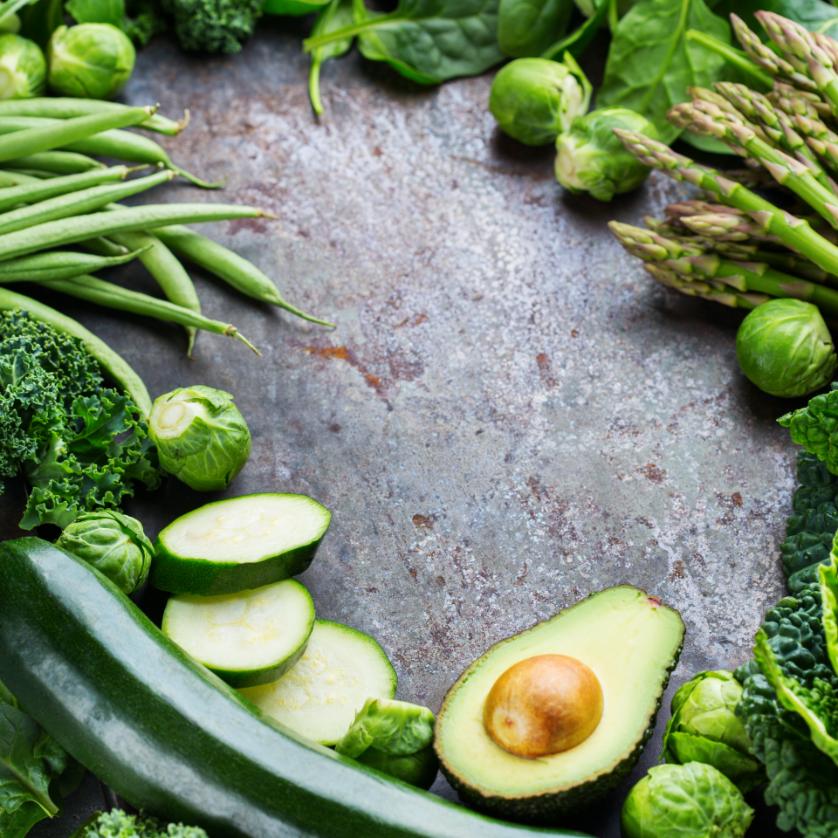
Baby spinach alone delivers iron, calcium, vitamin A, vitamin C, and vitamin K. These aren’t minor nutrients, they’re the ones that support bone growth, immune function, and eye development in kids who are growing fast and burning through reserves constantly. Kale adds magnesium and a bigger dose of vitamin K. Even a modest half cup of spinach in a blended drink counts toward your child’s daily intake in a way that genuinely adds up over a week. If your kid is going through a phase where beige foods are the only acceptable food group, a daily green smoothie can quietly fill a lot of nutritional gaps. That’s not a small thing.
The Flavor Problem (and Why Most Green Smoothies Fail)
Here’s what goes wrong with most green smoothie attempts: adults make them with adult palates in mind. We’re used to the slightly bitter edge of spinach or the grassy note of kale. Kids are not, and their taste buds are actually more sensitive than ours, they pick up bitterness more intensely, which is why they push away things we barely notice.
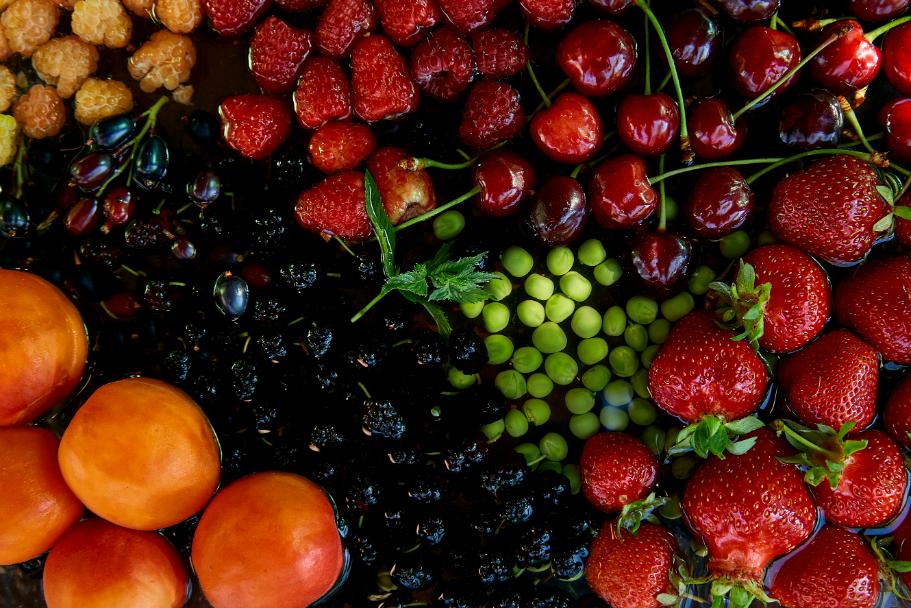
The fix is not to water down the greens, it’s to choose the right fruits to pair with them. Sweet fruits with strong flavors do the heavy lifting. Mango is particularly effective because it’s both intensely sweet and slightly acidic, which cuts right through any green flavor. Pineapple does something similar. Banana adds creaminess and a natural sweetness that softens everything around it. When you build a smoothie with frozen mango, frozen pineapple, and half a banana as your base, a full handful of spinach essentially disappears. The smoothie tastes tropical. The color reads green but that becomes the fun part rather than the suspicious part.
Texture is the other half of the equation. A watery green smoothie is a much harder sell than something thick and frosty. Frozen fruit is your best tool here, it creates a milkshake like consistency without diluting flavor the way ice does. Frozen banana slices in particular turn a blender full of ingredients into something that feels almost like soft serve. If you want extra creaminess, half a cup of full fat Greek yogurt or a spoonful of almond butter will get you there and add protein as a bonus.
The Greens to Start With (and Which to Save for Later)
Baby spinach is the overwhelmingly correct choice for starting out with kids. It blends smoothly, leaves no chunks, and has a flavor mild enough that a cup of it simply vanishes in a fruit forward smoothie. It’s the gateway green for a reason. Most kids who insist they hate vegetables cannot actually taste spinach when it’s blended with mango and banana. That’s not a trick, it’s just how flavors work together.
Kale is more nutritious by some measures but significantly stronger in flavor and harder to blend smooth without a high powered blender. If you want to use kale, strip the leaves off the tough stems, use only baby kale, and start with a quarter cup rather than a full handful. Work up from there. Throwing a full cup of mature kale into a blender and handing it to a picky six year old is how smoothie time becomes a standoff.
Frozen spinach is a useful shortcut that parents don’t talk about enough. It’s already blanched, which mellows the flavor even further, and it blends to a smooth consistency without any fibrous texture. A small cube of frozen spinach added straight to the blender from frozen works just as well as fresh, and it means you always have greens on hand without worrying about wilting.
Four Recipes That Actually Work
The Tropical Disappearing Act
This one earns its name because the greens genuinely vanish. Blend 1 cup frozen mango, ½ cup frozen pineapple, 1 medium frozen banana, 1 packed cup baby spinach, and 1 cup coconut water. Blend until completely smooth, about 45 seconds on high. The color is bright green, the taste is purely tropical, and most kids ask for seconds. Good for ages 2 and up.
The Strawberry Cover Up
This is the move when your kid eye rolls at anything that looks too green. Blend 1 cup frozen strawberries, ½ frozen banana, ½ cup baby spinach, ½ cup plain full fat Greek yogurt, and ¾ cup whole milk. The strawberries overpower the green visually (it comes out a muddy pink purple) and completely mask any spinach flavor. The yogurt adds protein and a tang that kids love. Great for picky eaters who are suspicious of color.
The Hulk Smoothie
Lean into the green instead of hiding it, rename it something exciting and let kids own the weirdness. Blend 1 cup frozen mango, 1 frozen banana, 1 generous cup baby spinach, 1 tablespoon almond butter, 1 teaspoon honey (for kids over 1), and ¾ cup oat milk. The almond butter adds depth and protein, the honey makes it feel like a treat, and the brilliant green color becomes a selling point when you call it the Hulk Smoothie. Kids who won’t eat anything green will absolutely drink the Hulk Smoothie.
The Sneaky Avocado Blend
Avocado is technically a fruit, and blended into a smoothie it disappears completely, just adding creaminess and healthy fats with no detectable flavor. Blend ¼ ripe avocado, 1 cup frozen mango, ½ cup frozen pineapple, ½ cup baby spinach, 1 tablespoon chia seeds, and 1 cup coconut milk. Chia seeds add omega 3s and fiber. The smoothie is thick, rich, and genuinely kid approved. Serve with a wide straw.
Getting Kids to Actually Drink It
The most reliable parenting trick here has nothing to do with the recipe, it’s involvement. When a child watches the ingredients go into the blender, presses the button, and pours their own glass, they are dramatically more likely to drink it. The ownership shifts. It becomes their smoothie, not something being done to them.
Naming matters too. “Green smoothie” as a concept lands differently than “Tropical Hulk Shake” or “Superhero Power Drink.” You’re not lying, you’re framing. The ingredients are identical. The reception is not.
Don’t hide the greens forever and hope they never find out. Kids who discover a secret ingredient can feel betrayed, which makes future smoothie attempts harder. Instead, be casual about it from the start. “This has spinach in it, but taste it, because you literally cannot tell.” That framing puts the magic on the table without making the green stuff feel like a punishment.
If your child refuses smoothies entirely because of texture, try pouring the blended mix into popsicle molds and freezing them overnight. A green smoothie popsicle in July is a wildly effective delivery mechanism for leafy greens.
Do’s and Don’ts for Green Smoothies Kids Will Drink
| Do's | Don't |
|---|---|
| Start with baby spinach, mildest flavor, smoothest blend | Start with kale unless you have a very compliant eater |
| Use frozen fruit for thick, frosty texture | Use only ice, it dilutes flavor and makes thin smoothies |
| Let kids press the blender button and pour their own | Make it silently and present a finished green glass |
| Name it something fun, Hulk Smoothie, Superhero Shake | Call it "healthy green smoothie" and expect enthusiasm |
| Add banana for creaminess and natural sweetness | Skip the banana to cut calories, it's doing important work |
| Use mango or pineapple as dominant fruit flavors | Use mild fruits like apple, they won't mask the greens |
| Add protein via Greek yogurt, almond butter, or chia seeds | Make it just fruit and greens, it won't keep kids full |
| Be honest about the ingredients, frame them positively | Hide everything and hope they never ask |
| Blend on high for a full 45 seconds | Under blend and leave green flecks (immediate rejection) |
| Freeze leftovers into popsicle molds | Let leftover smoothie sit, it oxidizes and looks unappetizing |
FAQs
How much spinach can I put in a kids’ smoothie without them tasting it?
Most kids can’t detect spinach when you use up to one full packed cup in a smoothie with strong fruit flavors like mango or pineapple. Start with half a cup if you’re nervous, then work up. Baby spinach is the mildest option. The key variable is not the quantity but the fruit base, if your fruits are sweet and flavorful enough, the spinach simply doesn’t register on the palate.
What liquid should I use as the base?
Coconut water keeps it light and adds a subtle sweetness. Whole milk or oat milk adds creaminess and helps keep kids full longer. Plain water works fine but makes a thinner smoothie. Avoid fruit juice as the base, it adds a significant sugar load on top of the natural sugars from fruit without the fiber benefit. One cup of liquid per smoothie is usually enough.
Is it okay to give green smoothies to toddlers under two?
Yes, with a couple of adjustments. Skip honey entirely for children under one year old due to botulism risk. Use whole milk or whole fat yogurt rather than plant based milks to ensure adequate fat for brain development. Serve in an open cup or smoothie pouch rather than a straw cup if they’re still working on straw drinking. Baby spinach and ripe banana are both appropriate for toddlers from around 12 months.
Can I make green smoothies ahead of time?
You can, but smoothies are best within about 24 hours. Store in a sealed mason jar in the fridge, and give it a good shake before serving since it will separate. For longer storage, pour into popsicle molds and freeze, they keep for up to three months. Avoid making large batches to refrigerate for the whole week; oxidation changes the flavor and color noticeably by day two or three.
My kid drinks it fine but then refuses it the next day, why?
Kids are like that. Consistency matters more than any single smoothie. Keep offering it two to three times a week in the same format, and most kids settle into accepting it as part of their routine. If they go through phases of refusing, take a break for a week and reintroduce. Pressure and big reactions both make kids more resistant. Low key consistency is what works over time.
Do green smoothies count as a meal or just a snack?
Depends on what you put in them. A basic fruit and spinach smoothie is closer to a snack, probably 150 to 200 calories. Add Greek yogurt, almond butter, or chia seeds and you’re looking at 300 to 400 calories with real protein and fat, which can absolutely serve as breakfast. For kids going through growth spurts or eating irregularly, a more substantial smoothie with protein and fat is significantly better than a thin fruit only version for keeping them satisfied.
What if the smoothie turns brown instead of green?
This usually happens when you add berries, especially blueberries or blackberries, which override the green color. It’s still nutritious, just less visually exciting. If color matters to your kid, stick to mango, pineapple, or yellow fruits as your base. Adding a little lemon juice also slows oxidation and helps the green stay vibrant longer if you’re making it ahead of time.
Image Tags: green smoothie in glass with kids in background, spinach mango smoothie for children, blender with green smoothie and tropical fruits, toddler drinking green smoothie with straw, baby spinach leaves next to smoothie ingredients, mom and child making smoothie together, green smoothie popsicles kids holding, frozen mango banana spinach smoothie bowl, healthy kids breakfast green smoothie, green hulk smoothie in mason jar with fun straw
Blog Tags: green smoothies for kids, spinach smoothie recipes, healthy kids drinks, sneaking greens into food, picky eater solutions, kid friendly smoothies, family nutrition tips, toddler food ideas, hidden vegetables for kids, breakfast smoothie ideas, millennial mom nutrition, healthy breakfast for kids