Introduction
If you’ve ever handed your three year old a spoon and watched them stir brownie batter like their life depended on it, you already know the magic of cooking with kids. There’s something about being included in the “grown up stuff” that genuinely lights them up. And the bonus? All that stirring, measuring, tasting, and assembling is actually doing a lot of good, building fine motor skills, teaching math concepts, and quietly nudging even the pickiest eater to try something new because they made it themselves.
The trick is making it work without losing your mind or ending up with flour on the ceiling. Getting kids into the kitchen doesn’t have to be a big, messy production (though sometimes it will be, and that’s okay). It just needs a little structure and a realistic understanding of what kids at different ages can actually handle. This guide breaks it all down by age group so you can jump in with confidence, whether you’ve got a curious three year old on your hands or a ten year old who’s ready to graduate from scrambled eggs to a full stir fry.
Why Cooking with Kids Is Worth the Mess
Let’s be honest, cooking with a toddler is slower, messier, and requires ten times more patience than doing it yourself. So why bother? Because the payoff is genuinely significant, and it goes well beyond the kitchen.
Research consistently shows that kids who help prepare food are more willing to eat it. For anyone raising a picky eater, that alone is reason enough to hand over the whisk. But beyond solving the dinner battle, cooking together builds life skills that schools don’t really teach, planning, following a sequence of steps, managing time, and understanding that mistakes are just part of the process. A batch of flat pancakes is a learning moment, not a failure. Kids also get real math practice without realizing it: half a cup, doubling a recipe, counting out twelve crackers for a snack plate. And perhaps most importantly, every time your child successfully completes a kitchen task, even something as small as mashing a banana, their confidence gets a quiet boost. That feeling of “I made this” is something they carry with them.
Kitchen Activities for Ages 3 to 5
Three to five year olds are enthusiastic kitchen helpers, even if their fine motor skills are still catching up with their ambitions. The key is giving them tasks where they can feel useful without putting them near anything sharp or hot.
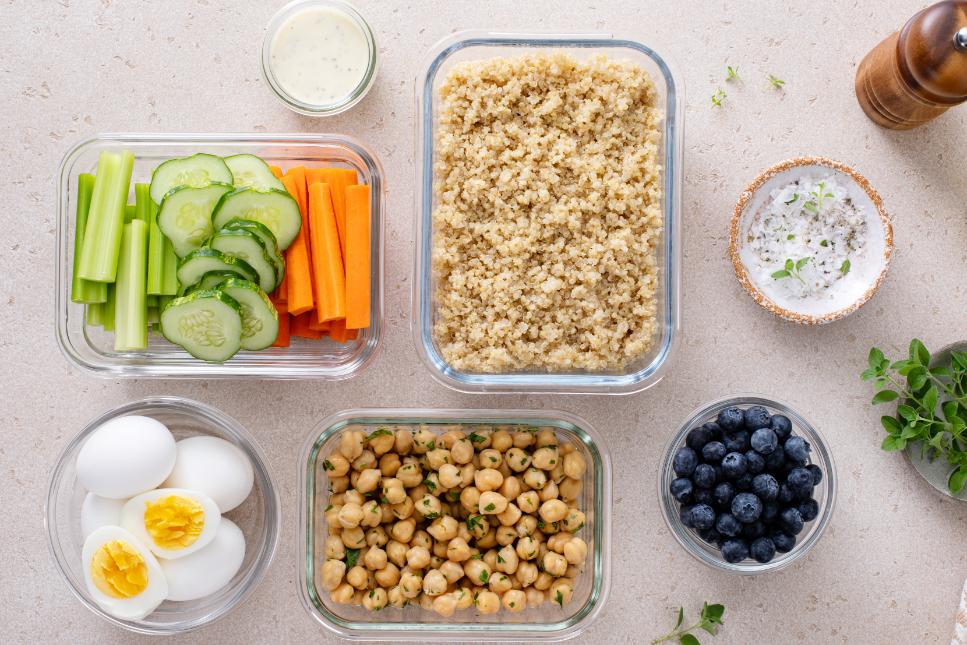
Great starting tasks for toddlers and preschoolers:
- Washing fruits and vegetables under the tap
- Tearing lettuce or fresh herbs into a bowl
- Pouring pre measured ingredients into a mixing bowl
- Stirring batters, doughs, and salads (with a big spoon)
- Sprinkling toppings like cheese, raisins, or cinnamon
- Using cookie cutters on soft bread, sandwiches, or pre rolled dough
- Mashing soft foods like bananas, avocado, or cooked sweet potato
Fun cooking projects for this age group:
Banana Oat Cookies: Mash two ripe bananas with a fork, mix in a cup of rolled oats, and add chocolate chips or raisins. Let your child do the mashing and mixing, they’ll take enormous pride in it. Scoop onto a baking sheet and bake at 350°F for 12 minutes. No sugar, no flour, and genuinely good.
Fruit Parfaits: Layer yogurt, granola, and sliced fruit in a cup. Kids can spoon in each layer themselves. It feels fancy, it takes five minutes, and they’ll eat every bite because they built it.
Ants on a Log: Celery sticks filled with peanut butter and topped with raisins. Simple, no heat, and it teaches kids about combining flavors and textures.
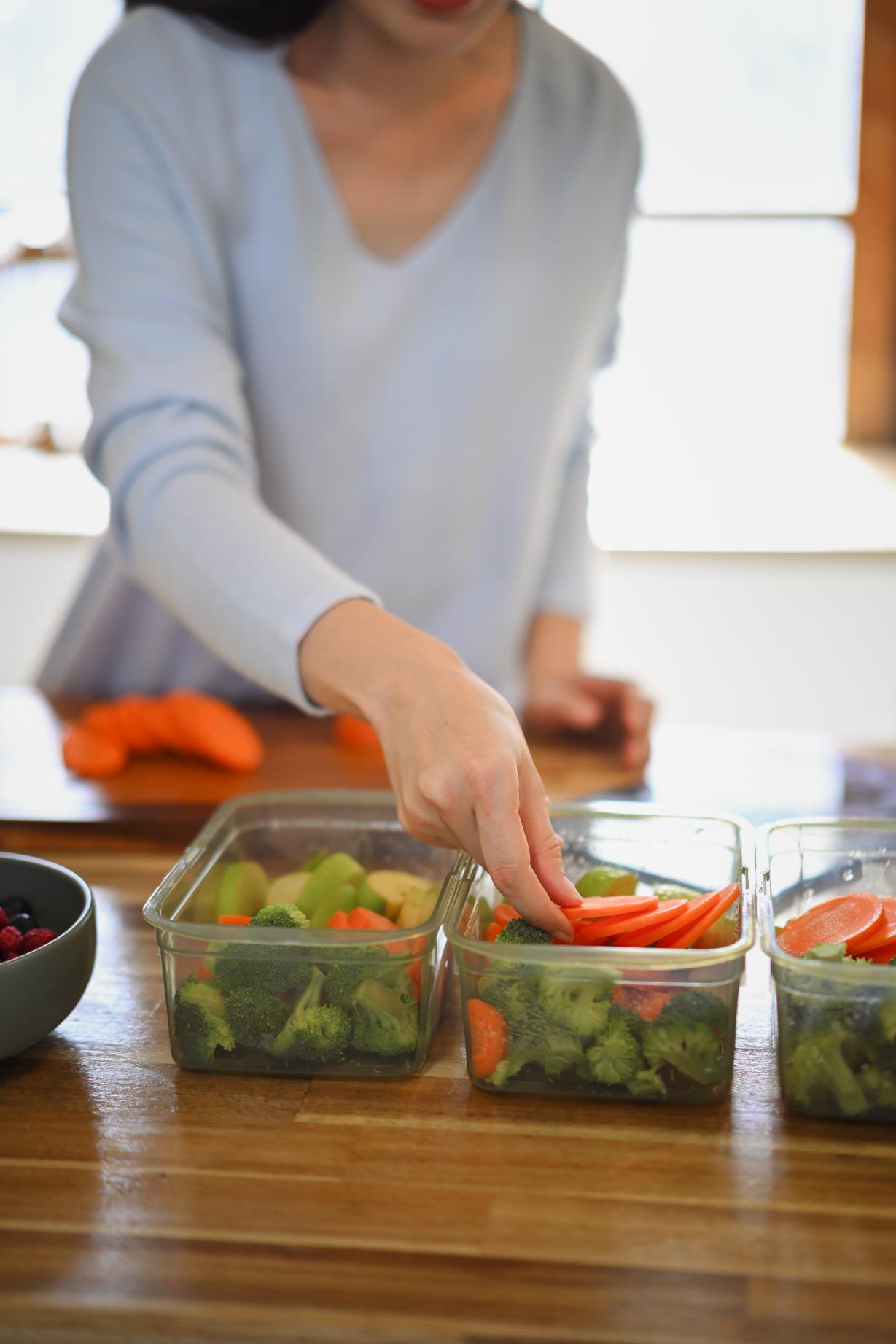
For kitchen safety at this age, set up a stable step stool so they can comfortably reach the counter. Keep them well away from the stove and oven, and establish a clear “hot zone”, some parents use painter’s tape on the floor around the stove as a boundary toddlers can actually understand.
Kitchen Activities for Ages 5 to 7
By kindergarten and early elementary school, kids have better coordination and are ready to take on a bit more. They can handle child safe knives for soft ingredients, help manage simple cooking steps with supervision, and start to follow a recipe from start to finish with guidance.
Appropriate tasks for this age:
- Peeling bananas, clementines, and hard boiled eggs
- Using a child safe knife to slice soft foods like bananas, strawberries, and cooked carrots
- Measuring and leveling dry ingredients
- Cracking eggs (expect a few shells in the bowl, just fish them out)
- Rolling dough with a rolling pin
- Assembling sandwiches, wraps, and pizzas
- Operating the blender with adult supervision for smoothies
Easy recipes kids can make at this stage:
Smoothies: Let your child pick two fruits, add some yogurt, pour in milk or juice, and blend. They control the flavor, and the result is always a win because it’s their creation.
Mini Pizzas on English Muffins: Halve English muffins, spread tomato sauce, add cheese and toppings. Pop under the broiler with you at the helm, kids do everything except the oven part.
Scrambled Eggs (with you nearby): At the older end of this range (around 7), kids can whisk eggs with a splash of milk, pour into a buttered pan, and stir gently over low heat with you right beside them. It’s their first real experience with heat, and scrambled eggs are forgiving.
Kitchen Activities for Ages 8 to 10
This age group is where cooking genuinely starts to get exciting. Eight to ten year olds can read and follow a recipe independently, handle a standard knife for most vegetables with proper technique, and start to make simple meals on their own. Teaching kids to cook at home at this stage can turn into a real lifelong skill.
What they can do:
- Chop vegetables with a standard knife (proper grip and technique, teach this carefully)
- Use the stovetop with supervision for tasks like stirring pasta, sautéing vegetables, or frying an egg
- Bake from scratch with a recipe, cookies, muffins, banana bread
- Follow a multi step recipe with some independence
- Help plan a family meal from start to finish
Fun cooking projects for this age:
Homemade Pancakes from Scratch: Mixing dry and wet ingredients separately, learning why you don’t overmix batter, and manning the pan (with you close by) feels like a real achievement. Top with fruit they sliced themselves.
Stir Fry Night: Prep vegetables together, talk about high heat cooking, and let them stir the wok (with you spotting). Serve over rice they measured and cooked. This is a full meal they can say they made.
Decorated Sugar Cookies: Make the dough together, chill it, roll, cut, bake, and then decorate with icing and sprinkles. This is a multi step project that takes patience, perfect for building focus and following through.
Setting Up for Success: Tips That Actually Help
The setup matters as much as the recipe. A few things that make cooking with kids smoother:
- Do mise en place together. Pre measuring everything before you start means less chaos mid recipe and turns prep itself into a learning activity.
- Pick short recipes. Anything requiring more than 30-40 minutes of active work will lose most kids under 8. Build up to longer projects.
- Let them make mistakes. Over salted soup? Cookies that spread too thin? Talk through what happened. It sticks better than a lecture ever would.
- Give them a real job, not just a helper job. Kids know the difference between being given something real to do versus being given something to keep them busy.
- Celebrate the outcome together. Serve whatever they made at dinner and make it a big deal. “You made this” goes a long way.
Do’s and Don’ts of Cooking with Kids
| Do's | Don't |
|---|---|
| Match tasks to your child's actual age and coordination | Hand a 4 year old a sharp knife because they seem confident |
| Wash hands before every cooking session | Skip handwashing for "quick" tasks |
| Set up a stable step stool for counter access | Let them stand on chairs, it's a fall risk |
| Stay in the kitchen when heat is involved | Walk away while a child is near a hot stove |
| Let them choose toppings, flavors, or mix ins | Dictate every step, ownership matters |
| Teach proper knife grip before letting them cut anything | Assume they'll figure it out |
| Keep the kitchen floor clear of trip hazards | Cook with toys or bags on the floor |
| Praise the effort, not just the outcome | Only celebrate when the food turns out perfectly |
| Store sharp knives in latched drawers | Leave knives in an accessible block within reach |
| Make cleanup part of the activity | Leave all the mess for yourself to deal with after |
FAQs
What age can kids start helping in the kitchen?
Kids as young as 18 months can participate in very simple tasks like washing vegetables or stirring cold ingredients. By age 3, most children are ready for a regular role in simple kitchen activities like tearing, pouring, and mashing. The key is matching the task to their motor skills and attention span, not their enthusiasm, which is almost always ahead of their ability.
How do I handle kitchen safety when cooking with toddlers?
Start by establishing a clear boundary around any heat source. Some families use painter’s tape on the floor to mark a “no go zone” around the stove. Always have your child wash hands first, keep sharp objects stored in latched drawers, and position yourself between your child and anything hot. Pot handles should always face inward so small hands can’t reach up and grab them.
What are the best easy recipes kids can make on their own?
For younger kids (3-5), banana oat cookies, fruit parfaits, and ants on a log are great starting points. For ages 5-7, smoothies, mini pizzas on English muffins, and simple sandwiches work well. By 8-10, kids can handle scrambled eggs, homemade pancakes, basic stir fries, and baked goods like muffins or cookies, with adult supervision near any heat.
Does cooking together actually help picky eaters?
Yes, and it’s one of the most consistent findings in nutrition research on children. When kids are involved in choosing and preparing food, they develop a sense of ownership over it. That pride in “I made this” is often enough to get a child to try something they’d normally refuse on a plate. It’s not a guaranteed fix for every picky eater, but it’s one of the best tools you have, and it costs nothing extra.
How do I keep cooking sessions from turning into chaos?
The biggest thing is preparation. Set everything out before you start (mise en place), choose a recipe that matches your child’s attention span, and accept that some mess is part of the deal. Don’t try to cook dinner at the same time you’re running a kitchen activity with a young child, give it its own dedicated time when you’re not stressed about getting food on the table in 20 minutes.
What kitchen skills should kids have learned by age 10?
By 10, a child who’s been cooking regularly should be comfortable reading a basic recipe independently, measuring dry and wet ingredients accurately, using a knife for most vegetables with proper technique, operating the stovetop with supervision, and making simple meals like scrambled eggs, pasta, or a basic stir fry from start to finish. These are genuinely life ready skills they’ll use forever.
How do I make cooking educational without making it feel like school?
Just talk while you cook. Count out ingredients, talk about why baking soda makes muffins rise, explain what sautéing does to an onion versus eating it raw. Kids absorb this naturally when it’s part of doing something, not sitting down to learn it. The best cooking lessons feel like conversation, not curriculum.
What if my child loses interest halfway through a recipe?
It happens, especially with younger kids. Build in natural “your turn” moments so they’re engaged throughout, not just at the pour and stir step. Keep sessions short and choose recipes they actually want to eat at the end. And on the days they wander off mid way through muffin batter, just let them. No guilt. Try again next weekend.