
Introduction
Every mom has been there: your kid comes home from school on a Tuesday looking totally fine, and by Thursday you’ve got two sick kids, a runny nose of your own, and a pile of cancelled plans. It feels like no matter what you do, illness just cycles through the whole house. The thing is, what you’re putting on the table actually matters more than most of us realize. The right immune boosting foods for families don’t just help in cold and flu season, they’re year round tools you can reach for without overthinking it.
This isn’t about chasing superfoods or buying expensive supplements. It’s about stocking your kitchen with the right staples, the foods that give your kids’ immune systems a real fighting chance and that keep you functional too, because a sick mom running on empty isn’t helping anyone. Once you know which foods to keep around and why they work, building an immunity diet for moms and kids becomes less of a project and more just… how you shop.
Why What Your Family Eats Directly Affects How Often They Get Sick
The immune system is not a single organ, it’s a whole network of cells, tissues, and processes that constantly needs raw material to function well. When your kids are deficient in key nutrients like zinc, vitamin C, or vitamin D, their bodies simply don’t have the building blocks to produce enough white blood cells or antibodies to fight off infections effectively.
Research from pediatric health organizations consistently shows that kids who eat a diet rich in whole foods, vegetables, fruits, lean proteins, and whole grains, tend to have shorter illnesses and recover faster than kids who subsist mostly on processed foods. The gut microbiome also plays a huge role here. About 70 percent of the immune system is housed in the gut lining, which means probiotic rich foods like yogurt and kefir aren’t just good for digestion, they’re directly tied to immune defense. When you stock your kitchen with the right foods, you’re not just feeding your family. You’re maintaining their first line of defense.
Vitamin C Rich Foods: The Non Negotiables Your Kids Will Actually Eat
Vitamin C is probably the most talked about immune support nutrient, and for good reason. It stimulates the production and function of white blood cells, which are the cells your body sends to attack bacteria and viruses. The good news is that vitamin C rich foods for children are not hard to find, and many of them are already kid favorites.
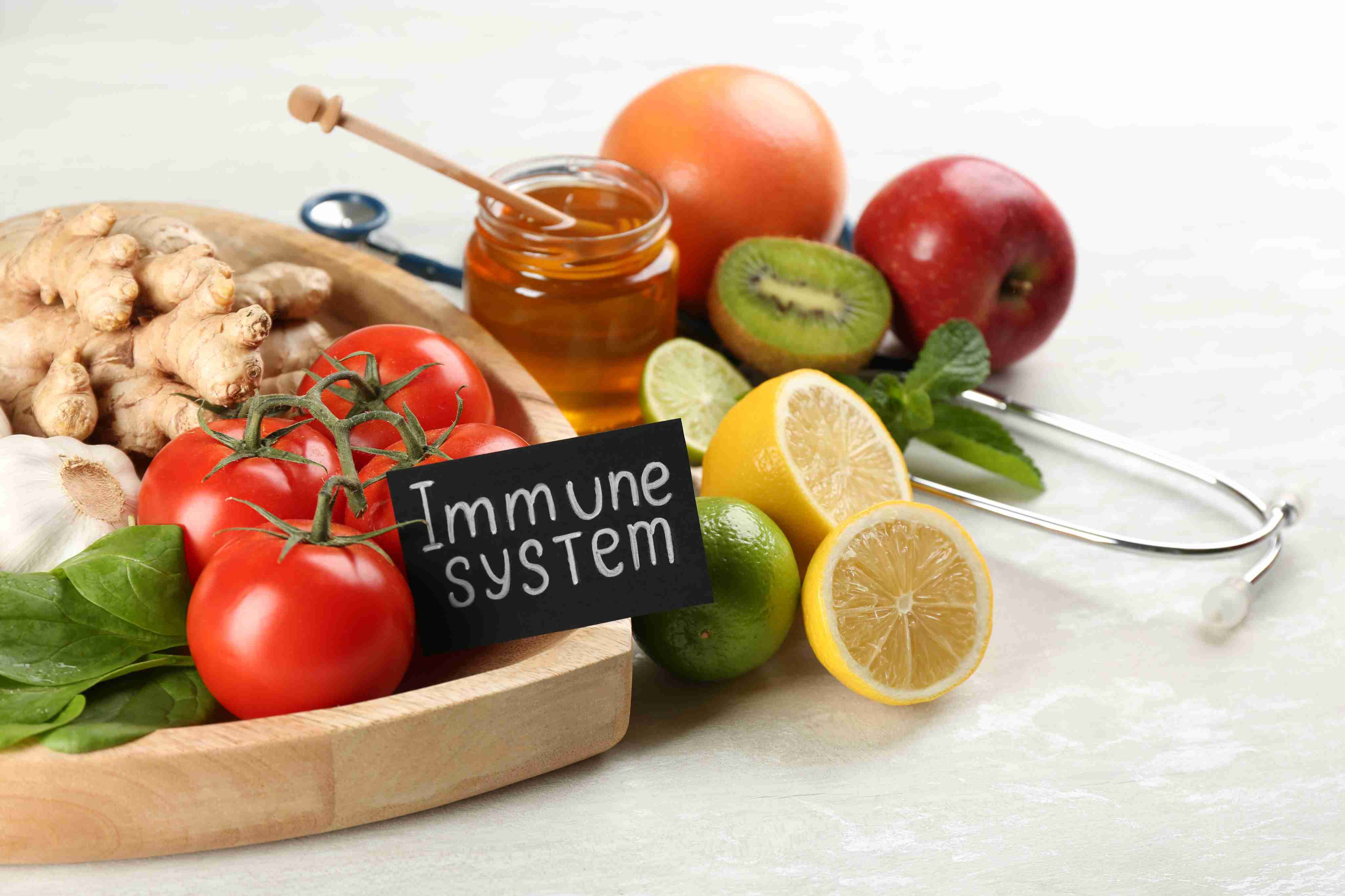
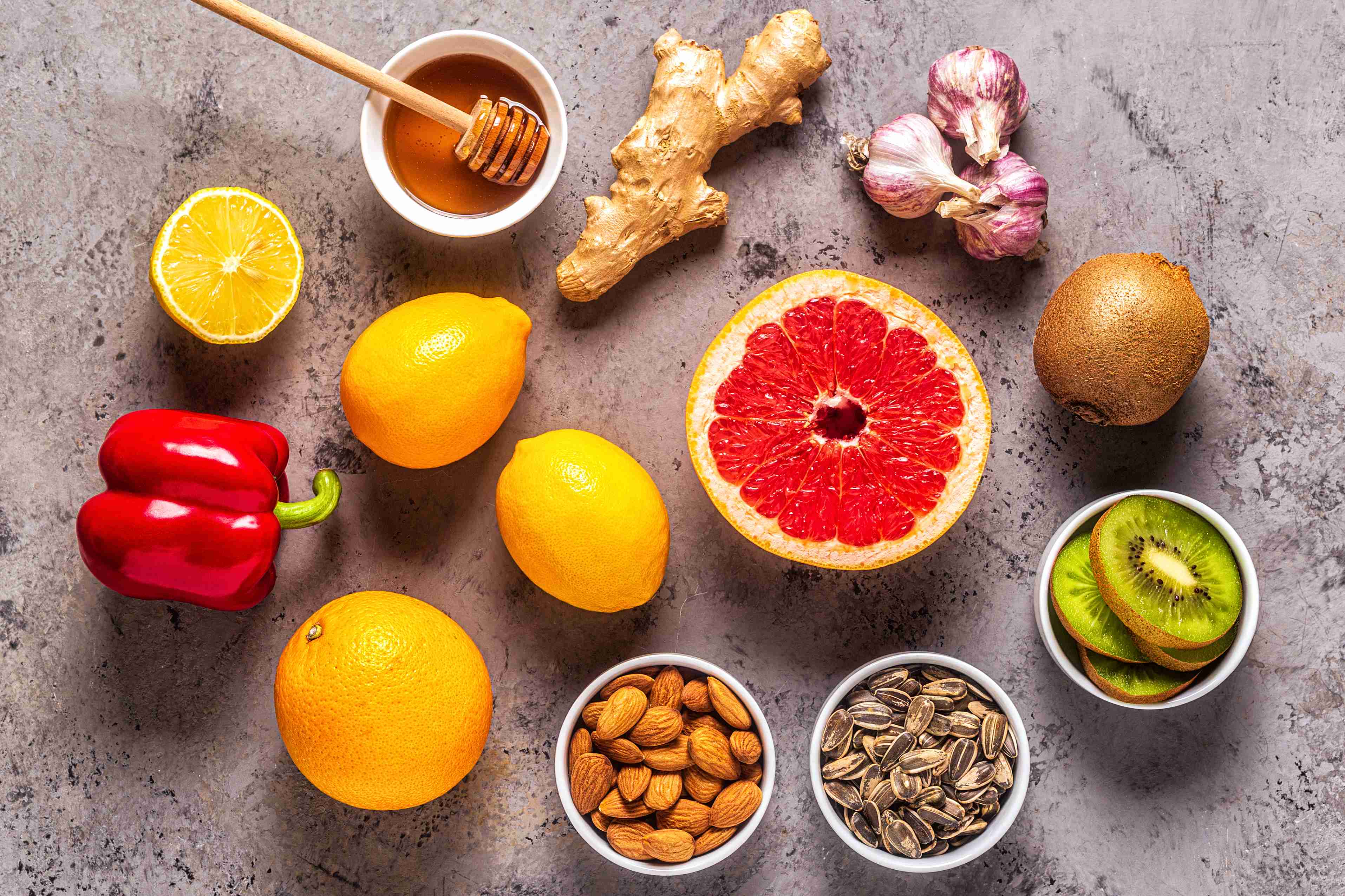
Oranges and clementines are obvious choices, easy to toss in a lunchbox, naturally sweet, and high in vitamin C with about 70mg per medium orange. But strawberries are just as impressive, packing around 85mg per cup, which makes a smoothie or a bowl of strawberries at snack time a solid immune strategy. Kiwi is another one worth keeping on hand, one kiwi has more vitamin C than an orange, and most kids who try it end up loving the sweet tart flavor.
On the vegetable side, bell peppers are the sleeper star. A single red bell pepper has nearly 190mg of vitamin C, almost three times what you’d get from an orange. Slice them with hummus for an after school snack, toss them into quesadillas, or roast them with a little olive oil. Broccoli is another solid source, and when it’s roasted until slightly crispy at the edges, a lot of kids who claim to hate it will actually eat it.
Zinc and Protein: The Building Blocks That Don’t Get Enough Credit
When people think about foods to prevent illness in children, they tend to go straight to vitamin C and forget about zinc. But zinc is just as important, it’s essential for the development and function of immune cells, and a deficiency is specifically linked to higher rates of respiratory infections in kids.
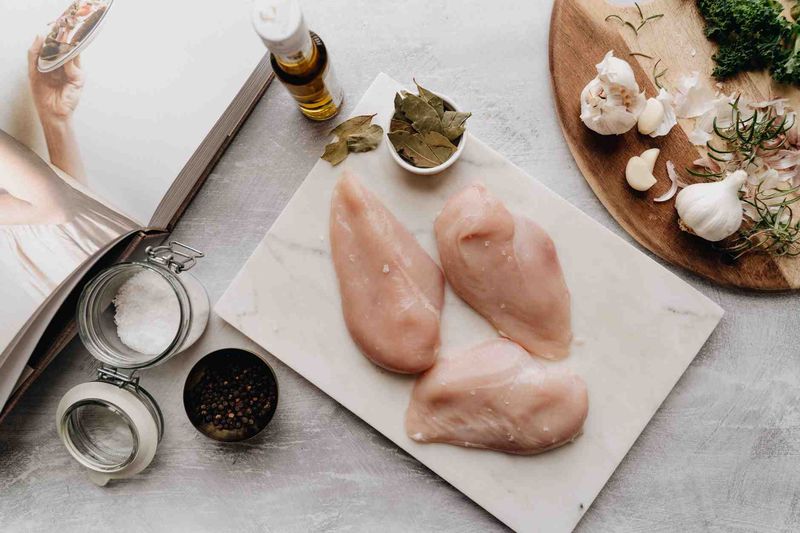
The easiest way to get zinc into your family’s diet is through animal proteins. Chicken is a staple for a reason: it provides both zinc and protein, which the body uses to build antibodies. A simple roast chicken or baked chicken thighs two or three nights a week covers a lot of nutritional ground. Beef is another great source, and even a couple of beef based dinners a week, tacos, a stir fry, pasta bolognese, adds meaningful zinc to your kids’ diet.
For plant based zinc sources, beans and chickpeas are your best friends. Chickpea pasta, lentil soup, black bean quesadillas, these are cheap, kid friendly, and genuinely useful. Pumpkin seeds are also surprisingly high in zinc and easy to toss on top of oatmeal, yogurt, or salads. When your family is getting consistent protein and zinc, their immune cells have what they need to actually work when something comes along.
Probiotic and Prebiotic Foods: Feeding the Gut to Protect the Whole Family
A healthy gut does a lot more than prevent stomachaches, it actively trains the immune system to recognize and respond to threats. Kids who eat probiotic rich foods regularly tend to have more diverse gut microbiomes, which translates directly into better immune responses.
Greek yogurt with live and active cultures is the easiest probiotic food to get into a kid’s daily routine. Pair it with some berries and a drizzle of honey at breakfast or serve it as a snack with granola. Kefir is another option, it’s like drinkable yogurt and has even more probiotic strains. Some kids who are picky about yogurt will actually drink kefir in a smoothie without noticing.
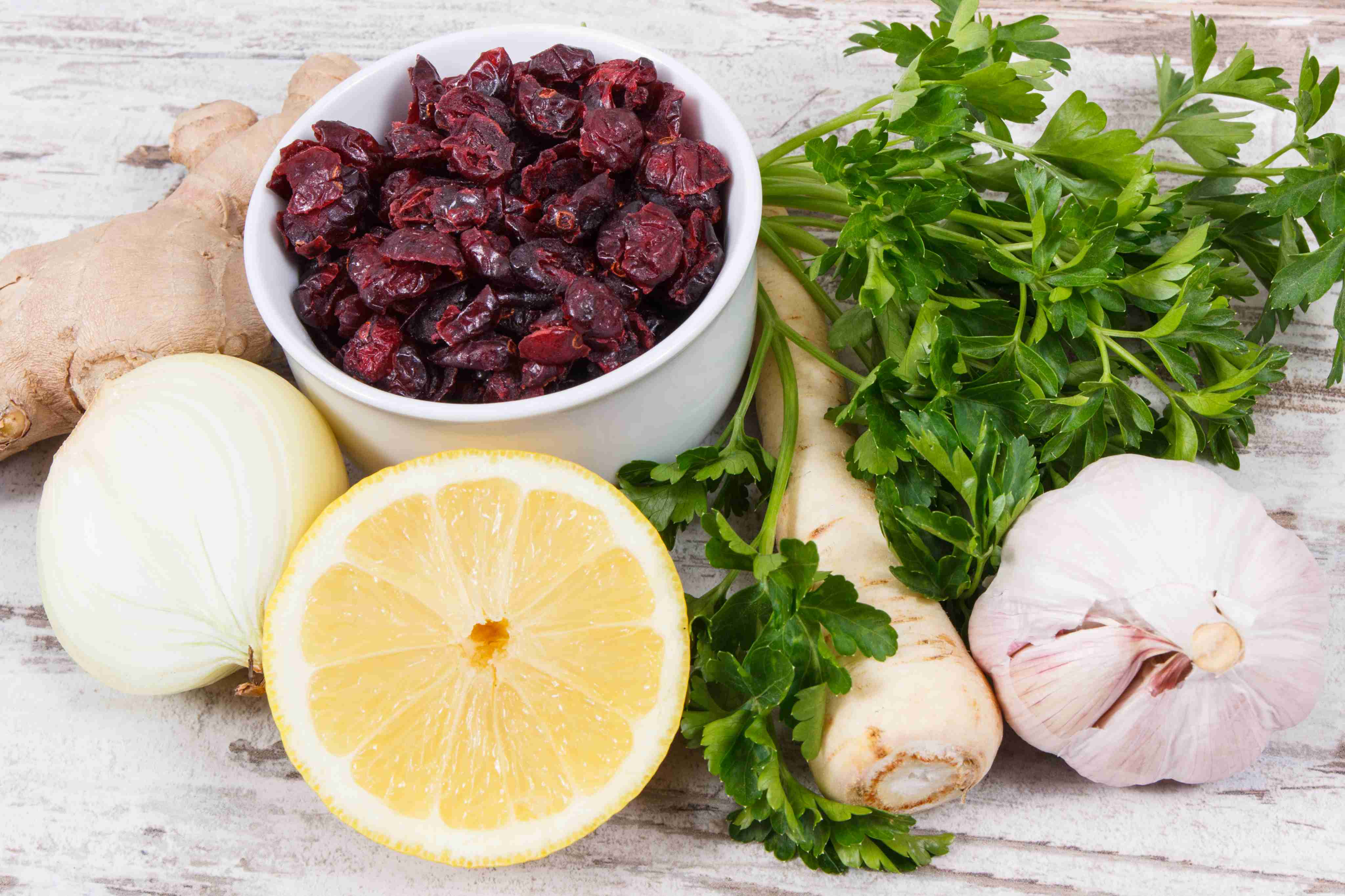
Prebiotic foods feed the good bacteria already living in the gut, and these include things like oats, bananas, garlic, onions, and asparagus. This is why a simple bowl of oatmeal in the morning is genuinely good for your kids’ immune health, the beta glucan fiber in oats has been shown to increase the activity of white blood cells. It’s not glamorous, but it works. Garlic is another one worth working into your cooking regularly. It contains allicin, a compound with documented antimicrobial properties, and it’s easy to add to basically anything savory.
Seasonal Swaps: The Best Immune Foods to Buy Through the Year
One of the most practical things you can do for your family’s immune health is eat with the seasons. Seasonal produce is typically fresher, more nutrient dense, and cheaper, and conveniently, nature tends to offer what our bodies need most at each time of year.
Fall and Winter is when citrus is at peak season, oranges, grapefruits, clementines, and blood oranges are all at their best from November through February. This is also the time for sweet potatoes, butternut squash, and dark leafy greens like kale and Brussels sprouts. Sweet potatoes are loaded with beta carotene (vitamin A), which supports the production of white blood cells. Roast a tray of sweet potato cubes on Sunday and use them through the week in wraps, bowls, and as a side dish.
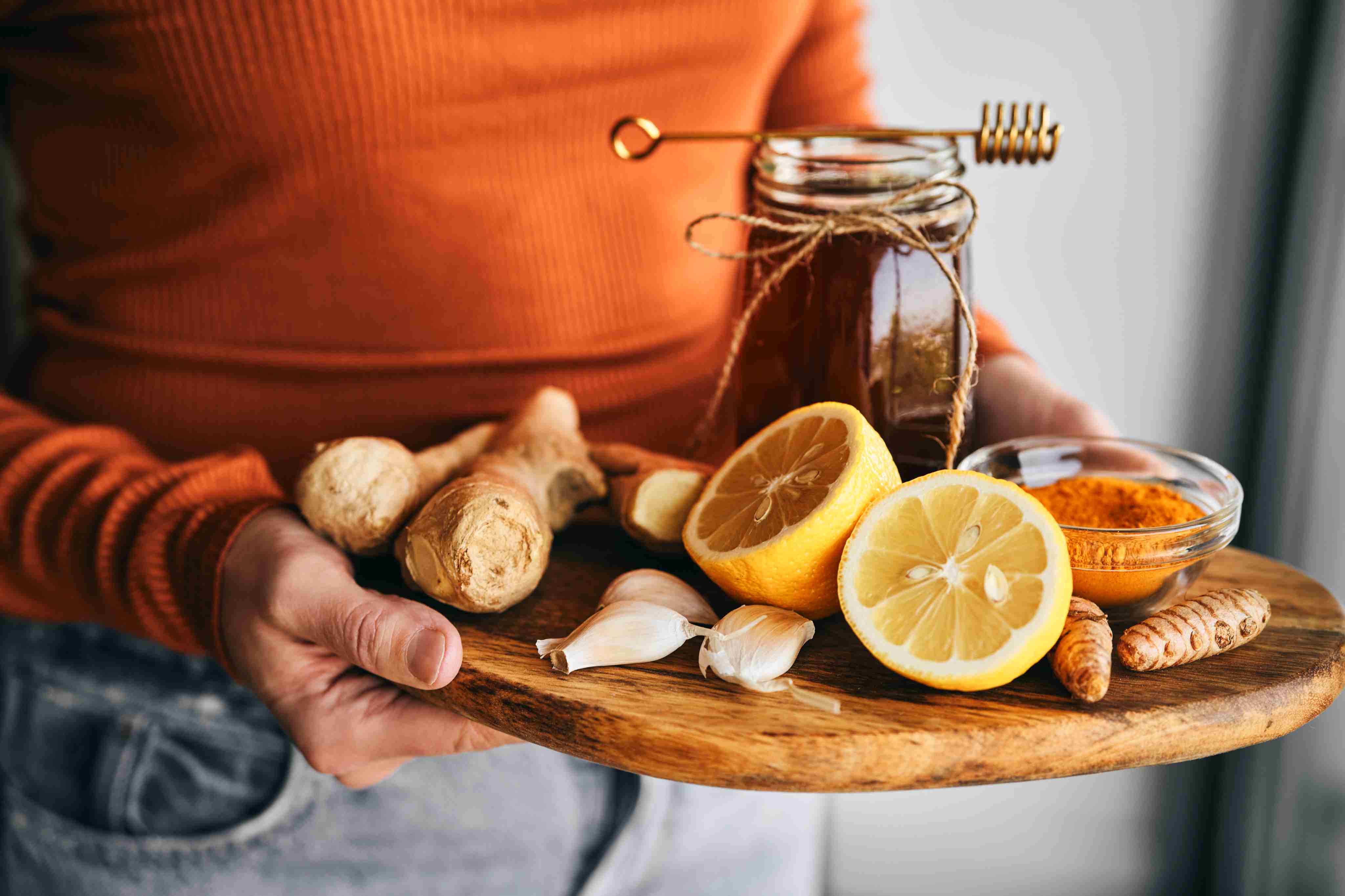
Spring brings asparagus, spinach, snap peas, and fresh strawberries back into the picture. Asparagus is rich in folate, vitamin C, and vitamin E, a trio that supports immune function and skin health simultaneously. Spinach smoothies, spinach in pasta, spinach in scrambled eggs, this is the time to lean on it.
Summer is berry season, and blueberries in particular are worth buying in bulk and freezing. They’re high in flavonoids that reduce inflammation, and they go into everything, pancakes, yogurt, muffins, smoothies. Tomatoes are another summer staple, rich in vitamin C and lycopene, a powerful antioxidant.
Simple Meal Ideas That Check Multiple Immune Boosting Boxes
You don’t need to rebuild your entire menu. A few strategic swaps and additions go a long way.
Breakfast: Oatmeal topped with blueberries, a tablespoon of pumpkin seeds, and sliced banana hits beta glucan, antioxidants, zinc, and prebiotics in one bowl. Alternatively, Greek yogurt with kiwi and granola is ready in under two minutes.
Lunch: A wrap with grilled chicken, shredded carrots, sliced bell peppers, and a handful of spinach packs vitamin C, zinc, beta carotene, and protein. Chickpea soup with a side of whole grain bread is a great meatless option.

Dinner: Roasted sweet potatoes alongside baked salmon or chicken thighs with garlic and lemon is genuinely one of the best immune support meals you can make, and it takes less than 30 minutes of active time. Add a side of broccoli or Brussels sprouts and you’ve covered nearly every base.
Snacks: Orange slices, apple with almond butter, bell pepper strips with hummus, or a small bowl of mixed berries. These are easy to prep ahead and pull out when kids come home hungry.
Do’s and Don’ts for Building a Family Immunity Diet
| Do's | Don't |
|---|---|
| Stock citrus fruits year round (frozen if needed) | Rely on juice, it spikes blood sugar without the fiber |
| Include a probiotic food daily (yogurt, kefir) | Give sugary flavored yogurts that cancel out the benefit |
| Cook with garlic and onions regularly | Skip vegetables just because a child refuses once |
| Serve whole grains like oats and brown rice | Replace meals with supplements without fixing the diet |
| Offer berries as a snack several times a week | Store produce so long it loses its nutrient value |
| Include a zinc rich protein at most meals | Assume processed "fortified" foods cover real food gaps |
| Eat seasonally to maximize nutrient density | Overcook vegetables until they lose vitamin C |
| Keep frozen spinach and edamame on hand for quick additions | Use sugar heavy drinks as hydration, they suppress immunity |
| Build gut health with prebiotic foods like oats and bananas | Skip meals on busy days, consistency matters |
| Hydrate with water and herbal teas instead of sports drinks | Wait until someone is sick to start thinking about nutrition |
FAQs
How many servings of fruits and vegetables does a child need daily for good immune health?
The general recommendation from pediatric nutrition organizations is at least 5 servings of fruits and vegetables per day for school age kids, with each serving being roughly half a cup. This doesn’t have to be a formal amount, a banana at breakfast, carrot sticks at lunch, an orange as a snack, and broccoli at dinner gets you most of the way there. The variety matters as much as the quantity, because different colors of produce provide different nutrients.
Can diet really prevent my child from getting sick, or is it just about reducing severity?
Honestly, both. A consistently good diet won’t make your child immune to every virus that passes through the classroom, but it does mean their immune system responds faster and more efficiently. Kids who eat well tend to have shorter illnesses, lighter symptoms, and recover more quickly than those on nutrient poor diets. Think of it as strengthening the army rather than building an impenetrable wall.
What are the best vitamin C rich foods for children who refuse citrus?
Great news for parents of citrus haters: strawberries, kiwi, red bell peppers, broccoli, and even mango are all excellent sources of vitamin C. A cup of strawberries has more vitamin C than an orange. Red bell pepper slices with ranch dip, a mango smoothie, or broccoli roasted until crispy are all easy workarounds that don’t require any battles.
Is yogurt with probiotics actually helpful, or is it just marketing?
The science here is fairly solid. Yogurt with live and active cultures contains strains of bacteria (primarily Lactobacillus and Bifidobacterium) that have been shown in multiple studies to support gut health and immune function. The key is to look for “live and active cultures” on the label and avoid yogurts where added sugar is the first or second ingredient, that sugar works against you.
How does sugar affect immunity in kids?
Excess sugar suppresses the activity of white blood cells for several hours after consumption. This is well documented, it’s one reason why kids who drink a lot of juice or sugary drinks tend to get sick more often. Swapping juice for whole fruit and water is one of the highest impact changes you can make for your family’s immune health overall.
What’s the easiest immune supporting habit for busy moms to start with?
If you can only change one thing, swap the afternoon snack to something that includes fruit or vegetables. A handful of berries, an orange, or bell pepper slices with hummus instead of crackers or chips gives your kids a meaningful dose of vitamin C, antioxidants, and fiber with almost no extra effort. Small, consistent changes compound over weeks and months.
Do kids need vitamin D supplements in addition to food?
Vitamin D is a tricky one because it’s difficult to get enough from food alone, especially in winter and for kids who spend a lot of time indoors. Foods like salmon, tuna, eggs, and fortified milk provide some vitamin D, but many pediatricians recommend a supplement, particularly in fall and winter, especially for kids in northern climates. It’s worth checking with your child’s doctor, because deficiency is common and genuinely affects immune function.
Should I worry about buying everything organic for immune health?
You don’t need to buy everything organic to get the immune benefits of fruits and vegetables. If budget is a concern, focus on the “Dirty Dozen” list (produce with highest pesticide residues) and buy those organic when possible, strawberries, spinach, and bell peppers are on that list. For everything else, conventional produce still delivers real nutritional value, and eating a conventional apple is infinitely better than skipping it.