Introduction
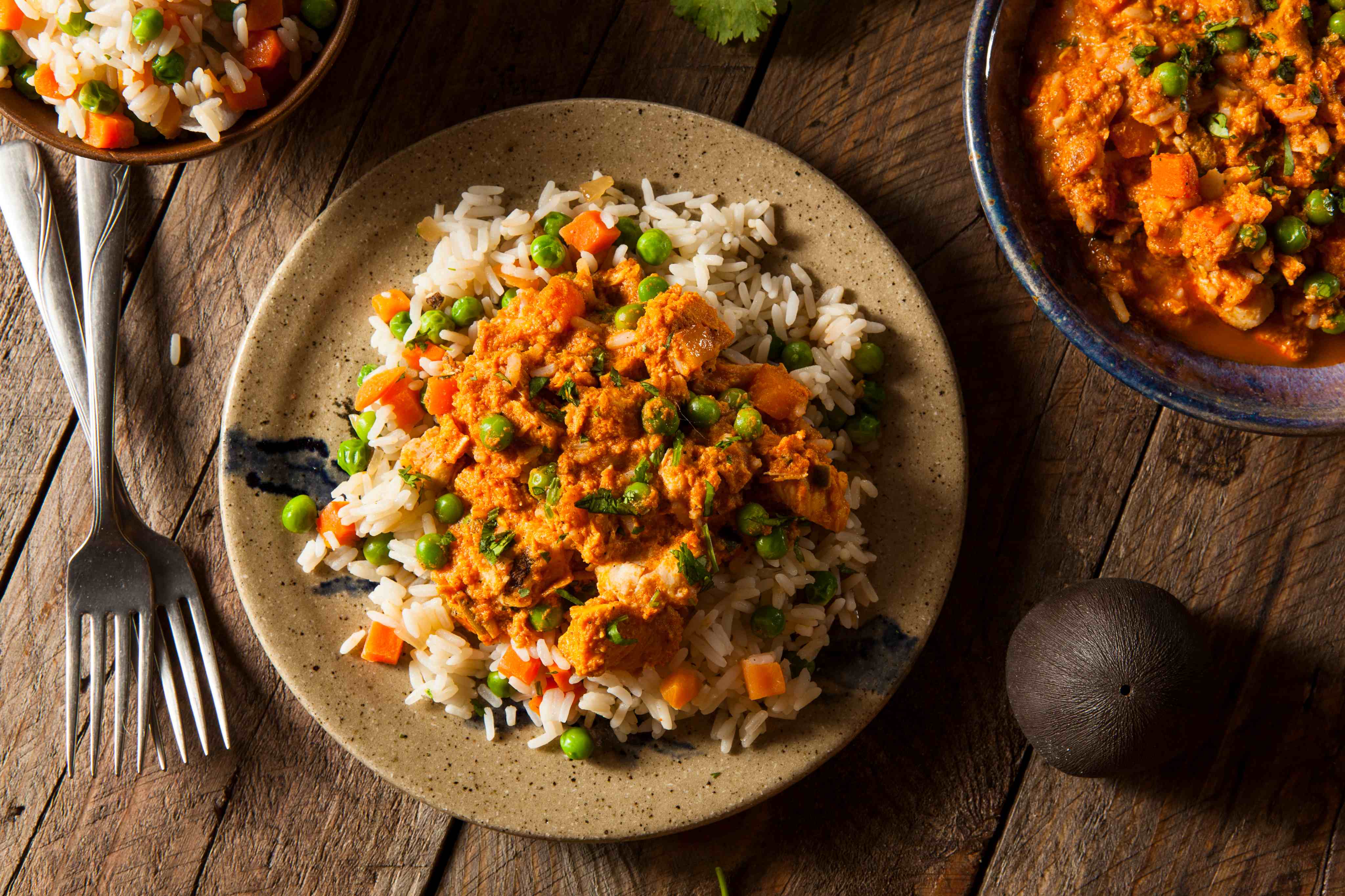
So here’s something that happened in my kitchen about six months ago. My five year old, who had been on a strict beige foods only diet for what felt like geological eons, asked for “more of the yellow rice.” The yellow rice. Dal khichdi. A dish made with lentils and turmeric that I’d been trying to get her to eat for two years. She ate two bowls. I nearly cried into the stovetop. Indian food recipes for kids aren’t a pipe dream, they’re just a matter of finding the right entry point, dialing back the heat, and leaning into the fact that Indian cuisine is basically built for little people who need protein, iron, and food that doesn’t taste like cardboard.
Here’s the thing most people don’t realize: Indian food is wildly diverse, and a huge chunk of it is already naturally mild. We’re talking soft lentil soups, creamy paneer dishes, ghee slicked flatbreads, and savory rice bowls that babies eat across India every single day. The spicy stuff, the vindaloos and the green chili loaded chutneys, is one slice of a much bigger pie. Once I started looking at Indian cooking through the lens of “what’s actually gentle and nourishing,” I found a whole pantry’s worth of dinners my kids would actually eat. And some of them take under 30 minutes. Yes, really.
Why Indian Food Is Secretly Perfect for Kids
Indian cooking has a few things going for it that Western weeknight staples just don’t. First, it’s heavily legume based, dals, lentil soups, chickpea dishes, which means protein and iron in every bowl without a kid having to touch a piece of chicken. Second, the base spices used in most Indian dishes (turmeric, cumin, coriander, cardamom) are aromatic rather than hot. They add depth and flavor without any actual burn. Turmeric alone has solid anti inflammatory properties, and cumin supports digestion, which, if your kid has a sensitive stomach, is genuinely useful.
Third, and this is the one that gets me every time, Indian food is incredibly texture friendly for kids. Soft dal, mashed aloo paratha filling, creamy palak paneer. Nothing is crunchy in a way that triggers a sensory meltdown, and a lot of it can be eaten with hands or ripped up bread. My younger one learned to self feed on small pieces of aloo paratha and paneer cubes, and she thought she was getting away with something every time.
Start Here: The Easiest Indian Food Recipes for Kids
If you’re new to cooking Indian food, don’t start with biryani. Start with dal khichdi. It’s one pot, it’s forgiving, and it’s basically the Indian equivalent of mac and cheese in terms of comfort level. Cook moong dal (yellow split lentils, find them at any Indian grocery or on Amazon) with white rice in a 1:2 ratio, add a pinch of turmeric, a little cumin, ghee, and salt. That’s it. The texture is soft and porridge like, and it’s one of the first solid foods babies eat across India. My daughter calls it “yellow mush”, affectionately, I think.
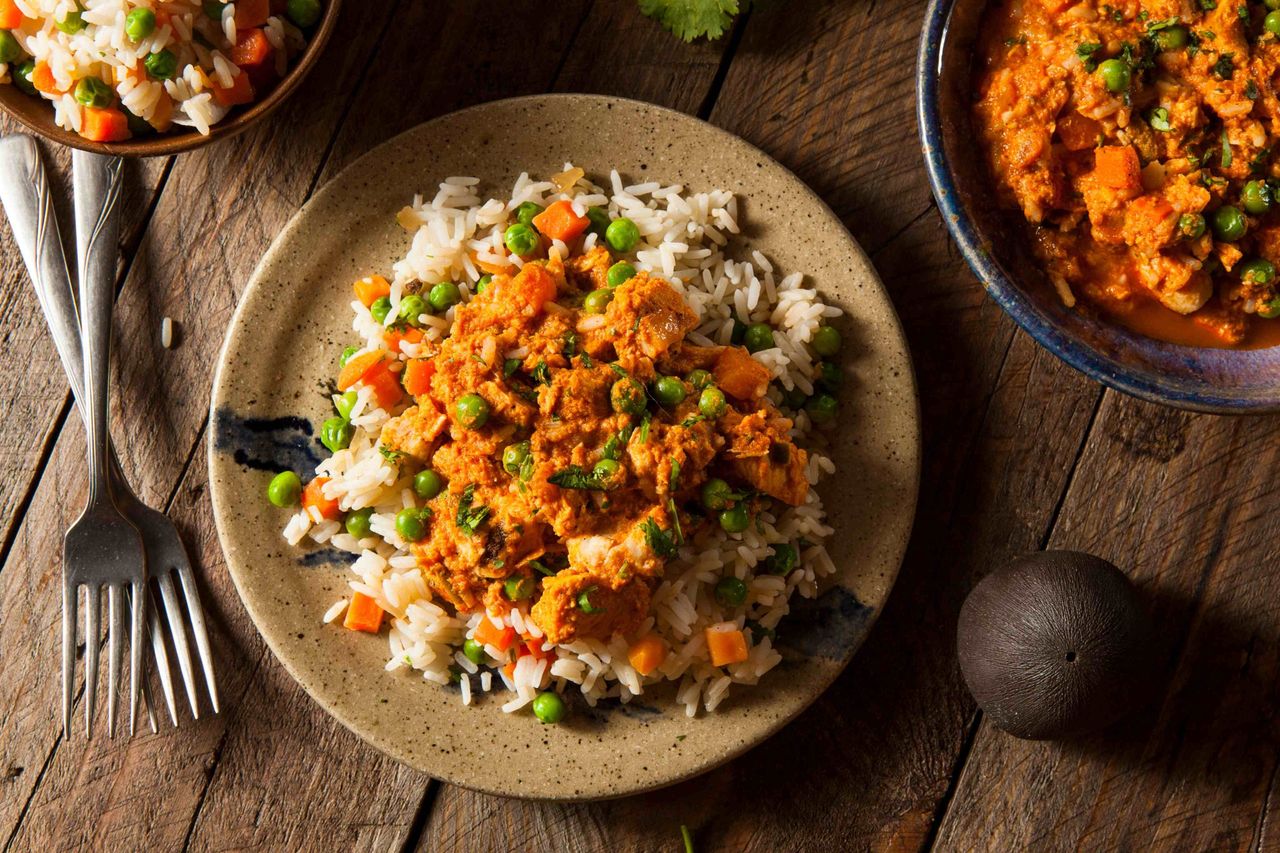
From there, try vegetable pulao. It’s seasoned rice cooked with mild whole spices like bay leaf, cloves, and cardamom, none of which are hot, all of which smell incredible. You can throw in peas, carrots, and cashews. It looks fancy, takes 25 minutes in a rice cooker, and kids eat it because it looks like regular rice but tastes better. Easy Indian recipes for toddlers don’t get much simpler than this.
Mild Indian Dishes for Children Who Are Suspicious of Everything
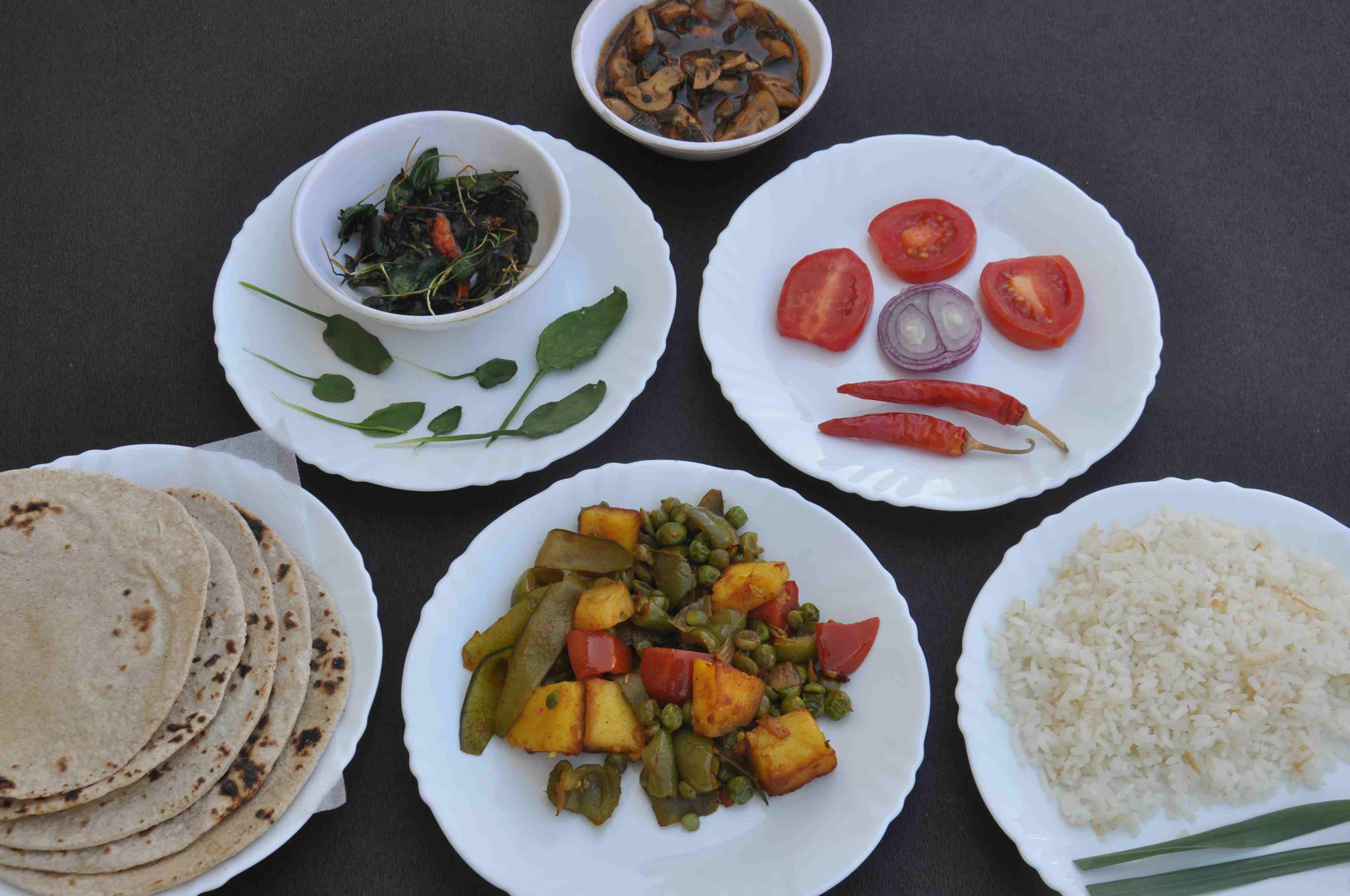
Picky eaters are a different challenge, and for those kids, the key is camouflage, not deception, just strategic presentation. Aloo paratha is a flatbread stuffed with spiced mashed potato. To most kids, it just looks like a bread. Serve it with a little plain yogurt on the side for dipping and watch it disappear. Skip the green chilies and red chili powder in the filling entirely; just use a touch of cumin, a tiny bit of coriander, and salt. It’s filling, it’s made with whole wheat flour, and it has the hand food quality that kids love.
Paneer butter masala on the mild side is another win. Paneer is a fresh Indian cheese, firm, not melty, and totally unfussy for kids to eat. The butter masala sauce is tomato based, creamy from a bit of heavy cream or cashew paste, and sweet savory in a way kids gravitate toward. Make it genuinely mild by keeping the red chili powder at a bare pinch (or omitting it) and using Kashmiri chili powder instead, which gives color without heat. My friend Meera, who grew up eating this, said her kid calls it “orange pasta sauce on cheese.” She’s not wrong. Serve over plain basmati rice and you’ve got a healthy Indian meal for the whole family.
Indian Snacks That Double as Kid Friendly Food
Snack time is where Indian food really shines for kids. Veg cutlets, little patties made from mashed potatoes, peas, and carrots, bound with breadcrumbs and pan fried, are crispy finger food that kids go absolutely feral for. Think of them as the Indian veggie burger. Season with just cumin and coriander, form into small discs, and either pan fry in a bit of oil or bake at 400°F for 20 minutes.
Idli with sambar is another underrated option. Idli are soft, spongy steamed rice cakes, they’re almost completely neutral in flavor on their own, which makes them weirdly appealing to texture sensitive kids. Serve with a mild sambar (lentil vegetable soup) on the side for dipping. You can cheat and use an idli mix from a brand like MTR or Gits, both are widely available and honestly just as good as from scratch for a weeknight.
Upma is one I make on rushed mornings. It’s made from semolina (rava), cooked quickly with mustard seeds, curry leaves, a little onion, and whatever vegetables are in the fridge. Takes 15 minutes, it’s filling, and it’s protein forward enough to hold a kid through a full school morning. I leave out the green chilies and use just the mustard seeds and a pinch of turmeric.
Kid Friendly Indian Food: Getting the Spice Level Right
This is the piece that trips up most parents. The trick isn’t cooking two separate dinners, it’s building your base mild and adding heat at the end, only to adult portions. Make your dal or curry with zero chili powder. Once you ladle out the kids’ bowls, hit the remaining pot with your chili, your green pepper, your garam masala. Everyone eats the same meal; you just diverged at the finish line.
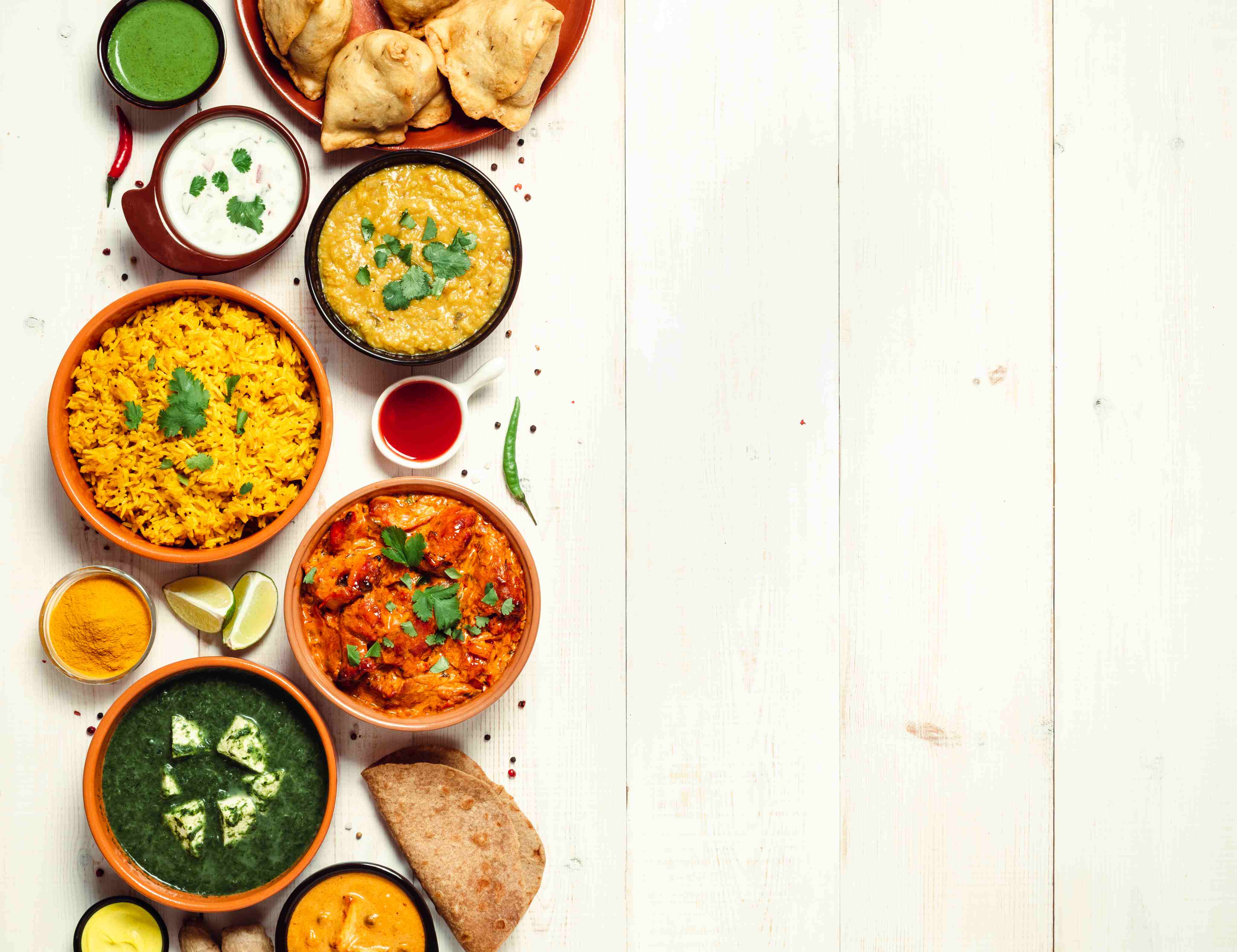
The spices that are safe and beneficial for kids from about 6-8 months onward: turmeric (start with a pinch), cumin, coriander, cardamom, and fennel. These are aromatic, not hot, and they actually do double duty, cumin aids digestion, turmeric has anti inflammatory properties, and fennel is a traditional remedy for colic. Skip anything labeled “chili,” “red pepper,” or “garam masala” until your child is at least 2-3 and has shown they can handle some heat. Even then, go slow. A quarter teaspoon across a whole pot is enough to start.
Healthy Indian Meals for Family Dinner: Full Menu Ideas
Some weeks I just want one dinner. One thing that everyone eats. Here are the combos that reliably work in my house:
Weeknight winner: Dal tadka (yellow lentils tempered with cumin and ghee) + plain basmati rice + cucumber raita. Adults can add pickle or chili chutney on the side. Kids eat it plain. Done in 30 minutes if you use canned lentils or a pressure cooker.
Weekend project: Aloo paratha + plain yogurt + sliced mango. This takes a bit more effort, making the dough, stuffing, rolling, but it’s genuinely fun to do with older kids who can help with the rolling pin. My daughter thinks she’s a chef every time.
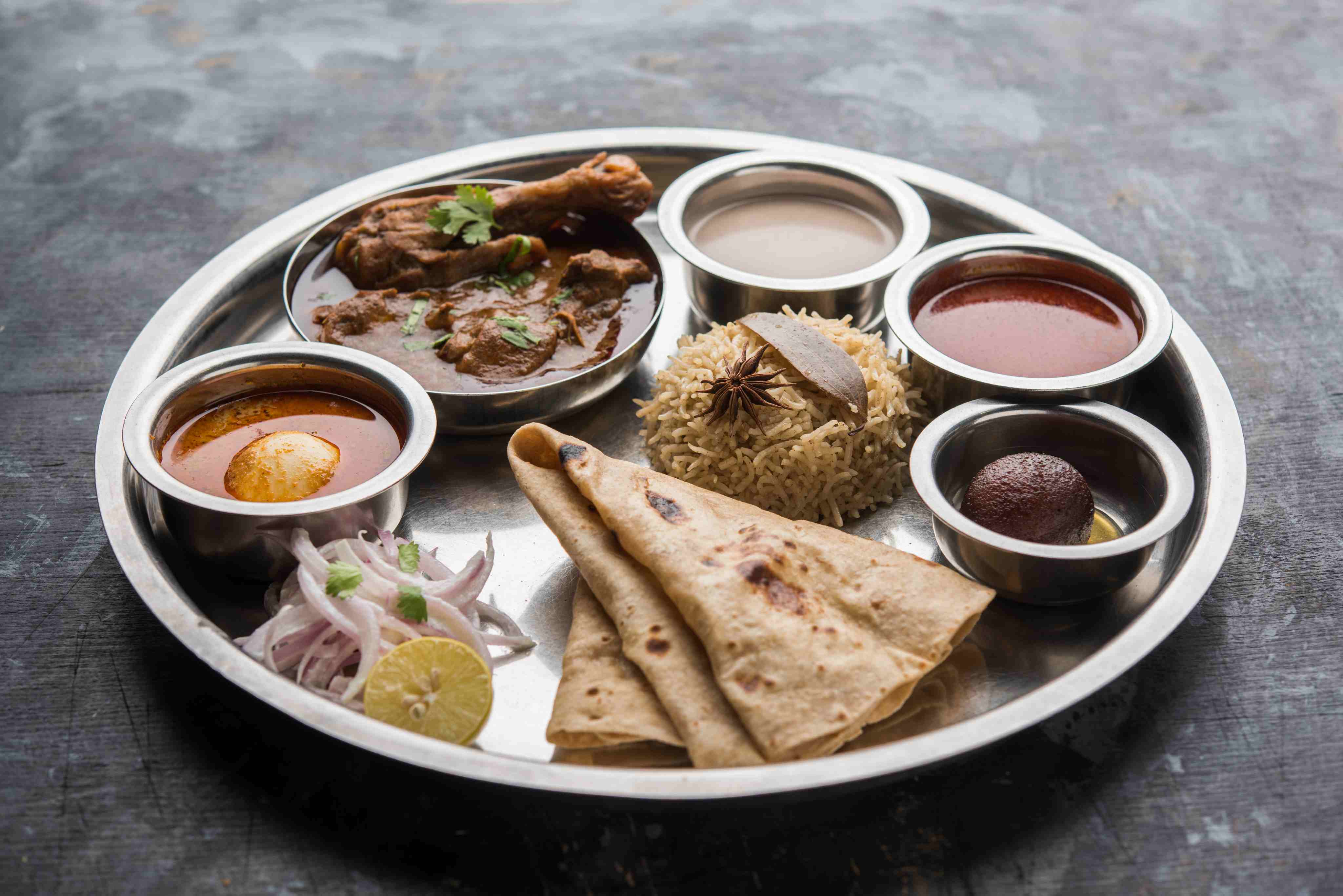
Sneaky vegetable situation: Palak paneer (spinach and paneer curry) blended smooth so the spinach disappears into the sauce. Serve over rice. Kids eat it thinking it’s “green cheese sauce.” Not a lie, technically.
Quick lunch: Vegetable pulao with plain yogurt. Twenty five minutes. Minimal dishes. Enough protein and vegetables to count as a real meal.
Do’s and Don’ts of Indian Food for Kids
| Do's | Don't | |
|---|---|---|
| 1 | Start with dal khichdi or vegetable pulao as a first Indian dish | Jump straight to complex curries with 20 spices |
| 2 | Use aromatic spices: turmeric, cumin, coriander, cardamom | Add green chilies, red chili powder, or garam masala to toddler portions |
| 3 | Offer paneer as a protein, it's mild and kid friendly | Assume kids can't handle flavor; bland doesn't mean nutritious |
| 4 | Build meals mild and add heat to adult portions at the end | Cook two completely separate dinners every night (unsustainable) |
| 5 | Try MTR or Gits ready mix products on busy nights | Feel guilty about using shortcuts, they're genuinely good |
| 6 | Serve Indian food with familiar sides (yogurt, rice) to ease kids in | Force a full Indian meal all at once if your child is resistant |
| 7 | Involve kids in tearing naan or rolling paratha dough | Worry if a child rejects a new dish the first 3-4 times (this is normal) |
| 8 | Use Kashmiri chili powder for color without heat | Sub regular cayenne thinking it's the same, it's not |
| 9 | Let kids dip, raita, plain yogurt, mild chutney are all fair game | Over season toddler food with salt; keep sodium low |
| 10 | Try idli and sambar as a low risk gateway dish | Serve unfamiliar food on a day when your kid is already tired or cranky |
| 11 | Introduce one new Indian dish per week so it doesn't feel overwhelming | Serve five new things at once and wonder why dinner ended in tears |
| 12 | Stock your pantry with moong dal, basmati rice, ghee, and paneer as staples | Assume Indian cooking is complicated, most kid friendly dishes are 30 minutes or less |
FAQs About Indian Food Recipes for Kids
Is Indian food safe for toddlers and young children?
Yes, the key is which dishes and which spices you choose. Aromatic spices like turmeric, cumin, coriander, and cardamom are safe from around 6 months old when introduced in small amounts. The dishes to start with are naturally mild: dal khichdi, vegetable pulao, idli, and plain aloo paratha. Avoid anything with red or green chili, black pepper in large quantities, or garam masala until kids are older and have shown they can handle some heat. Indian food is actually some of the most nutritionally complete food you can give a young child, rich in plant protein, iron, and healthy fats from ghee.
What is the mildest Indian food for a kid who doesn’t like spice?
Dal khichdi is the mildest starting point, it’s just rice, lentils, a pinch of turmeric, and ghee. After that, plain vegetable pulao and aloo paratha (with the chili omitted entirely) are reliable bets. Idli with very mild sambar is another great option. The goal is aromatic, not hot, these dishes have flavor depth without any burn.
Can I make Indian curry mild enough for kids?
Absolutely. The trick is building the curry base without chili and adjusting heat only for adult portions at the end. For paneer butter masala, for example, use Kashmiri chili powder (which is more about color than heat) or skip the chili entirely and let the tomato butter cream base do the work. Kids often love the savory sweet flavor of a mild butter masala sauce.
What Indian foods are high in protein for kids?
Dal (lentils) is one of the best plant based protein sources around. A single bowl of dal has 9-18g of protein depending on the lentil type. Paneer is another great option, it’s essentially a fresh cheese and packs solid protein and calcium. Chickpeas (chana), rajma (kidney beans), and moong dal are all protein dense and kid friendly when cooked soft and mild.
How do I get a picky eater to try Indian food?
Don’t make it a big deal. Introduce one new dish alongside something they already love. Aloo paratha next to their usual sandwich. A small bowl of dal alongside their regular rice. Offer without pressure and expect rejection the first several times, research suggests it can take 10-15 exposures before a child accepts a new food. The more you push, the more they resist. Let curiosity do the work.
Are there any ready made Indian food options that are kid friendly?
Yes, brands like MTR, Gits, and Priya make ready to eat pouches and instant mixes that are genuinely decent quality. MTR’s ready made palak paneer and dal tadka, for example, are much milder than restaurant versions and heat up in five minutes. They’re great for nights when cooking from scratch isn’t happening. Most Indian grocery stores carry them, and they’re on Amazon too.
What’s a good Indian food to pack in a kids’ lunchbox?
Aloo paratha slices with a small container of yogurt are perfect, they hold up well at room temperature and don’t get soggy. Veg cutlets are another great option, almost like a mini burger patty. Vegetable pulao travels well in a thermos. Avoid anything saucy for lunchboxes unless your kid’s school allows containers with lids.
How early can I start introducing Indian spices to my baby?
Most pediatric nutritionists and Indian feeding traditions suggest starting aromatic spices around 6-8 months, once solids are established. A pinch of turmeric or cumin in dal or vegetable puree is a great starting point. Introduce one spice at a time, wait 3 days, watch for any reaction. Most babies do completely fine. Hot spices, chili, pepper, should wait until at least 12-18 months, and even then, go slow.