Home fitness equipment under $100 tested for six months of real mom life. What got used daily, what gathered dust, and what to buy first, with US and UK pricing.
There is a corner of my bedroom that used to be a shrine to good intentions. A yoga ball nobody sat on. An ab roller I used four times. A set of ankle weights still in the packaging eleven months after purchase. At one point I owned a mini trampoline that my son immediately claimed as his own, permanently, which I suppose counts as it being used.
So last year I did something different. I tracked it. Every piece of equipment I owned, every time I used it, for six months, in a note on my phone. The results were not what I expected, and they had almost nothing to do with how good the equipment was. What predicted usage was setup time. Anything that took longer than about sixty seconds to get out and ready simply did not get used, no matter how much I had spent on it or how effective it was. That single insight is worth more than any product recommendation, but here are the recommendations anyway, ranked by what I actually reached for.
The Test: What Makes Equipment Get Used
Five things separated the kit I used four times a week from the kit that gathered dust.
Setup under sixty seconds. If a workout window opens during a nap or a screen time truce, you have minutes, not tens of minutes. Anything requiring assembly, inflation or clearing a room loses.
Storage in the room where you use it. Equipment stored in a garage or a loft is equipment you do not own. The winners all lived within arm’s reach of where I exercised.
Quiet operation. Anything that thuds, clanks or vibrates through a floor is unusable during a nap, which for many people is the only available window. This ruled out several otherwise excellent options.
Safe around children. Loose weights on a floor with a crawling baby are a genuine hazard. Equipment that can be dropped, tripped over or pulled down needs to be storable in seconds.
Works for short sessions. A piece of equipment that only makes sense in a forty minute session will not fit into most weeks. The best kit is useful in ten minutes.
What Actually Got Used, Ranked
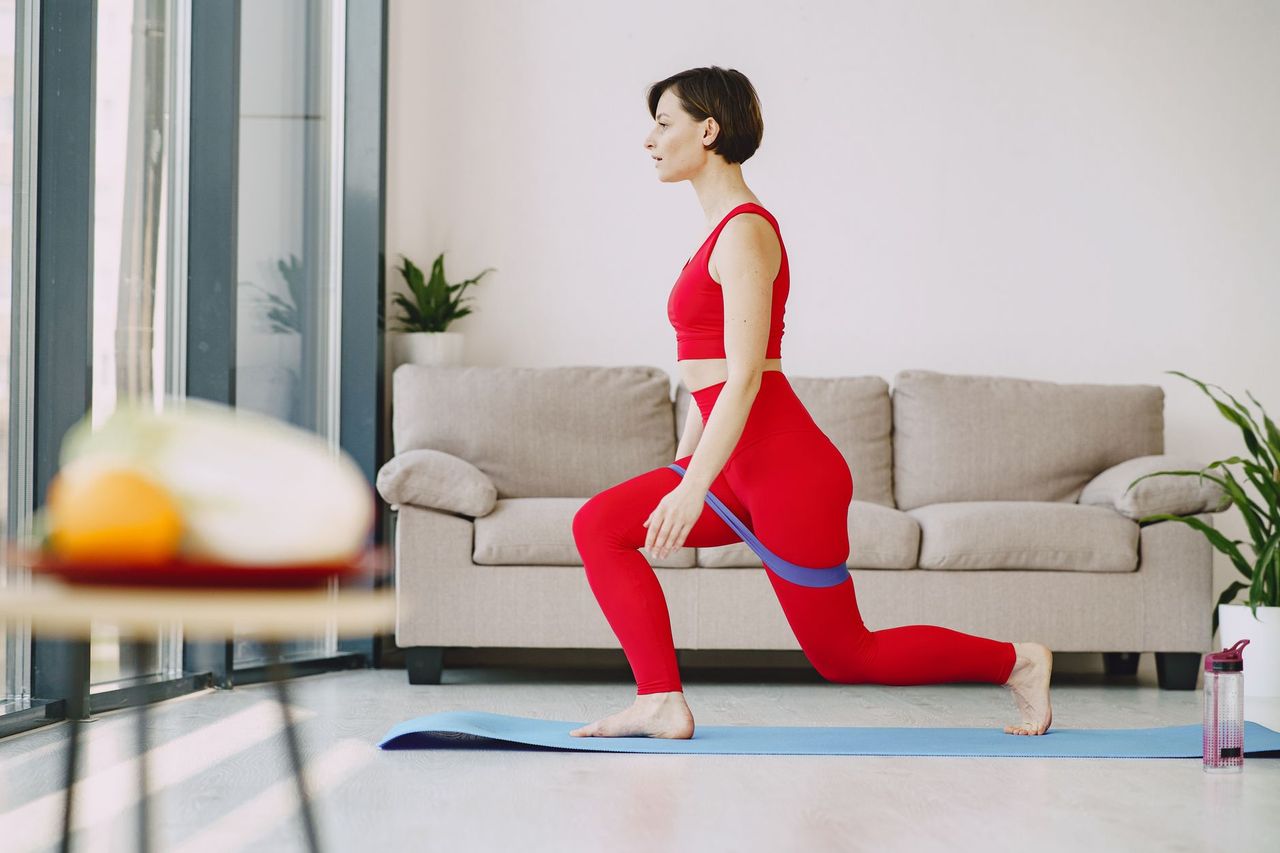
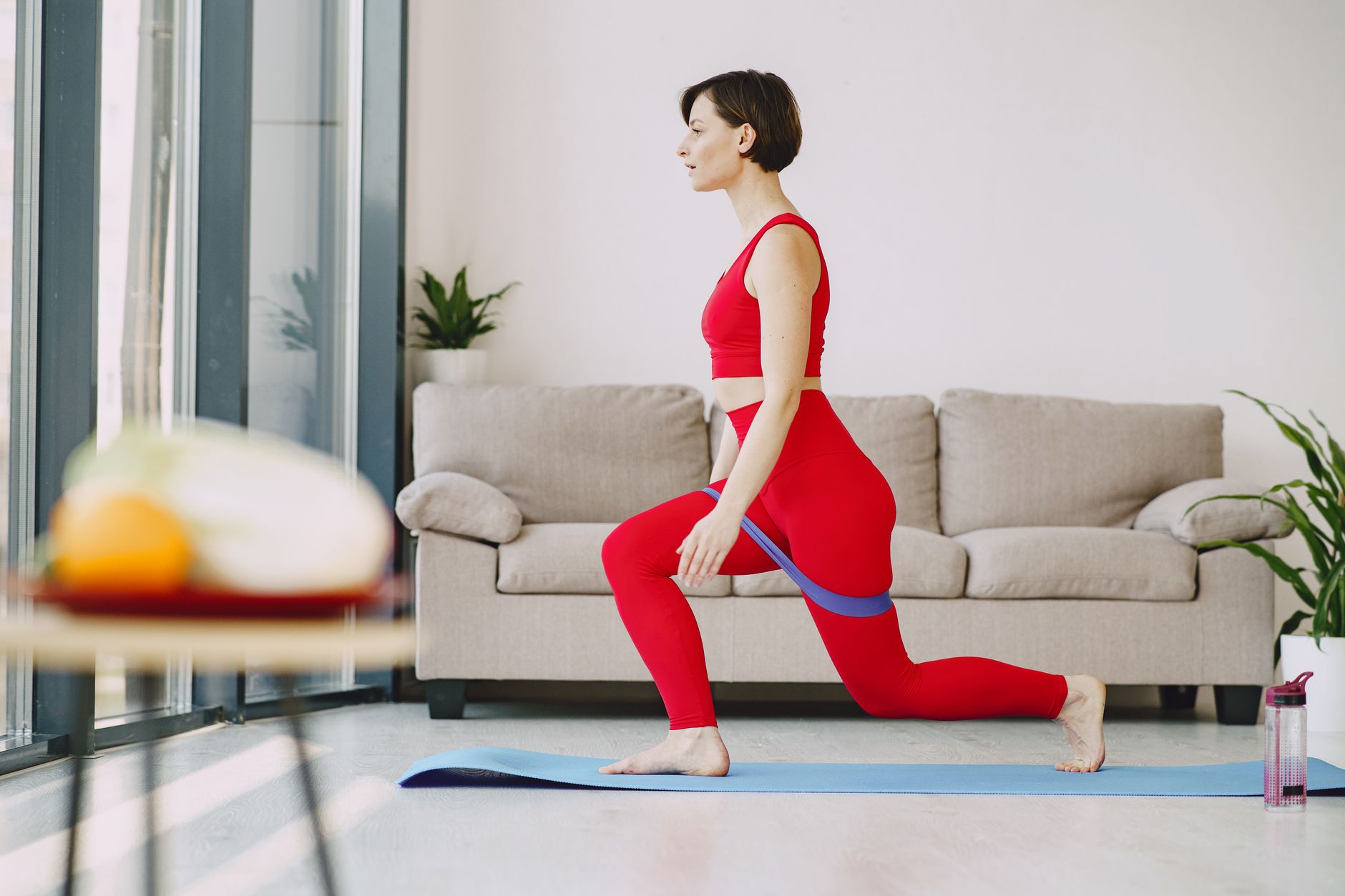
A set of looped resistance bands, used 94 times in six months. The clear winner and it was not close. A set of three or five fabric looped bands costs $15 to $30, or £12 to £25 in the UK, lives in a drawer, takes four seconds to get out and covers glutes, legs, shoulders and back. Fabric bands are worth the small premium over latex because they do not roll or pinch. This is the single best fitness purchase under a hundred dollars for anyone with limited time and space, and if you buy one thing from this article, buy this.
One kettlebell, used 61 times. A single kettlebell between eight and twelve kilograms, or roughly eighteen to twenty six pounds, costs $30 to $60 or £25 to £50. It sits in a corner looking like a decorative object, requires zero setup, and a twelve minute session of swings, goblet squats, rows and presses covers most of the body. Buy vinyl or neoprene coated rather than bare cast iron if it lives on a wooden floor near small feet. Start lighter than you think if you are new to it and get the hinge pattern right before adding weight.
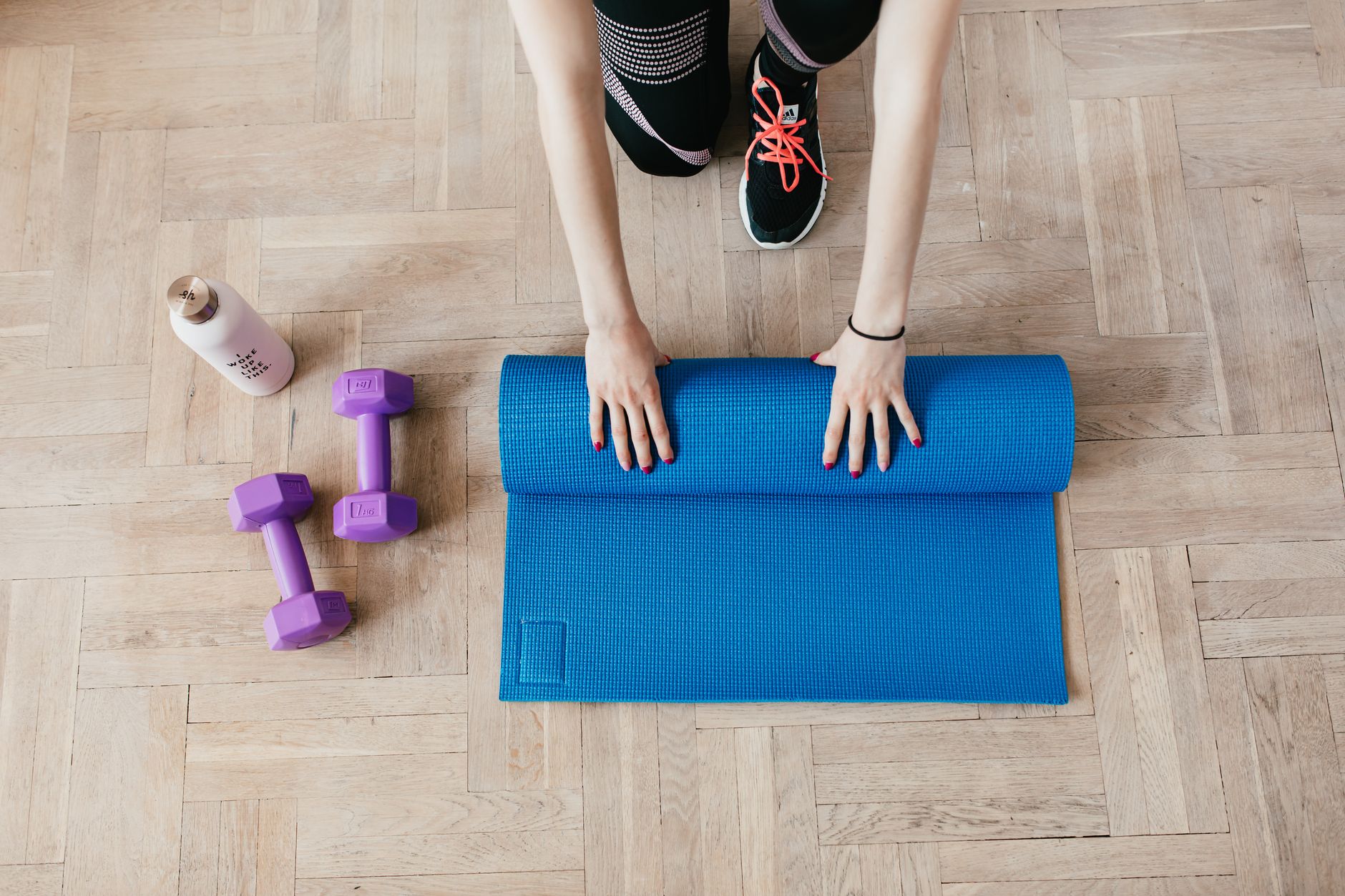
A proper thick yoga mat, used 78 times. Around $25 to $50 or £20 to £40. Obvious, unglamorous, essential. Get one at least six millimeters thick because a thin mat makes floor work genuinely unpleasant on a hard floor, and unpleasant equals unused. Roll it and stand it in a corner rather than storing it flat under a bed where retrieving it is a two minute job.
Furniture sliders, used 40 times. Two dollars. Genuinely. A pair of sliders or even two folded towels on a hard floor turns bodyweight work into something considerably harder, and they store in a pocket. Mountain climbers, hamstring curls and reverse lunges all get better with them.
A jump rope, used 22 times. Around $10 to $25 or £8 to £20. Excellent for raising heart rate fast in a small space, but it fell down the list because of the two limitations nobody mentions. It is loud enough to be unusable during naps, and it needs ceiling height most homes do not have upstairs. Outdoor use only for me.
Adjustable dumbbells, used 18 times. A pair typically starts around $80 to $150 or £70 to £130 for the entry level versions, which puts the good ones just over budget. Useful, more versatile than a kettlebell for upper body work, but the adjustment mechanism adds enough friction that I reached for the kettlebell instead most days. Buy these if you already train regularly and want progression. Skip them if you are trying to build a habit.
What Did Not Get Used, and Why
The exercise ball, used 3 times. It takes up enormous space, needs reinflating, and became a toy within a week. There is nothing wrong with it as equipment. It is simply the wrong shape for a house with children in it.
The ab roller, used 4 times. Excellent tool, genuinely effective, and completely inappropriate as an early purchase postpartum because it places significant load through the abdominal wall. Also boring. Also it hurts.
Ankle weights, used 6 times. They work, they store easily, and I simply never thought of them. Worth mentioning because low usage does not always mean low quality, and if you like them they are only $15 to $30.
The mini stepper, used 9 times. Small footprint and genuinely good for getting steps indoors, but mine squeaked within a month and squeaking equipment is unusable near a sleeping baby. If you want indoor cardio, a walking pad is better, though the decent ones start around $150 and sit outside this budget.
The door frame pull up bar, used 0 times. I could not do a pull up when I bought it and I still cannot, so it functioned exclusively as somewhere to hang laundry. If you cannot do the exercise yet, buy the bands to build toward it rather than the bar.
| Equipment | Price (US) | Price (UK) | Setup time | Nap safe | Times used in six months | Verdict |
|---|---|---|---|---|---|---|
| Looped resistance bands | $15 to $30 | £12 to £25 | Under 5 seconds | Yes | 94 | Buy this first |
| Thick yoga mat | $25 to $50 | £20 to £40 | Under 15 seconds | Yes | 78 | Essential |
| Single kettlebell | $30 to $60 | £25 to £50 | Under 5 seconds | Mostly | 61 | Best strength value |
| Furniture sliders | $2 to $12 | £2 to £10 | Under 5 seconds | Yes | 40 | Absurd value |
| Jump rope | $10 to $25 | £8 to £20 | Under 10 seconds | No | 22 | Outdoor use only |
| Adjustable dumbbells | $80 to $150 | £70 to £130 | 30 to 60 seconds | Mostly | 18 | For established habits |
| Mini stepper | $50 to $90 | £40 to £75 | Under 15 seconds | Often not | 9 | Squeaks, skip it |
| Ankle weights | $15 to $30 | £12 to £25 | Under 20 seconds | Yes | 6 | Fine, easily forgotten |
| Ab roller | $15 to $30 | £12 to £25 | Under 5 seconds | Yes | 4 | Too advanced early on |
| Exercise ball | $20 to $40 | £18 to £35 | Instant, huge footprint | Yes | 3 | Becomes a toy |
| Door frame pull up bar | $25 to $50 | £20 to £40 | Under 20 seconds | Yes | 0 | Buy bands instead |
The Postnatal Caveat That Matters More Than the Kit
If you are within the first year after giving birth, the order you do things in matters more than what you buy. Get cleared at your postnatal check before starting structured exercise, and if you have any symptoms of pelvic floor dysfunction such as leaking, heaviness or pressure, or if you suspect abdominal separation, ask for a referral to a pelvic health physiotherapist before loading anything. In many countries you can also self refer. This is standard care in some places and something you have to ask for in others, and it is worth asking for.
The practical version. Start with breathing and pelvic floor work, which needs no equipment. Add bodyweight and band work. Add load with a kettlebell once you are moving well without symptoms. Skip crunches, planks and the ab roller in the early months, not forever, just until the abdominal wall has been assessed. Swings and any high impact work such as running and jumping come later than most people expect, and going too early is the most common reason women end up with pelvic floor problems that then take months to resolve.
None of this means being fragile about it. It means sequencing, and the sequence is boring and it works.
The Twenty Minute Session I Actually Do
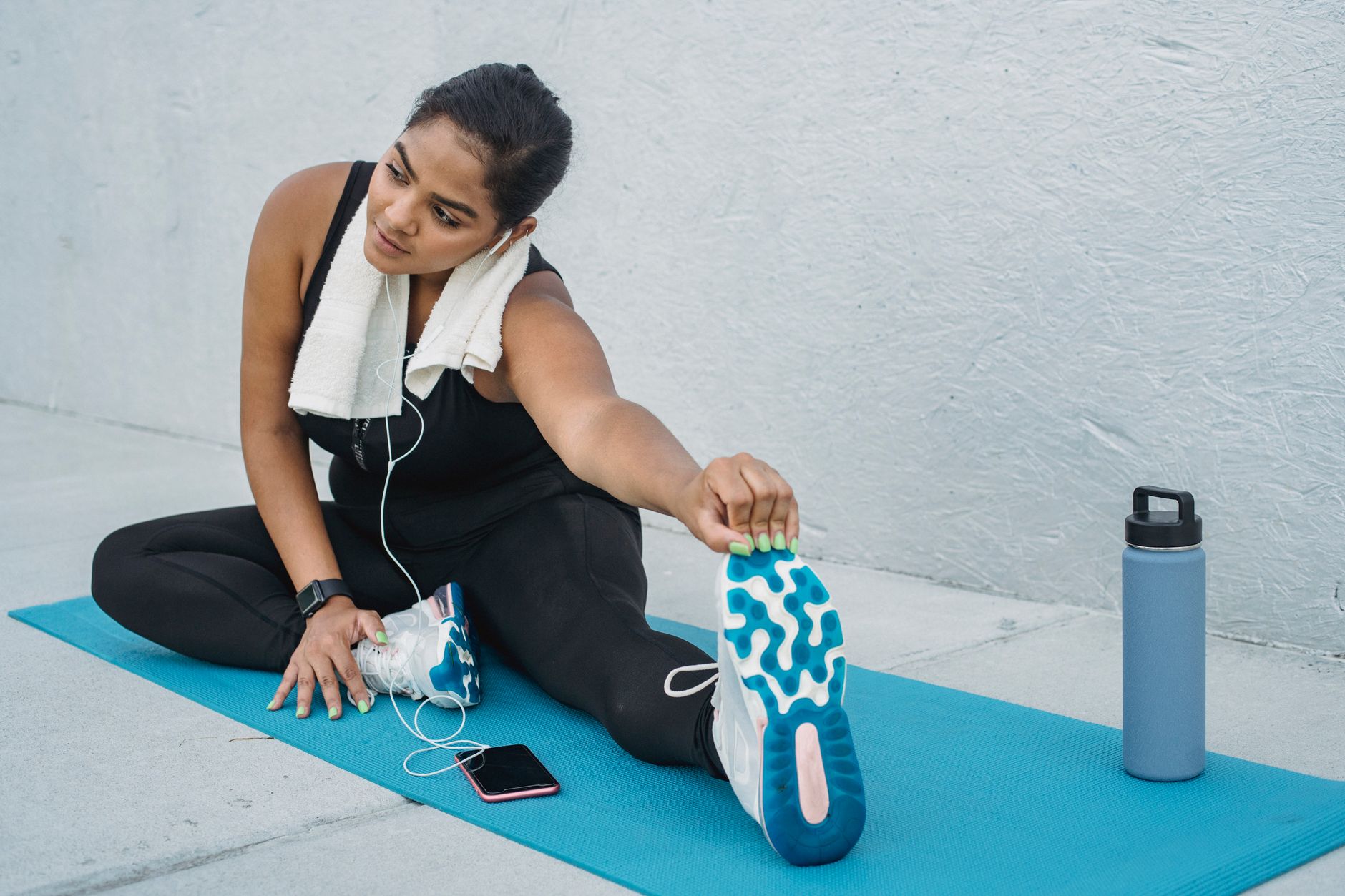
Five minutes of warm up. Marching on the spot, arm circles, hip circles, ten bodyweight squats, ten glute bridges.
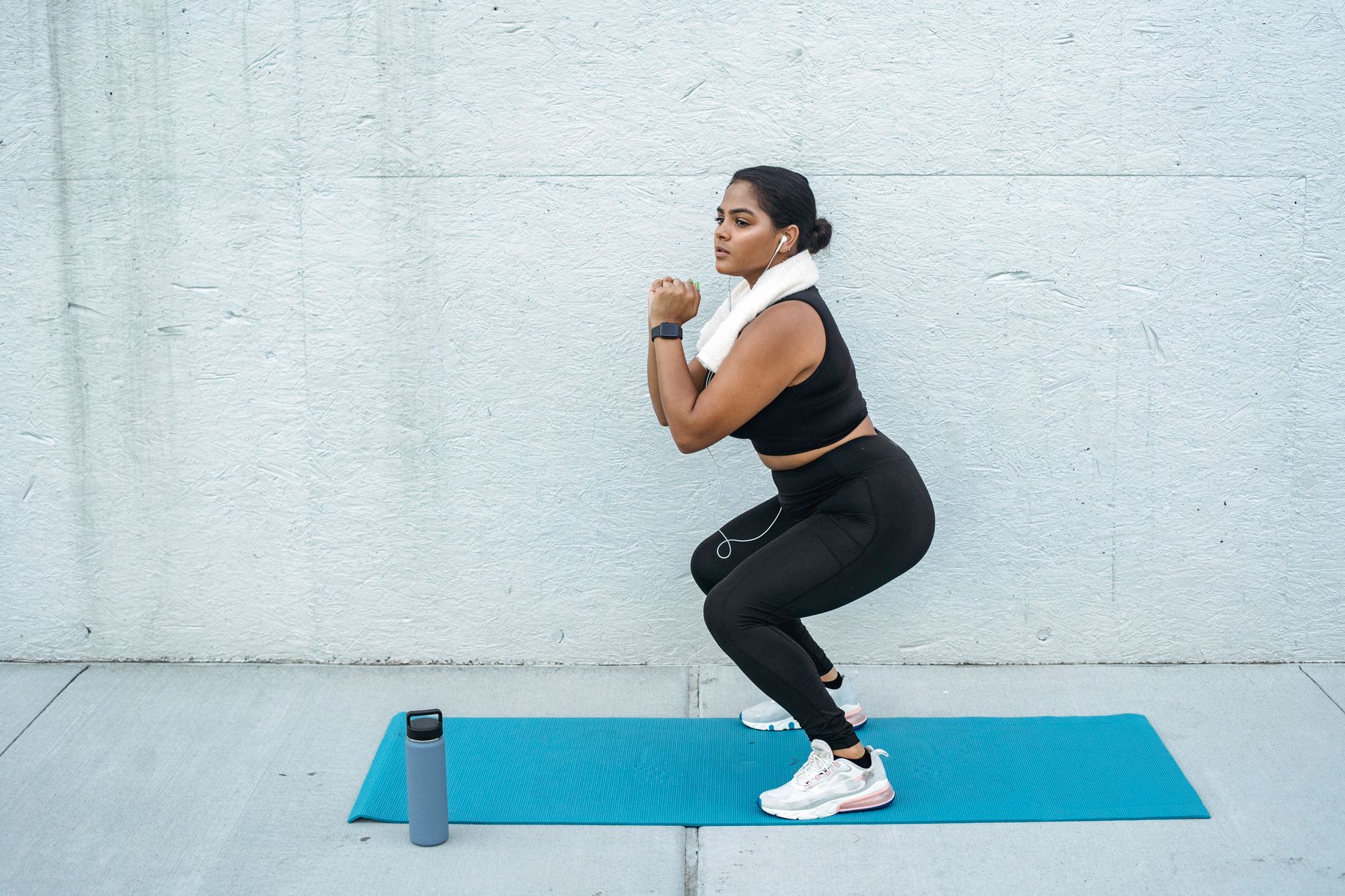
Twelve minutes of work, three rounds of four exercises with minimal rest. Goblet squat with the kettlebell, ten reps. Band assisted row or a bent over row with the kettlebell, twelve reps. Glute bridge with a band above the knees, fifteen reps. Overhead press with the kettlebell, eight reps per side. That is the whole thing. It hits legs, back, glutes and shoulders, needs two pieces of equipment, and fits into a nap.
Three minutes of stretching. Hip flexors, chest, upper back. Not optional if you spend your day carrying a child on one hip and looking downward at a small person.
I do this three times a week and walk on the other days. It is not impressive and it does not need to be. Over six months it changed how my back feels when I carry my daughter up the stairs, which was the entire goal.
If You Are Shopping in the UK
Decathlon is the obvious first stop and it genuinely deserves the reputation. Resistance bands, kettlebells, mats and skipping ropes all come in at the low end of the price ranges above with quality that holds up, and having physical stores means you can pick up a kettlebell before buying it, which matters because weight is hard to judge online. Sizing on their apparel runs small, though that is a separate article.
Argos and Sports Direct both carry the basics with frequent discounting, and Aldi and Lidl run fitness ranges in their middle aisles in January and again in early summer, where a kettlebell or a mat at ten to twenty pounds is genuinely good value if you are not fussy about the finish.
For pelvic health, the NHS provides postnatal physiotherapy in many areas but access varies considerably by region, and self referral is possible in some trusts. It is worth asking your GP or health visitor directly rather than assuming it is not available. Private pelvic health physiotherapy typically runs £60 to £100 per session in the UK, and one or two sessions of proper assessment is often all you need to know what you should and should not be doing.
Do’s and Don’ts: Buying Home Fitness Equipment
| Do's | Don'ts | |
|---|---|---|
| 1 | Buy resistance bands first, before anything else | Start with expensive equipment to prove commitment |
| 2 | Store equipment in the room where you use it | Keep your kit in a garage or loft |
| 3 | Choose fabric bands over thin latex ones | Buy latex bands that roll and pinch skin |
| 4 | Buy a mat at least six millimeters thick | Buy the thinnest mat to save ten dollars |
| 5 | Pick one kettlebell and learn it properly | Buy a full rack of weights you will not use |
| 6 | Test whether equipment is quiet enough for naptime | Buy a stepper or jump rope for indoor nap windows |
| 7 | Get cleared postnatally before loading weight | Jump straight into planks and running after birth |
| 8 | Ask for a pelvic health physio referral if you have symptoms | Assume leaking or heaviness is just normal now |
| 9 | Choose coated kettlebells for wooden floors | Leave bare cast iron on the floor near a crawling baby |
| 10 | Plan sessions you can finish in twenty minutes | Design a forty minute routine you will do twice |
| 11 | Buy sliders or use folded towels, they cost nothing | Overlook cheap kit because it seems too simple |
| 12 | Wait for January sales at Decathlon, Aldi and Lidl | Pay full price for basics that discount predictably |
FAQs
What is the best single piece of home fitness equipment to buy first?
A set of looped fabric resistance bands, without question. They cost under thirty dollars, store in a drawer, take seconds to get out, work for glutes, legs, back and shoulders, and are appropriate at almost every stage including early postnatal recovery. The reason they win is not that they are the most effective tool available in absolute terms, it is that they remove every barrier between deciding to exercise and starting. That is what determines whether equipment gets used.
What weight kettlebell should a beginner buy?
For most women starting out, eight kilograms or around eighteen pounds is a sensible single kettlebell, moving to twelve kilograms once squats and swings feel comfortable. If you are already reasonably strong, start at twelve. The common mistake is buying too light, because a kettlebell that is too light for squats and swings gets abandoned within weeks, but going too heavy too early with an unfamiliar movement pattern is how people hurt their backs. If you can, pick one up in a shop before buying.
Is it safe to exercise at home after having a baby?
Yes, with sensible sequencing. Wait until you have been cleared at your postnatal check, start with breathing and pelvic floor work, progress to bodyweight and band exercises, and add load only once you are moving without symptoms. If you experience leaking, a feeling of heaviness or pressure, back pain, or you suspect abdominal separation, ask for a referral to a pelvic health physiotherapist before continuing. Avoid crunches, planks and high impact work such as running and jumping in the early months until you have been assessed.
How much space do I need for a home workout?
A yoga mat’s worth of floor, roughly six feet by two feet, is enough for almost everything in this article. Resistance bands, kettlebell work, bodyweight exercises and stretching all fit within that footprint. The exceptions are jump rope, which needs ceiling height as well as floor space, and anything involving a bar or a bench. If space is the constraint rather than time, bands and a mat cover more than most people expect.
Are adjustable dumbbells worth it?
They are worth it if you already exercise consistently and want progressive loading across a range of weights without buying a full set. They are not the right first purchase, because the adjustment mechanism adds enough friction that it discourages short spontaneous sessions, which are the sessions most parents actually get. Buy a single kettlebell first, establish the habit, and consider adjustable dumbbells once you find yourself wanting more variety in upper body work.
Can I work out while my baby naps without waking them?
Yes, if you choose equipment for noise as deliberately as for effectiveness. Bands, a mat, sliders and a coated kettlebell placed down carefully are all effectively silent. Jump ropes, steppers, anything involving dropping weight, and most high impact bodyweight work such as jumping jacks will carry through a floor. Bodyweight strength work, band work and mobility all work well in a quiet window, and they are also the most useful things to be doing in the first year anyway.
What should I avoid buying for a home gym?
Anything that requires assembly, inflation or clearing the room, because it will not survive contact with a real schedule. Anything loud enough to be unusable during nap windows. Anything designed for an exercise you cannot currently do, such as a pull up bar when you cannot yet do a pull up. And large single purpose items like exercise balls and mini trampolines, which take up disproportionate space relative to how often they get used and which children reliably commandeer.
How often should I use this equipment to see a difference?
Three sessions of twenty minutes a week is enough to see meaningful change in strength over about eight to twelve weeks, and it is a target most people can actually hit. Two sessions a week maintains. Consistency at three matters far more than intensity, and a shorter session you complete beats a longer one you skip. Adding daily walking on top of that does more for general fitness than adding a fourth strength session for most people at this stage.
You Might Also Like
- Postnatal Fitness at Home: Which 15 Minute Routine and Kit Actually Work?
- Pelvic Floor Exercises Every Mom Should Know
- Walking for Weight Loss: The Underrated Mom Workout
- Active Mom Basics That Actually Last: Leggings, Sports Bras and Trainers Worth Buying
- Work From Home Mom Health: Avoiding the Desk Body Trap