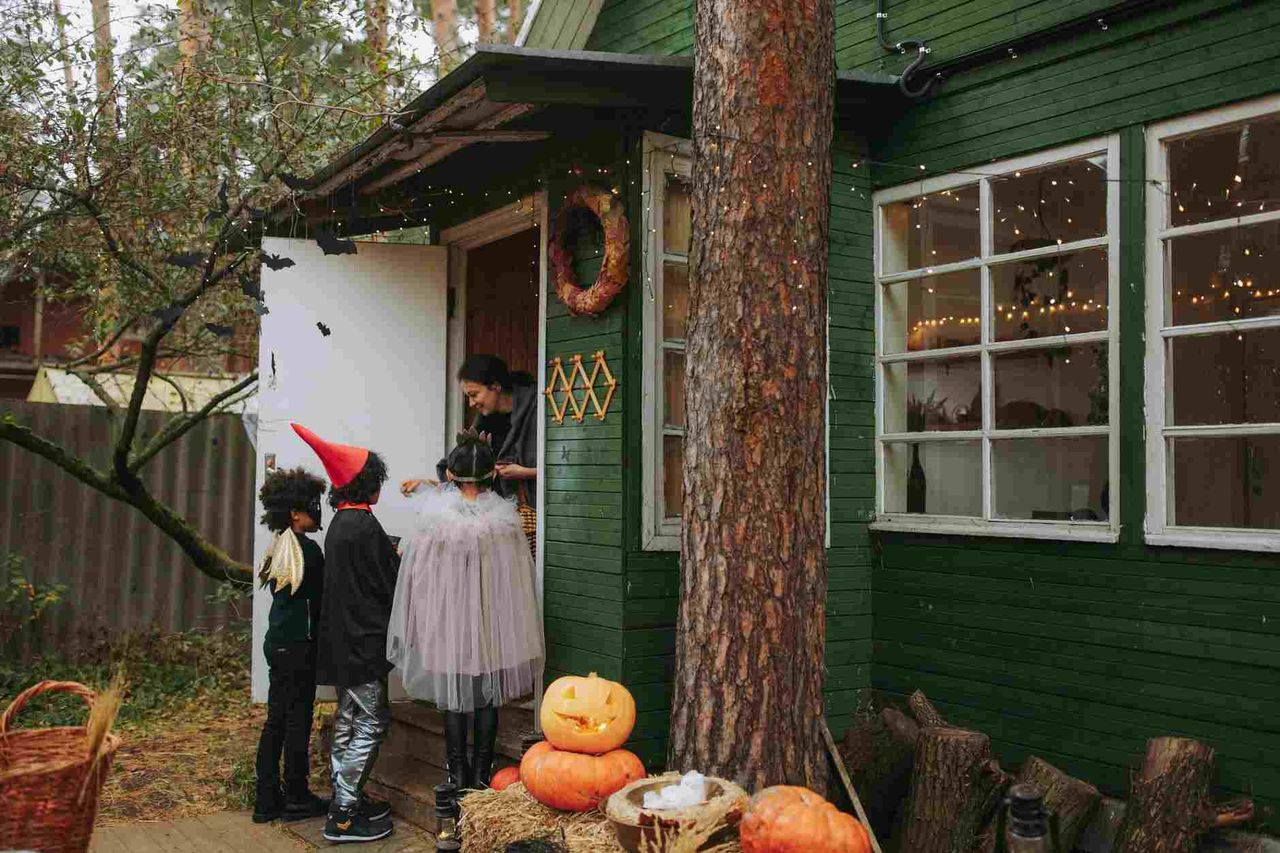
Half past six on 31 October, your two-year-old is wearing a pumpkin costume, standing on the garden path, and the stretchy orange tulle around the middle has already given up. The shoulder seam went when you lifted him into the pushchair. The polyester hood is now sitting around the back of his neck because the elastic was too loose from the start. This is the moment every parent dreads: paying £24 at the end of October and watching the thing disintegrate before you’ve knocked on three doors.
The high-street Halloween market in the UK has quietly split into two groups. One sells costumes designed for a single wear at a nursery party. The other sells costumes built to the same seam standards as children’s dressing-up clothes, which means they can be washed, handed down, and worn again for World Book Day in March. This guide looks at where the better toddler costumes come from in 2026, what to inspect before you buy, and which brand sits where on the price-to-durability curve.
Where UK retailers actually make their money
Smiffys, Smyths, Next, M&S, Monsoon and Amazon cover roughly 80% of the UK toddler Halloween market between them. The pricing bands are tighter than they look. A basic one-piece polyester costume at Smyths runs £10 to £15. The same style at Next or M&S lands at £16 to £22 with better fabric weight. Monsoon and Boden sit above £26 and compete on cotton content and finish rather than cheaper plastic.
What drives the price difference is seam construction, not design. Smyths and Amazon costumes are typically overlocked only, meaning if a seam catches it unravels fast. M&S and Next use overlock plus a top-stitch on armholes, which doubles the lifespan if your toddler is pulling the costume on and off repeatedly. Monsoon’s dress costumes have lined bodices, which stops the itch complaint that ends most Halloween nights before 7pm.
Price alone will not tell you which costume survives a wet October pavement. Weight will. If you can hold the costume in one hand and feel almost nothing, the fabric will stretch out of shape within the first hour. A toddler costume should feel like it has substance, roughly the weight of a thin jumper.
The pumpkin, witch and skeleton staples
Pumpkin and squash costumes
The classic toddler pumpkin costume is where quality varies most. Smiffys sells a padded pumpkin tabard version at around £18 that uses two layers of fabric with wadding in between, meaning the orange shape holds even when the child sits down. Supermarket versions at £10 look identical in the photograph but collapse into a pancake the moment your toddler leans on it. The giveaway is the stem: a stiff felt stem that stands up straight indicates proper wadding, a floppy one means thin foam that compresses on first wear.
Witch and wizard sets
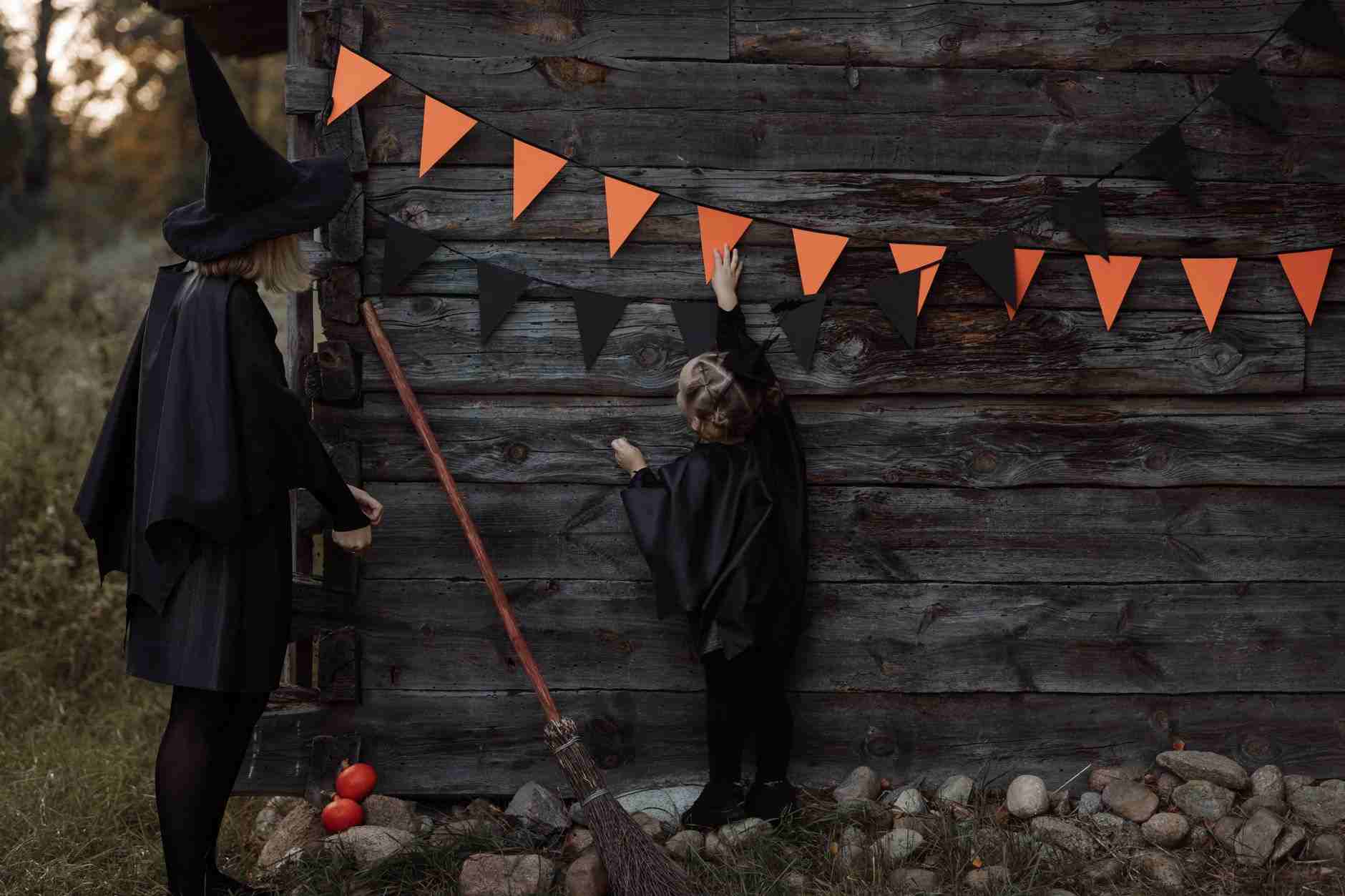
Next and M&S both run witch costumes for ages 2 to 4 in October, usually £18 to £22. The dress length matters more than parents realise. If the hem drops below the ankle, your toddler will trip on steps and curbs after dark. Look for 48cm to 54cm total dress length for a 2 to 3 year old. The hat is almost always too big, so plan to secure it with a soft hair tie underneath. Smiffys does a child witch set with a proper fitted waistband that holds its shape through washing, which the cheaper copies do not.
Skeleton and ghost onesies
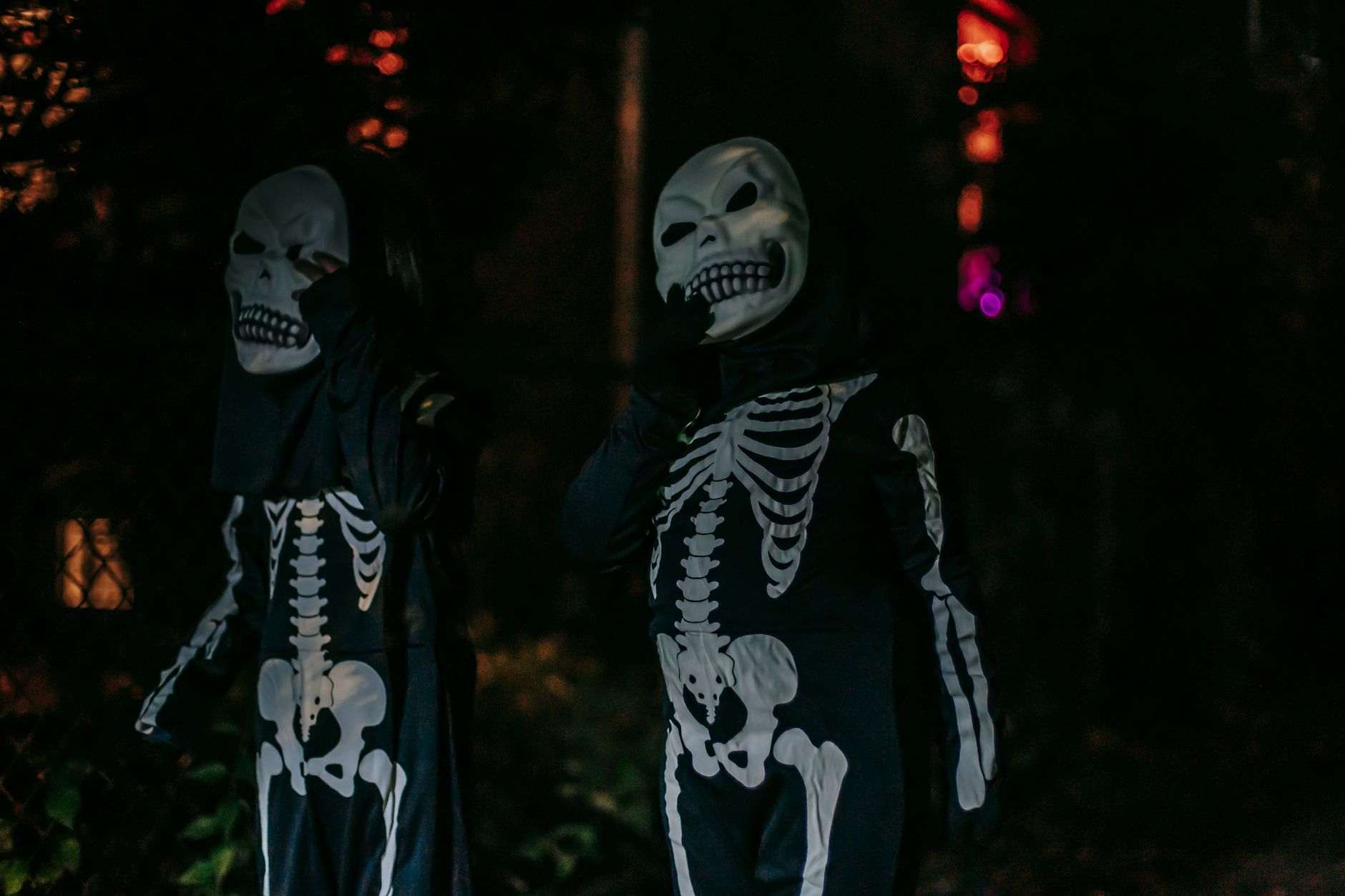
Skeleton onesies are the most practical choice for a cold October night because they fit over a long-sleeve top and tights. M&S does a glow-in-the-dark skeleton onesie around £20 that uses a decent spandex-cotton blend. The Amazon market has flooded this category with sub-£12 versions in pure polyester which trap sweat and smell by the second wear. If you want a skeleton that lasts, pay for the natural-fibre blend.
Fit, warmth and the layering question
A UK Halloween night averages 7 to 10 degrees Celsius. Your toddler will be out for 45 to 90 minutes, mostly standing while an adult rings a doorbell, and much of that time holding still with cold hands. Costumes designed and photographed in American catalogues assume a 15-degree Halloween; UK conditions do not match.
The practical answer is to size up by one age bracket so you can layer a thermal vest and leggings underneath. A 2 to 3 costume on a 2-year-old is miserable. A 3 to 4 costume on the same child, worn over a Uniqlo HeatTech vest and plain cotton leggings, is comfortable. Boden, Next and M&Sall cut their dressing-up clothes with slightly roomier chests than their everyday ranges, which helps with the layering plan.
Shoes should be the toddler’s normal trainers or wellies, never the plastic shoe covers that come bundled with cheap costume sets. Those cost £3 to make, slide on wet leaves, and have no grip. If the full-cost witch outfit comes with a pair of shiny plastic shoes, bin them straight away and keep the toddler in weather-appropriate footwear.
Where to put the real money
Reusable accessories are where spending pays back over three years. A proper felt wizard cloak from Monsoon or John Lewis at £28 will outlast four polyester full-set costumes. A quality pumpkin trick-or-treat bucket at Smyths for £6 is far better than the thin paper bags that split by the second street. A battery-operated LED tealight tucked inside the costume collar gives a visibility boost on dark roads for about £2 at Argos.
Face paint is where the market has improved most. Snazaroo water-based paints at Boots cost £4 to £8 per pot and wash off with a flannel, unlike the gel pots bundled free with cheap costumes which stain cotton and sting if they get near eyes. For toddlers under three, skip face paint entirely and use a hat or hood design instead.
Washing and reuse after Halloween
The main reason costumes fail at the second wear is wrong washing. Most parents put the whole costume in a 40-degree machine wash with everything else, and the glued-on felt pumpkin eyes come off, the sequins shed, and the elastic goes slack. The right approach is a 30-degree hand wash or a mesh bag on a delicate cycle at 30 degrees, air dry flat, never tumble.
Store the costume in a labelled plastic box with a sachet of cedar or a conker. Moths love polyester-cotton blends more than parents expect. If you have two children two years apart, buying one 3 to 4 costume to pass down over two Halloweens is a sensible £22 investment rather than two separate £12 purchases that fall apart on first wear.
Quick comparison
| Retailer | Typical toddler cost | Fabric weight | Seam quality | Best for |
|---|---|---|---|---|
| Smiffys | £15-22 | Medium to heavy | Overlock plus top-stitch | Padded character costumes |
| Next | £16-22 | Medium | Overlock plus top-stitch | Classic witch and ghost sets |
| M&S | £18-24 | Medium to heavy | Reinforced armholes | Skeleton onesies, warm layers |
| Smyths | £10-15 | Light | Overlock only | One-wear nursery parties |
| Monsoon | £26-38 | Heavy, lined | Lined bodice, finished seams | Hand-me-down dress costumes |
| Amazon basics | £8-14 | Light | Overlock only, variable | Last-minute cover-up |
Do’s and Don’ts
| Do's | Don'ts |
|---|---|
| Size up by one age bracket so you can layer a thermal vest and leggings underneath for cold October nights. | Don't buy a costume sized exactly to your toddler's age; the fit over winter kit will be too tight and uncomfortable. |
| Check the stem on pumpkin costumes stands up straight, which signals proper wadding rather than thin foam. | Don't trust product photos alone, since cheap costumes photograph identically to the padded versions until they arrive. |
| Keep your toddler in their normal trainers or wellies with proper grip for wet pavements and leaves. | Don't use the plastic shoe covers bundled with costume sets, which cost pennies to make and have no traction. |
| Wash costumes at 30 degrees in a mesh laundry bag on a delicate cycle to preserve glued decorations. | Don't put a costume through a 40-degree wash with towels; the felt pieces will detach and sequins will shed everywhere. |
| Attach a small LED tealight inside the collar or sleeve for visibility on unlit residential streets. | Don't rely on reflective strips alone, which disappear completely when the costume is bunched up or sitting under a coat. |
| Invest in a reusable felt cloak or wizard cape at £26-28 that can be worn across three Halloweens. | Don't throw out quality accessories after one use; a cedar sachet in a labelled box keeps polyester safe from moths. |
| Use Snazaroo water-based face paints from Boots for children over three because they wash off with a flannel. | Don't apply gel-pot face paints near a toddler's eyes; the cheap bundled versions sting and can stain cotton costumes. |
| Buy a sturdy plastic trick-or-treat bucket at Smyths for about £6 that your child can carry one-handed. | Don't rely on the thin paper bags included with costume sets; they split before you reach the fourth house. |
| Pack a small snack and a water bottle for a trick-or-treat round lasting longer than 45 minutes. | Don't let a toddler eat unwrapped sweets collected from strangers; sort the bucket at home under lamp light first. |
| Store Halloween costumes in a sealed box labelled with the child's age for easy pass-down the following year. | Don't shove the costume into a drawer wet or crumpled; polyester creases set permanently once dry. |
FAQ
What age group is hardest to buy a Halloween costume for
The 18-month to 2-year bracket is the trickiest. Many high-street Halloween ranges start at 2 to 3 years, leaving parents of younger toddlers with either baby-grow styles that feel like fancy sleepsuits or costumes sized too large. Monsoon and M&S both carry 12 to 24 month options with proper fit through October, but stock sells out by mid-month. If your child falls in this band, buy by early October rather than waiting for last-minute sales, and prioritise warmth over character accuracy.
Are character costumes from Disney and Marvel worth the premium
Licensed character costumes from Smyths, Smiffys and Amazon typically cost £4 to £8 more than their generic equivalents and almost never justify the difference on fabric quality alone. The licence pays for the print, not the seams. If your toddler specifically wants to go as a particular character, pay the premium. Otherwise a generic witch, pumpkin or skeleton outfit at the same price point will usually have better construction and last through more wears.
How warm will a basic polyester costume keep a toddler on Halloween night
Not warm enough on its own. A standard supermarket polyester costume provides roughly the warmth of a single long-sleeve t-shirt, which is inadequate for a 7 to 9 degree evening with wind. Plan to layer a thermal vest and leggings underneath, with a jumper on top if the outer costume allows, or use a padded skeleton onesie which already has fibre fill. Always carry a hat and gloves in the pushchair as a backup, even if the costume design does not include them.
Can I return a Halloween costume if my toddler refuses to wear it
Return policies vary and the window matters more than usual at this time of year. Next and M&S accept unworn returns up to 28 days from purchase as long as tags are attached. Smyths and most supermarkets will refund within 28 days but refuse costumes that have been worn, even once around the house. Amazon is more flexible but check the specific seller. Buy a week before Halloween, let your toddler try it on, and return within three days if there is a problem.
What should I avoid in a toddler Halloween costume for safety
Loose plastic masks that obstruct vision, long trailing hems that cause trips on steps, and anything with small detachable parts that can be chewed off. UK-sold costumes must meet BS EN 71-2 flammability standards; the label will state this clearly. Battery-operated light-up elements should have properly covered battery compartments with a screw closure, not just a sliding cover. Face paint should be labelled dermatologically tested and water-based for children under five.
Is it worth sewing a costume rather than buying one
Only if you already sew or if the costume is a very simple design like a ghost or a cape. A home-sewn pumpkin or witch that looks right typically costs £15 to £25 in fabric and takes three to five evenings, which is not cheaper than a Monsoon costume at the same price. The exception is if you want a specific character the shops do not carry, or if you have older sibling fabric you can repurpose. For most time-poor families, buying a quality costume once and reusing it is more practical than making one.
When do UK retailers start marking down Halloween stock
Reductions start late. Most supermarkets begin 25% to 50% discounts on 31 October itself or 1 November, which is too late for the costume you need. Next and M&S discount selectively from around 28 October but keep popular sizes at full price. The genuine window for Halloween costume bargains is early November, when you can buy next year’s size up for a child who will have grown by then. This is also the moment to stock the dressing-upbox for World Book Day in March.
How do I keep a hood or hat on a toddler for a full trick-or-treat round
The hoods on most toddler costumes are too loose because manufacturers cut them generously to fit a wide age range. The simplest fix is a soft fabric hair tie worn underneath the hood or a bobby pin on either side if the hair is long enough. For witch and wizard hats, a thin elastic chin strap can be sewn in for free with a needle and thread in five minutes. Avoid safety pins near the face; a magnetic clip from Lakeland works for about £3.