Introduction
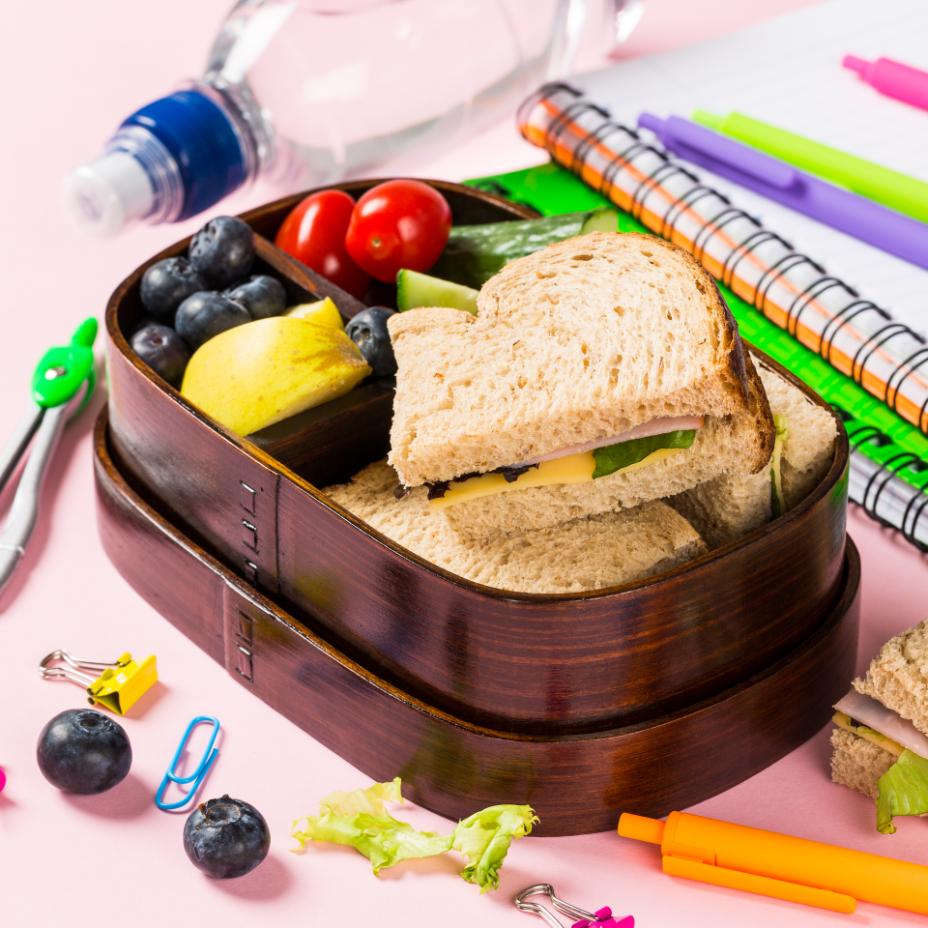
Every August, the same mild panic sets in. School starts in a week, you've got a kid who will only eat three things, and suddenly you're standing in the grocery store at 9 PM trying to remember if they like hummus now or if that was last year. Lunchbox planning doesn't have to be the most stressful part of back-to-school season, but it does require a bit of a system — especially if you're staring down five days a week times nine months of school. That math gets exhausting fast.
The good news is that once you have a rotation of ideas you know your kid will eat, planning becomes almost automatic. You stop inventing new lunches from scratch every Sunday night and start pulling from a reliable list. This guide gives you a full month of back to school lunchbox ideas, plus the meal prep strategy to make them feel manageable. Whether your kid insists that sandwiches are "boring" or you're just ready to try something different, there's something in here for every picky eater and every schedule.
Why a Month of Ideas Actually Changes Everything
Most lunchbox ruts happen because parents are working from the same mental short list — PB&J, turkey sandwich, maybe a wrap if they're feeling creative. The problem isn't effort; it's inventory. When you don't have a diverse list to pull from, you default to what's easy, and easy gets old for kids really fast.
Planning a full month's worth of ideas up front might sound like extra work, but it actually cuts your weekly decision-making down significantly. You're not figuring out five lunches every Sunday — you're rotating through a system. You can repeat favorites, swap based on what's in the fridge, and keep a flexible framework instead of a rigid menu. Dietitians who work with families often recommend this approach: build a bank of 20-25 lunches you know work, then mix and match from there. Once you have that bank, "lunchbox planning for the week" becomes a 10-minute task, not an hour of Googling.
Week One: The Foundation Lunches
These are your workhorses — simple, reliable, and almost universally accepted by kids.
Monday: Turkey and Cheese Roll-Ups with Grapes and Carrots
Skip the bread entirely and roll deli turkey and cheddar cheese slices together. Add a handful of red grapes and some baby carrots with ranch dip. Kids love anything that comes in bite-sized pieces they can eat in whatever order they want.
Tuesday: Pasta Salad with Cherry Tomatoes and Cucumber
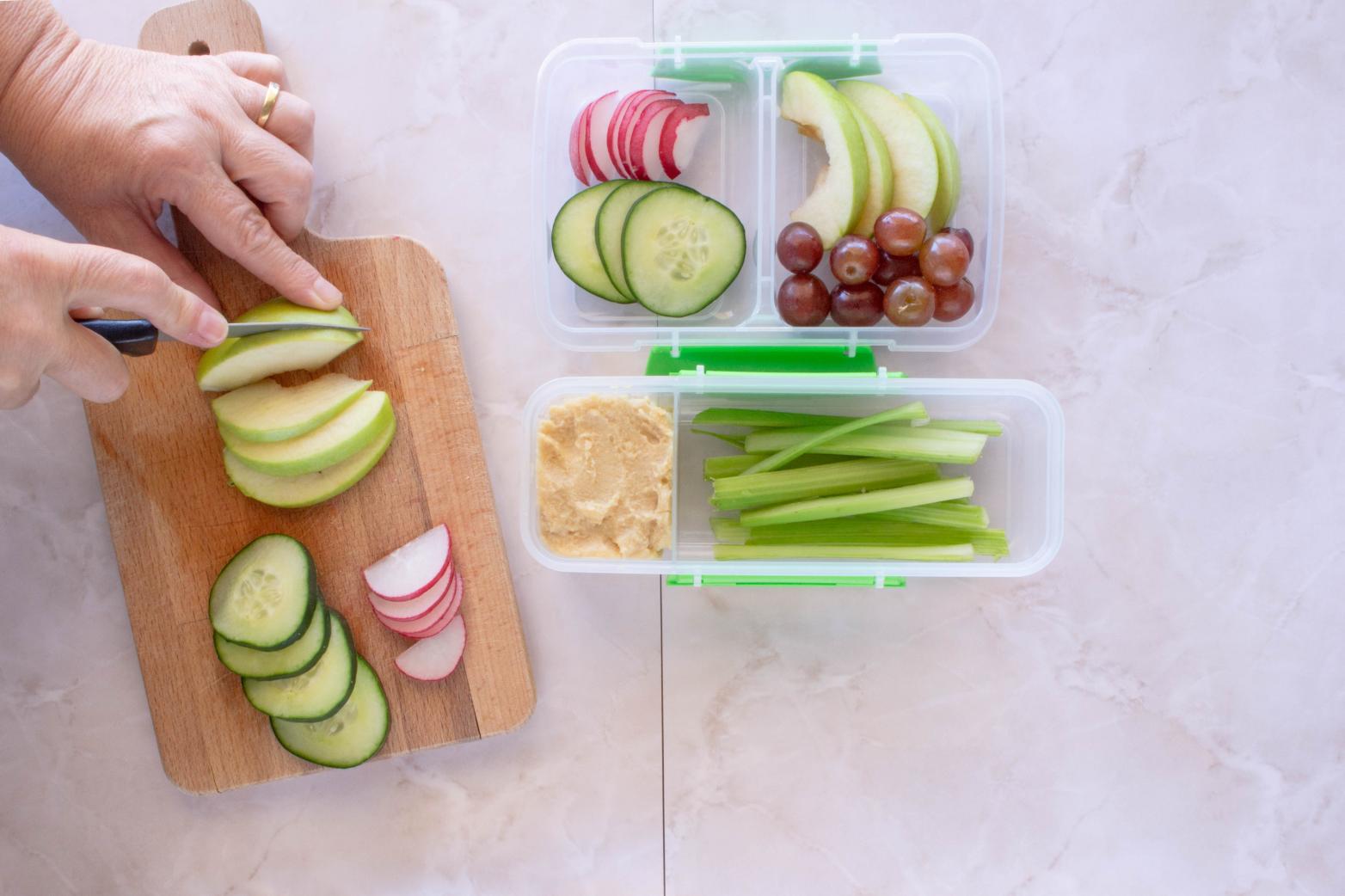
Cook rotini or bowtie pasta ahead of time, toss with Italian dressing, halved cherry tomatoes, and cucumber slices. It holds up beautifully in the fridge for three days, so you can make a big batch on Sunday. Add mozzarella pearls if your kid likes cheese. Pair with a small applesauce pouch for something sweet.
Wednesday: Cheese Quesadilla Triangles with Black Beans and Salsa
Quesadillas are one of those school lunch meal prep wins that actually stay good cold. Cook on Sunday, cut into triangles, refrigerate, and pack cold or slightly warm in an insulated container. Add black beans on the side for protein and a small container of salsa for dipping.
Thursday: Hard-Boiled Eggs, String Cheese, Crackers, and Apple Slices
This is the classic snack-plate lunch, and kids genuinely love it. Prep a batch of hard-boiled eggs at the start of the week. Pair with whole-grain crackers, a string cheese stick, and apple slices with a little peanut butter cup for dipping if allergies allow.
Friday: Mini Pita Pizzas with Veggie Toppings
Spread mini pitas with pizza sauce, top with shredded mozzarella and whatever veggies your kid tolerates (pepperoni also works), bake for 8 minutes, and pack cold. They taste surprisingly good at room temperature and feel like a treat compared to a standard sandwich.
Week Two: The No-Sandwich Upgrade
If your kid has declared sandwiches officially off-limits, this week is built entirely around no sandwich school lunch ideas that are still easy to prep.
Monday: Teriyaki Chicken Rice Bowl
Cook a batch of brown or white rice and teriyaki-marinated chicken thighs on Sunday. Pack a small portion in a thermos to keep warm, or serve cold — either works. Add edamame on the side and a mandarin orange for something bright.
Tuesday: Hummus Veggie Wrap with Turkey
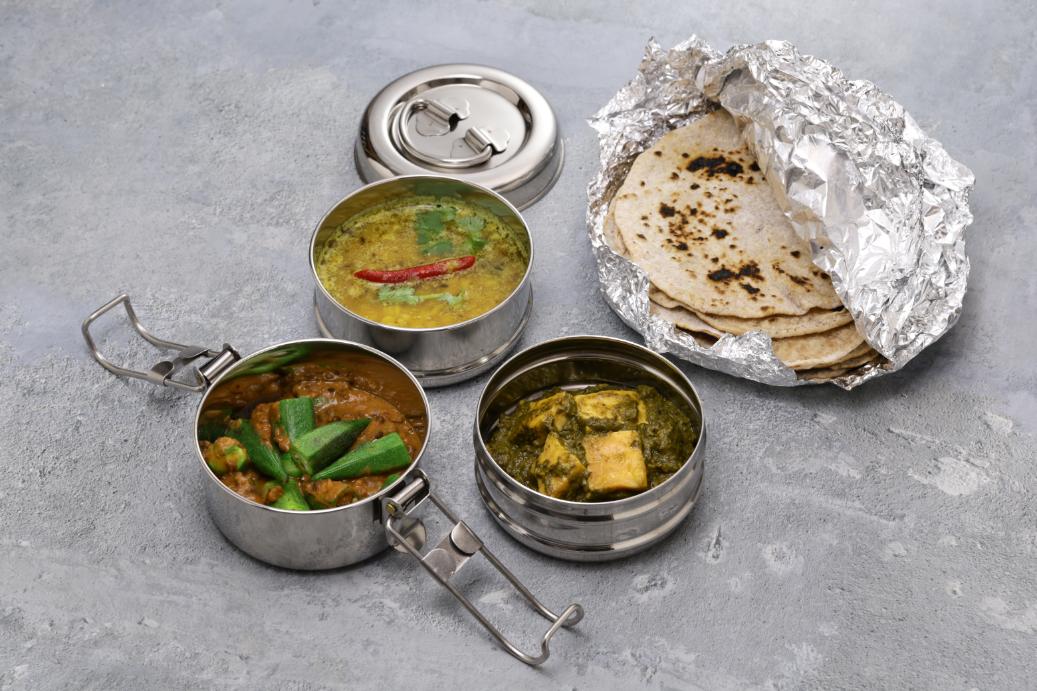
Use a whole wheat tortilla, spread generously with hummus, layer in turkey slices, baby spinach, shredded carrots, and cucumber sticks. Roll tight, cut in half, wrap in parchment. This holds well and is genuinely filling.
Wednesday: Tortellini Pesto Cold Pasta
Cheese tortellini tossed with store-bought pesto is one of those healthy school lunches for kids that takes about 15 minutes total to make. It's good cold, which means no reheating required. Add cherry tomatoes and a few slices of salami on the side.
Thursday: Mini Meatballs with Marinara Dip
Bake a batch of turkey or chicken meatballs on Sunday. Pack four to five in a small container with a marinara dipping sauce. Add a side of buttered noodles or crackers and some fruit. Kids who hate sandwiches almost universally like meatballs.
Friday: Taco Bowl with Rice, Beans, Corn, and Cheese
Season ground beef or shredded chicken with taco seasoning, serve over rice with black beans, corn, shredded cheddar, and a dollop of sour cream. This one requires a fork, so it works best for kids who are past the "I only use my hands" phase.
Week Three: Bento Box Style
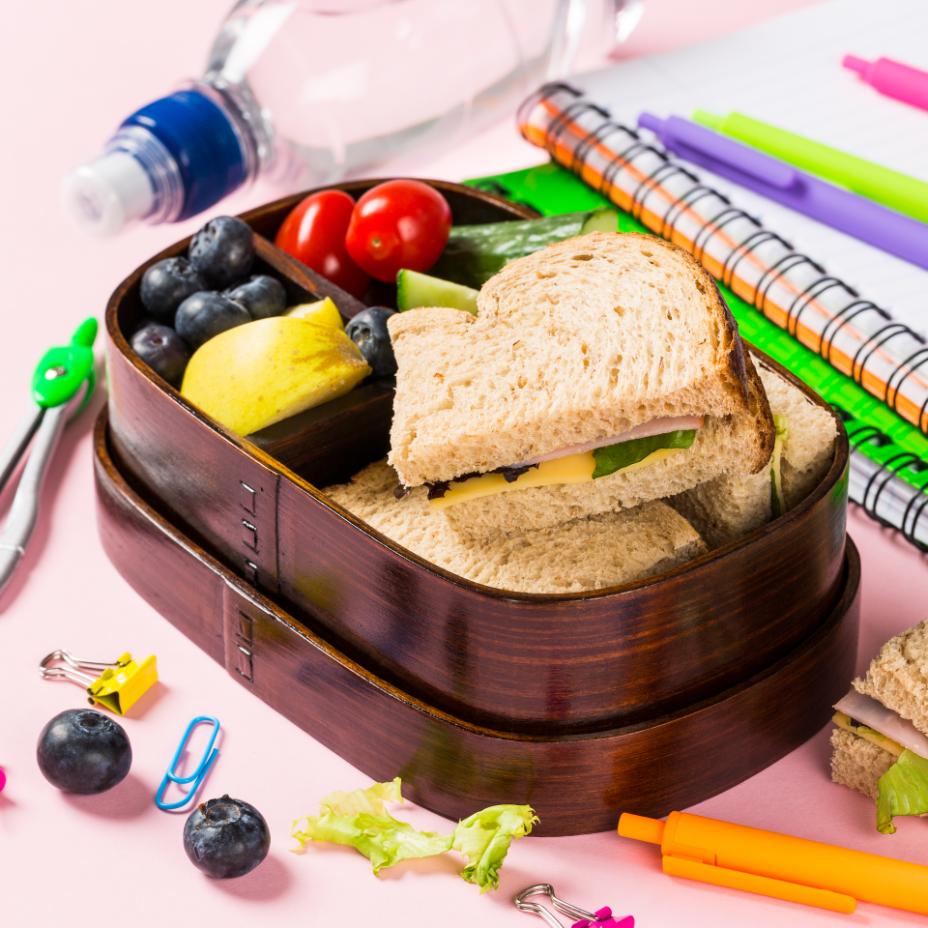
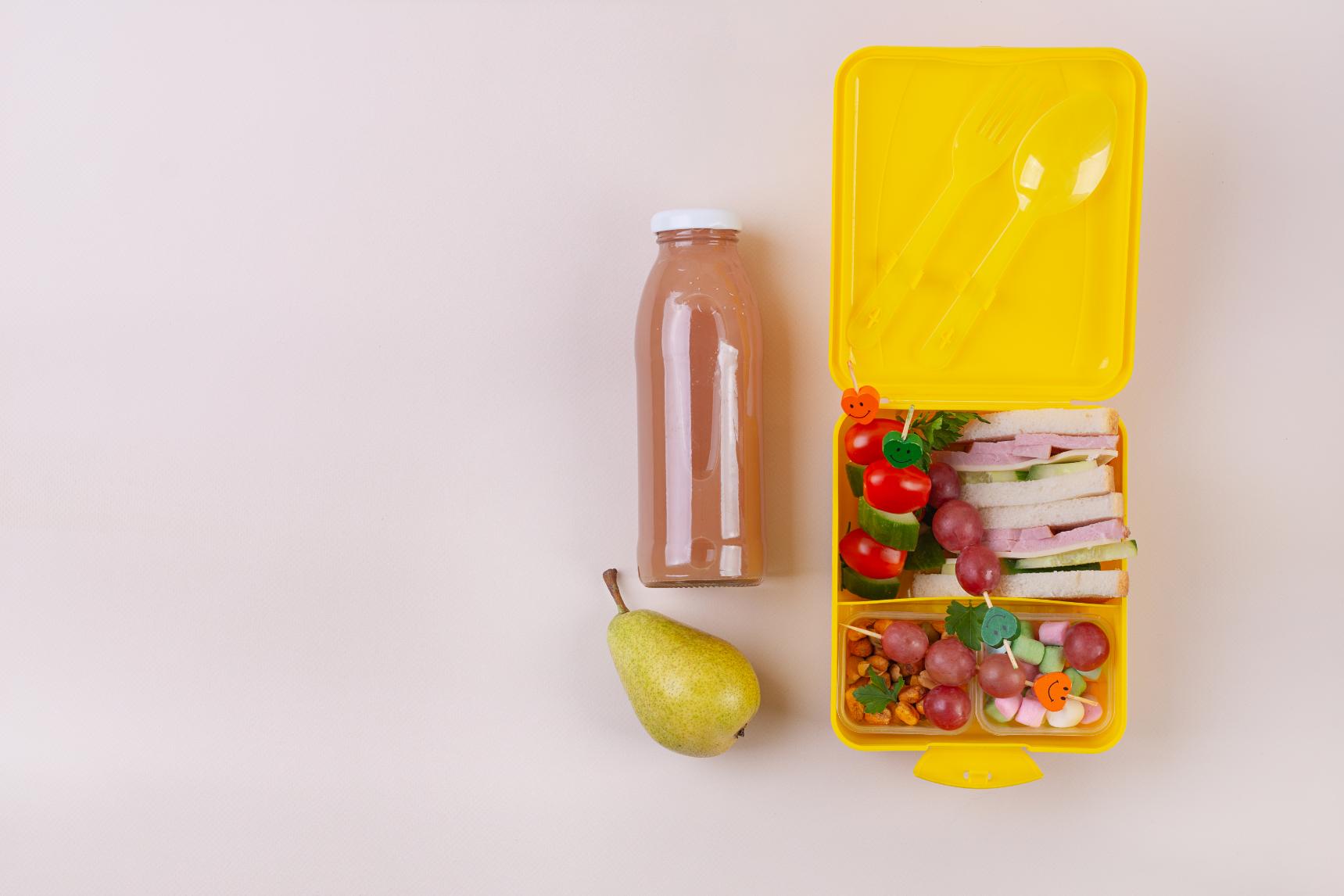
Bento-style packing is one of the best tools for healthy school lunches for kids because it builds variety into every single meal without extra effort. The rule is simple: fill each compartment with one thing from each category — protein, grain/carb, fruit, vegetable, and a small treat.
Monday: Egg Muffins + Whole Grain Crackers + Berries + Cucumber + Dark Chocolate Chips
Egg muffins (mini frittatas baked in a muffin tin with cheese, spinach, and diced peppers) keep in the fridge for four days. Pair with crackers, fresh berries, cucumber rounds, and a few chocolate chips for the sweet compartment.
Tuesday: Deli Turkey Bites + Pita Triangles + Grapes + Bell Pepper Strips + Yogurt Tube
No cooking required. Fold small deli turkey slices, add pita triangles for dipping in hummus, a handful of grapes, colorful bell pepper strips, and a squeeze yogurt tube. Done in under five minutes.
Wednesday: Cheese Cubes + Pretzel Crisps + Apple Slices + Snap Peas + Trail Mix
Purely snack-plate style, but it covers all the nutritional bases if you're thoughtful about it. Cheddar or gouda cubes for protein and fat, pretzels for crunch and carbs, apple slices, snap peas, and a small portion of trail mix with nuts and dried fruit.
Thursday: Chicken Nuggets (Homemade or Store-Bought) + Mac and Cheese Bites + Broccoli + Strawberries
This is the "kid-approved comfort food" bento. Pair homemade or store-bought chicken nuggets with mac and cheese bites (these freeze and reheat well), raw broccoli florets with ranch, and fresh strawberries.
Friday: Sunbutter and Banana Pinwheels + Yogurt Parfait + Baby Carrots
Spread sunflower seed butter on a whole wheat tortilla, lay banana slices across the middle, roll up, and slice into pinwheels. Pack with a small yogurt parfait layered with granola and honey, plus baby carrots on the side.
Week Four: Mix, Repeat, and Rotate
By week four, you know what's working. This is where lunchbox planning for the week becomes genuinely easy — you're not creating new ideas, you're pulling from your established list. A few additions to keep things interesting:
- Soup in a Thermos: Tomato soup, chicken noodle, or lentil soup packed in a wide-mouth thermos with a side of crackers or crusty bread feels warm and cozy, especially once the weather turns. Heat it up in the morning, pour it in a preheated thermos, and it stays hot until lunch.
- DIY "Lunchable" Boxes: Layer round crackers, deli ham or salami, cheese slices, and small pickles in a divided container. Kids love building their own little stacks.
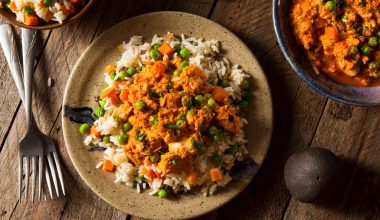
- Fried Rice from Leftover Dinner: If you made rice for dinner, fried rice with egg, peas, and soy sauce takes five minutes and packs great cold.
- Peanut Butter and Banana Sushi: Spread peanut butter on a tortilla, place a whole banana at one end, roll it up, and slice into rounds. It looks fun, it's filling, and it requires almost no effort.
Practical Meal Prep Tips to Make This Sustainable
Having great back to school lunchbox ideas means nothing if the prep feels impossible on a Sunday night. Here's how to make it work without spending your whole weekend in the kitchen.
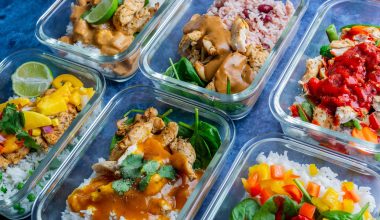
Batch one protein on Sunday. Cook a pound of shredded chicken, bake a batch of meatballs, or hard-boil eight eggs. That one task covers protein for most of the week. You're not starting from zero every morning.
Pre-cut fruit and veggies right when you get home from the grocery store. Carrots, cucumber, grapes, and bell peppers all store well in airtight containers for four to five days. If it's already cut, it takes 30 seconds to pack.
Keep a "lunchbox bin" in the fridge. This is a dedicated shelf or drawer where you put everything prepped and lunchbox-ready — cheese sticks, yogurt tubes, portioned hummus, washed fruit, pre-cooked proteins. When packing time comes, you're assembling, not prepping.
Don't overthink the sweet treat. A few dark chocolate chips, a small cookie, or a fruit pouch is perfectly fine. Including something your kid looks forward to makes them more likely to eat the rest of the lunch without complaint.
Do's and Don'ts of School Lunchbox Planning
| Do | Don't |
|---|---|
| Involve your kid in choosing options | Pack foods they've never tried without warning |
| Prep proteins in bulk on Sunday | Wait until the morning to figure out lunch |
| Include one "exciting" item per lunch | Pack the exact same thing every single day |
| Use an insulated bag with two ice packs | Skip cold sources and risk food safety |
| Cut food into fun shapes or bites for younger kids | Pack large pieces that are hard for little hands |
| Label containers for allergen-aware classrooms | Assume every snack is nut-free if it isn't |
| Rotate proteins: chicken, eggs, turkey, beans | Rely only on deli meat all week |
| Add a dip to almost everything (ranch, hummus, salsa) | Pack dry, bland items with no sauce or flavor |
| Reuse dinner leftovers intentionally | Let leftover rice sit in the fridge unlabeled |
| Ask your kid what they want to eat that week | Plan a month's worth of lunches they'll hate |
FAQs
How do I get my kid to actually eat their lunch instead of trading it away?
Involve them in the planning process. When kids have a say in what goes in the box — even just choosing between two options — they're significantly more likely to eat it. A simple "do you want grapes or strawberries this week?" gives them ownership without handing over full control.
What's the easiest school lunch meal prep I can do in under an hour on Sunday?
Focus on three things: cook one protein (shredded chicken or hard-boiled eggs), wash and cut all the produce for the week, and portion out snacks like crackers, trail mix, and yogurt into individual containers. With those three done, packing each morning takes five minutes or less.
Are cold lunches actually safe without a microwave?
Yes, as long as you use a proper insulated bag with at least two ice packs. The goal is keeping food below 40°F until lunchtime. Frozen water bottles work just as well as gel ice packs and double as a cold drink as they thaw.
My kid says everything I pack is "gross" — how do I deal with this?
Start smaller. Pack one new food alongside three or four things they already love. Don't require them to eat it — just expose them to it repeatedly. Food acceptance in kids often takes 10-15 exposures before they'll try something willingly. Also, presentation matters more than you'd think: the same cucumber slices packed in a divided bento box suddenly feel more appealing than in a plastic bag.
What are the best no-sandwich school lunch ideas for picky eaters?
Meatballs with dipping sauce, tortellini pasta salad, rice bowls with teriyaki chicken, quesadilla triangles, and snack plate bentos are all reliably well-received by picky eaters. The common thread is that they come in small pieces, have familiar flavors, and don't look "weird."
How far in advance can I prep lunches?
Most cooked proteins and grains last three to four days refrigerated. Pre-cut produce holds for four to five days in airtight containers. Fully assembled wraps and sandwiches are best made the night before. A good rhythm is two prep sessions per week — one on Sunday, one on Wednesday — rather than trying to prep a full five days at once.
What should I do when my kid comes home with a full lunchbox?
Don't make it a battle. Instead, ask neutral questions — "was the cafeteria noisy today?" or "did you run out of time?" — to understand what happened. Sometimes it's genuinely about the food; other times it's about social dynamics or a short lunch period. Adjust the lunch size, simplify the options, or swap for something faster to eat if time is the issue.
How do I avoid getting bored with packing lunches myself?
Batch-cook more interesting things on weekends — homemade chicken nuggets, egg muffins, pesto tortellini — so you're not opening a loaf of bread every morning. Treating Sunday lunch prep as a small, enjoyable kitchen project rather than a chore makes a real difference in how sustainable the whole system feels.