Introduction
You’re tired. Not just “I need a nap” tired, but a bone deep, get through the day kind of tired that coffee stopped fixing months ago. If you’ve been feeling that way dragging through mornings, getting random headaches, or noticing that your joints ache in ways they didn’t before kids chronic inflammation might be playing a bigger role than you think. And no, you don’t need a $400 supplement stack or a two hour meal prep marathon on Sundays to do something about it.
The anti inflammatory diet for women has become one of the most researched and talked about approaches to reducing fatigue, stabilizing mood, and supporting long term health. The science is real, but the way it gets packaged online often looks completely out of reach for actual moms running on four hours of sleep. This blog cuts through that. We’re talking about real foods you can grab at any grocery store, meals that take 20 minutes or less, and simple swaps that stack up over time without overhauling your entire life.
Why Moms Are So Vulnerable to Chronic Inflammation
Chronic inflammation is different from the kind that happens when you stub your toe. That’s your immune system doing its job short burst, done. Chronic inflammation is low grade and persistent, sitting quietly in the background for months or years. According to Harvard Health, it plays a role in nearly every major illness, including heart disease, depression, Alzheimer’s, and cancer.
Here’s what makes moms particularly susceptible: sleep deprivation triggers an inflammatory response on its own. Add the cortisol spikes that come with constant caregiving stress, hormonal shifts from pregnancy and postpartum recovery, and a diet that often looks like whatever’s left on the kids’ plates and you’ve got a recipe for inflammation that just keeps building. Estrogen, which has natural anti inflammatory properties, drops significantly after delivery and again during perimenopause. When those hormones dip, pro inflammatory cytokines get less inhibited. That’s not bad luck. That’s biology and food is one of the most accessible tools to push back.
The Anti Inflammatory Power Foods You Actually Want to Eat
Berries: The Easiest Win in Your Freezer
Blueberries, strawberries, raspberries, and cherries are loaded with anthocyanins compounds that researchers have specifically linked to reducing inflammatory markers like C reactive protein (CRP). A cup of frozen blueberries thrown into a smoothie or stirred into oatmeal takes about 30 seconds. Frozen is fine. Studies consistently show frozen berries retain their nutrients because they’re flash frozen at peak ripeness. Don’t let anyone guilt you out of the frozen food aisle.
Salmon and Fatty Fish: The Inflammation Blocker You Need Weekly
Omega 3 fatty acids in salmon, sardines, and mackerel directly reduce two of the major inflammatory proteins in your body CRP and interleukin 6. Aim for two servings a week. A basic weeknight salmon fillet brushed with olive oil, a squeeze of lemon, a pinch of turmeric, 12 minutes in the oven at 400°F counts. Canned salmon on crackers with avocado counts. Budget friendly canned sardines mixed into pasta with garlic and olive oil absolutely counts. This doesn’t have to be fancy.
Leafy Greens: The Cheapest Inflammation Fighter on the Shelf
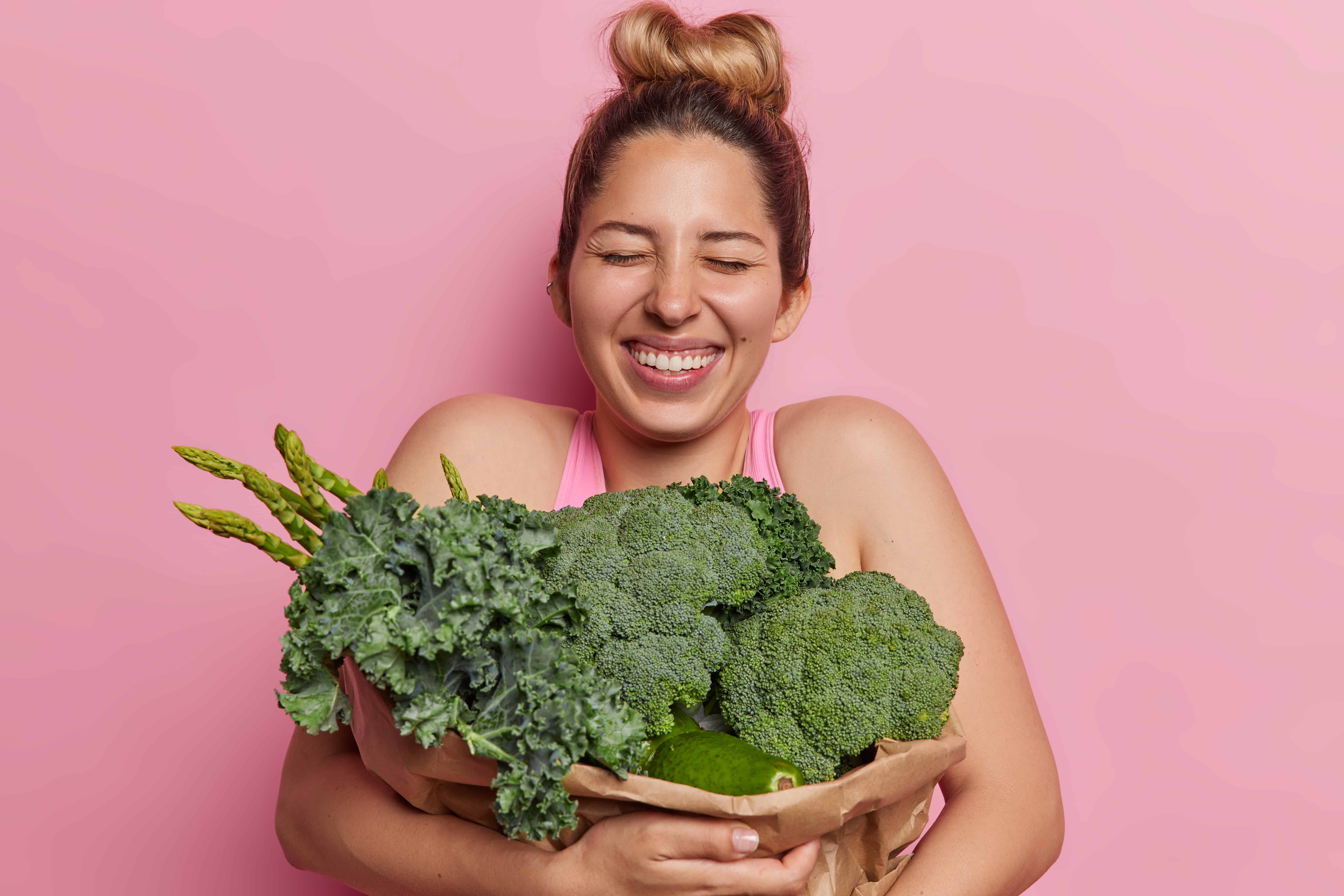
Spinach, kale, Swiss chard, and arugula are packed with vitamins E and K, which have documented roles in fighting inflammation. If you can grab a bag of pre washed baby spinach and throw a handful into eggs, smoothies, or soup, you’re doing the work. Pre washed greens exist specifically for people who don’t have time to rinse and spin a head of lettuce. Use them without apology.
Olive Oil: Your New Everyday Cooking Fat
Extra virgin olive oil contains oleocanthal, a compound that works similarly to ibuprofen in terms of blocking the same inflammatory pathways. Swap your vegetable oil or butter for olive oil and you’re making an upgrade that compounds over thousands of meals. Use it on roasted vegetables, drizzle it over grain bowls, or use it as the base for quick pan sauces. Cleveland Clinic and the Arthritis Foundation both flag this as one of the most impactful swaps you can make.
Turmeric and Ginger: The Spices That Actually Do Something
Curcumin in turmeric is the most studied anti inflammatory compound in spices. The catch: your body doesn’t absorb it well on its own. Add a pinch of black pepper it increases curcumin absorption by up to 2,000 percent. Ginger has gingerols, which work similarly. Throw turmeric into scrambled eggs, smoothies, or rice. Grate fresh ginger into stir fries or steep it as a quick tea. These aren’t magic bullets, but used consistently, they genuinely add up.
Nuts and Seeds: Snacking That Actually Works in Your Favor
Almonds, walnuts, chia seeds, and flaxseeds deliver healthy fats, fiber, and antioxidants that all chip away at inflammation. A small handful of walnuts while you’re packing lunches counts as a real anti inflammatory meal moment. Chia seeds stirred into overnight oats work for breakfast that you made the night before while also half watching Netflix. Flaxseed in a smoothie ground, not whole, so your body can absorb it adds omega 3s without changing the flavor.
Legumes: Underrated, Cheap, and Genuinely Powerful
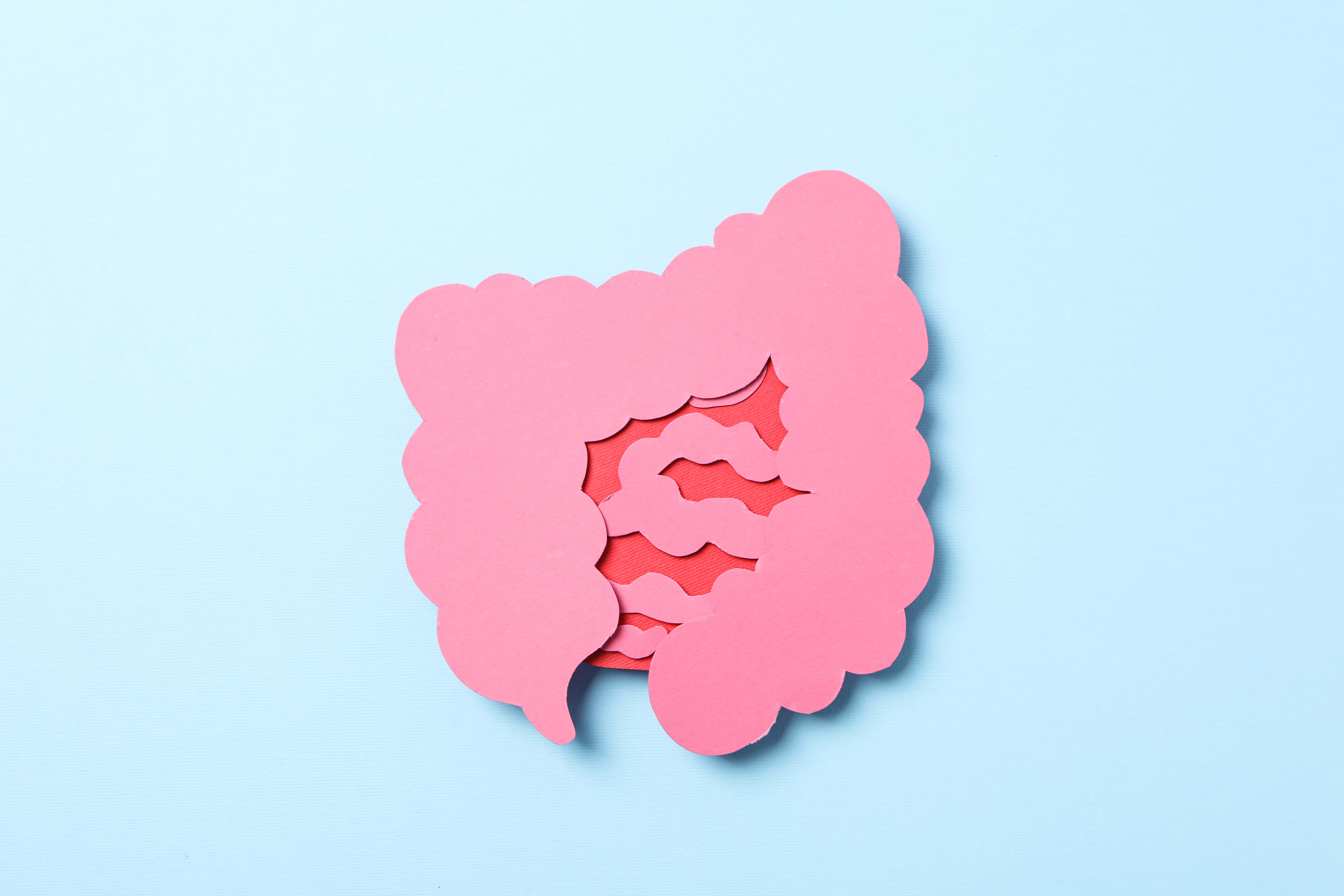
Beans and lentils are high in fiber, which feeds the gut bacteria that regulate your immune response. A more balanced gut microbiome means less systemic inflammation. Canned chickpeas tossed with olive oil and spices and roasted for 20 minutes become a crunchy, snackable, protein rich topping for salads or bowls. A pot of lentil soup uses pantry staples and takes maybe 30 minutes of mostly hands off cooking. These are the unsung heroes of the anti inflammatory diet for women.
Inflammation and Fatigue in Women: The Link Nobody Explains Clearly
Research published in PMC specifically examined the relationship between anti inflammatory diets and chronic fatigue. The finding: a balanced diet with whole grains, polyphenol rich vegetables, and omega 3 fatty acid rich foods showed measurable improvement in disease related fatigue. That’s not a wellness influencer’s opinion that’s a peer reviewed journal.
Here’s the mechanism in plain terms: when your body is chronically inflamed, your immune system is running in overdrive. That costs energy. Your body is pulling resources to manage an ongoing threat that never fully resolves. Add disrupted sleep (which inflammation worsens) and the hormonal load of motherhood, and the fatigue makes complete sense. Eating foods that reduce inflammation doesn’t just help your joints or your skin. It directly supports your energy levels by taking pressure off an overloaded system.
Easy Anti Inflammatory Meals for Moms: Real Life Examples
You don’t need a meal plan with 47 ingredients. You need a handful of go to combinations that require minimal thought on the days when you have nothing left.
Breakfast: Overnight oats with rolled oats, chia seeds, almond butter, frozen blueberries, and a sprinkle of cinnamon. Make it the night before. Takes 5 minutes.
Lunch: Canned salmon or chickpeas on a bed of pre washed arugula, dressed with olive oil and lemon. Add cherry tomatoes if you have them. Done in 3 minutes.
Dinner: Sheet pan salmon with sweet potato wedges and broccoli, all tossed in olive oil, garlic, and turmeric. Preheat the oven, cut things up, roast for 20 minutes. Minimal dishes.

Snack: Walnuts and a small bowl of mixed berries. Or apple slices with almond butter. Or full fat Greek yogurt with a drizzle of honey and some frozen berries stirred in.
The pattern is simple: build meals around a fat (olive oil, avocado, nuts), a protein (salmon, chickpeas, eggs), and a plant (greens, berries, cruciferous vegetables). That template covers you most of the time.
What to Cut Back On (Without Losing Your Mind)
You don’t have to go cold turkey on everything. But knowing which foods actively drive inflammation helps you make smarter trade offs.
Ultra processed foods packaged snacks, hot dogs, fast food, flavored yogurts with a full paragraph of ingredients generate more inflammatory byproducts during digestion. Refined sugar is one of the most direct dietary triggers of CRP. Trans fats, found in margarine, non dairy coffee creamers, and refrigerated biscuit dough, have no anti inflammatory upside whatsoever. Excess alcohol and vegetable oils high in omega 6 fats (like soybean and corn oil) tip the omega 6 to omega 3 ratio in the wrong direction.
None of this means you need to refuse birthday cake at your kid’s party. It means the everyday baseline what you eat on a Tuesday when nobody’s watching is where the leverage is.
Do’s and Don’ts for the Anti Inflammatory Diet for Women
| Do's | Don't |
|---|---|
| Cook with extra virgin olive oil daily | Use vegetable or corn oil as your default |
| Add frozen berries to smoothies, oats, and yogurt | Skip fruit because "it has too much sugar" |
| Eat fatty fish at least twice a week | Rely on supplements as a shortcut instead of food |
| Use turmeric with black pepper for better absorption | Add turmeric without black pepper and wonder why it's not working |
| Keep pre washed greens on hand for fast additions | Let produce go to waste by buying more than you can use fresh |
| Choose whole grains like brown rice, oats, and quinoa | Eat white bread and refined pasta as staples |
| Snack on walnuts or almonds instead of chips | Reach for processed snacks during the afternoon crash |
| Drink water and herbal tea (green tea especially) | Replace water with sugary drinks or excess caffeine |
| Eat legumes several times per week | Ignore beans and lentils because they take "too long" (canned counts) |
| Batch cook one or two anti inflammatory staples weekly | Attempt a full overhaul that burns you out by day three |
| Add ginger to smoothies, teas, and stir fries | Assume spices are optional and skip them |
| Keep your gut health in mind eat fermented foods regularly | Forget that gut health and inflammation are directly connected |
FAQs
How long does it take to feel the effects of an anti inflammatory diet?
Most people start noticing differences in energy and bloating within two to four weeks of consistent changes. Joint aches and more systemic symptoms can take longer sometimes eight to twelve weeks. The key word is consistent. One good week followed by a backslide resets a lot of the progress. Small, sustainable changes that you maintain for months are far more effective than a two week intensive diet.
Can I follow an anti inflammatory diet on a tight budget?
Yes and this is one of the most important things to know. Frozen berries, canned salmon, canned chickpeas, dried lentils, spinach, eggs, oats, and olive oil are all genuinely affordable. You don’t need specialty health food stores or premium priced supplements. A basic pantry stocked with anti inflammatory staples can cost less than a typical week of processed convenience food once you add it all up.
Do I need to cut out all sugar and gluten?
Not necessarily. The anti inflammatory diet isn’t about elimination for its own sake. Cutting refined sugar and ultra processed carbohydrates makes a real difference. But if you don’t have celiac disease or a gluten sensitivity, there’s no solid evidence that gluten itself is inherently inflammatory for most people. Whole grain bread is anti inflammatory; highly refined white flour products are not. Focus on processing level, not specific ingredients.
What’s the best anti inflammatory breakfast for moms who have no time?
Overnight oats are the gold standard for a reason. Make them the night before in under five minutes: rolled oats, chia seeds, almond milk, a spoonful of almond butter, frozen blueberries, and cinnamon. By morning it’s ready. If even that feels like too much, a handful of walnuts and a piece of fruit is still a meaningful anti inflammatory choice versus a sugary granola bar or skipping breakfast entirely.
Can anti inflammatory eating actually help with postpartum fatigue?
Yes, and the evidence is meaningful. Postpartum hormonal changes particularly the drop in estrogen remove a natural brake on inflammatory cytokines, making new moms especially prone to low grade inflammation. Combining anti inflammatory foods with adequate sleep (hard, we know) and stress management creates a real difference. Foods like salmon, leafy greens, and whole grains directly support the hormonal and immune systems that are under the most pressure postpartum.
Is the anti inflammatory diet safe while breastfeeding?
Generally yes it’s a whole foods based approach that emphasizes fruits, vegetables, healthy fats, and lean proteins. These are exactly the nutrients that support milk production and postpartum recovery. Fatty fish like salmon provide DHA that passes to breast milk and supports infant brain development. Always check with your doctor or a registered dietitian if you have specific concerns, but most breastfeeding nutritionists actively recommend this type of eating pattern.
What about supplements do I need fish oil or turmeric capsules?
Food first, always. Whole food sources of omega 3s (salmon, sardines, walnuts, flaxseed) deliver them in a form your body recognizes and absorbs better than most isolates. If you’re not eating fatty fish regularly, a high quality fish oil supplement can fill the gap but don’t use it as an excuse to skip the food changes. Turmeric capsules vary wildly in quality; getting curcumin from cooking with the spice alongside black pepper is both cheaper and more reliable.
How do I get my family to eat more anti inflammatory foods without cooking separate meals?
Build the principles into dishes everyone already likes. Salmon tacos instead of ground beef tacos. A smoothie bar on Saturday mornings with frozen berries, spinach, and nut butter. Roasted sweet potato fries instead of regular fries. Add turmeric and garlic to rice. Swap white pasta for a legume based pasta. The goal isn’t to introduce totally foreign foods it’s to upgrade the ratio of what’s already familiar.