

Introduction
You’re 34, and suddenly your periods are all over the place. One month it arrives two weeks early, the next month it’s late and heavier than you’ve ever seen. You’re waking up at 3 a.m. for no reason, your anxiety has spiked out of nowhere, and you can’t seem to finish a sentence without losing the word you were looking for. Your doctor runs some bloodwork, everything comes back “normal,” and you leave the office feeling like you’re losing your mind. Sound familiar?
Here’s the thing nobody tells you at your annual checkup: what you’re describing could be perimenopause, and no, you are not too young. According to recent research, more than half of women between the ages of 30 and 35 are already experiencing moderate to severe symptoms tied to hormonal changes associated with the menopausal transition. An estimated 11 to 12% of women will begin perimenopause before age 41. The medical community has been slow to catch up to this reality, which means millions of women in their 30s are getting misdiagnosed with anxiety, depression, stress, or “just PMS” when what’s actually happening is a genuine hormonal shift. This blog is the conversation your doctor should be having with you.
What Perimenopause Actually Is (and When It Starts)
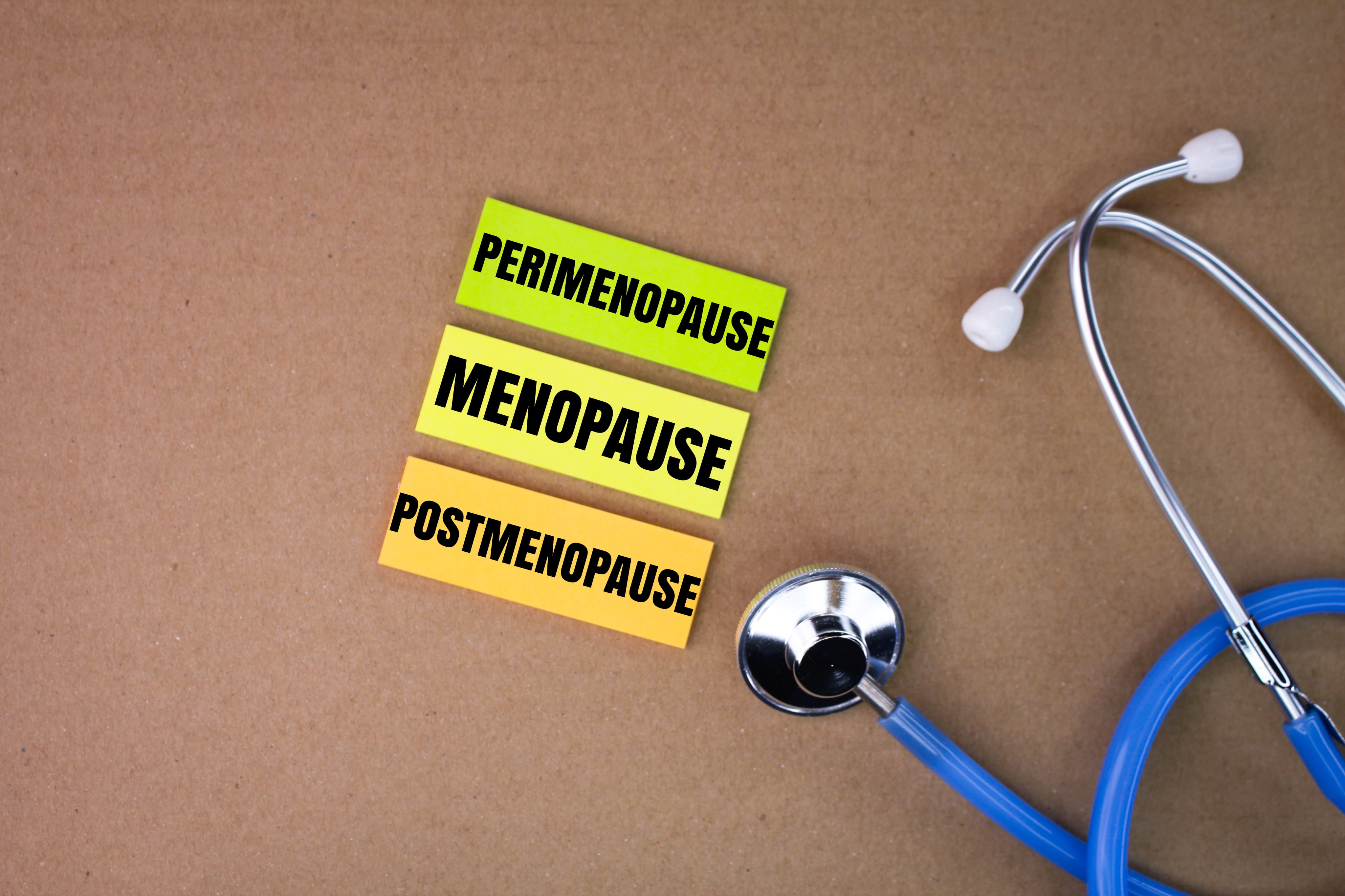
Perimenopause is the transitional phase leading up to menopause, the point when your ovaries gradually begin producing less estrogen and progesterone. It is not a single event. It is a window of time, anywhere from 4 to 10 years, during which your hormones fluctuate wildly before they eventually settle into their post reproductive baseline.
Most people picture a woman in her late 40s fanning herself at a dinner party. That image does not capture the full picture. Perimenopause can begin in the mid 30s for some women, particularly those with a genetic predisposition, autoimmune conditions, or significant exposure to environmental endocrine disruptors. The first hormonal shift that typically happens is a drop in progesterone, often a full decade before estrogen levels visibly change on a blood test. This is why so many women in their 30s get told their labs look “normal” even while they feel anything but.

Early Perimenopause Signs You Might Be Dismissing
Irregular Periods That Don’t Fit Your Usual Pattern
The most widely recognized early perimenopause sign is a change in your menstrual cycle. But irregular periods in your 30s are so commonly attributed to stress, travel, or diet changes that the hormonal cause gets overlooked. What makes perimenopause related irregularity different is the pattern: your cycles may get shorter (22 or 23 days instead of 28), then unexpectedly longer, then suddenly heavier. You might skip a month entirely. You could notice mid cycle spotting or clotting that wasn’t there before. These are not random flukes, they’re your ovaries signaling that ovulation is becoming less reliable, which directly disrupts the hormonal feedback loop that regulates your cycle.
Sleep Disruption That Comes Out of Nowhere
Waking between 2 and 4 a.m. for no obvious reason, struggling to fall back asleep even when you’re exhausted, this is one of the most underreported early signs of hormonal changes in women in their 30s. Progesterone has a natural calming, sleep supportive effect on the brain. As levels begin to dip, sleep quality often degrades long before any obvious hot flashes appear. Many women in this phase are prescribed sleep aids or told to work on their “sleep hygiene” without anyone connecting the dots to hormonal fluctuation.
Brain Fog and Memory Glitches
Forgetting the word for something mid sentence. Walking into a room and having no idea why you’re there. Struggling to concentrate on tasks that used to feel effortless. This is perimenopause brain fog, and it is a recognized neurological symptom, not a character flaw. Estrogen plays a significant role in how neurotransmitters function. When levels begin to fluctuate, it disrupts the brain’s chemical balance, impacting memory, word retrieval, and focus. For women who’ve always been sharp and on top of everything, this symptom in particular can be deeply alarming.
Mood Swings That Feel Different From PMS
Anxiety that seems to come out of nowhere. Irritability that is disproportionate to the situation. A low grade sadness that settles in for days without a clear trigger. These mood changes can happen at any point in your cycle during perimenopause, not just in the week before your period, which is one of the clearest ways to distinguish perimenopause vs PMS. PMS follows a predictable pattern: symptoms appear in the luteal phase and lift once your period starts. Perimenopause mood shifts are erratic, cyclically unpredictable, and often more intense than what you experienced before.
Hot Flashes and Night Sweats in Your 30s
Yes, you can have hot flashes at 33. They may be brief and infrequent at first, a sudden wave of heat up your chest and neck while you’re sitting in a meeting, or waking up at night drenched in sweat. Many younger women dismiss these as stress responses or blame their thermostat. But hot flashes are directly tied to estrogen fluctuation affecting the hypothalamus, the part of your brain that regulates body temperature. If you’re having them in your 30s, they belong in a conversation with your doctor.
Libido Changes and Vaginal Dryness
A noticeable drop in sex drive, or discomfort during sex that wasn’t there before, these are among the perimenopause symptoms that younger women are least likely to bring up and least likely to connect to hormonal shifts. Declining estrogen affects vaginal tissue, reducing natural lubrication and elasticity. It also affects testosterone levels (yes, women have testosterone too), which plays a direct role in desire. If intimacy has shifted and there’s no obvious relationship reason for it, hormones are worth looking into.
Perimenopause vs PMS: How to Tell the Difference
This is the question that sends most women in circles. Both conditions involve mood shifts, bloating, fatigue, and breast tenderness. The real differentiators:
- Timing: PMS symptoms are tied to your luteal phase and resolve when your period starts. Perimenopause symptoms are cycle independent and unpredictable.
- Cycle regularity: PMS occurs alongside regular cycles. Perimenopause tends to coincide with cycle changes, shorter, longer, heavier, lighter, or skipped periods.
- New symptoms: Hot flashes, night sweats, vaginal dryness, and sleep disruption are not standard PMS territory. Their presence alongside mood symptoms points more strongly to perimenopause.
- Age trajectory: If your PMS has gotten measurably worse in your mid to late 30s with no lifestyle explanation, that escalation itself can be a perimenopause marker.
The Bottom Line
Perimenopause in your 30s is real, it is more common than the medical community has historically acknowledged, and you are not imagining your symptoms. The gap between when women start experiencing hormonal changes and when those changes get recognized and treated is often measured in years, years of disrupted sleep, dismissed concerns, misdiagnosed anxiety, and mounting frustration. Knowing what to look for, how to advocate for yourself at appointments, and what testing actually gives you useful information puts you back in the driver’s seat. Your 30s are not supposed to feel like a mystery your body is playing on you. They can feel manageable, but that starts with having the right conversation.
Sources consulted: Cleveland Clinic, Mayo Clinic, Healthline, Harvard Health, UCLA Health, Contemporary OB/GYN, Paloma Health, Dr. Brighten, Oova Health, Health Highroad

Do’s and Don’ts If You Suspect Early Perimenopause
| Do's | Don't |
|---|---|
| Track your cycle length and symptoms in detail for 3+ months | Assume your doctor will automatically connect your symptoms to hormones |
| Ask for a comprehensive hormone panel including FSH, estradiol, day 21 progesterone, AMH, and full thyroid | Rely solely on a single FSH test, results fluctuate and can appear normal even in perimenopause |
| Bring up sleep disruption, brain fog, and mood changes as a cluster, not individual issues | Accept "you're too young" as a complete answer without further investigation |
| Seek out a menopause literate gynecologist or functional medicine doctor | Dismiss symptoms as stress without exploring the hormonal angle |
| Prioritize sleep consistency, even when sleep quality is poor | Use alcohol to manage sleep, it worsens hormonal disruption |
| Eat balanced meals that stabilize blood sugar throughout the day | Skip meals, which exacerbates hormonal mood swings |
| Exercise regularly, it supports estrogen metabolism and brain function | Overexercise, which can further stress the HPA axis |
| Discuss HRT or low dose hormonal support with a qualified provider if symptoms are affecting your life | Self prescribe supplements without understanding your actual hormone levels |
| Build a support network, partners, friends, therapists, who understand what you're navigating | Suffer silently out of embarrassment or the belief that this "isn't supposed to happen yet" |
| Know that this is a phase, not a permanent state, and many women find real relief with the right support | Catastrophize, perimenopause is manageable with the right information and care |
FAQs
Can perimenopause really start in your 30s?
Yes, and it’s more common than most people realize. Research published in 2025 found that more than half of women aged 30 to 35 were experiencing moderate to severe symptoms associated with the menopausal transition. Early onset perimenopause, defined as beginning before age 40, affects an estimated 5 to 12% of women. For women with a family history of early menopause, autoimmune conditions like thyroid disease, or significant hormonal disruption from factors like endometriosis or PCOS, the onset can be even earlier.
Will a blood test tell me if I’m in perimenopause?
Not always, and this is where a lot of women get frustrated. Hormone levels fluctuate dramatically during perimenopause, which means a single test on the wrong day can appear completely normal. FSH (follicle stimulating hormone) is often used as a marker, but a normal FSH does not rule out perimenopause. A better approach is a comprehensive panel drawn on specific cycle days, day 3 FSH and estradiol, day 21 progesterone, AMH (anti Müllerian hormone, which reflects ovarian reserve), and a full thyroid panel. Even then, the most meaningful diagnostic tool is your symptom history presented alongside your test results.
How is early perimenopause different from early menopause?
These terms are related but not interchangeable. Perimenopause is the transitional phase before menopause, marked by hormonal fluctuation and ongoing (though increasingly irregular) periods. Menopause itself is defined as 12 consecutive months without a period. Early or premature menopause refers to menopause occurring before age 40 or 45 respectively. You can be in perimenopause in your 30s, with periods still happening, without having reached menopause yet.
Is there anything I can do about symptoms without going on hormones?
Quite a lot, actually. Lifestyle interventions can meaningfully reduce symptom severity. Consistent sleep timing matters more than most women expect, keeping your wake time fixed even on disrupted nights helps regulate cortisol, which interacts with estrogen and progesterone. Anti inflammatory eating patterns that stabilize blood sugar reduce mood instability. Regular moderate exercise, particularly strength training and walking, supports estrogen metabolism. Supplements including magnesium glycinate (for sleep), omega 3s (for inflammation and mood), and adaptogens like ashwagandha have evidence supporting their use for hormonal support. That said, these work best alongside an understanding of your specific hormone picture.
Should I be worried about fertility if I’m in perimenopause in my 30s?
This is a legitimate concern worth discussing with a reproductive endocrinologist if you haven’t completed your family or are still open to pregnancy. AMH testing gives you a clearer picture of your ovarian reserve than most standard tests. Being in early perimenopause does not mean you cannot conceive, but it does mean that the window may be shorter than average, and having that conversation sooner rather than later gives you more options.
Can perimenopause make anxiety worse?
Absolutely, and this is one of the most under discussed aspects of hormonal changes in women in their 30s. Progesterone has a calming effect on the GABA receptors in the brain, the same receptors that anti anxiety medications target. As progesterone declines, many women experience a rise in baseline anxiety, heightened startle responses, and difficulty managing stress that previously felt manageable. This is physiological, not psychological weakness. If your anxiety has worsened in your 30s without a clear life trigger, hormonal fluctuation is worth ruling in or out before defaulting to an SSRI.
What should I say to my doctor if I think I’m in perimenopause?
Be specific and bring documentation. A three month symptom diary that includes cycle dates, sleep quality, mood patterns, and any new symptoms gives your doctor something concrete to work with. Ask directly: “I’d like to rule out perimenopause. Can we run a comprehensive hormone panel?” If your doctor dismisses the concern outright, it’s entirely reasonable to seek a second opinion from a provider who specializes in women’s hormonal health or menopause medicine. The Menopause Society maintains a directory of certified providers if you need a starting point.