
Start With a Weekly Meal Plan (Even a Rough One)
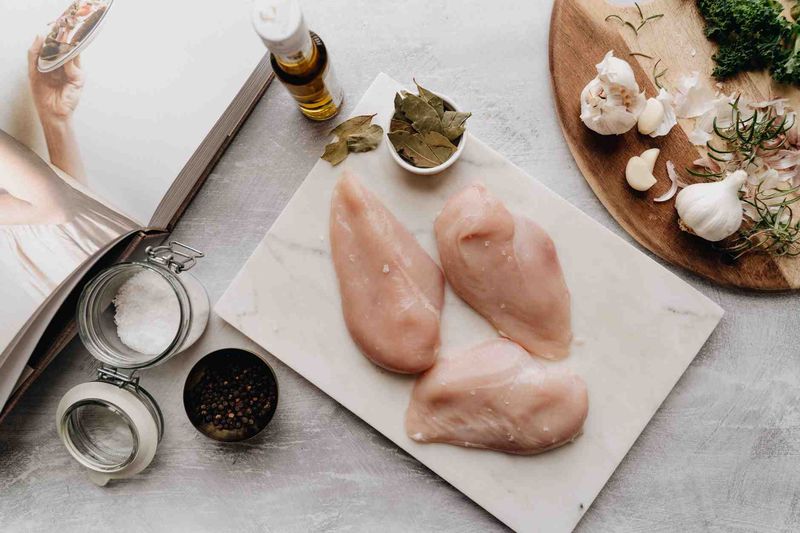
The single most impactful thing you can do before writing a grocery list is plan your dinners for the week. It sounds obvious, but most families skip it and end up buying ingredients that don’t connect into full meals. You buy chicken but forget the rice. You grab salad greens but nothing to put on top. Then Tuesday night rolls around and you order pizza because the fridge is full of things that don’t add up to dinner.
A rough meal plan, even just five dinners on a sticky note, gives your grocery list direction. You’re not buying ingredients, you’re buying meals. Pick dishes that share ingredients: a pot of taco meat on Monday becomes quesadillas on Wednesday. A rotisserie chicken becomes chicken soup by Thursday. This kind of ingredient overlap cuts down on what you buy and reduces the food waste that quietly drains family budgets. The USDA has estimated that the average American family of four throws away about $1,500 worth of food every year, that’s money that walked straight from your wallet into the trash. A simple meal plan is the fix.
Build Your List Around These Budget Staples
A smart grocery list for families on a budget isn’t a random collection of whatever looks good. It’s anchored by a core group of affordable, filling, nutritious staples that work across dozens of meals. Here’s what belongs on your permanent list:
Proteins:
- Eggs (around $0.25 each, one of the best deals in any store)
- Dried or canned black beans, chickpeas, lentils ($1-2 per pound)
- Chicken thighs or drumsticks (far cheaper per pound than breasts)
- Canned tuna or salmon (pantry stable and high protein)
- Ground beef or turkey in bulk, portioned and frozen

Grains and Carbs:
- Rolled oats (breakfast sorted for the week)
- White or brown rice (a 10 pound bag lasts a long time)
- Whole wheat pasta or spaghetti
- Bread (whole grain or whatever your family actually eats)
- Dried or canned beans (double listed because they’re that important)
Produce, the practical picks:
- Bananas (almost always under $0.30 each)
- Apples and oranges (good shelf life)
- Carrots, cabbage, and sweet potatoes (last a week or more in the fridge)
- Frozen broccoli, peas, and mixed vegetables (same nutrition, fraction of the waste risk)
- Bagged spinach or kale (blends into smoothies or pasta if it starts to wilt)
Dairy and Fats:
- Store brand butter or margarine
- Block cheese (cheaper per ounce than shredded, and kids will eat it)
- Greek yogurt in large containers, not individual cups
- Whole milk or whatever your family uses
Pantry Anchors:
- Olive oil or vegetable oil
- Canned tomatoes (diced, crushed, paste, you’ll use all of them)
- Broth (chicken or vegetable), buy store brand
- Soy sauce, garlic, onion powder, cumin, paprika
- Peanut butter and jelly, still one of the best ROI foods for feeding kids
How to Save at the Store Without Couponing Full Time
Hardcore couponing is a skill that some parents have mastered beautifully, but for most of us, it’s not realistic with two kids in the cart and 20 minutes to shop. The good news is there are simpler tactics that consistently save money without a binder of clippings.
Check unit prices, not just sticker prices. Most grocery stores show a per ounce or per unit price on the shelf tag. That’s your real comparison number. The big can of tomatoes that looks expensive might actually cost 40% less per ounce than the small can. Getting into the habit of glancing at unit prices will save you hundreds over a year.
Buy store brand on staples. According to Consumer Reports, switching from name brand to store brand can save around 25% on groceries, and on items like oats, rice, canned beans, pasta, and frozen vegetables, the quality difference is essentially zero. Save the name brands for things where your family genuinely prefers the taste and won’t accept a substitute.
Shop the sales and build your list around them. Most grocery store apps and weekly circulars show what’s on sale before you shop. If chicken thighs are $1.49 a pound this week, that’s a meal plan anchor. Buy extra, freeze half. This “stock and shop the sale” approach can cut your protein spending significantly over time.

Use rebate apps. Ibotta, Fetch Rewards, and similar apps give you cashback on items you’re already buying. They take three minutes to set up and can return $15-40 a month for a typical family. Not life changing on its own, but it adds up over a year.
Limit mid week store runs. Every time you pop into the store for “just one thing,” you leave with seven. Plan your list for one full weekly shop and stick to it. Families who shop once a week reliably spend less than those who shop multiple times.
The Freezer Is Your Best Friend on a Budget
Families who use their freezers well eat better and spend less. It’s that simple. Here’s how to make the freezer work for you:
Frozen produce is nutritionally equivalent to fresh, sometimes better, since it’s frozen at peak ripeness rather than ripening during transit. A 2 pound bag of frozen broccoli costs around $2.50 and lasts indefinitely. The same amount of fresh broccoli costs more and goes soft in four days. For families trying to eat healthily on a tight budget, frozen vegetables are not a compromise, they’re the smart choice.
Buy meat in bulk when it’s on sale, divide it into meal sized portions, and freeze immediately. A $20 pack of chicken thighs can cover three to four dinners if you freeze strategically. Do the same with ground beef, pork chops, and fish fillets.
Make double batches of soups, chili, pasta sauces, and casseroles and freeze half. On nights when you have no energy to cook, you pull out a real home cooked meal instead of ordering delivery. This habit alone can save a family $100 or more a month.
Kid Friendly Budget Meals That Actually Get Eaten
There’s no point building a budget grocery list around foods your kids will refuse to touch. Here are cheap, nutritious meals that most kids actually eat:
- Eggs scrambled into fried rice with frozen peas and carrots, under $1.50 per person
- Bean and cheese quesadillas, fast, customizable, universally accepted
- Pasta with homemade tomato meat sauce, the tomatoes, pasta, and meat cost under $10 and feed a family of four twice
- Veggie loaded grilled cheese with tomato soup from a can (dress it up with a splash of cream and garlic)
- Oatmeal bar for breakfast with banana slices, peanut butter, and honey, kids love building their own bowls
- Sheet pan chicken thighs with sweet potatoes and broccoli, hands off cooking, one pan to wash
Do’s and Don’ts: Budget Grocery Shopping for Families
| Do's | Don't |
|---|---|
| Write your grocery list based on a weekly meal plan | Shop without a list and wing it |
| Buy store brand staples: oats, rice, pasta, canned goods | Pay name brand prices for pantry basics |
| Check unit prices to find the real value | Compare sticker prices alone |
| Shop the sales circular before planning your meals | Plan meals first and then pay whatever the store charges |
| Stock up on proteins when they go on sale and freeze extras | Buy just enough meat week to week at full price |
| Use frozen vegetables as your default produce strategy | Let fresh produce go bad because you over bought |
| Make double batches of soups and stews and freeze half | Cook only what you need and start from scratch every night |
| Use rebate apps like Ibotta or Fetch for cashback | Ignore free money sitting on the table |
| Keep a running pantry inventory so you don't double buy | Guess what you have at home and buy duplicates |
| Get kids involved in picking meals so they're more likely to eat them | Plan meals in isolation and deal with rejected food at the table |
| Buy whole block cheese and shred it yourself | Pay the premium for pre shredded cheese every week |
| Plan at least one meatless dinner per week to cut protein costs | Rely on expensive protein at every single meal |
FAQs About Grocery Shopping on a Family Budget
What is a realistic grocery budget for a family of four in 2026?
The USDA’s thrifty food plan puts a family of four at around $219 a week, or about $950 a month. Families on a moderate plan spend closer to $1,200-$1,500 monthly. If you’re currently spending more than that, the strategies in this guide, meal planning, frozen produce, store brands, and sale shopping, can realistically bring you down 20-30%.
What are the cheapest healthy proteins for families?
Eggs are hard to beat at roughly $0.25 each. Dried lentils and beans cost $1-2 per pound and pack 7-9 grams of protein per serving. Canned tuna runs about $1 per can. Chicken thighs and drumsticks are significantly cheaper than breasts and are more forgiving to cook. Rotating these throughout the week keeps your protein budget low without sacrificing nutrition.
Is buying in bulk always worth it for families?
Usually yes, but only for items your family consistently uses and that won’t expire or spoil before you use them. Bulk rice, oats, pasta, canned goods, and frozen foods are almost always worth it. Bulk fresh produce, on the other hand, often leads to waste unless you have a solid plan to use it within the week.
How can I get kids to eat budget meals without constant battles?
Let them help choose. When kids pick a meal (even from options you’ve pre selected), they’re more invested in eating it. Also, present budget staples like beans and lentils in familiar formats, as taco filling, in a soup, or blended into a pasta sauce. Most kids won’t notice what’s in a well seasoned quesadilla.
Are store brand products actually as good as name brands?
For most staples, absolutely. Consumer Reports and numerous independent tests have found that store brand oats, pasta, rice, canned tomatoes, frozen vegetables, peanut butter, and dairy products perform at the same level as name brands. The 25% average savings across a full grocery cart adds up to hundreds of dollars a year.
Should I use grocery pickup or delivery to stick to my budget?
Grocery pickup (order online, pick up curbside) actually helps a lot of families stick to their list because there’s no wandering the store and no impulse buys. Delivery has a service fee that can eat into savings unless you’re using a subscription. Pickup is usually free and reduces over spending significantly for families who struggle with in store impulse purchases.
How do I handle picky eaters when trying to buy budget food?
Build your budget meals around the two or three things each kid reliably eats and expand slowly. A child who loves pasta will probably eat pasta with a new sauce if introduced gradually. Budget cooking doesn’t require everyone to love every meal, it requires having enough familiar anchors that kids eat consistently, and saving the expensive “crowd pleaser” meals for nights when you need a sure thing.
What’s the fastest way to start saving without overhauling everything?
Start with just two changes: write a weekly dinner plan before you shop, and swap five name brand items for store brands this week. Those two moves alone can save $30-50 on a typical family grocery run. From there, layer in the freezer strategy, rebate apps, and sale shopping as they feel manageable.