The last time I flew with my two kids, a four year old and a six year old, I packed what I thought was an impressive snack haul. Hummus cups, baby carrots, those little cheese rounds. I felt very organized. Very prepared. Somewhere over Nevada, my daughter squeezed her hummus pouch directly onto the seat pocket and my son announced that carrots were “disgusting and a punishment.” We landed in San Diego and I had consumed approximately six Goldfish crackers and one Fruit Roll Up that wasn’t even mine.
So yeah. I’ve learned a few things about travel snacks for kids since then. And I’m sharing all of it here, no fluff, no “pack a rainbow of fruit!” non advice, just what actually works on a real travel day when kids are bored, overstimulated, and operating on airplane air and no nap.
Why Your Regular Go To Snacks Will Fail You on Travel Day
Regular snack logic doesn’t apply when you’re traveling. The snack that works perfectly at home, grapes, yogurt, that Trader Joe’s cheese, turns into a catastrophe at 30,000 feet or mile 200 on the highway. Grapes roll. Yogurt needs a spoon and a prayer. Cheese gets warm and sweaty and then nobody wants it including you.
Travel snacks need to pass a four point test: they have to survive being shoved in a bag for hours, be edible with minimal mess, stay interesting enough that a bored kid will actually eat them, and not require refrigeration or utensils. That’s a shorter list than you’d think. But it’s very doable once you know what you’re looking for.
Also, and this is critical, pack way more than you think you’ll need. Standard advice says pack 50% more than usual. I say pack double. Because delays happen. Because kids refuse snacks they loved yesterday. Because you will inevitably eat some of it yourself in a stress spiral at the gate.
The Snacks That Actually Work (Tested by Real Travel Days)
Squeeze Pouches: The MVP of Toddler Travel
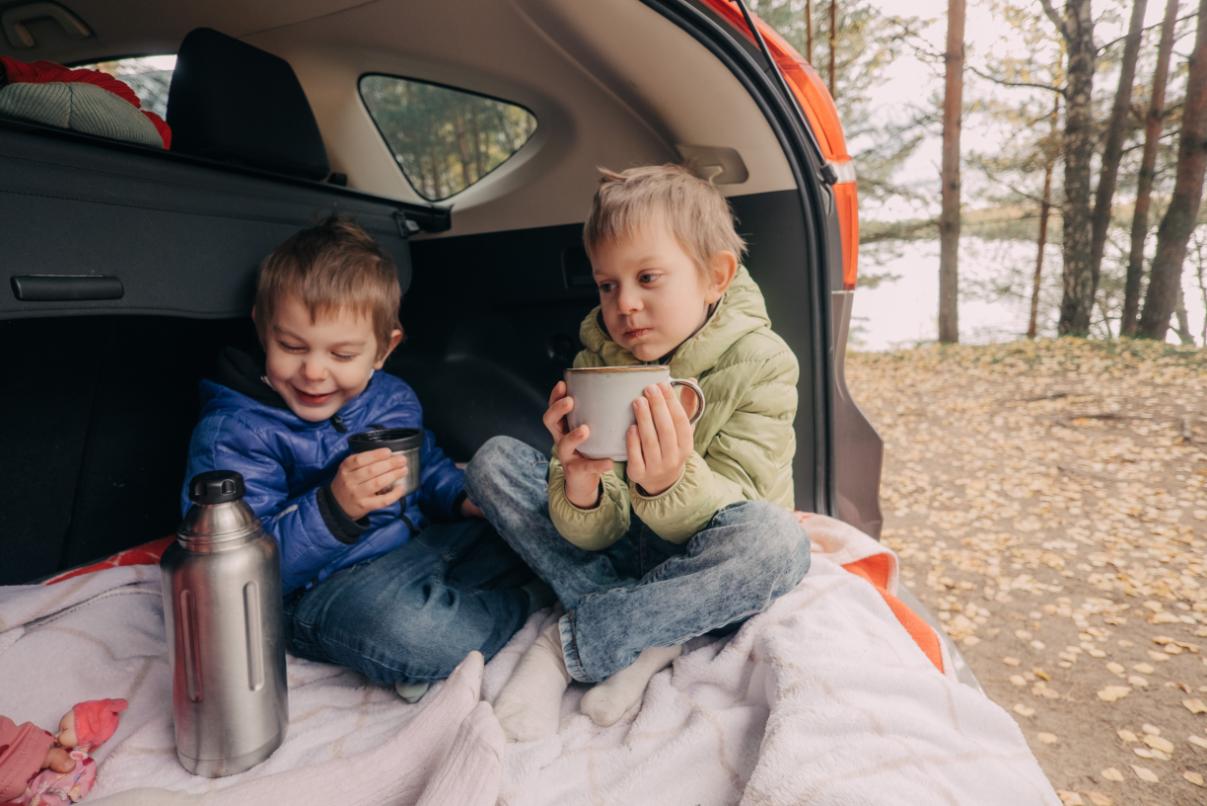
If you have kids under five, squeeze pouches are your best friend. Plum Organics Mighty Snack Bars in pouch form and Happy Tot pouches (around $1.50-$2 each at Target or Amazon) are thick enough to count as a small meal, don’t need refrigeration for a few hours, and kids can self manage them without your help. Huge win.
One important TSA note: food pouches for kids are allowed in carry on in quantities over 3.4 oz. You just have to declare them at security. Tell the TSA officer you have kids’ food pouches and they’ll screen them separately. It’s mildly annoying, takes about 90 extra seconds, and is completely worth it.
The only rule with pouches: do not, under any circumstances, hand a pouch to a toddler in a white onesie. I learned this on a flight to Florida. The onesie did not survive.
Freeze Dried Fruit: Mess Free and Actually Nutritious
This is the snack I wish I’d discovered earlier. Freeze dried fruit, strawberries, mango, apple slices, looks like candy but is just dried fruit with zero added sugar. Brands like Natierra and Brothers All Natural make individual snack packs for around $1-$2 each. They melt in your mouth, which means no choking risk for younger kids, and they leave zero residue on hands, seats, or neighboring passengers.
My six year old thinks they’re a treat. My four year old eats them without complaining. This counts as a parenting win.
Skinny Pop Mini Bags: The Airplane Crowd Pleaser
SkinnyPop Mini Popcorn bags (the tiny individual bags, around $5-$6 for a multipack at Costco or Amazon) are genuinely excellent airplane snacks. Three ingredients, popcorn, sunflower oil, salt, no artificial garbage, and the mini bag format means portion control is built in. Kids can eat a whole bag and feel satisfied without demolishing a full size bag and scattering popcorn across three rows.
Only caveat: don’t pop popcorn yourself and bring it loose. It goes stale, it gets everywhere, and it smells up the whole car or cabin. Pre packaged only.
Cheese Sticks and Babybel: Protein When You Need It
Both string cheese and Babybel Mini rounds travel well for about four to six hours without refrigeration, especially if you keep them in an insulated lunch bag with a small ice pack. Babybel has an edge because the wax coating keeps it fresher longer and kids love peeling it, which also buys you about three minutes of entertainment.
Protein matters on travel days. It keeps kids full longer and prevents the meltdown that happens exactly when you’re stuck in a middle seat and the guy in front of you just reclined all the way back.
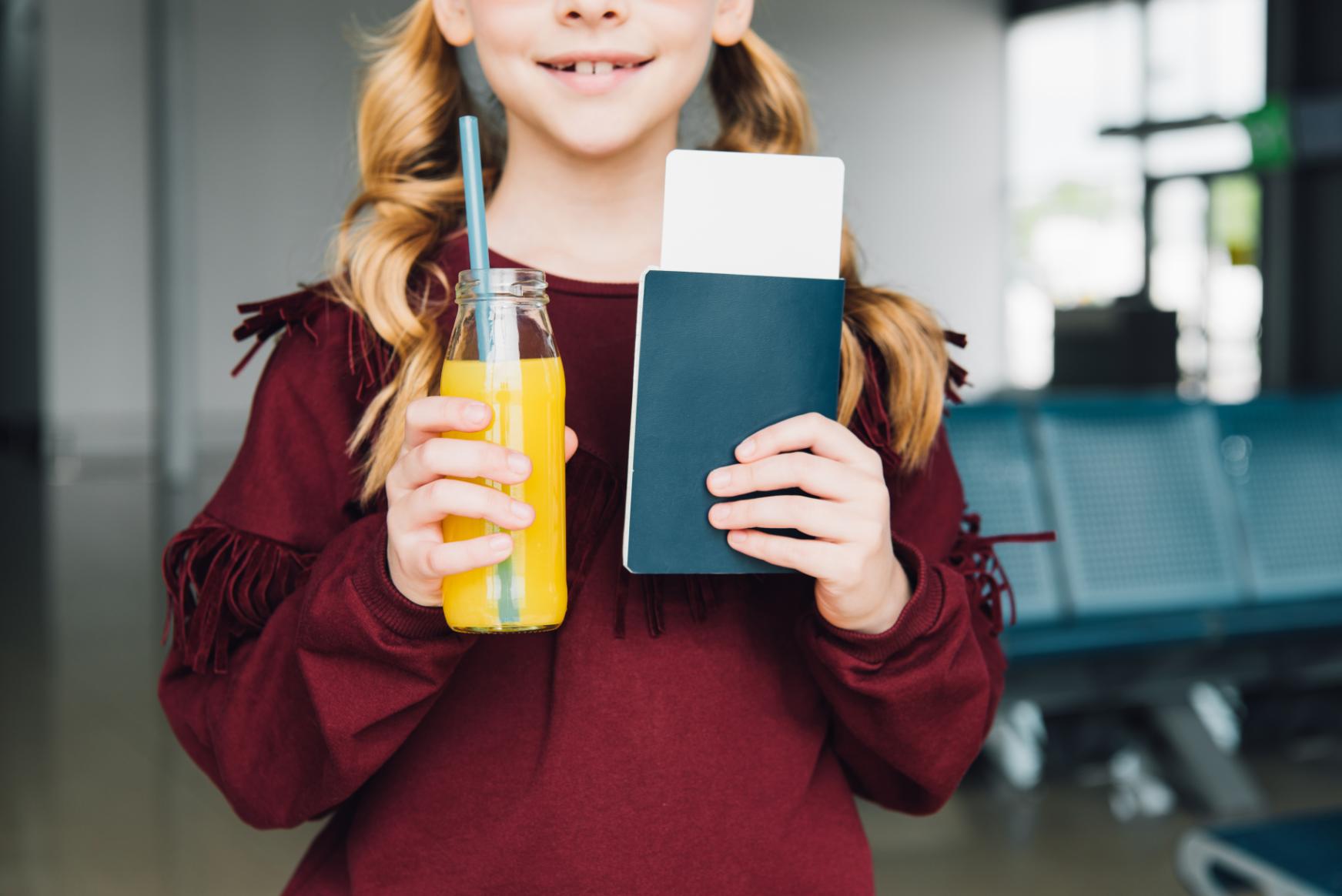
Annie’s Cheddar Bunnies and Goldfish: Yes, These Are Valid
I know some moms feel guilty about crackers. Don’t. Annie’s Cheddar Bunnies (~$4 for a 7.5oz box) and classic Pepperidge Farm Goldfish are genuinely fine snacks that travel perfectly, kids always eat them, and they don’t melt or spoil or explode. Use a small reusable snack bag or a snack catcher cup (the kind with the flexible silicone top) to contain them if you have a toddler who throws things.
Snack catchers are underrated travel gear, by the way. They’re around $8-$10 at Amazon or Target. Put crackers or puffs in one and hand it over. Kids can reach in and pull out crackers one at a time. Very few crackers end up on the floor. Relatively.
RxBars Kids: For the Older Crowd
For kids five and up, RxBar Kids bars (around $1.80-$2 each, available at most Target and Whole Foods stores) are compact, genuinely filling, and made from egg whites, dates, and nuts, so actual food, not a sugar delivery vehicle shaped like a bar. They come in flavors like Berry Blast and Chocolate Chip. My kids call them “special bars” and treat them like a reward, which I actively encourage.
These are also great for you to eat when you’re too frazzled to think about your own snacks, which will happen. It will always happen.
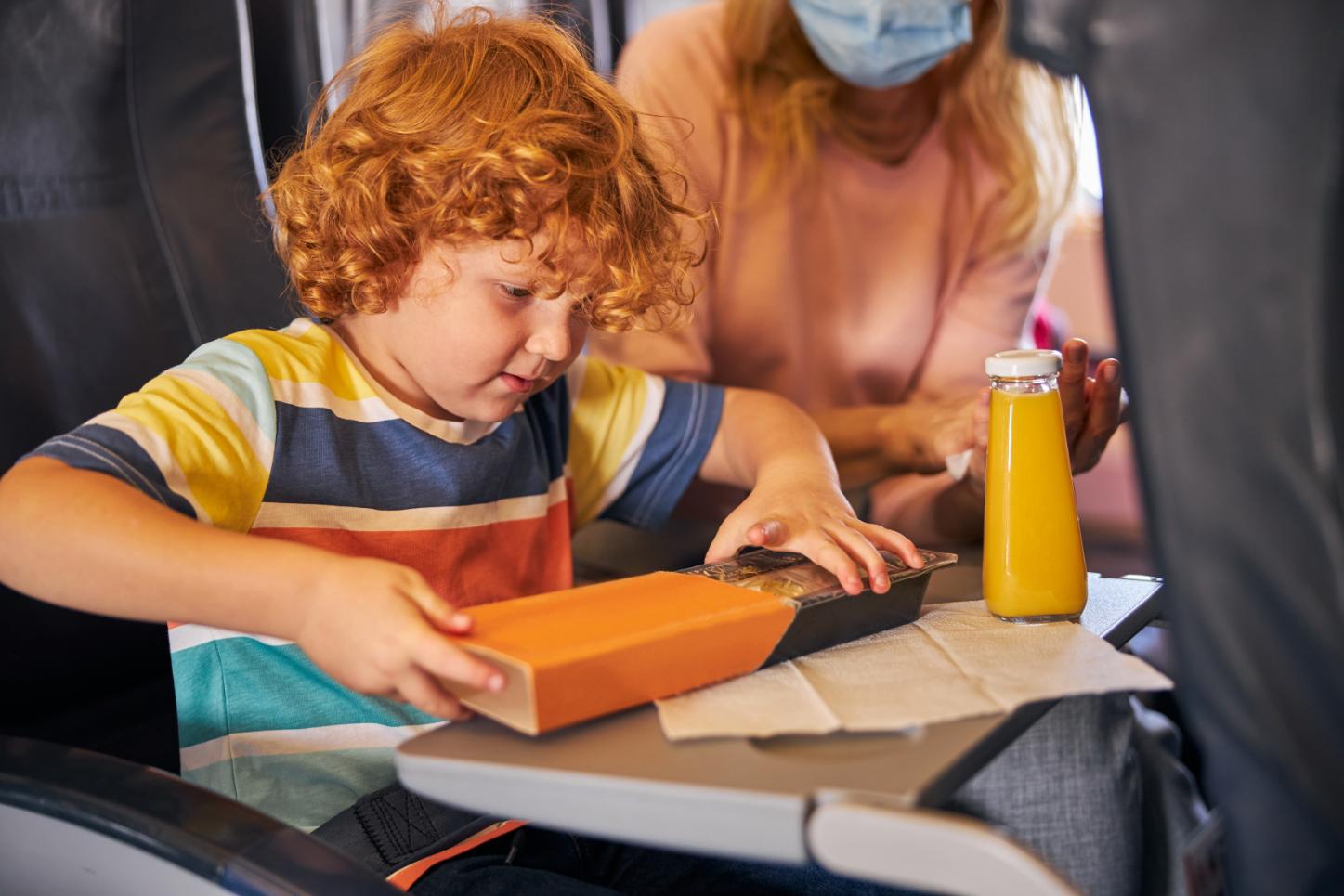
Rice Cakes: Underestimated, Extremely Useful
Plain or lightly flavored rice cakes, Quaker Quakes cheddar mini rounds or Lundberg organic ones, are crunchy without being crumbly, have a long shelf life, and come in individual serving bags. Kids can eat them slowly, they’re not too filling, and they don’t leave sticky residue on seats or fingers. For a toddler, pair with a squeeze pouch for a whole mini meal.
What to Skip (Even If It Seems Like a Good Idea)
Hummus cups with dip able vegetables. I know. I know they seem healthy and sophisticated. But hummus goes everywhere when kids are in a moving vehicle or on a turbulent flight. Carrots roll. Celery is too crunchy and echoes in a small airplane cabin. Save it for a picnic on the ground.
Juicy fruit in containers. Watermelon, strawberry slices, anything with liquid. These spill. They stain. They attract bugs on road trips. They smell after a few hours in a bag.
Anything requiring two hands to open. If you need scissors to open it, your child cannot self manage it, and self management is the entire goal of travel snacks. Buy the individual bags. Pre open things at home. Repackage if needed.
Super salty snacks in high quantities. Salt makes kids thirsty, thirsty kids need more bathroom trips, and more bathroom trips on a six hour flight is the actual definition of suffering.
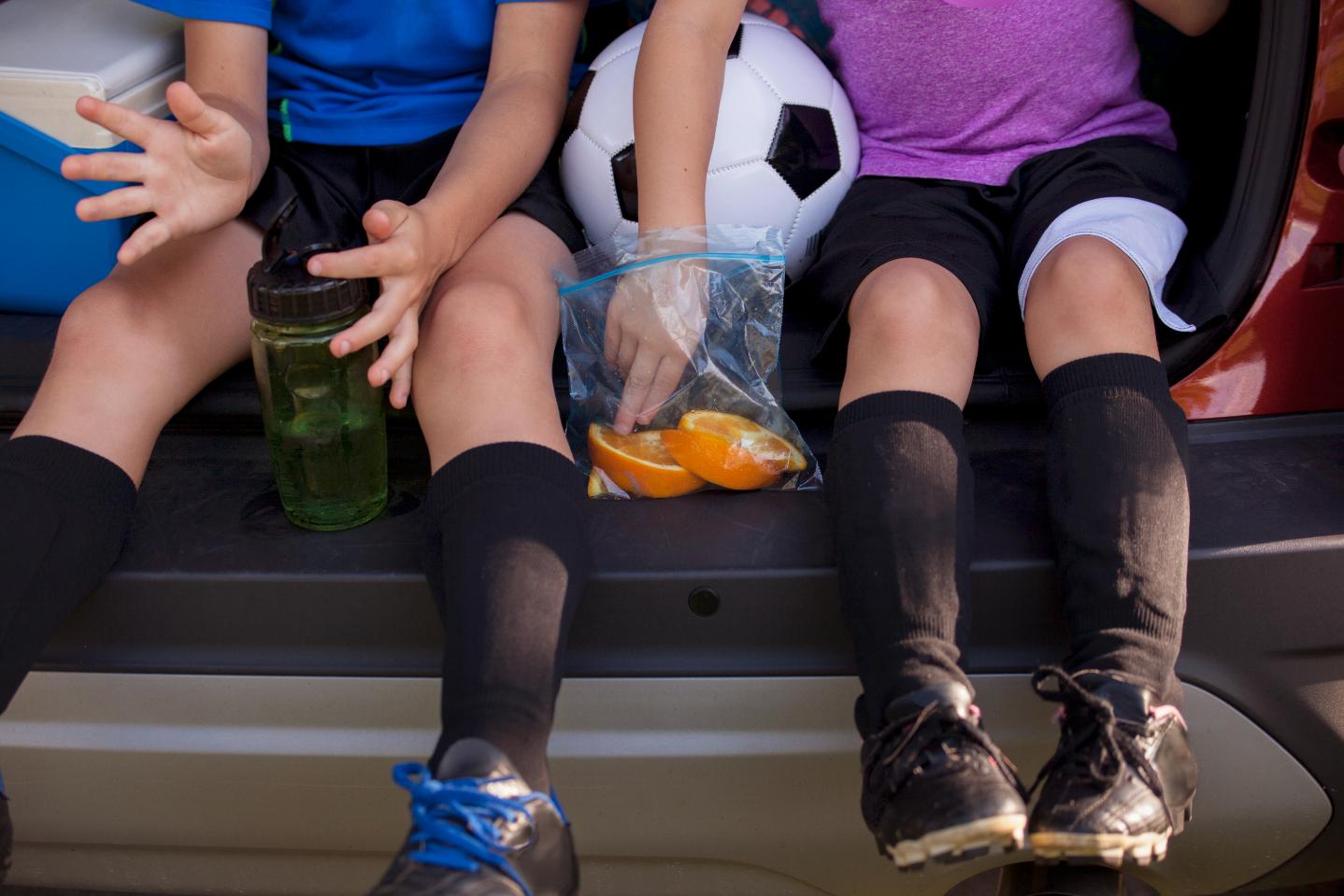
How to Pack It All Without Losing Your Mind
Get one dedicated snack bag, a clear, zippered pouch or a small soft cooler, and fill it before you leave the house. Keep it separate from your main bag so you can grab it without unpacking everything in the overhead bin.
Layer it smart: bottom goes the heavier items (bars, Babybel), top goes the easy grab stuff (pouches, freeze dried bags, crackers). Pack one “special” snack per kid that they don’t know about and that you reveal when things are going sideways. This is your nuclear option. Deploy wisely.
For road trips, a small Igloo soft cooler (around $20) sitting in the footwell of the back seat is ideal. Kids can self serve without you stopping or twisting around. Less chaos, fewer stops, more miles.
Do’s and Don’ts for Travel Snacks with Kids
| Do's | Don't |
|---|---|
| Pack twice as much as you think you need | Rely on airport or gas station options alone |
| Use snack catcher cups for toddlers | Bring loose crackers without a container |
| Declare food pouches at TSA security | Try to sneak oversized pouches through without declaring |
| Include a "special" snack for emergencies | Use up the special snack immediately after boarding |
| Choose protein + carb combos for longer fullness | Pack only sugar heavy snacks that crash fast |
| Bring a small ice pack in an insulated bag | Assume cheese will be fine in a regular bag all day |
| Pre open packaging at home where possible | Hand a sealed RxBar to a five year old on a plane |
| Bring more napkins than you think you need | Use the airline napkins, there are never enough |
| Let kids pick one snack to add to the bag | Let kids pick all the snacks, sugar parade guaranteed |
| Pack snacks in a separate easy access bag | Bury snacks under clothes in your main luggage |
FAQs About Travel Snacks for Kids
Can I bring food pouches through TSA security for my toddler?
Yes. TSA allows food pouches for children in quantities over the standard 3.4 oz liquid limit. You need to declare them at security, just tell the officer you have kids’ food before you put your bag on the belt. They’ll screen them separately, usually with a quick swab or secondary X ray. Takes an extra minute or two, totally fine.
How long can cheese sticks stay unrefrigerated?
String cheese and Babybel rounds can safely stay out for about four hours. If your travel day is longer, bring a small ice pack in an insulated bag. Don’t leave them in a hot car, anything above 90°F degrades fast.
What’s the best snack for a toddler on a long flight?
Squeeze pouches, freeze dried fruit packs, and puffs or rice cakes. These three cover the basics: something filling, something fun, something crunchy. Rotate them throughout the flight so there’s always something “new” to offer when the boredom sets in, which it will, usually around hour two.
Are snack pouches healthy for kids?
Depends entirely on the brand. Plum Organics, Happy Tot, and Once Upon a Farm pouches are made from real fruit and vegetables with no added sugar. Avoid anything with “fruit punch” or “juice blend” in the name, those are usually just sugar water with coloring. Check the ingredient list: if it starts with fruit or vegetable puree, you’re good.
What do I do if my kid refuses every snack I packed?
First: do not panic. Second: go to your nuclear snack. If you didn’t bring one, airport convenience stores usually have a few reliable options, Goldfish, apple sauce pouches, string cheese. Worst case, most airlines sell snack boxes on longer domestic flights. Third: breathe. This is temporary.
How do I keep snacks organized during a road trip?
A soft cooler in the back seat footwell, accessible to kids, changes everything. Divide snacks into small zip lock bags or silicone pouches labeled by kid. This prevents the “but she got MORE” argument, which is a travel tradition as old as the station wagon.
Is popcorn safe for toddlers on planes?
For kids under four, avoid popcorn, it’s a choking hazard. For older kids, pre packaged mini bags like SkinnyPop are fine. Don’t bring loose popcorn, the smell and mess in an enclosed space is genuinely antisocial behavior.
What snacks should I buy specifically for the airport?
If you didn’t pack enough (it happens), most major airports now have decent options past security. Look for: string cheese, Larabars, individual guacamole packets with crackers, or a banana. Skip the overpriced trail mix bags, they’re like $9 and half of it is raisins nobody wants.