
Introduction
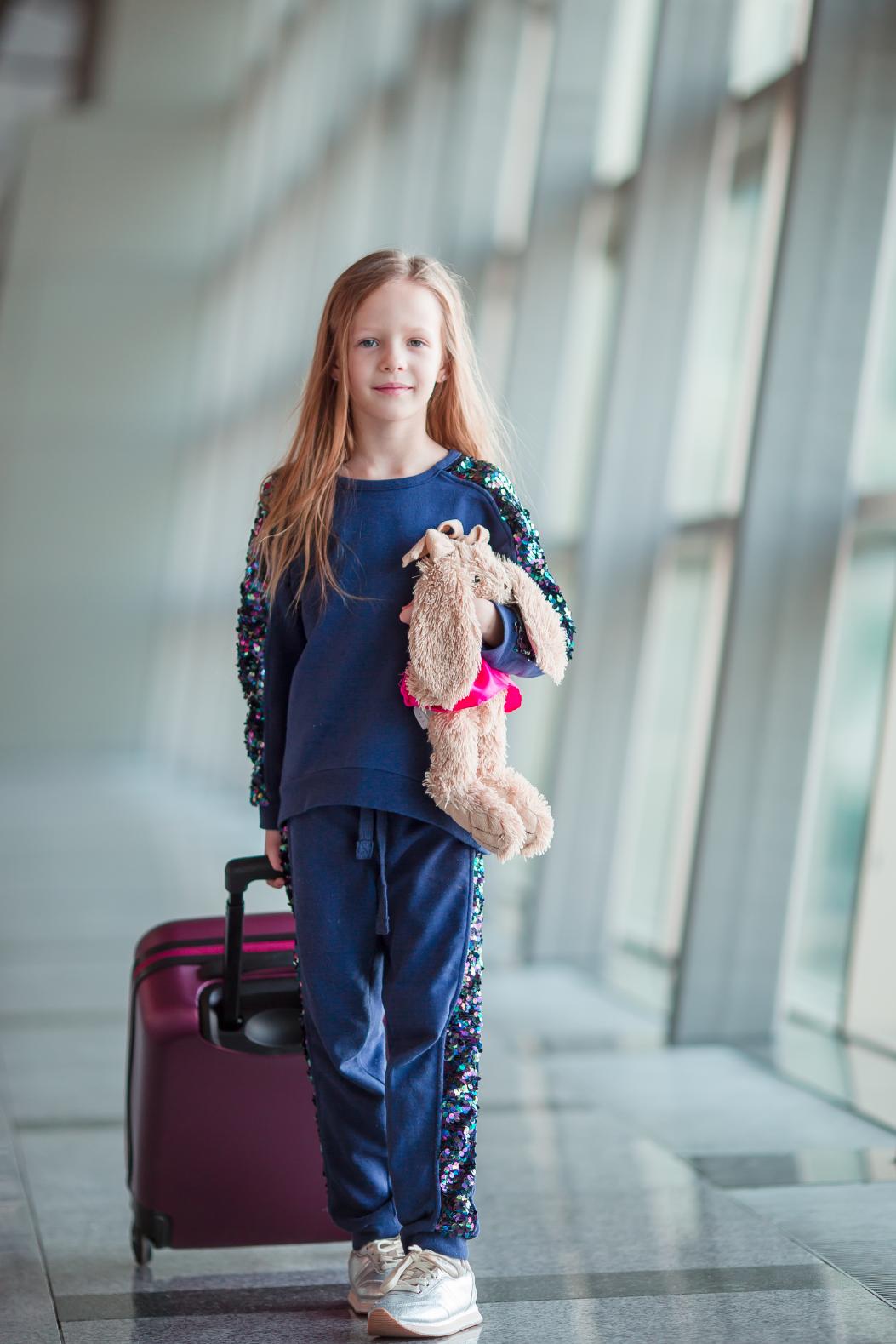
You planned this trip for months. You researched the hotel, packed the perfect snacks, downloaded three new episodes of Bluey, and promised yourself this vacation would be different. Then you’re standing in the middle of a busy airport terminal, your two year old is face down on the floor screaming because you wouldn’t let her carry the suitcase that weighs more than she does, and every stranger in a fifty foot radius is staring at you. Welcome to the toddler meltdown while traveling experience, and for what it’s worth, every parent reading this has been there.
Here’s the truth nobody puts on their travel Instagram: toddler meltdowns on vacation are not a sign that you’re failing. They’re not a sign that your child is a difficult toddler or that travel is a bad idea. They are a completely predictable result of putting a small person who has zero impulse control into an environment filled with new sounds, broken routines, strange food, and way too much stimulation. Once you understand why it happens, you can stop dreading it and start actually managing it. This guide covers everything, from the pre trip prep that genuinely helps, to surviving a meltdown mid flight at 30,000 feet with your dignity mostly intact.
Why Toddlers Melt Down More on Vacation
Before you can calm a toddler on vacation, you need to understand what’s actually going wrong in their little nervous system. Toddlers are creatures of routine in a way that most adults underestimate. When they wake up in the same bed, eat at the same time, and follow the same general rhythm every day, their brains feel safe. Travel blows all of that up at once.
Think about what a travel day actually involves: an early wake up, unfamiliar food (or no food, because the airport line took forever), a loud and chaotic environment, strangers everywhere, and usually a disrupted nap. Add in the physical discomfort of ear pressure on a plane or sitting still in a car seat for four hours, and you’ve got a perfect storm. Toddlers also haven’t developed the emotional vocabulary or the coping skills to process all of this. So they do the only thing they know how to do, they fall apart. It’s not manipulation. It’s not bad behavior for the sake of it. It’s a child reaching their absolute limit and their brain shutting down the higher order functions. Understanding this won’t make the meltdown stop mid scream, but it will help you respond with a lot more patience than panic.
Pack for the Meltdown, Not Just the Trip
The biggest mistake parents make is packing for the vacation and forgetting to pack for the journey. Your carry on or day bag needs a dedicated meltdown kit, and no, this is not dramatic.
Start with snacks, and pack more than you think you need. Hunger is the single fastest trigger for toddler meltdowns on travel days. Keep them accessible, not buried at the bottom of the bag. Think string cheese, pouches, crackers, grapes, and a couple of treats you save only for true emergencies. A new small toy that your child has never seen before can buy you twenty minutes of peace when nothing else works, the novelty alone resets their brain. A set of sticker books, a small figurine, or a toddler Magna Doodle are all lightweight and genuinely effective. Headphones sized for toddlers are also worth every penny if you’re flying, load up a tablet with downloaded shows so you’re not dependent on airport WiFi. Pack a change of clothes for both of you in the carry on, because spills and accidents happen most on the days you’re least prepared for them.
The Pre Trip Prep That Actually Prevents Meltdowns
Managing toddler tantrums during travel starts before you even leave the house. One of the most effective things you can do is talk your child through what’s about to happen, in toddler level detail. “First we go in the car. Then we go on a big airplane. Then we see grandma.” Toddlers handle transitions better when they see them coming. Surprise is not your friend.
Try to protect sleep in the days leading up to the trip. A well rested toddler is a more resilient toddler, full stop. If you can time your flight to overlap with their nap window, do it. Red eye flights work for some families because toddlers sleep through most of the journey. Adjust meal timing where you can so they’re not arriving at the airport either starving or just having eaten a massive meal. And if your child tends toward sensory sensitivity, give yourself extra buffer time everywhere, rushed transitions in noisy places are the fastest path to a meltdown.
How to Handle a Meltdown at the Airport
You’re at security and your toddler has decided this is the moment to lose all composure over having to take off her shoes. First: breathe. Getting visibly stressed yourself will escalate the situation, not contain it. Your nervous system is contagious to your child, when you’re calm, it signals safety. When you’re panicked, it confirms that everything is, in fact, terrible.
Get down to their level, literally crouch or kneel so you’re eye to eye. Speak in a low, slow voice, not a loud one. Acknowledge what they’re feeling before you try to redirect or fix anything. “You’re really upset right now. This is really hard.” Those two sentences do more than you’d expect. They’re not magic, the meltdown won’t stop instantly, but they signal to your child that you understand them, which is the beginning of co regulation. Once they’re slightly calmer, offer a simple choice: “Do you want to carry your shoes or should I?” Choice gives them a tiny bit of control back, and that’s often what they need.
If there’s space to move away from the crowd, do it. A slightly quieter corner reduces the stimulation overload. And if people are staring, and they will be, remind yourself that every single parent in that airport has lived this or will live this. You don’t owe anyone an explanation or an apology.
Surviving a Meltdown on the Plane
A toddler meltdown on a plane is the one that sends most parents into a cold sweat, because you’re trapped in a metal tube with nowhere to go. Here’s what actually helps.
If the seatbelt sign is off, walk the aisle. Movement is genuinely regulating for toddlers, it releases physical tension and gives their brain something new to process. Most flight attendants are sympathetic; just ask if it’s okay to walk. If you can’t move, try changing the sensory input in a smaller way: switch from a snack to a toy, take off their jacket, offer water instead of juice. These small environmental changes can interrupt the spiral.
Ear pressure is a real and underrated trigger, toddlers can’t articulate that their ears hurt, so it comes out as screaming, especially during takeoff and descent. Have them drink something (a sippy cup, a nursing session, or even just swallowing snacks) during these moments to help equalize the pressure. A pacifier works for younger toddlers.
Never underestimate the emergency snack. Save one genuinely exciting treat, a lollipop, a fruit pouch they love, a tiny bag of their favorite crackers, for the moment nothing else is working. The novelty of a treat they don’t normally get can interrupt a meltdown that felt unstoppable.
Managing Meltdowns During Road Trips
Travel stress with toddlers in the car is its own category. Being strapped into a car seat for hours is physically uncomfortable and mentally boring for a two or three year old. Build in more stops than you think you need, roughly every 90 minutes to two hours. Even ten minutes at a rest stop to run around, stretch, and eat something makes the next stretch far more manageable.
If a meltdown starts while you’re driving, try a sensory shift first, crack a window, change the music, offer a snack. If the meltdown is full scale, pull over when it’s safe. Trying to manage a screaming toddler from the front seat while driving is both ineffective and genuinely unsafe. Pull off, take a few minutes to get them out of the seat if needed, reset, and then continue. It adds time to your drive, but it’s worth it.
What to Do After the Meltdown
Once the storm has passed and your toddler has calmed, keep things quiet for a few minutes. Don’t revisit what happened or give a lecture, they’re two, not twelve, and they genuinely don’t have the capacity to process a post mortem. Offer comfort, a hug, some water, and then move on as normally as possible. The best thing you can do for your own sanity is to let it go as well. It happened, it’s over, and you all survived.
Take a minute for yourself too. Travel days with toddlers are genuinely hard, and it’s okay to feel wiped out after navigating a meltdown in a public place. Text a friend, take a breath, get yourself a coffee if you can. You’re doing the harder version of this trip, and that deserves some acknowledgment.
Do’s and Don’ts When Your Toddler Has a Travel Meltdown
| Do's | Don't |
|---|---|
| Get down to their eye level | Tower over them and raise your voice |
| Acknowledge their feelings first | Jump straight to fixing or redirecting |
| Offer a simple, limited choice | Give them too many options at once |
| Keep your own voice slow and quiet | Match their energy with loud or stressed responses |
| Move to a quieter space if possible | Stay in the middle of the chaos |
| Use snacks and novelty toys as resets | Save all treats for after the meltdown passes |
| Let the meltdown run its course | Expect an instant stop |
| Stay physically close and calm | Walk away or disengage entirely |
| Use short, clear words and phrases | Explain lengthy reasoning mid meltdown |
| Pre load tablets with offline content | Rely on airport WiFi for entertainment |
| Time flights around nap windows | Book midday flights if your toddler is on a strict nap schedule |
| Pack double the snacks you think you need | Pack only what you need for yourself |
FAQs: Toddler Meltdown While Traveling
Q: Is it actually worth traveling with a toddler if meltdowns are so common?
A: Absolutely yes, the meltdowns are temporary, and the experiences and memories are not. Most parents who travel regularly with their toddlers will tell you that it does get easier with each trip as kids learn what to expect and build more tolerance for disruption. The first trip or two is the steepest learning curve.
Q: How do I prevent meltdowns before they start?
Start with a well rested, well fed child and protect nap times where possible. Talk them through the travel day in simple steps ahead of time. Pack novelty snacks and toys specifically for the trip, not things they see every day. Time transitions around their natural windows of energy and sleep.
Q: My toddler won’t sit still on the plane, what do I do?
A: Expect this and plan for it. Bring a variety of small activities and rotate them every 15-20 minutes before boredom sets in. Walk the aisle when permitted. Use a tablet with downloaded content as your anchor. Accept that it won’t be a peaceful flight, your goal is manageable, not perfect.
Q: How do I handle the stares from other passengers?
A: Remind yourself that you are not responsible for other adults’ feelings about your child being a child. A brief acknowledgment to a nearby passenger goes a long way, a simple “sorry, rough day” is enough. Most people are far more understanding than we expect in the moment.
Q: What’s the best snack to stop a meltdown mid flight?
A: Whatever your toddler loves most and doesn’t get all the time. Novelty is the key factor here, save one genuinely exciting treat specifically for a travel emergency. Fruit pouches, lollipops, and a new flavor of cracker tend to work well because the new sensory experience interrupts the spiral.
Q: My toddler is worse on vacation than at home. Is something wrong?
A: Nothing is wrong, this is completely normal. The disrupted routine, sensory overload, and sleep changes that come with vacation put any toddler’s coping skills under maximum pressure. Most kids regulate better by day two or three once they’ve adjusted to the new environment. Give them (and yourself) grace in those first 24 hours.
Q: Should I avoid traveling until my toddler is older?
A: Only if travel is causing persistent distress for your whole family. Most toddler meltdowns during travel are manageable with preparation, and many parents find that traveling regularly helps their kids become genuinely adaptable travelers by age four or five. The early trips are investment trips, harder in the moment, better in the long run.