Introduction
There’s something that shifts in you when you become a mom and you stand at the edge of some wild, beautiful place, a rainforest trail in Costa Rica, a tide pool in Oregon, a reindeer farm in Finland, and you watch your kid’s face light up in a way that no screen ever managed to pull off. That’s when travel stops being just a vacation and starts feeling like something you want to protect. Not just the moment, but the actual place. The actual world.
Eco friendly family travel isn’t a sacrifice. It’s not about saying no to adventure or stuffing your family into an overcrowded train with a four year old who desperately needs a snack and a nap. It’s about making small, deliberate choices that let your kids fall in love with the planet, and then care enough to look after it. The families doing this well aren’t perfect. They’re just paying attention. And the incredible side effect? Kids who grow up traveling this way become genuinely curious, adaptable, and thoughtful people. That’s not nothing.
Why Eco Friendly Family Travel Actually Matters More Now
Tourism accounts for around 8% of global carbon emissions, and that number climbs every year as more families take international trips. The impact is real, overcrowded national parks in the US, coral bleaching in the Great Barrier Reef, overtourism straining local resources in places like Bali and Barcelona. None of us wants to be part of that problem, especially when we’re dragging our kids to these places and telling them how magical they are.
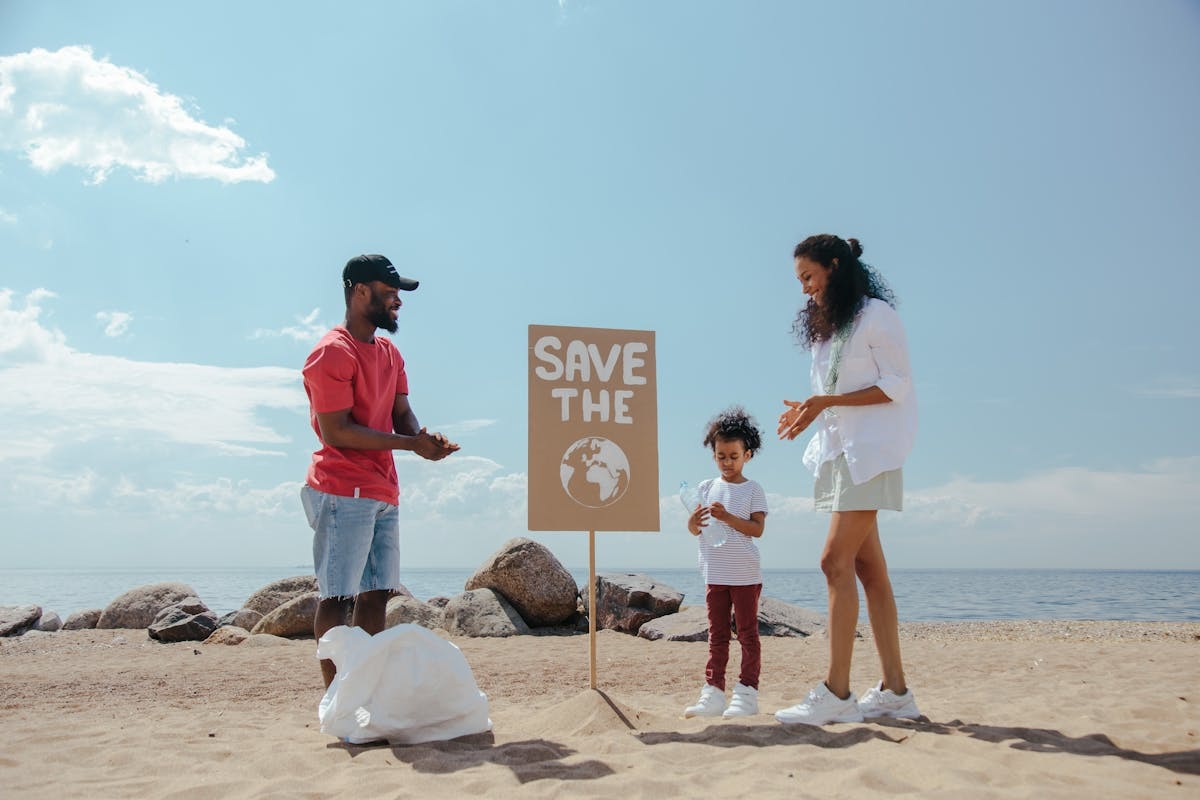
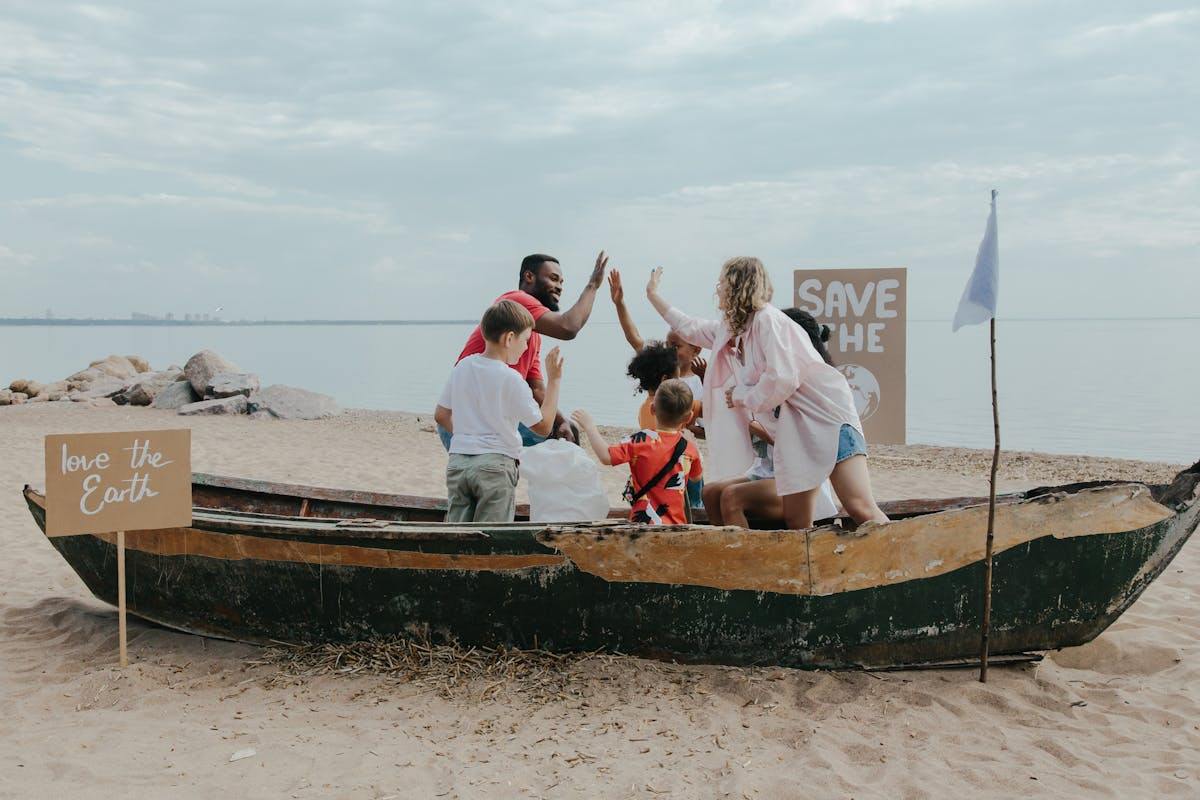
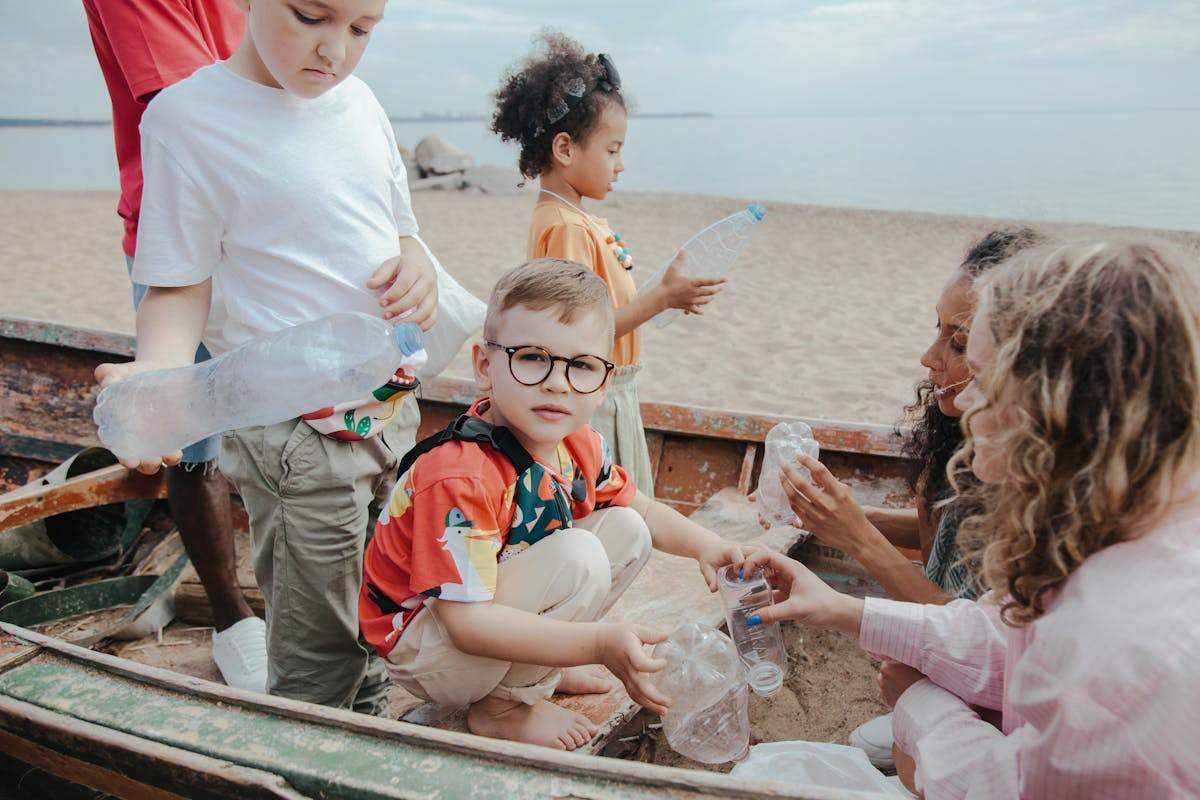
But here’s the flip side: sustainable tourism done right pumps money directly into local communities, protects natural habitats, and creates the kind of authentic experiences that stick with kids far longer than a theme park ever will. Staying at a family run ecolodge in the Amazon, taking a guided night walk with a local naturalist in Monteverde, or joining a beach clean up in Portugal, these aren’t just nice travel memories. They’re the kind of things that shape how your kid understands their place in the world.
The shift toward responsible travel families isn’t a trend. It’s a response to real consequences. And it’s one your whole family can actually enjoy.
Choose Transportation That Does Less Damage
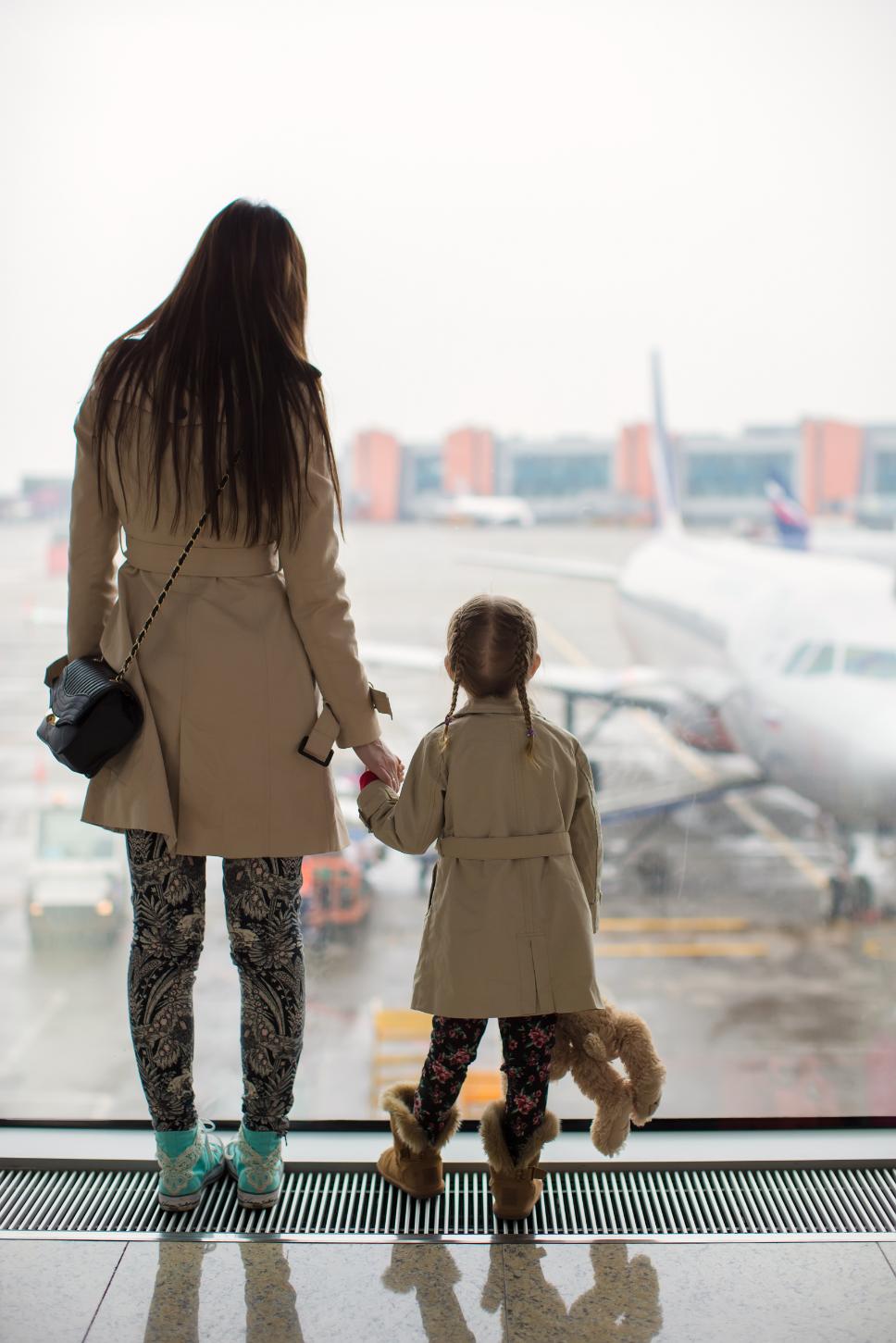
Transportation is where most of a family trip’s carbon footprint lives. Flights are the biggest contributor, a round trip transatlantic flight for a family of four can produce roughly the same emissions as driving a car for six months. That doesn’t mean you never fly. It means you think before you do.
When you can, train travel is a solid win for sustainable travel with kids. Eurostar between London and Paris takes about two and a half hours and generates around 90% fewer emissions than the equivalent flight. Amtrak’s Coast Starlight from Seattle to Los Angeles turns two days into a rolling adventure, kids can watch the Pacific Ocean slide by, eat in a dining car, and sleep in little bunks. Night trains across Europe are having a serious comeback, and they’re genuinely fun for families who treat the journey as part of the trip.
For road trips, an electric vehicle cuts tailpipe emissions to zero, and charging stops are getting faster and more common across the US and Europe. If you’re renting, ask specifically for hybrid or EV options, most major rental companies now carry them. When you do fly, direct routes use less fuel than connecting flights, and some airlines like KLM and Air France now publish per passenger emissions data so you can compare options before you book.
Pack Light, Pack Smart, Pack Reusable
A family travel kit for eco friendly trips doesn’t have to be complicated. The non negotiables are reusable water bottles (one per person, Hydro Flask and Nalgene both hold up to years of kid abuse), a compact set of bamboo or stainless steel cutlery, a few lightweight reusable bags, and reef safe sunscreen if you’re anywhere near the ocean.
Shampoo bars and conditioner bars replace a pile of plastic bottles and they last longer. Solid sunscreen sticks are cleaner for coral reefs than spray formulas. Beeswax wraps and small silicone bags handle snacks without the zip lock waste. None of this is expensive or hard to find, you can get most of it on Amazon or at Target before you leave.
The other piece of packing smart for green family vacation ideas is packing less overall. Lighter luggage uses less fuel on planes and makes you more likely to use public transportation instead of taxis. Teach your kids to build a travel wardrobe around mix and match pieces. My daughter has a rule: every item in her pack has to go with at least two other things in it. She’s seven, and she came up with this herself after I explained why we were packing lighter. Kids are remarkably rational when you explain the actual reason, not just “because I said so.”
Choose Where You Stay Carefully
Not all “eco” labels mean the same thing. Some hotels slap a leaf logo on their branding without changing much of anything. The certifications worth looking for are Green Key (widely used in Europe and the Caribbean), EarthCheck, or the Rainforest Alliance certification for Central and South America. Costa Rica’s CST (Certificate for Sustainable Tourism) is one of the most rigorous in the world, if a lodge has it, they’ve earned it.
Beyond certifications, look for small, locally owned accommodations over international chains. Your money stays in the community, the food is usually local, and the experience is almost always more interesting. A family run guesthouse in Oaxaca, Mexico will serve you mole that has nothing to do with a hotel restaurant menu. An ecolodge in the Monteverde cloud forest will have a naturalist on staff who can take your kids on a night hike to spot kinkajous. These aren’t backup options, they’re often the best part of the trip.
If you’re doing vacation rentals, look for hosts who mention solar panels, composting, or local sourcing. Many list this in their property descriptions. It takes two extra minutes to check and it matters.
Turn Your Trip Into Eco Tourism for Kids
The difference between a trip that raises an eco conscious kid and one that doesn’t often comes down to intentionality. You don’t have to turn every meal into a sustainability lecture. But you can frame what you’re doing in ways that land.
When you pick a snorkeling spot in Hawaii, tell your kids about coral bleaching before you go, they’ll be more careful about where they put their hands and feet. When you visit a national park, involve them in the Leave No Trace rules so they feel ownership over it, not just constraint. When you stop at a local farm stand in Vermont or a morning market in Chiang Mai, talk about why you’re buying there instead of a supermarket chain.
Conservation projects specifically designed for eco tourism kids are also worth seeking out. The Junior Ranger program at US National Parks is free and genuinely engaging, kids earn a badge by completing activities tied to that specific park’s ecosystem. In Costa Rica, several eco lodges offer guided wildlife release programs where families can participate in releasing sea turtle hatchlings. In New Zealand, many conservation areas have community restoration projects that welcome families for a morning of native tree planting.
These activities don’t feel like homework. They feel like access, like your kid is being let into something real, not just watching it through a gift shop window.
Support Local Everywhere You Go
This one is simple and it stacks up fast. Eat at locally owned restaurants instead of chains. Hire local guides instead of booking through international platforms that take a cut. Buy souvenirs made by local artisans, not mass produced imports. Stay at guesthouses and small hotels, not resort chains where profit leaves the country.
Responsible travel families understand that tourism dollars are a tool. When they flow to local communities, they create incentives to protect the wildlife and landscapes that drew tourists there in the first place. When they flow out to multinational corporations, they don’t. That’s not political, it’s economics. And it’s something you can explain to a ten year old on the way to dinner.
A practical tip: before any trip, do fifteen minutes of research on locally owned restaurants in the area using Google Maps (filter by independently owned) or Yelp, and look for guides through local tourism boards rather than major booking platforms. In many destinations, you’ll pay less and get more.
Do’s and Don’ts for Eco Friendly Family Travel
| Do's | Don't |
|---|---|
| Pack reusable water bottles for every family member | Buy single use plastic bottles at airports or hotels |
| Choose trains and buses when flying isn't necessary | Book connecting flights when a direct route exists |
| Look for Green Key, EarthCheck, or CST certified stays | Trust "eco" labels without checking the certification |
| Hire local guides for nature and wildlife experiences | Book all activities through large international platforms |
| Use reef safe sunscreen at beaches and snorkeling spots | Use aerosol or chemical sunscreens near coral reefs |
| Pack light and teach kids to choose mix and match outfits | Overpack and rely on checked baggage on every trip |
| Eat at locally owned restaurants and markets | Default to chain restaurants or hotel buffets |
| Involve kids in Leave No Trace principles at parks | Let kids (or yourself) pick plants, disturb wildlife, or litter |
| Research wildlife experiences that support conservation | Book animal encounters at places with no accreditation |
| Offset your flight carbon through a verified program like Gold Standard | Ignore your trip's emissions with no mitigation |
FAQs About Eco Friendly Family Travel
Is eco friendly family travel more expensive?
Not necessarily. Train travel in Europe is often cheaper than flying once you add in baggage fees and airport transfers. Locally owned guesthouses frequently cost less than chain hotels. The reusable gear has upfront costs but pays for itself quickly, you’re not buying plastic bottles and single use items at every stop. Some certified ecolodges are premium priced, but budget friendly options exist, especially if you book directly rather than through third party platforms.
What are the best eco friendly destinations for families with young kids?
Costa Rica is the gold standard, incredible biodiversity, strong infrastructure for families, and some of the most rigorously certified eco tourism in the world. Iceland runs on nearly 100% renewable energy and has dramatic landscapes that genuinely awe kids of any age. New Zealand’s South Island offers everything from glacier hikes to wildlife reserves with strong conservation credentials. For US families, the Pacific Northwest, particularly Olympic National Park and the Columbia River Gorge, is underrated and stunning.
How do I explain sustainability to young kids without overwhelming them?
Keep it concrete. Instead of talking about climate change in abstract terms, say “we use reusable bottles so we don’t leave plastic behind for the fish” or “we take the train because it uses way less fuel than the airplane.” Kids respond to specifics. The Junior Ranger program at US national parks is brilliant for this, it frames conservation as an adventure, not a lesson.
Can I still fly and travel sustainably?
Yes. Flying less is better, but flying smarter is realistic. Direct routes, economy class (which has a lower per passenger footprint than business), and verified carbon offset programs, look for Gold Standard or Verra certified offsets, all reduce the impact. The goal isn’t perfection. It’s being thoughtful.
What reusable items should every family pack for sustainable travel?
A reusable water bottle per person, a compact set of bamboo or stainless steel cutlery, a few lightweight tote bags, reef safe sunscreen, shampoo and conditioner bars, and a small silicone bag for snacks. That’s genuinely all you need to eliminate the majority of single use waste on a typical family trip.
How do I find legitimately eco friendly accommodations, not just greenwashed ones?
Look for third party certifications: Green Key, EarthCheck, Rainforest Alliance, or Costa Rica’s CST. Read reviews on TripAdvisor or Booking.com specifically for mentions of solar power, composting, locally sourced food, and water conservation. If an eco label is self declared with no certification details, dig a little deeper before trusting it.
Are wildlife experiences okay for eco tourism with kids?
Some are excellent, some are harmful. The ones worth doing are sanctioned wildlife releases, sea turtle conservation programs, certified wildlife reserves, and national park ranger programs. Avoid any experience where you ride, touch, or handle wild animals for entertainment, elephant riding, tiger selfies, and similar activities are almost always harmful, regardless of how they’re marketed. Ask specifically what the facility’s conservation mission is and whether it’s accredited.
What’s the easiest first step for a family just starting to travel more sustainably?
Pack reusable water bottles and ditch single use plastic on your next trip. It’s a small, visible change your kids will notice and remember. From there, try one locally owned restaurant instead of a chain, and one activity that’s guided by a local expert. You don’t have to overhaul everything at once. Start where you are.
Image Tags
- family hiking through rainforest trail with kids
- mother and children using reusable water bottles at beach
- kids on scenic train journey through mountains
- family at local farmers market abroad
- children participating in beach clean up activity
- eco lodge in tropical forest with family
- young child looking at coral reef while snorkeling
- family packing light sustainable travel gear
- kids earning junior ranger badge at national park
- mother and children walking through European old town street
Blog Tags
eco friendly travel, sustainable travel with kids, green family vacation, eco tourism, responsible travel, family travel tips, travel with children, environmental parenting, nature travel, conscious travel