Introduction
The first time I seriously looked up flights to Europe with my two kids, a four year old and a barely two year old, I had about forty browser tabs open and a growing sense of dread. Everyone kept sending me Pinterest boards full of sun soaked piazzas and cobblestone streets, and all I could think was: there is no way I’m pushing a stroller over those cobblestones for ten days. Europe with kids sounded beautiful in theory and absolutely exhausting in practice.
But here’s what I discovered after actually doing it: Europe is one of the most family friendly travel regions in the world, if you pick the right cities. The ones that make the top of this list aren’t just pretty for Instagram. They have flat, walkable streets. Metro systems that fit strollers. Playgrounds around every corner. Kids’ menus that aren’t just sad chicken nuggets. Cultures where children are genuinely welcome, not just tolerated. Once I stopped trying to cram in everything and started picking destinations built for slow, kid paced exploration, this trip became one of the best things our family has ever done.
Why Europe Is Actually Great for a First Family Trip Abroad
Before we get into specific cities, let me say something that nobody warned me about: Europe is shockingly good at the logistics of family travel. Public transit in most major cities is stroller accessible, with dedicated spaces on trams and metros. Kids often ride free, Amsterdam lets under 4s travel at no cost, Vienna has free transit for kids under 6 on weekdays and under 15 on Sundays. Playgrounds aren’t an afterthought; they’re tucked next to palaces, in the middle of public gardens, on rooftops. And child friendly meal culture means your picky eater is more likely to find something they’ll eat in a Portuguese café than in a mid range US airport restaurant.
For a first Europe trip with kids, the sweet spot is picking two to three cities max, staying at least three nights each, and building days that mix one big landmark with one totally unstructured afternoon. Kids don’t care about seeing seven museums. They care about gelato, that cool boat they spotted on the canal, and whether the hotel has a bathtub.
Amsterdam, Netherlands: Flat, Fun, and Built for Strollers
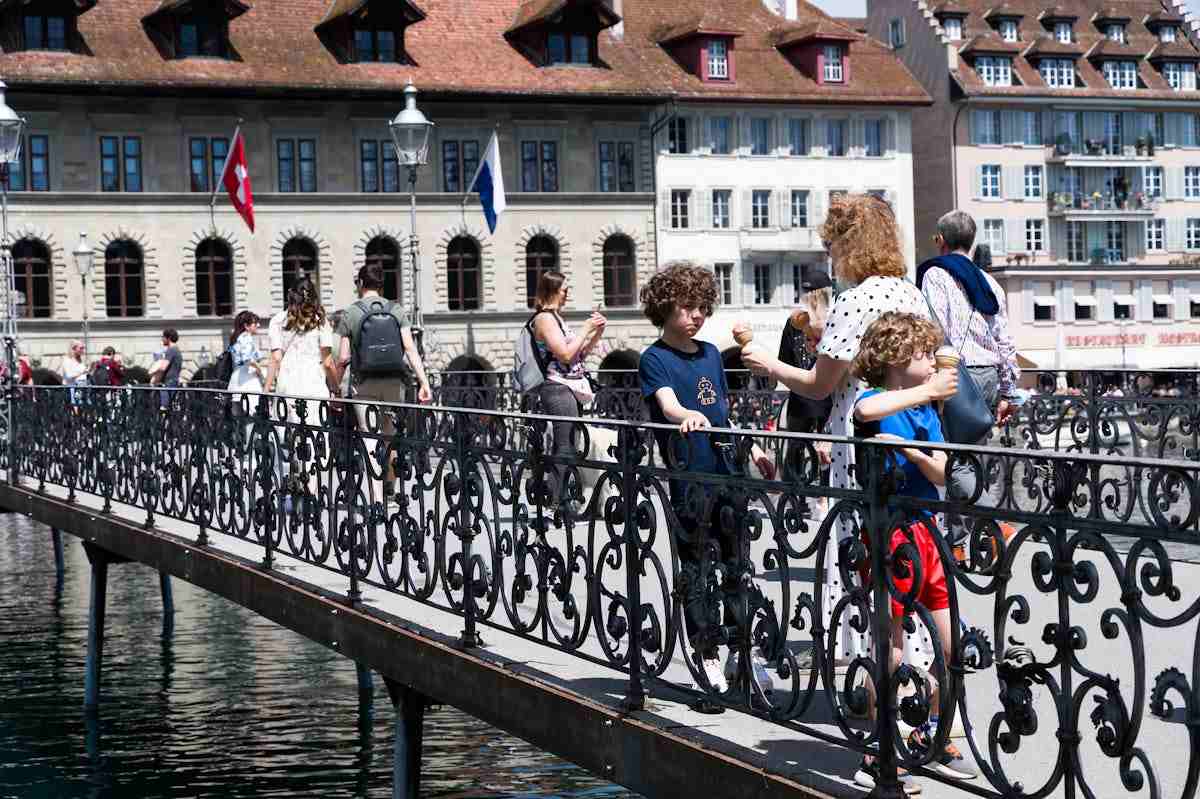
Amsterdam is the city that convinced me Europe with kids was actually doable. The whole city is flat, genuinely flat, which sounds minor until you’ve spent a morning in Lisbon’s hills with a 25 pound toddler on your hip. The trams and buses are stroller friendly, and you can even wheel a pram onto canal boats. Kids under 4 ride public transit free.
The Artis Royal Zoo is a highlight the whole family enjoys: it has an aquarium, planetarium, and a large open playground, and they offer little trolleys for tired legs. Vondelpark has a splash pad (Kinderbadjes) with stepping stones, my four year old spent an entire afternoon there while I actually sat down and drank coffee. The Rijksmuseum runs regular kids’ activities and is fully stroller accessible. And the canals themselves are genuinely magical for little ones; there’s something about water and boats that keeps kids entertained in a way that no museum can replicate.
One real tip: watch the bike lanes. This is not a joke. The cycling infrastructure in Amsterdam is so well developed that tourists, adults and kids alike, regularly step into a bike lane without looking. Hold little hands near any street and stay in the pedestrian zones. Once you’ve figured that out, the city is incredibly easy to move around.
Best for: Toddlers and preschoolers. Flat terrain, open parks, easy transit.
Stay: 3-4 nights. Base yourself near Vondelpark for easy access to green space.
Copenhagen, Denmark: The Tivoli Factor Is Real
Copenhagen kept coming up in every family travel forum I read, and once I understood why, it made complete sense. The city is compact and incredibly easy to navigate. It has 125 nature themed playgrounds, a metro system that actually fits strollers, and Tivoli Gardens, which is not just a theme park but one of the most genuinely delightful places I’ve taken my kids in any country.
Tivoli is the difference between an amusement park and a garden that also happens to have rides. You walk through manicured gardens between attractions. There are rides calibrated for every age, from small carousel style options for toddlers to bigger rides for older kids. The unlimited armband costs around 120 DKK and is worth it. Get there early and book restaurants in advance, the food situation inside gets chaotic around 6pm. Download the Tivoli app before you go so you’re not fumbling at the gate.
Beyond Tivoli, the Copenhagen children’s museum at Nationalmuseet is outstanding, and the harbor area around Nyhavn is visually stunning even for kids who have no interest in “sightseeing.” The colored townhouses and boats are the kind of thing that shows up in every family photo and genuinely impresses even a jaded four year old.
Copenhagen is pricier than other cities on this list. Budget wise, a family of four should expect to spend more here than in Lisbon or Vienna. But the ease of getting around, the cleanliness, and the fact that kids are treated as actual people in restaurants and public spaces makes it worth the splurge.
Best for: All ages, especially kids who love the outdoors and rides.
Stay: 3 nights minimum. Prioritize a hotel within walking distance of Tivoli.
Lisbon, Portugal: Europe’s Warmest Welcome for Families
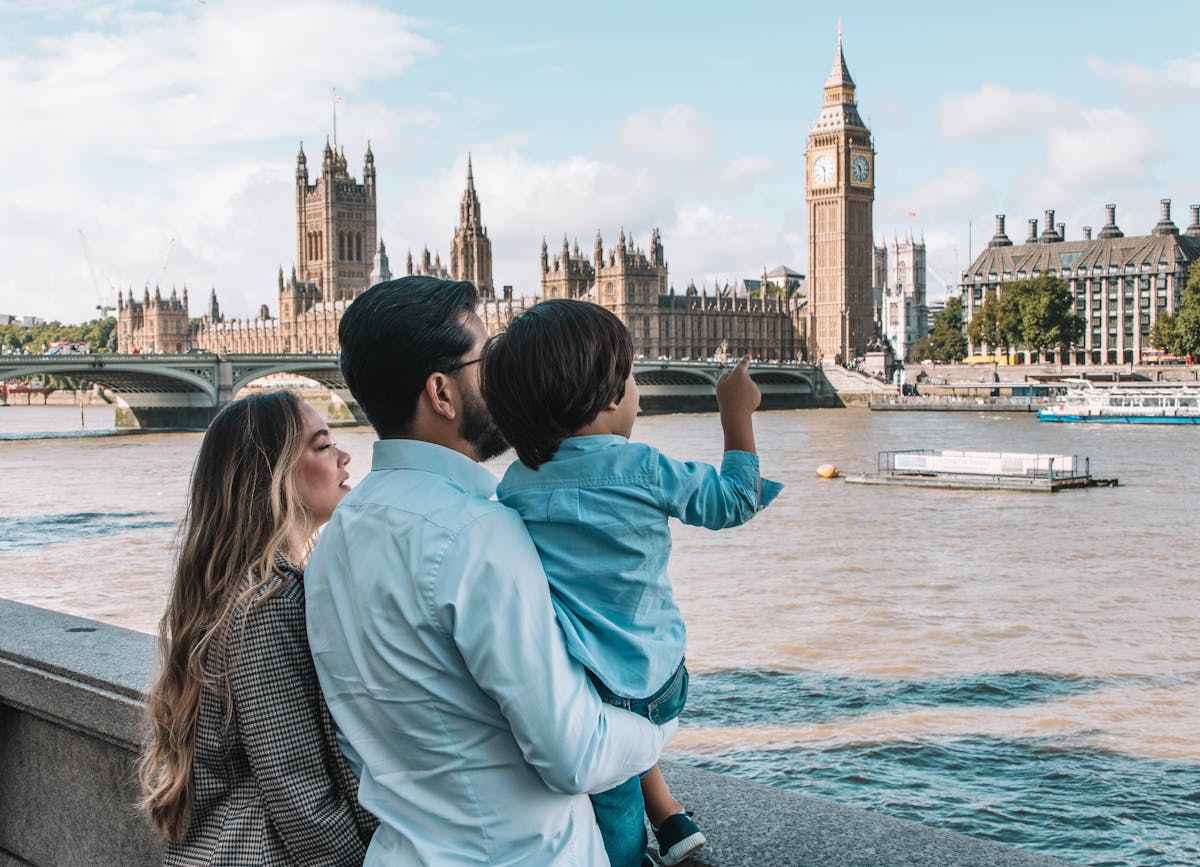
Portugal’s culture centers the family in a way that feels genuinely different from other countries. Kids are welcome everywhere, restaurants, cafés, even late evenings at casual spots. Lisbon specifically is one of those cities where you never feel like you’re an inconvenience for traveling with children.
The hills are the only real challenge. Lisbon is famously hilly, and if you’re pushing a stroller, you’ll need to plan routes carefully or embrace the baby carrier. The metro is mostly stroller accessible, and the iconic funiculars and tuk tuks are actually a selling point for kids, riding a historic tram up a steep hillside is adventure enough for a morning.
The Lisbon Oceanarium in the Parque das Nações neighborhood is worth the trip alone. It houses over 15,000 marine animals and is genuinely one of the best aquariums in Europe. Admission runs about €22 for adults and €15 for kids 3-12. The science museum Pavilhão do Conhecimento nearby is packed with hands on interactive exhibits, my older kid could have stayed there all day. Castelo de São Jorge gives you sweeping city views and enough open space for kids to run around between the battlements.
The price point in Lisbon also makes it one of the more budget friendly options for families. Eating out, accommodation, and activities all come in under what you’d spend in Amsterdam or Copenhagen.
Best for: Kids 4 and up who can handle some walking, plus families on a tighter budget.
Stay: 4-5 days. Stay in Belém or Alfama for a more residential feel.
Barcelona, Spain: Color, Architecture, and Beaches in One City
Barcelona has one enormous advantage over every other city on this list: a beach. After days of walking through cities, being able to drop your bag at Barceloneta and let your kids lose their minds in the sand is a quality of life upgrade that is hard to overstate.
Park Güell is the obvious first stop with kids, and it earns the hype. The bright mosaics, curving paths, and fantastical shapes genuinely look like something from a storybook. Children under 7 enter free. Book timed entry in advance for the ticketed Monumental Zone, peak season queues are brutal. Go in the morning or late afternoon to avoid the worst heat in summer.
Sagrada Família is worth seeing from the outside with kids, but temper expectations for toddlers inside. The interior is stunning architecturally but it is, Bottom line, a very tall, very quiet church. If you do go inside, know that it is stroller accessible on the main floor, though you can’t visit the towers. There’s a playground right nearby if someone needs to decompress after five minutes of “look at the ceiling.”
The beaches, La Barceloneta and Bogatell, are free and well serviced. The metro runs to both. Parc de la Ciutadella has a boating lake, a zoo, and playgrounds. The Picasso Museum is worth a half morning if you have kids who can manage brief museum time. Barcelona rewards flexibility, some of the best moments come from just finding a shaded square and watching the city move.
Best for: Families with kids of mixed ages; great beach option for summer.
Stay: 4 nights. Stay in Eixample for easy metro access without the tourist crowds of Las Ramblas.
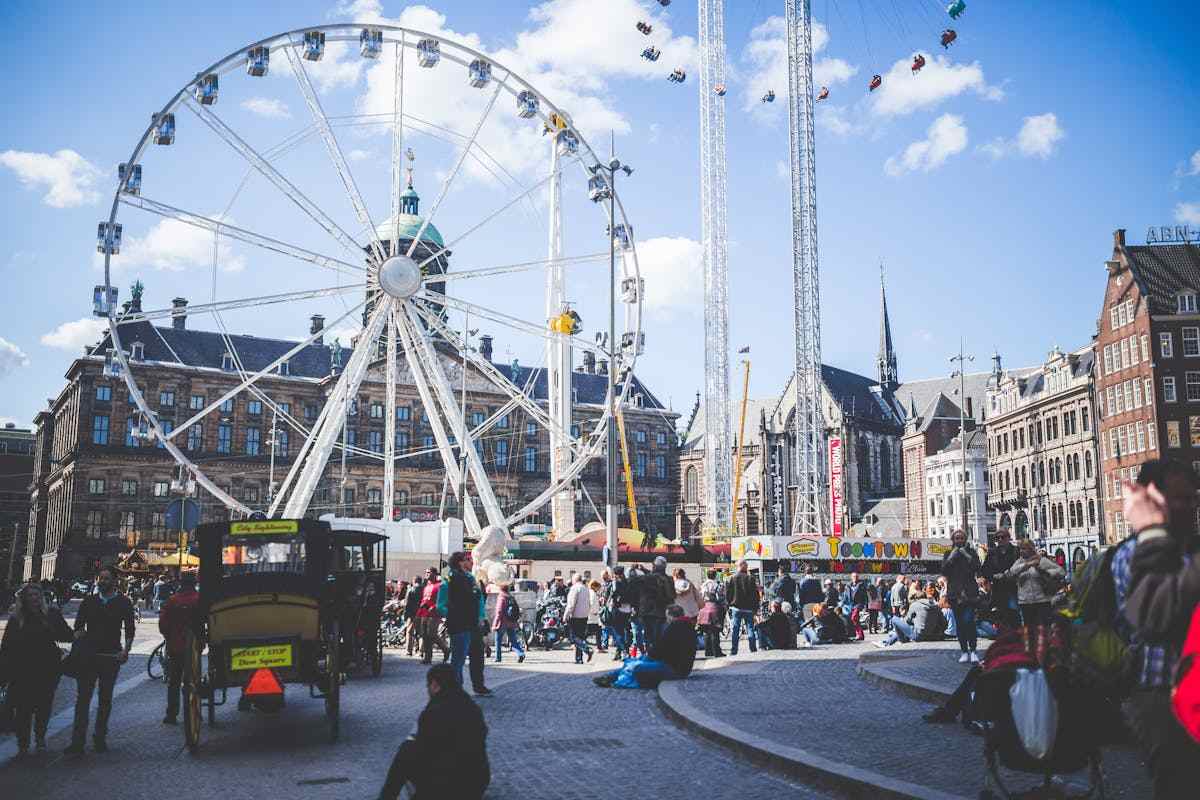
Vienna, Austria: Culture Without the Chaos
Vienna is the surprise on this list, a city that sounds formal on paper but is genuinely, surprisingly excellent for families. Children under 6 travel free on the entire public transit network. The city is stroller accessible almost everywhere. And there are playgrounds literally tucked between famous sights: beside Schönbrunn Palace, next to the Rathaus, in the Prater.
The Prater amusement park is free to enter, you only pay for individual rides. The historic Giant Ferris Wheel is a must. Schönbrunn Zoo is the oldest zoo in the world and sits in the palace gardens, which gives you that rare combination of cultural sightseeing and happy children in the same afternoon. The House of Music near the opera house has interactive exhibits where kids can conduct the Vienna Philharmonic via sensors, the line for that one is always long for a reason.
Vienna is easy to do as a multi generational trip too. The pace is slower than Barcelona. The museums are world class but not overwhelming. And the coffee house culture means long, leisurely lunches are normal and expected, nobody rushes you out when you’re cutting up a schnitzel for a two year old.
Best for: Families who want culture alongside kid friendly experiences; multi generational groups.
Stay: 3-4 nights. The U Bahn makes the whole city accessible from any central neighborhood.
Do’s and Don’ts for Europe with Kids
| Do's | Don't |
|---|---|
| Book timed entry tickets in advance for major sites | Show up at famous attractions without reservations |
| Pack a lightweight stroller or carrier for cobblestone streets | Assume everywhere is as flat as Amsterdam |
| Research free transit ages for each city before you go | Pay full price for kids' transit without checking local rules |
| Build one low key afternoon into every two days | Over schedule every day with back to back sightseeing |
| Stay in residential neighborhoods to feel local life | Book hotels right in the tourist center, it's loud and crowded |
| Bring a portable sound machine for hotel naps | Skip nap time and wonder why everyone is miserable at 4pm |
| Try local food markets for easy, affordable family lunches | Eat every meal at tourist area restaurants |
| Download offline maps before you land | Rely entirely on data for navigation |
| Let kids pick one activity per day | Plan every activity around adult priorities |
| Book refundable accommodations where possible | Lock in non refundable hotels with toddlers (things happen) |
FAQs
What is the best European city for a first trip with young kids?
Amsterdam is the most consistently recommended for first timers with toddlers and young kids. The flat terrain, stroller friendly infrastructure, and compact layout make it the least logistically stressful option. If your kids are slightly older, say, 5 and up, Copenhagen adds Tivoli Gardens and edges into favorite territory for many families.
How many European cities should we visit on one trip?
Two to three cities is a realistic maximum for a two week family trip. More than that, and you spend more time in airports, train stations, and unfamiliar hotel rooms than actually exploring. Staying at least three nights in each place lets everyone settle in, reduces meltdowns caused by constant transition, and gives you time to revisit spots the kids loved.
Is Europe safe for families with toddlers?
Yes, all five cities on this list are among the safest in the world for family travel. Pickpocketing exists in tourist heavy areas like La Rambla in Barcelona, so keep bags close in crowded spots. Otherwise, these are cities where you can walk around freely, use public transit confidently, and generally feel at ease with young kids in tow.
What’s the best time of year to take a first Europe trip with kids?
Late April through early June or September through early October hits the sweet spot. Weather is pleasant, crowds are lighter than July and August, and school holiday pricing hasn’t hit yet. Avoid peak summer in Barcelona specifically, the heat and crowds can genuinely overwhelm little ones.
How do we handle jet lag with toddlers in Europe?
Get outside in natural light as soon as you land, even if everyone is exhausted. Try to push through until local bedtime on the first day. Most families find kids adjust within two or three days, often faster than adults. Book accommodations with blackout curtains, and bring your regular bedtime routine (white noise, comfort items) to make the environment feel familiar.
Are European restaurants family friendly?
In Portugal, Spain, and Italy, absolutely, children are genuinely welcome at almost every hour, including dinner. Northern European cities like Amsterdam and Copenhagen tend toward earlier dinner hours, and some higher end restaurants prefer not to have young kids at peak dinner times. Lunch is almost always the most relaxed option for families everywhere.
Do we need travel insurance for Europe with kids?
Yes, without question. Get a plan that covers trip interruption, medical evacuation, and emergency pediatric care. Kids get ear infections, stomach bugs, and fevers at airport level timing. A solid travel insurance policy is one of the easiest ways to take the financial stress out of family travel abroad.
What should I pack for Europe with kids that I’ll actually use?
The things that consistently save family trips: a lightweight umbrella stroller (even if you think you won’t need it), a portable first aid kit with children’s pain reliever, a reusable water bottle per person, healthy snacks for the between meal hunger emergencies, and one special comfort item per child. Don’t over pack clothes, most European cities have coin laundries or in room machines.
Image Tags
- family exploring Amsterdam canals with stroller
- toddler at Tivoli Gardens Copenhagen rides
- mother and kids at Park Guell Barcelona mosaic
- family at Lisbon Oceanarium aquarium
- children playing at Vondelpark Amsterdam splash pad
- family on Copenhagen harbor Nyhavn colorful houses
- kids at Schonbrunn Palace Vienna playground
- Barcelona beach Barceloneta family with children
- Europe travel family packing stroller airport
- mother and toddler riding Lisbon tram funicular
- family walking cobblestone street Europe
- kids looking at map Europe first trip
Blog Tags
europe with kids, family vacation europe, kid friendly europe, traveling with toddlers europe, amsterdam with kids, copenhagen with kids, lisbon with kids, barcelona with kids, vienna with kids, best european cities families, europe first trip family, millennial mom travel