Introduction
We’ve all had that moment, it’s 6:15 p.m., someone’s crying, someone else wants cereal, and the dinner you planned is either burnt or completely forgotten. The idea of a beautiful, screen free family dinner where everyone’s laughing and sharing their day can feel like something out of a magazine. But here’s the thing: the families who actually pull it off aren’t doing anything dramatic. They’re doing small, repeatable things that over time just become how they do dinner. That’s what family dinner traditions are, not Pinterest perfect meals, but simple habits layered on top of each other until they feel automatic.
The research backs this up harder than you’d expect. A 2022 American Heart Association survey found that 91% of parents notice their families are less stressed when they eat meals together. Kids who sit down regularly for family meals do better academically, eat more vegetables, and report lower anxiety, not because the food is fancy, but because there’s a predictable rhythm to their evenings. You don’t need a farmhouse table or a gourmet recipe. You need a few traditions that feel easy enough to repeat even on a Wednesday when everyone’s exhausted. This post breaks down exactly what those look like.
Why Most Dinner Traditions Fall Apart After Two Weeks
Before we talk about what works, let’s be honest about what doesn’t. Most families try to overhaul dinner all at once, new meal plan, new schedule, new rules about phones, new conversation protocol. And it lasts maybe ten days before life swallows it whole. The problem isn’t motivation; it’s that big changes require sustained willpower, and willpower is the first thing to go when you’re a tired mom navigating a toddler who won’t eat pasta anymore.
What actually sticks is starting embarrassingly small. Researchers who study habit formation consistently find that consistency beats intensity every time. One night a week where everyone’s present and engaged is worth more than an elaborate seven night plan that collapses by Tuesday. The goal isn’t to fix dinner, it’s to build one tiny anchor point in your week, and let it grow from there naturally. Think of it as planting a seed rather than building a greenhouse overnight.
Pick a Theme Night and Protect It
The single most repeatable dinner tradition for families with kids is a themed night. Taco Tuesday has become a cultural punchline, but it works, and it works because it’s slightly silly and completely predictable. When your seven year old knows Tuesday is Taco Tuesday, she starts thinking about toppings on the drive home from school. She has something to look forward to. Anticipation is half the magic.
You don’t have to copy anyone else’s theme. Some families do Breakfast for Dinner on Fridays. Some do Pizza Fridays where the kids each get their own personal sized crust to top however they want. Others rotate “Cuisine Night”, one week Mexican, the next Japanese, the next Italian, and it becomes a low key geography lesson on the side. The theme reduces decision fatigue for you and creates a sense of event for the kids. Pick one night, give it a name, and treat it like a small weekly celebration. Within a month, your kids will be reminding you about it.
Let Kids Have a Real Job at the Table
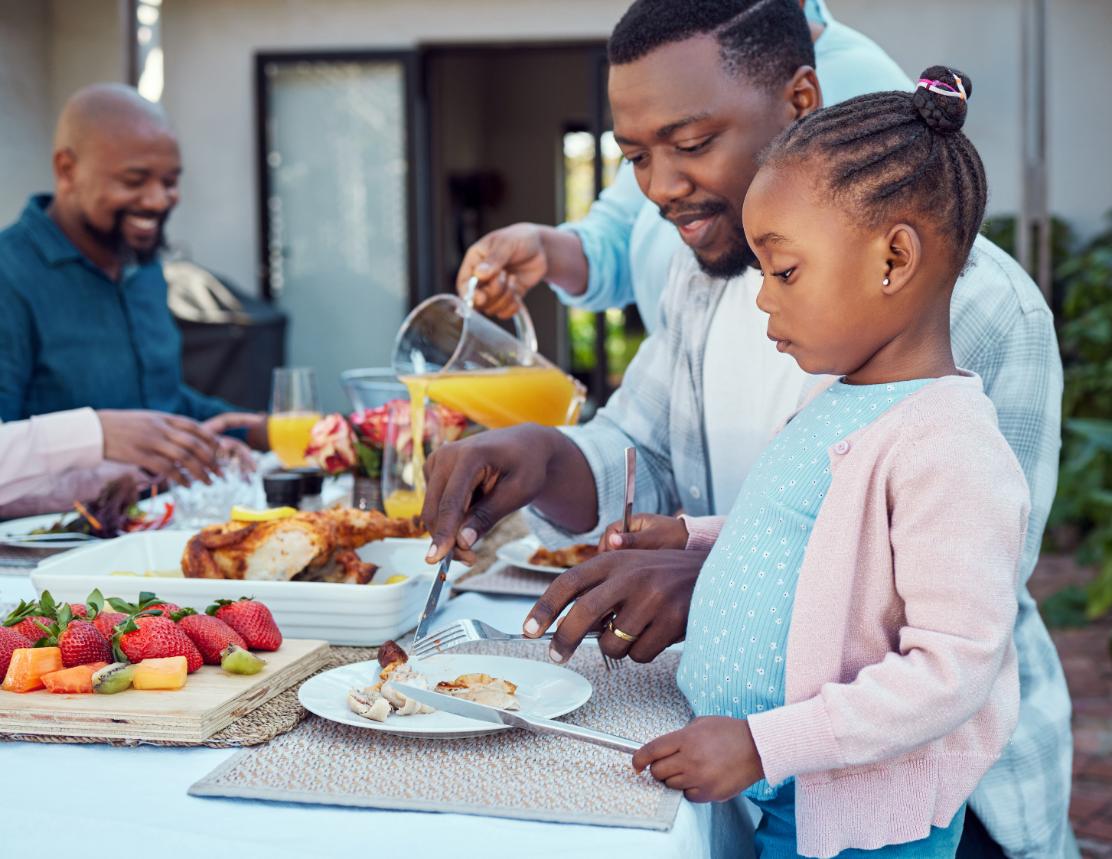
One of the most underrated dinner time habits for families is assigning kids actual ownership over part of the meal. Not “set the table” as a chore, real ownership, where they feel like the meal partially belongs to them. This looks different at different ages. A four year old can be the official napkin folder and cup placer. A seven year old can be responsible for making sure everyone has water. A ten year old can help chop vegetables, stir sauces, or follow a simple recipe with minimal supervision.
Research published in PMC found that kids who participate in family cooking show greater willingness to try new foods, better fine motor skills, and stronger confidence in the kitchen, all from relatively simple tasks. But beyond the practical benefits, giving kids a job at the table signals that their presence matters. They’re not guests waiting to be fed; they’re part of the crew. That shift in identity, from observer to participant, makes them more likely to show up willingly and stay engaged. Even picky eaters tend to be more curious about food they helped make.
Start One Conversation Ritual and Stick to It
The most meaningful family dinners aren’t the ones with the fanciest food, they’re the ones where people actually talk. But “so, how was your day?” gets old fast, especially with kids who answer in monosyllables. What works better is a structured ritual that everyone knows is coming.
The classic is Rose and Thorn, each person shares one good thing from their day (the rose) and one hard thing (the thorn). It takes about three minutes total, but over time it creates something powerful: kids who feel heard and parents who actually know what’s happening in their children’s lives. Some families add a “Bud”, something they’re looking forward to tomorrow. Others keep a jar of conversation cards on the table and one person draws a question each night. Questions like “If you could invite anyone in history to dinner, who would it be?” or “What’s something you changed your mind about recently?” sound simple but can spark genuinely surprising conversations.
The ritual matters more than the specific question. When kids know the routine, they come to the table ready to participate rather than just eat and escape. That’s how dinner time habits for families actually build connection, not through one perfect conversation, but through a hundred small, reliable ones.
Cook Something Together Once a Week
This one sounds like more work, but it often makes dinner easier because the prep feels shared instead of solo. Pick one meal a week, ideally something simple, and involve whoever’s around. Saturday morning pancakes, Sunday pasta, a weeknight stir fry where the kids handle the vegetables. The point isn’t culinary mastery; it’s the time spent side by side before you even sit down.
Cooking together weaves connection into the routine in a way that sitting at a table sometimes doesn’t. There’s something about standing at a counter together, moving around each other, tasting and adjusting, that loosens people up. Kids who cook with their parents consistently develop better nutritional habits, stronger family bonds, and more positive associations with food, not a bad return for 20 extra minutes on a Sunday. Start with recipes that have simple, kid safe steps and let go of the idea that it needs to be efficient. Mess is part of it.
Make Family Meals Meaningful With Simple Rituals
How you start and end a meal matters more than most people realize. A small opening ritual, even just 30 seconds, shifts everyone from scattered to present. This could be as simple as everyone putting their phone face down in a designated spot before sitting down. It could be a family toast with whatever’s in everyone’s cup. Some families say what they’re grateful for before the first bite. Some light a candle (the kids love this) to signal that dinner is a little special, even on a Tuesday.
Similarly, a closing ritual keeps people at the table a few minutes longer instead of instantly scattering. Some families do a quick “high five highlight” where each person gives a thumbs up or down on their day. Others take turns clearing plates while one person shares a random fun fact they learned that day. These moments don’t need to be long, they just need to be consistent. Over months, they become the markers your kids will remember. Twenty years from now, your daughter isn’t going to remember the specific meals. She’ll remember that you lit a candle every night, that everyone had to say something they were grateful for, that dinner felt like it meant something.
Do’s and Don’ts for Building Family Dinner Traditions
| Do's | Don't |
|---|---|
| Start with one night a week and build slowly | Try to overhaul your whole dinner routine at once |
| Let kids choose the theme or meal once a week | Make every meal parent directed with no kid input |
| Create a simple opening ritual (toast, candle, gratitude) | Start eating the second food hits the table without pausing |
| Use a conversation jar or Rose & Thorn ritual | Rely on "how was your day?" as your only prompt |
| Assign kids a real, repeatable role at the table | Use table tasks as punishment or chores |
| Cook one simple meal together per week | Expect perfection or efficiency when kids are helping |
| Keep phones in a designated spot during dinner | Have a "no phones" rule you don't model yourself |
| Celebrate small wins, 3 dinners in a row is a streak | Wait until you're having 7 night a week dinners to feel proud |
| Let traditions evolve as kids grow older | Rigidly keep traditions that no longer fit |
| Use dinner to share stories from your own childhood | Turn every dinner into a teaching or correcting moment |
FAQs
How many nights a week do we need to have family dinner for it to matter?
More isn’t always better, consistency is what counts. Research suggests even three to four shared meals a week produces meaningful benefits for kids’ mental health, eating habits, and family connection. If five nights a week is overwhelming to sustain, aim for three with intention rather than seven on a stressed out autopilot. One reliable, engaged dinner beats four rushed ones where everyone’s distracted.
My kids won’t sit still long enough for a real conversation. Any tips?
Keep it short and structured. Rose and Thorn takes three minutes. A single question from a conversation jar takes two. You’re not trying to have a therapy session; you’re trying to build a tiny habit of checking in. For younger kids, a physical object helps, pass a talking stone or a small stuffed animal and whoever holds it shares first. Visual cues like that are surprisingly effective at holding attention.
What if our schedules are so different that we can’t eat at the same time?
Pick the one meal overlap that’s most consistent, even if it’s Saturday breakfast or Sunday lunch, and treat that as your anchor. The tradition doesn’t have to happen at dinner. Families who can’t pull off weeknight dinners often have surprisingly powerful weekend meal rituals that the kids look forward to all week. Timing matters less than reliability.
How do I get my partner on board if they’re skeptical?
Start without making it a big deal. Don’t announce a new family dinner initiative, just make dinner a little nicer one night and see what happens. Light a candle. Ask one good question. Make a theme night without labeling it. Traditions are easier to join when they already feel good rather than when they feel like a commitment someone else signed you up for.
We tried themed nights before and they got old fast. How do we keep it fresh?
Let the kids rotate the theme choice every month. A theme works best when there’s some novelty within the predictability, so “Pizza Friday” stays interesting when toppings change, or when you introduce a new sauce, or when everyone gets to build their own. The structure stays the same; the details shift. That balance is actually the sweet spot for habits, predictable enough to stick, flexible enough not to feel stale.
My older kids think family dinners are uncool. How do I handle that?
Give them more ownership rather than more rules. Ask your 13 year old to pick the playlist, choose the meal, or run the conversation game. Teenagers push back against things that feel imposed; they’re more likely to engage in things that feel partly theirs. Also, reduce the formality. If sitting at the dinner table feels forced, start with takeout on a blanket in the living room once a week and see if the vibe shifts.
What age can kids realistically start helping with cooking?
Earlier than most parents think. Two year olds can wash vegetables, tear lettuce, and stir things in bowls. Three and four year olds can pour pre measured ingredients, help roll dough, and set napkins. By six or seven, kids can handle peeling, basic chopping with a safe knife, and following simple one step instructions. The goal isn’t a useful kitchen helper (though that comes eventually), it’s the experience of making something together.
Is it okay if dinner isn’t home cooked for our traditions to count?
Absolutely. Takeout pizza night with your conversation ritual and no phones is a family dinner tradition. The food is the backdrop, not the point. Some of the most consistent family meal routines are built around simple, non cooked meals, deli nights, breakfast for dinner, the infamous “clean out the fridge” nights, because they’re low effort enough to actually happen every week.