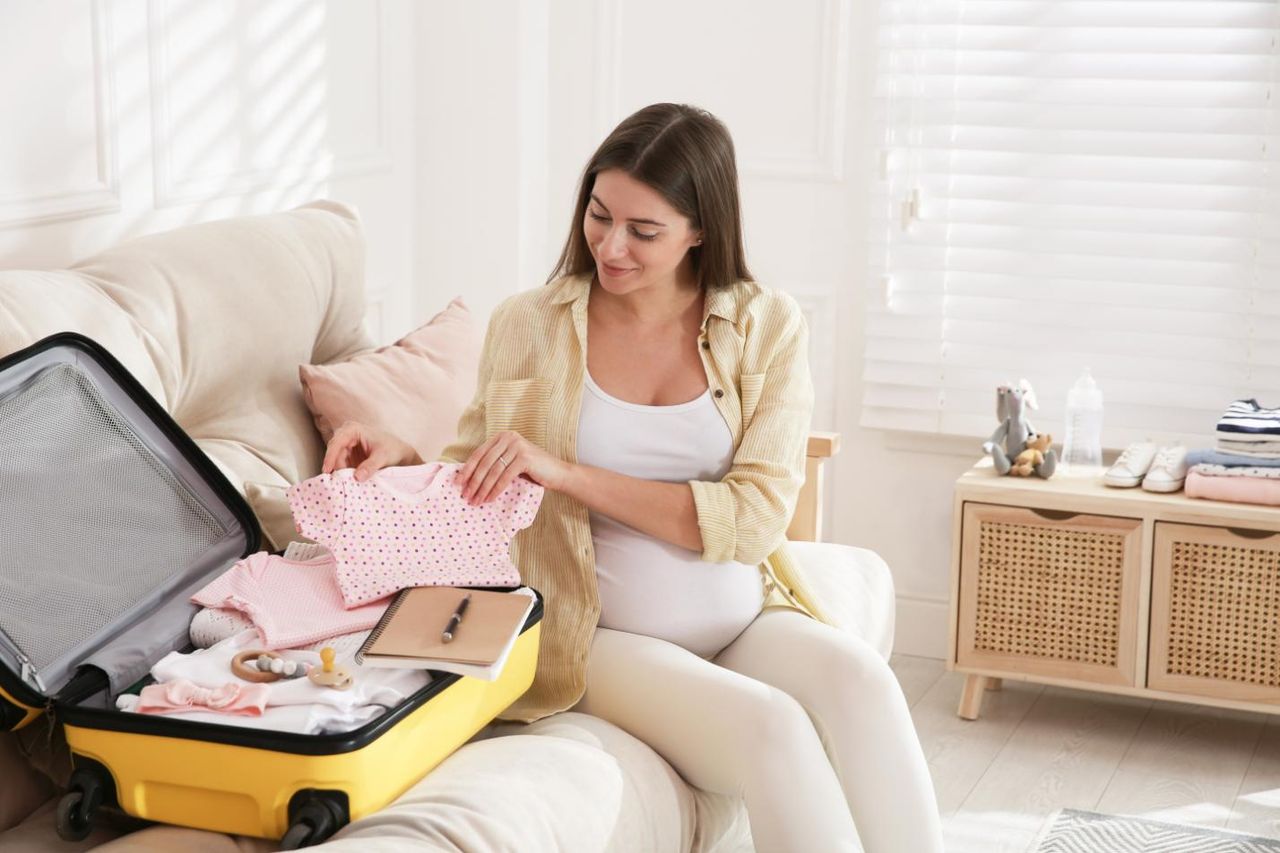
The first time I flew solo with my two kids, a three year old and a five month old, I showed up at the airport with what I can only describe as a rolling disaster. I had a giant duffel stuffed with things I thought I’d need, a stroller, a car seat, and a diaper bag that weighed more than my toddler. By the time we cleared security, I was sweating through my shirt and my son had already eaten half the snacks I’d saved for the flight.
That trip taught me something that no packing list on Pinterest will tell you: the bag itself matters as much as what’s in it. Choosing the right carry on when you’re flying with kids is genuinely one of the most important decisions you’ll make before a trip. Not because it’s glamorous, but because the wrong bag will turn an already hard travel day into a full blown ordeal. The right one? It quietly makes everything easier.
Why Carry On Only Makes Sense for Family Travel
Checking bags sounds logical when you have kids, more space, no hauling through the airport. But in practice, carry on only is almost always the smarter move for families. You skip the baggage claim line entirely, which matters a lot when you have a tired toddler who has hit their limit. You also eliminate the risk of an airline losing the bag with your kid’s comfort items, medications, or that specific stuffed rabbit your child cannot sleep without.
There’s also money to consider. In 2026, Basic Economy fares on American, Delta, and United restrict passengers to a personal item only, adding a checked bag costs around $35-$50 each way, per person. For a family of four, that adds up fast. Getting strategic with a well chosen carry on and personal item combination means you travel lighter and spend less.
The trick is picking the right bag for how you travel with your family, and understanding that the “best” carry on for a mom with a toddler looks very different from the standard business traveler’s pick.
Backpack vs. Rolling Carry On: Which One Wins for Moms?
This is the question I get most from mom friends who are just starting to fly with their kids. The honest answer: it depends on your kid’s age and how you physically travel through airports.
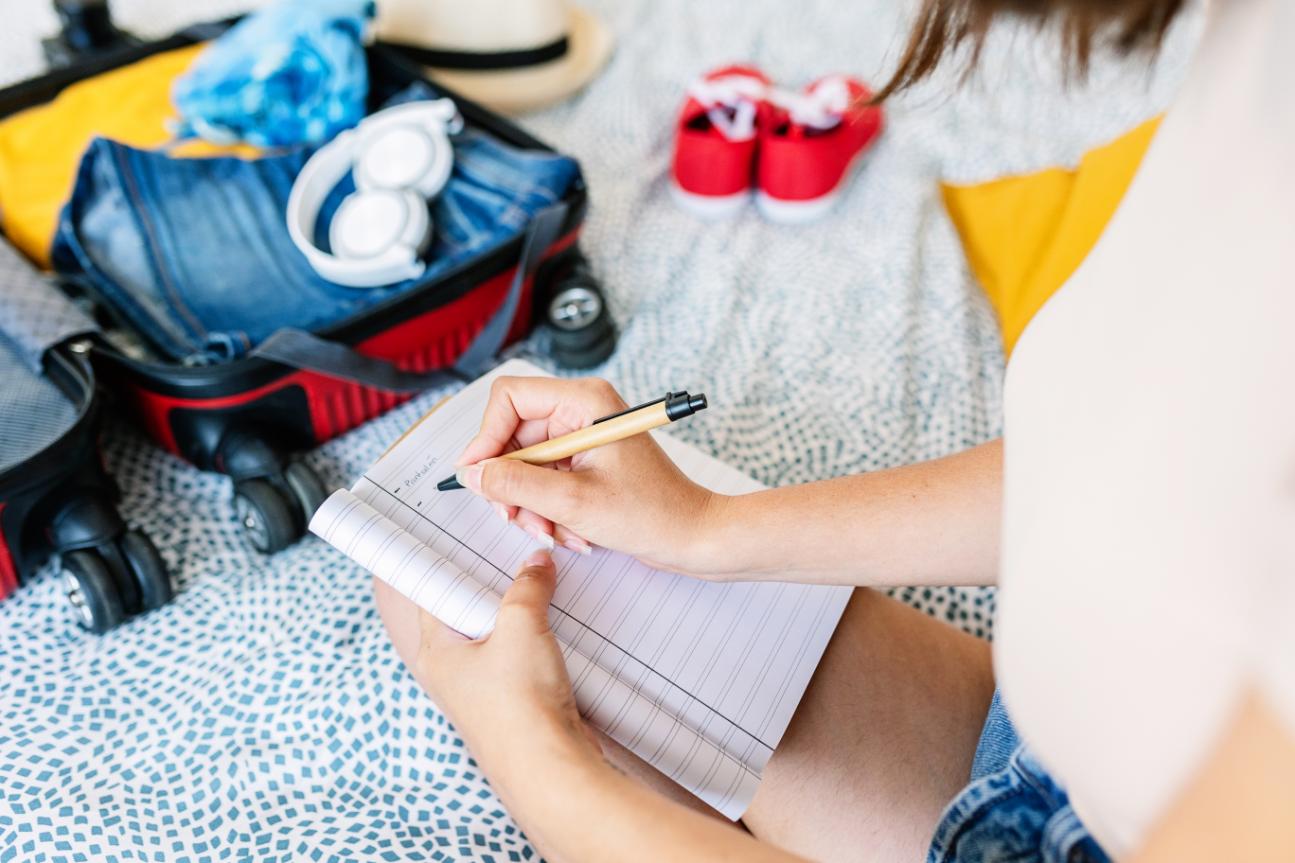
Backpacks are exceptional for moms with babies and toddlers. When you’re pushing a stroller, holding a hand, and managing a boarding pass all at the same time, having both hands free is not a luxury, it’s a necessity. A good travel backpack sits close to your body, distributes weight evenly, and fits in the overhead bin without drama. Many come with a side wipes pocket, which sounds trivial until you’re standing in a security line and need a wipe immediately.
Rolling carry ons shine for slightly older kids (think 4 and up) and for families doing longer trips where you genuinely need more space. A hardshell spinner is easier to move through terminals, stacks flat when kids nap on it in long corridors, and tends to protect fragile items better. The downside is that you need at least one free hand to pull it, which is a problem when you’re also managing a little one.
The sweet spot for most moms is a hybrid approach: one rolling carry on that goes in the overhead bin, plus a backpack that serves as your personal item under the seat. That backpack becomes your in flight lifeline, snacks, entertainment, change of clothes, and all the things you need access to at 30,000 feet without climbing over your neighbor to reach the overhead.
Key Features to Look for in a Family Carry On Bag
Not all bags are made equal, and when you’re traveling with kids, the details genuinely matter. Here’s what to prioritize:
Multiple compartments with clear organization. You need to find the wipes fast. You need the snacks accessible without unpacking half the bag. Look for bags with designated pockets rather than one big cave like interior. Front zippered pockets, a dedicated tablet sleeve, and side water bottle holders are worth their weight in gold mid flight.
Right size for airline rules. Most major U.S. airlines, American, Delta, United, JetBlue, Alaska, allow carry ons up to 22 x 14 x 9 inches including wheels and handles. Southwest gives you a bit more at 24 x 16 x 10 inches. With 2026 enforcement tightening up (United has automated bag sizers at 35+ airports now), you can’t fudge this anymore. Measure your packed bag before you go, including any protruding pockets.
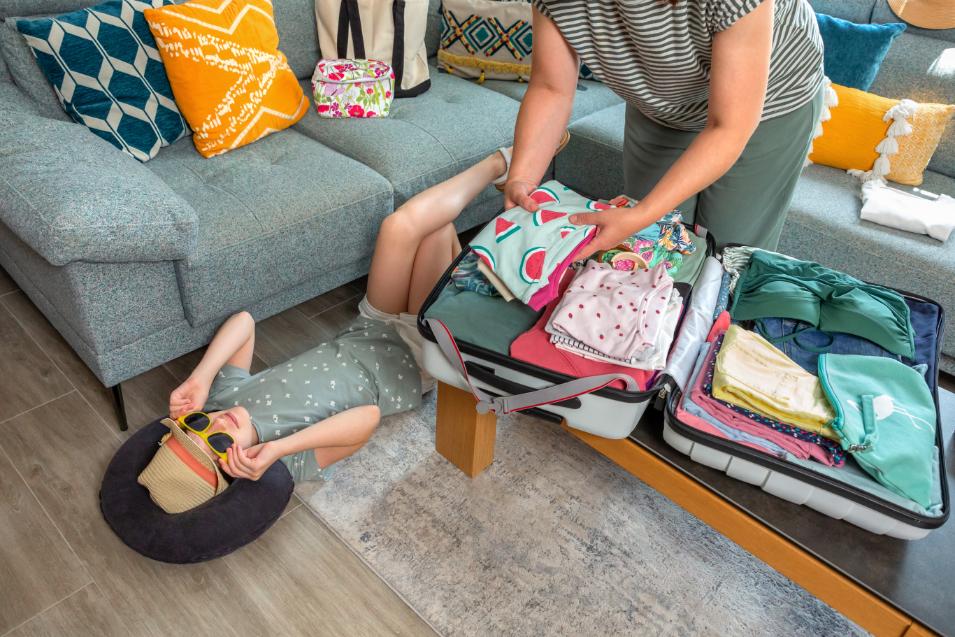
Lightweight construction. Every ounce your bag weighs is an ounce less you can put in it. Hardshell polycarbonate spinners and lightweight ripstop nylon backpacks are both solid choices. Avoid anything with heavy frames, excessive zippers, or reinforced compartments that add unnecessary bulk.
Comfortable to carry for longer than you expect. Airports have far flung gates, delays happen, and sometimes you’re walking half a mile with a kid on your hip and a bag on your back. Padded shoulder straps, an external luggage pass through sleeve, and a padded back panel aren’t perks, they’re functional necessities for moms.
Durable and easy to wipe clean. Kids are sticky. Bags get thrown in overhead bins, dragged across airport floors, and occasionally used as a seat. Water resistant materials and wipeable interiors will save you from ruined bags and ruined trips.
How to Pack a Family Carry On the Right Way
Choosing the bag is step one. Packing it well is step two, and most parents get this wrong on early trips. Here’s the system that actually works:
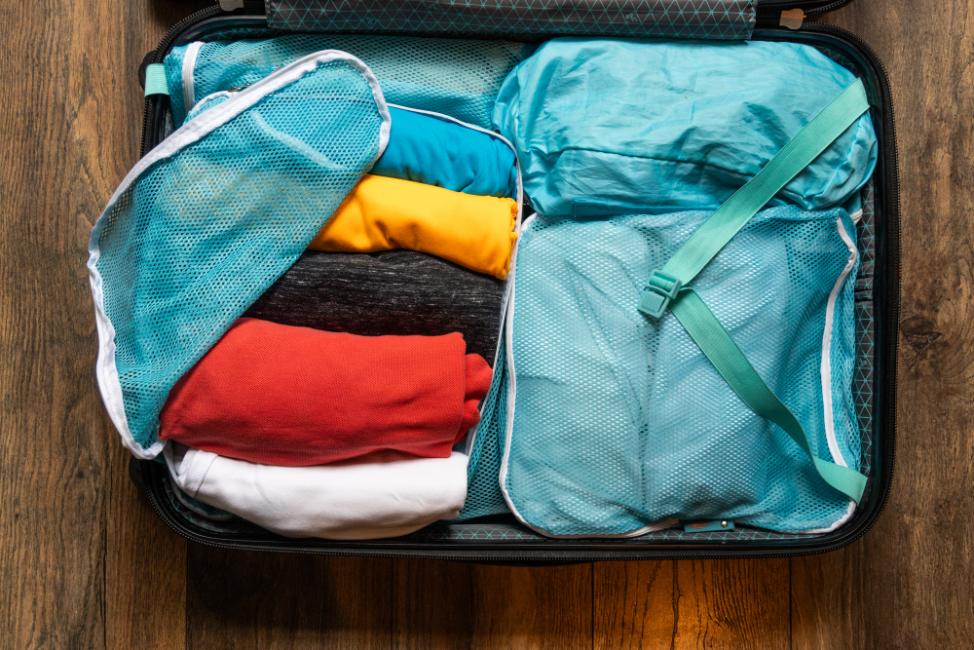
Layer by timeline. What you need first goes on top, boarding passes, headphones, one snack for the gate wait, and a small toy or book. Middle layer is your flight essentials: main entertainment (loaded tablet, headphones, a coloring kit), meal supplies, and the main snack rotation. Bottom layer holds the backup items: an extra outfit for your kid, a spare shirt for you (yes, always), and the emergency stash of diapers, wipes, or any medications.
Over pack snacks, under pack clothes. You can buy clothes if you really need to. You cannot easily find your toddler’s preferred brand of cheddar crackers at 35,000 feet. Build in 50% more snacks and drinks than you think you’ll need, flight delays are real, and hunger is the fastest route to a meltdown.
Know the TSA rules so you’re not scrambling at security. Formula, breast milk, toddler drinks, and baby food are exempt from the 3.4 ounce liquid rule. You can carry them in quantities over 3.4 oz, just declare them at the checkpoint for separate screening. For everything else, liquids must be 3.4 oz or under and fit in a single quart sized clear bag. Kids 12 and under don’t need to remove shoes or light jackets at security, which is a genuine time saver when you’re wrangling multiple children.
Pre download everything. Don’t rely on in flight Wi Fi or airport networks. Download shows, games, audiobooks, and podcasts before you leave the house. A fully loaded tablet is worth more than every other toy in your bag combined.
Should You Get Your Kid Their Own Bag?
Short answer: yes, once they’re old enough to actually use it. Kids as young as four can manage a small rolling carry on or a toddler backpack on wheels. Giving them their own bag with their chosen snacks, a stuffed animal, and a tablet does two things: it lightens your load, and it gives them ownership over the journey, which makes them significantly easier to manage.
For toddlers under three, skip the dedicated bag and just add their essentials to yours. Ride on suitcases like the Trunki are fun for some kids but they’re another thing to manage through security, and your mileage will vary depending on your kid’s temperament.
Do’s and Don’ts for Choosing and Using a Family Carry On Bag
| Do's | Don'ts |
|---|---|
| Measure your bag before every trip, handles and wheels included | Assume last year's bag fits this year's airlines, enforcement has tightened |
| Choose a backpack if your child is under 3, hands free is everything | Buy a bag that looks organized but has one massive interior compartment |
| Pack snacks in the most accessible pocket you have | Pack snacks at the bottom of the main compartment |
| Bring a change of clothes for your kid AND yourself | Skip the spare outfit for yourself, it will cost you |
| Download entertainment before you leave the house | Rely on in flight Wi Fi for kids' shows |
| Declare baby food and formula at TSA before they open your bag | Try to slip oversized liquids through without declaring |
| Use packing cubes to compress clothing inside the carry on | Overfill the bag so zippers strain, it won't pass sizing |
| Let kids 4+ carry their own small backpack | Give a toddler a bag they can't actually manage |
| Wipe down your bag after every trip | Store a dirty, sticky bag for your next flight |
| Get a bag with a luggage pass through sleeve for rolling convenience | Choose style over functionality when you're flying with young kids |
FAQs
What size carry on bag is best for flying with kids?
For most U.S. airlines, a carry on up to 22 x 14 x 9 inches (including handles and wheels) is the safe standard. If you’re flying Southwest, you get a bit more room at 24 x 16 x 10 inches. Always measure your bag packed and zipped, including any exterior pockets that might bulge. With 2026 enforcement getting stricter at major airports, it’s not worth risking a gate check fee on an oversized bag.
Is a backpack or rolling suitcase better when flying with a toddler?
A backpack is almost always better when you have a toddler. You need both hands free to hold your child’s hand, push a stroller, manage boarding passes, or carry your kid when they inevitably refuse to walk. A rolling suitcase requires one hand at all times, which is a significant constraint. Once your youngest is reliably walking on their own, a rolling carry on becomes more practical.
Can I bring baby food and formula in my carry on?
Yes, these are TSA exempt from the standard 3.4 ounce liquid rule. You can pack formula, breast milk, toddler drinks, and pureed baby food in quantities over 3.4 oz. Just let the TSA officer know when you reach the checkpoint so they can screen them separately. This takes an extra minute but it’s simple and completely standard.
What should go in my personal item bag versus my carry on?
Your personal item (the bag that goes under the seat in front of you) should hold everything you need during the flight without standing up: snacks, entertainment devices, headphones, wipes, a change of clothes for your kid, and anything you’d need in a hurry. The carry on in the overhead bin holds the overflow, extra diapers, clothing, backup items, and things you only need before or after the flight.
How do I stop my kids from rummaging through the bag mid flight?
Give each child their own clearly designated “airplane bag”, a small backpack or drawstring bag with their own snacks, entertainment, and one comfort item. When they know what’s theirs and where it is, they stop trying to dig through yours. It also gives them a sense of control over the trip, which genuinely helps with behavior on longer flights.
Is it worth getting a carry on with a hard shell or soft shell for family travel?
Both work, but hard shell bags offer better protection for fragile items and don’t absorb spills. Soft sided bags tend to have more exterior pockets and can compress slightly more to fit in overhead bins. If you’re packing any electronics, medications, or breakable snacks, lean toward hard shell. If maximum organization and pocket access matter more, soft sided wins.
What’s the biggest packing mistake families make with carry ons?
Forgetting a change of clothes for themselves. Parents almost always pack a spare outfit for the kids but skip one for themselves. This will backfire on you eventually, kids spill, spit up, and have accidents, and arriving at your destination in a ruined shirt is a miserable start to any trip.
Do kids need their own carry on bag?
Not legally, but practically it helps once they’re old enough to manage it, usually around four years old. Many airlines allow kids to bring a carry on and personal item the same as adults. A small backpack for kids ages four and up keeps your bag lighter and gives them something to do at the gate and on the plane.