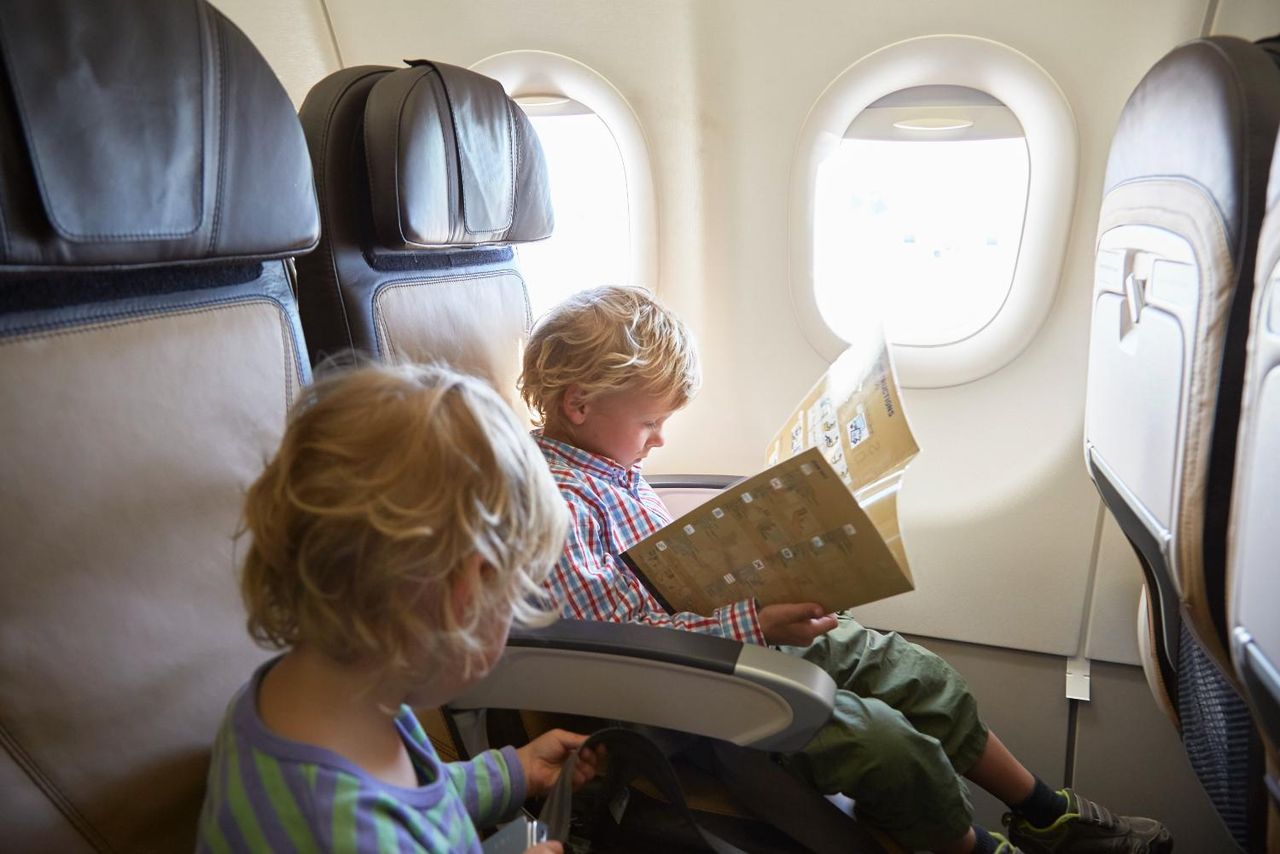
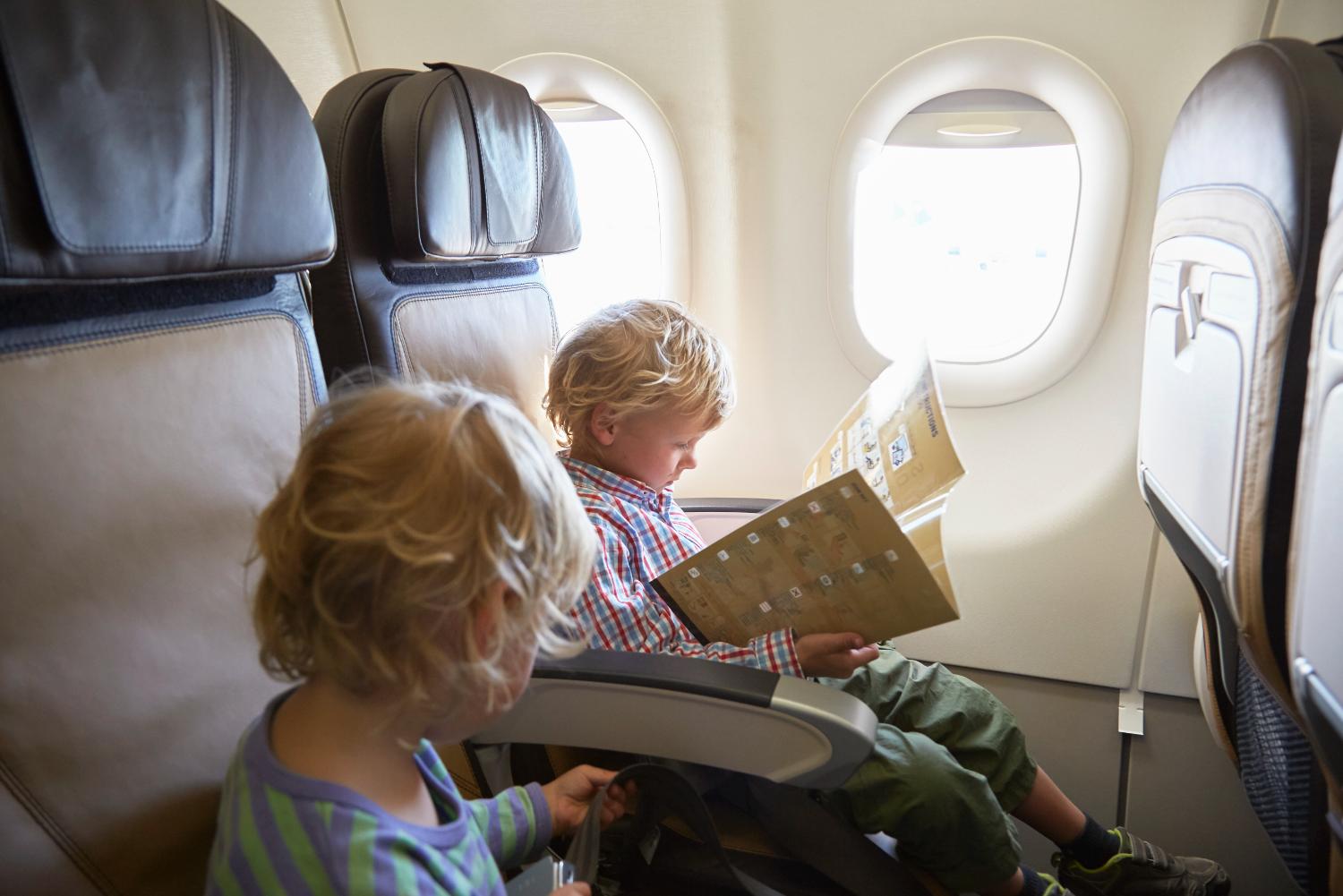
You’ve booked the flights. You’ve packed the snacks, downloaded three kids’ movies, and mentally rehearsed the airport run a dozen times. But did you stop to think about where on the plane you’re actually sitting? I didn’t on our first long haul trip with my daughter. We ended up squeezed into the back row near the lavatories, next to a broken tray table, with zero floor space. It was exactly as miserable as it sounds.
Seat selection on a long flight with kids isn’t a minor detail, it can make or break the whole experience. A well chosen seat means your toddler has somewhere to stretch out, you’re not tripping over strangers to get to the bathroom every 40 minutes, and everyone lands with at least a shred of sanity intact. Here’s everything I’ve learned, sometimes the hard way, about where to actually sit when you’re flying long haul with children.
Why Seat Choice Matters More on Long Haul Flights
On a 90 minute hop, you can survive almost any seat. Sit in the middle, near the engine, next to the bathroom, it’s uncomfortable, but it’s over before you’ve finished a snack box. Now multiply that by eight hours, or twelve, or fifteen. Suddenly every inch of legroom matters. Every inch between your seat and the galley noise matters. Where the changing table is matters.
Long haul flights push kids to their limits. They get bored, overtired, and overstimulated. The right seat won’t fix all of that, but it gives you tools: space to stand briefly, easy bathroom access, floor room for a small play mat, and sometimes even a bassinet for infants. The wrong seat, think last row center, or directly in front of the toilet, removes all of those options.
Bulkhead Seats: The Gold Standard for Toddlers and Infants
If you’re flying with a baby or a toddler under about three years old, bulkhead seats are almost always your best option. These are the front row seats in any cabin section, the ones with a solid wall in front of you instead of another row of seats.
The biggest perk is the bassinet. Most long haul wide body aircraft, like the Boeing 777, 787, or Airbus A350, have bassinet attachment points on the bulkhead wall. If your baby is under around 20-25 pounds and can’t sit upright yet, you can request one from the airline. This means you actually get to eat your meal with two hands. You get to sit back for 20 minutes without holding anyone. That sounds small until you’ve spent nine hours with an infant permanently in your arms.
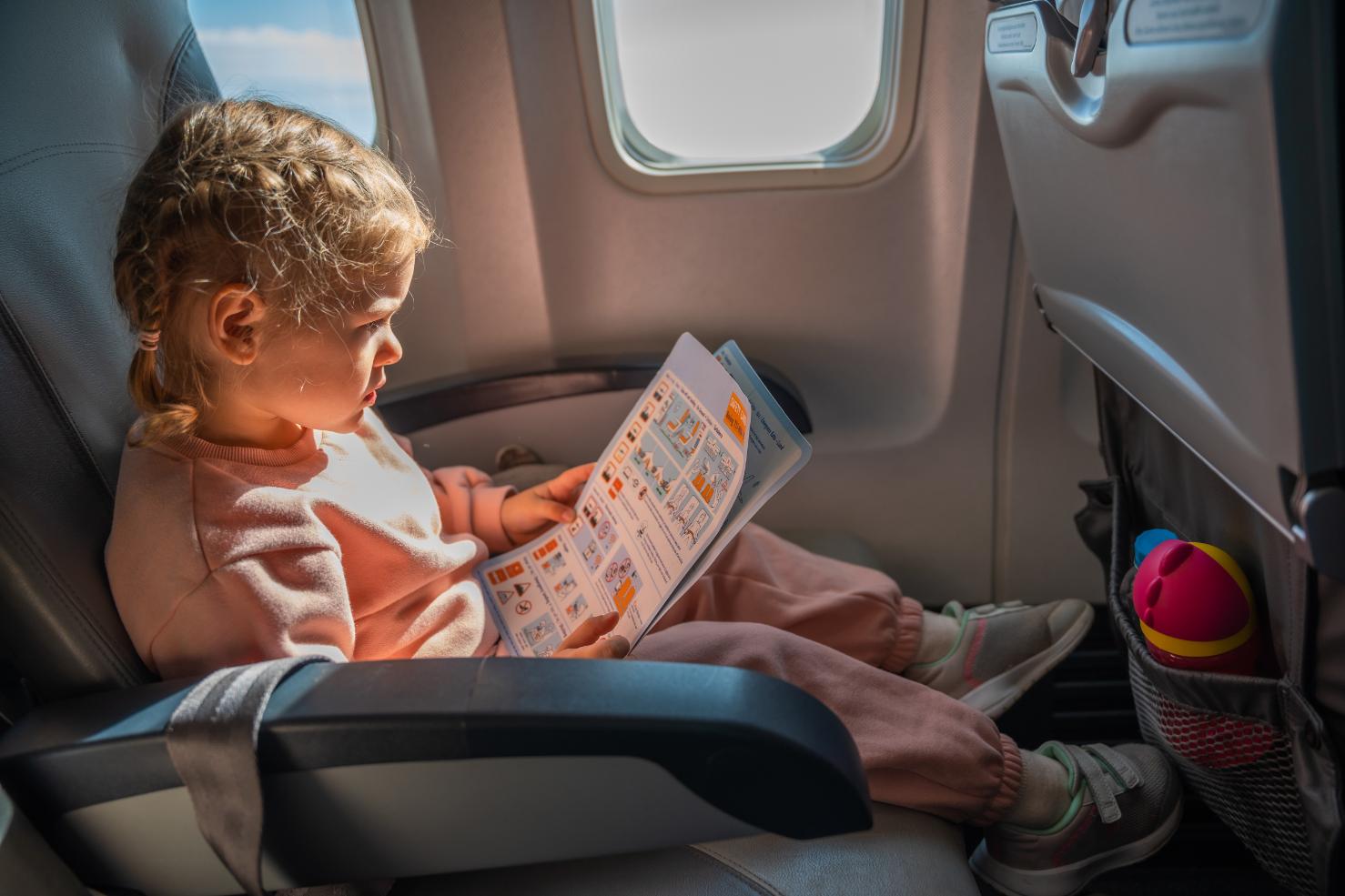
Beyond the bassinet, bulkhead rows give you that precious floor space. There’s no seat in front of you, which means your toddler can stand, stretch, or play with stacking cups on the floor without climbing over a stranger’s legs. The aisle is right there. Flight attendants are nearby. It genuinely is a different flight experience.
The catches? You usually have to store all your carry on bags in the overhead bin during the flight, nothing at your feet. The entertainment screens on some older aircraft are in the armrest or on a swing out arm, which can be awkward. And bulkhead rows near the galley can be noisy, with carts rattling and crew conversations drifting over. Some parents also find the high foot traffic distracting for babies trying to sleep.
One hard rule: bassinets are never 100% guaranteed. Call your airline immediately after booking to request one. Confirm again closer to the flight. Show up early at the gate. Even then, another family might have the same idea.
Window vs. Aisle: The Great Family Debate
Once you’re past the infant stage, the bulkhead versus regular row question becomes a personal one. But the window vs aisle debate is constant, and it really depends on your child’s age and personality.
Window seats are genuinely engaging for kids who are old enough to appreciate them, roughly three and up. The view keeps them occupied during takeoff and landing in a way that nothing else does. My daughter was absolutely transfixed watching the city shrink below us on her first flight at age four. Window seats also give kids a wall to lean against when they inevitably fall asleep sideways. Nobody wants to be a human headrest for a stranger.
Aisle seats are the practical parent’s pick. You can get up without disturbing anyone. You can bounce a fussy baby in the aisle. You can take a restless three year old for a walk without playing the “excuse me, can you stand up” game at 2am over the Pacific. If you know your child is a mover, someone who needs to get up every hour, book the aisle.
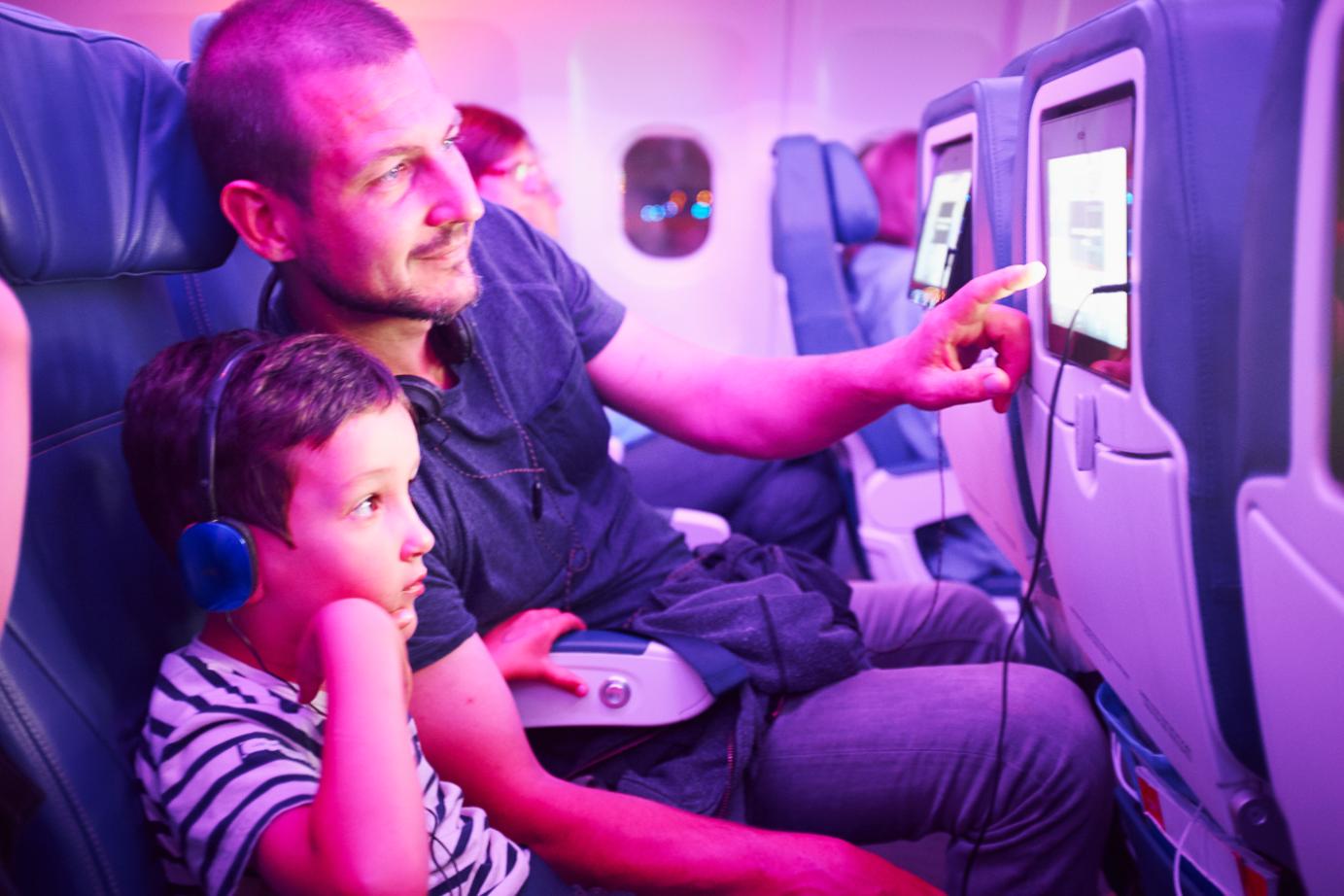
For a family of three traveling in a standard 3-3 economy row, a solid setup is: parent at the aisle, child in the middle, other parent at the window. Nobody is climbing over strangers, the child has a parent on either side, and you can tag team entertainment, snacks, and bathroom runs without waking the whole row.
Middle Section Seats on Wide Body Aircraft
Here’s a tip that experienced family travelers swear by: on wide body planes with a 3-4-3 or 2-4-2 seating layout, think the Boeing 777 or Airbus A380, book the four center seats in the middle section. A family of four fits perfectly, and you have each other on all sides. No strangers to worry about. No awkward negotiations about who’s getting up to take someone to the bathroom.
For a family of three on a 2-4-2 layout like the Airbus A330 or 787 Dreamliner, the middle two seats plus one on the end work well. You get a tidy little family cluster without being completely boxed in.
Use SeatGuru before you book anything. You can look up the exact seat map for your flight, aircraft, and airline, and see where the bathrooms, galleys, and emergency exits are positioned relative to your potential seats.
Seats to Avoid When Flying with Kids
Some seats sound fine on paper but are genuinely rough with children in tow.
Exit row seats are off limits for families with young children, FAA regulations prohibit anyone under 15 from sitting in an exit row, and parents traveling with small children seated elsewhere in the cabin may also be asked to move. Even if you could book them, the armrests don’t fold up, which limits how a child can reposition.
Last row of the cabin is best avoided if you can help it. Seats often don’t fully recline (the wall behind them won’t let them). You’re right next to the lavatory, which means constant foot traffic, smells, and noise all night. The galley activity at meal times happens around you.
Directly behind the bulkhead (i.e., row 2 if row 1 is the bulkhead) sounds close to the bassinet area but doesn’t give you bassinet access, and the seat in front of you, the bulkhead row seat, reclines directly into your limited space. You get none of the benefits and some of the downsides.
Is Premium Economy Worth It for Families?
If you can stretch the budget, premium economy on a long haul flight with children is worth serious consideration, especially for flights over eight to ten hours. The extra legroom alone changes things dramatically. A toddler who could reach the seat in front of them in economy often can’t in premium economy, which means the passenger in front of you will thank you, and you won’t spend the flight apologetically stopping a kicking habit.
Premium economy also typically includes free seat selection, which matters a lot. In budget economy fares, many airlines now charge for specific seats, meaning you might not be able to book together without paying extra. Premium economy removes that headache.
The real cost benefit question is the price gap. If you’re looking at a $250-400 difference per seat on a twelve hour flight with two young kids, it might genuinely be the sanity investment of the year. If it’s double the economy fare with no real extras, economy with smart seat selection does the job.
How to Book the Best Seats for Your Family
A few practical moves that take ten minutes but save a lot of grief:
Book as early as possible, ideally when you buy the tickets. The best seats (bulkhead, center section middle rows, window aisle pairs) go fast.
Call the airline to request a bassinet if you have an infant. Do not assume it’s automatic. Airlines like Emirates, Singapore Airlines, and Qantas have excellent bassinet programs, but availability is limited and it’s first come, first served.
Check DOT (Department of Transportation) guidelines on family seating. As of recent regulations, airlines that charge for seat selection must seat children under 13 adjacent to an adult at no extra charge if adjacent seats are available at the time of booking. Airlines including American, Alaska, and Frontier have committed to this guarantee.
If you accidentally booked seats separately, call the airline. Ask them to cross reference reservations or add notes so staff at check in can try to move you together.
Do’s and Don’ts for Choosing Family Seats on a Long Haul Flight
| Do's | Don't |
|---|---|
| Book bulkhead seats if flying with an infant under 20 lbs | Don't assume a bassinet is automatically included |
| Call the airline to request and confirm your bassinet | Don't book exit row seats, children under 15 cannot sit there |
| Use SeatGuru to check the seat map before booking | Don't book the last row, it's noisy, smelly, and often non reclining |
| Book center section seats on wide body aircraft for families of 4 | Don't book middle seats on a narrow body if you can avoid it |
| Put the child at the window on short ish flights for built in entertainment | Don't assume your family will be seated together without confirming |
| Consider the aisle seat for toddlers who need to move frequently | Don't wait until the last minute to select seats on a budget fare |
| Choose premium economy for 10+ hour flights if budget allows | Don't book Row 2 expecting bulkhead benefits, it has the downsides without the perks |
| Board early when offered to get overhead bin space above your seats | Don't pack your whole carry on with things you'll need, keep a small bag accessible |
| Check DOT family seating rules before paying extra to sit together | Don't store everything in the overhead if you're in a bulkhead row, you'll need items during flight |
| Bring a small blanket for floor time near your bulkhead seats | Don't neglect to check if your airline charges extra for aisle and window seat combos |
FAQs
Q: What is the best seat on a plane for a family of four?
The center four seats in the middle section of a wide body aircraft (on planes with a 3-4-3 or 2-4-2 layout) are the best option for a family of four. You’re together, no strangers on either side, and you can spread snacks, bags, and entertained children across the whole middle without anyone in your way. Airlines like Emirates and United operate plenty of 777s and A380s on long haul routes where this setup works perfectly.
Q: Are bulkhead seats always the best choice for babies?
They’re the best choice if you need a bassinet, which is really only an option for infants under about 20-25 pounds who can’t sit independently. Once your baby outgrows the bassinet, bulkhead seats lose some of their magic. For toddlers who are already walking and don’t need a bassinet, the floor space is still useful, but a center section booking on a wide body might serve you just as well.
Q: Can I bring a car seat on the plane?
Yes, as long as it’s FAA approved. Your child must be in their own purchased seat (not a lap child) to use it. Car seats take up a lot of tray table and surrounding space, so they work best at window seats where they won’t block anyone’s aisle access. Check your airline’s specific car seat policy before you travel, dimensions and approval labels matter.
Q: How do I guarantee my family sits together?
Book together on a single reservation as early as possible and immediately select seats. If you’re on a budget fare that charges for seat selection, check DOT rules, airlines are increasingly required to seat children under 13 next to a parent at no extra charge. If you missed the window, call the airline directly rather than waiting and hoping at the gate.
Q: Is the front or back of the plane better for families?
The front is generally better. You board and deplane faster, which matters enormously when you’re hauling a stroller, a car seat, a diaper bag, and an overtired child. Turbulence is also slightly less felt toward the front and over the wings. The back of the plane is louder (engines, galley, lavatories), and the last rows often have non reclining seats.
Q: What if my child is a terrible sleeper on planes?
Focus on the aisle. A child who won’t sleep will need to move, and if you’re in the window seat of a packed long haul flight, you’ll wake the whole row every hour. The aisle gives you and your child the freedom to walk, stand, and move without a theatrical production every time. Bulkhead rows help here too, the floor space means they can at least sit and play at your feet instead of kicking the seat in front.
Q: Should I do a red eye flight with kids?
Many families swear by red eyes because the timing aligns with kids’ sleep schedules. If your child sleeps on cue, a red eye can mean a mostly sleeping flight. But if yours is a party all night type, a daytime flight where they can watch movies and play might actually be less torture for everyone involved. Know your child.
Q: Do premium economy seats come with bassinet options?
Usually not. Bassinets are almost exclusively in the bulkhead rows of economy on most airlines. If you need a bassinet, book the bulkhead row in economy, don’t pay for premium economy expecting a bassinet to be part of the deal. A few airlines have done things differently (Singapore Airlines, for instance, has bassinet options in premium economy on certain aircraft), but it’s the exception, not the rule.