Overview
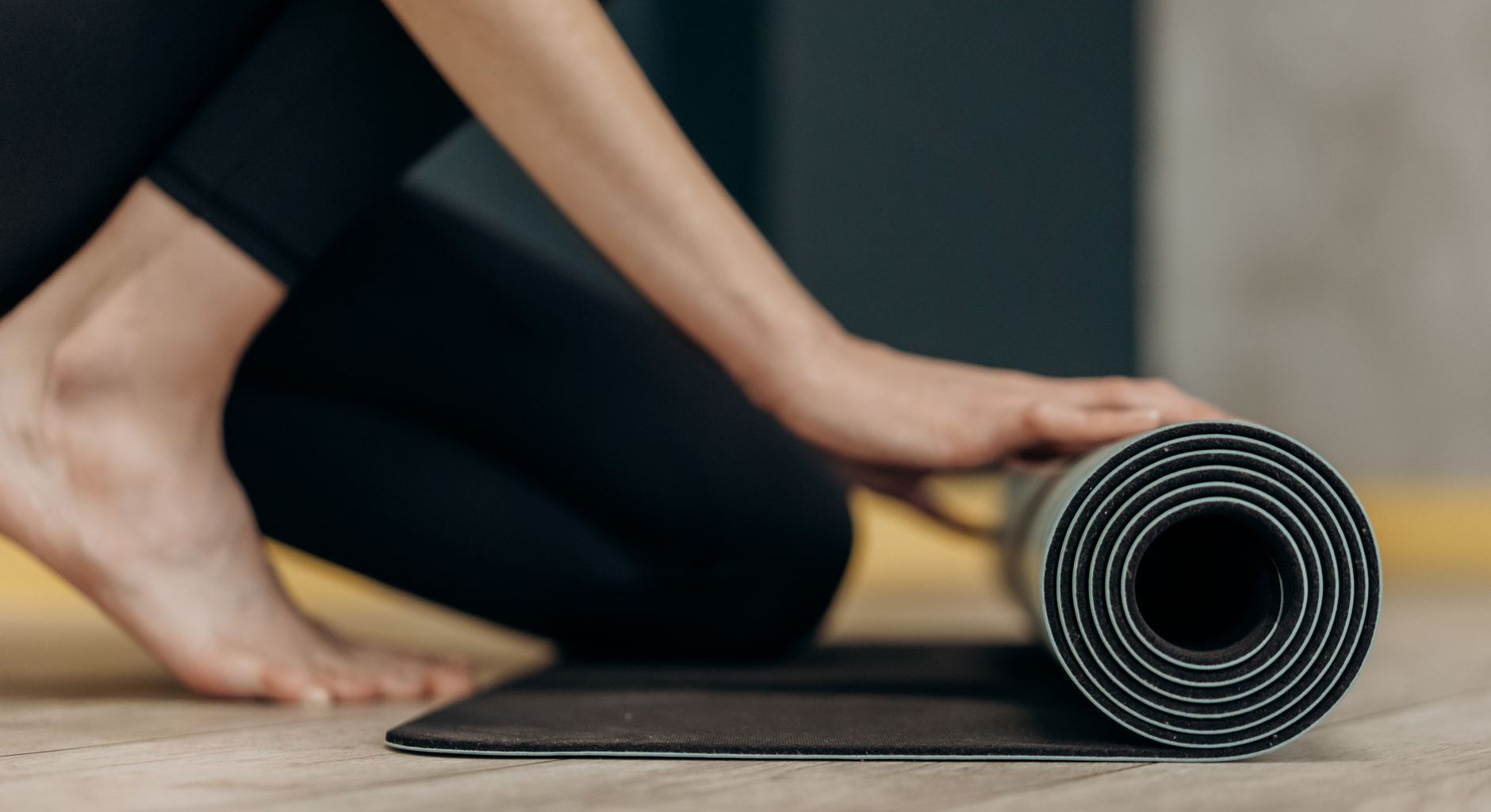
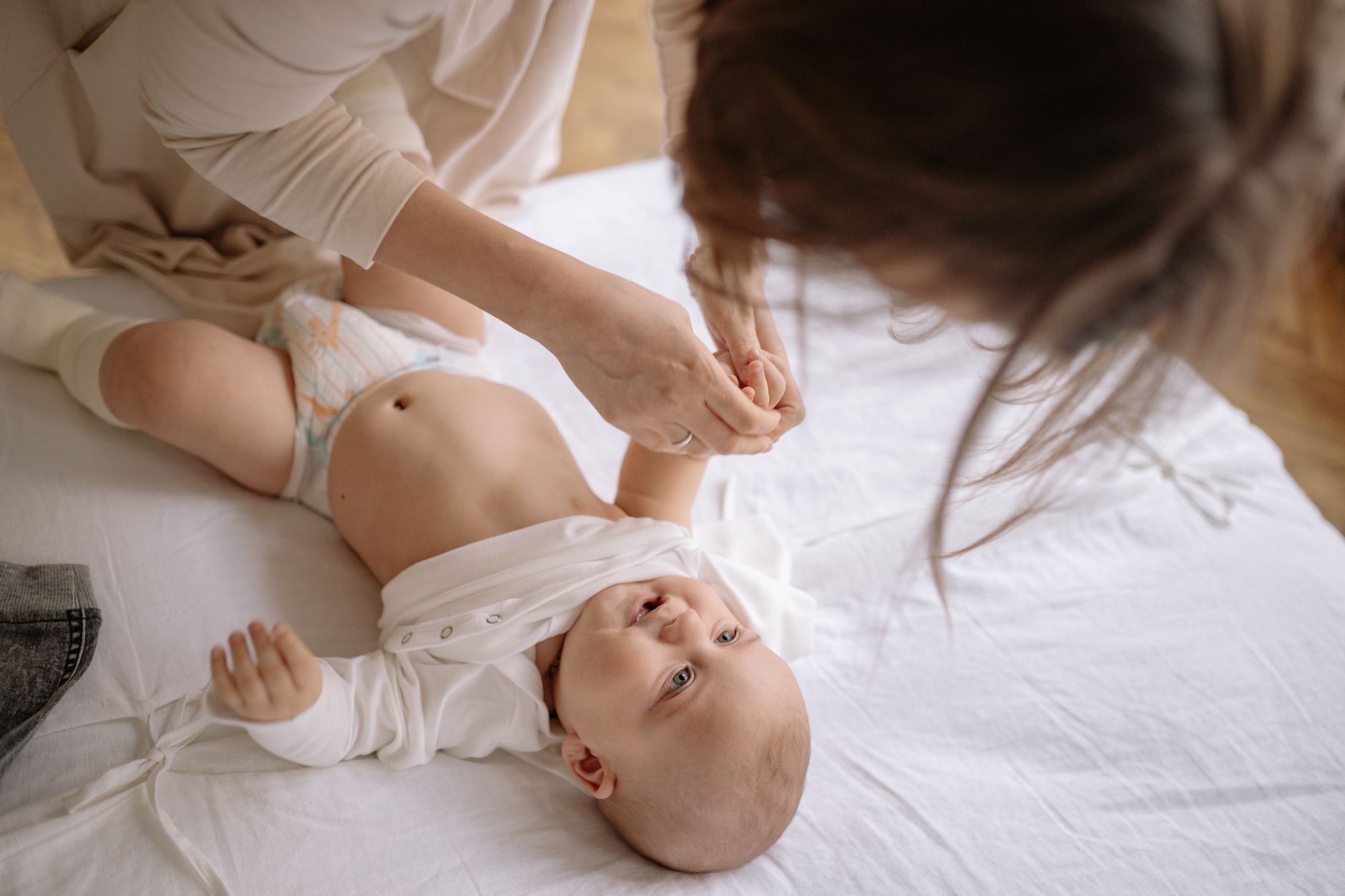
Postnatal fitness is not a comeback tour. It is a slow rebuild of pelvic floor, deep core, breath, and posture, done inside a schedule that no longer belongs to you. Any routine that assumes a clean 45 minute window with a locked door and a childless house is a routine that will never happen. What actually works is short, low noise, and always ready. A mat unrolled next to the crib. A resistance band tucked into the pram basket. A 15 minute sequence that you can pause the moment a nap ends.
Our editors put this guide together after speaking to seven Polish and Central European mothers of babies aged four months to three years, and after trialling the full Decathlon.pl home fitness range against a strict rule. Every product has to be quiet enough for a nap time workout, small enough to store behind a sofa, and cheap enough that a toddler damaging it is not a household crisis. The routine and the kit below cleared all three tests.
What Postnatal Fitness at Home Actually Needs
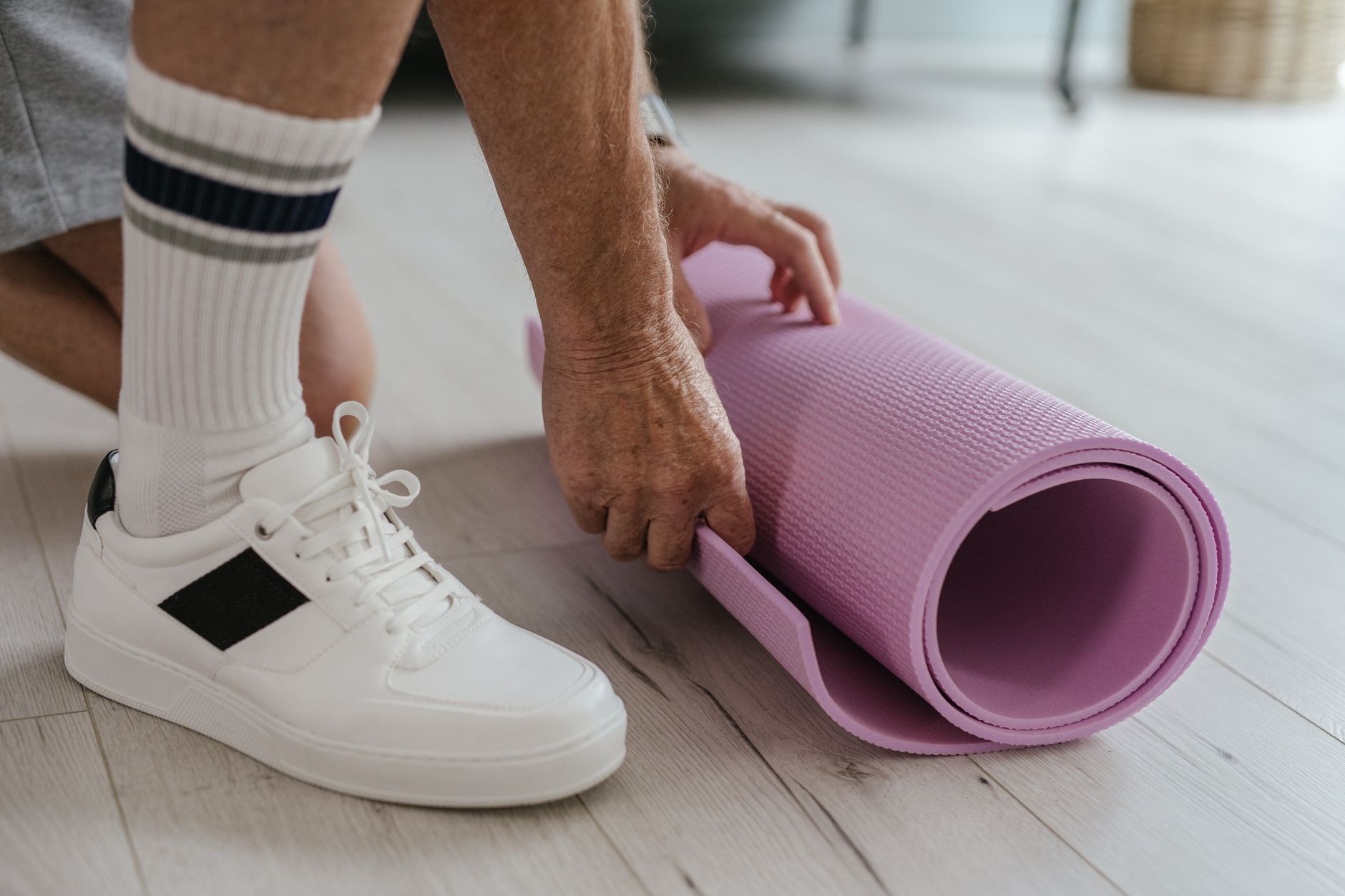
The industry standard postnatal recovery plan sits inside a narrow set of movements. Pelvic tilts, glute bridges, banded clamshells, controlled cat cow, wall supported squats, and short walks. None of those need a treadmill, a rack, or a mirror. What they do need is a soft, non slip surface for the floor work, a set of light resistance bands for the glute and hip openers, and a stable single kettlebell or one pair of light adjustable dumbbells for the standing progressions later.
That translates to a very short kit list. One thick yoga mat. One resistance band set with three tension levels. One 4 to 6 kilogram kettlebell. That is the entire home fitness footprint most new mothers actually use in the first year. Decathlon builds the whole trio inside its Domyos and Kimjaly labels, and every piece is quiet, storable, and priced so it will not stress the household budget.
How We Chose the Kit
Three questions shaped every recommendation. Will a napping baby stay asleep through this workout in a small flat? Can this kit stay assembled behind the sofa or under the bed for six months without becoming unusable? And is the piece good enough that a mother a year past birth will still reach for it when the routine gets serious again?
We also stress tested claims. Anti slip mats got a wet palm plank test. Resistance bands got a snap test at maximum stretch. Dumbbells got a two week drop test on a wooden floor to see if they left dents in the flat. The picks below are the ones that held up on all counts, not the ones with the cleanest catalogue photos.
Best Value Yoga Mat: Kimjaly Comfort 8mm
The Kimjaly Comfort 8mm mat is the postnatal starting piece. Eight millimetres is generous cushioning, which matters for pelvic tilts, hip openers, and any position that puts a bony joint on the floor. The anti slip surface holds a downward dog even with post nursing sweaty palms. It rolls up small enough to slide behind a sofa or into a pram basket. The price sits at around 79 PLN in July 2026, which is a small commitment for a piece you will use daily.
If you have limited floor space and prefer a mat that folds rather than rolls, look at the Kimjaly Fold 6mm instead. Six millimetres is enough for standing work and lighter floor sequences. Skip the ultra thin travel mats. They will not protect a postnatal spine on any surface harder than carpet.
Best Value Resistance Band Set: Domyos Fitness Bands
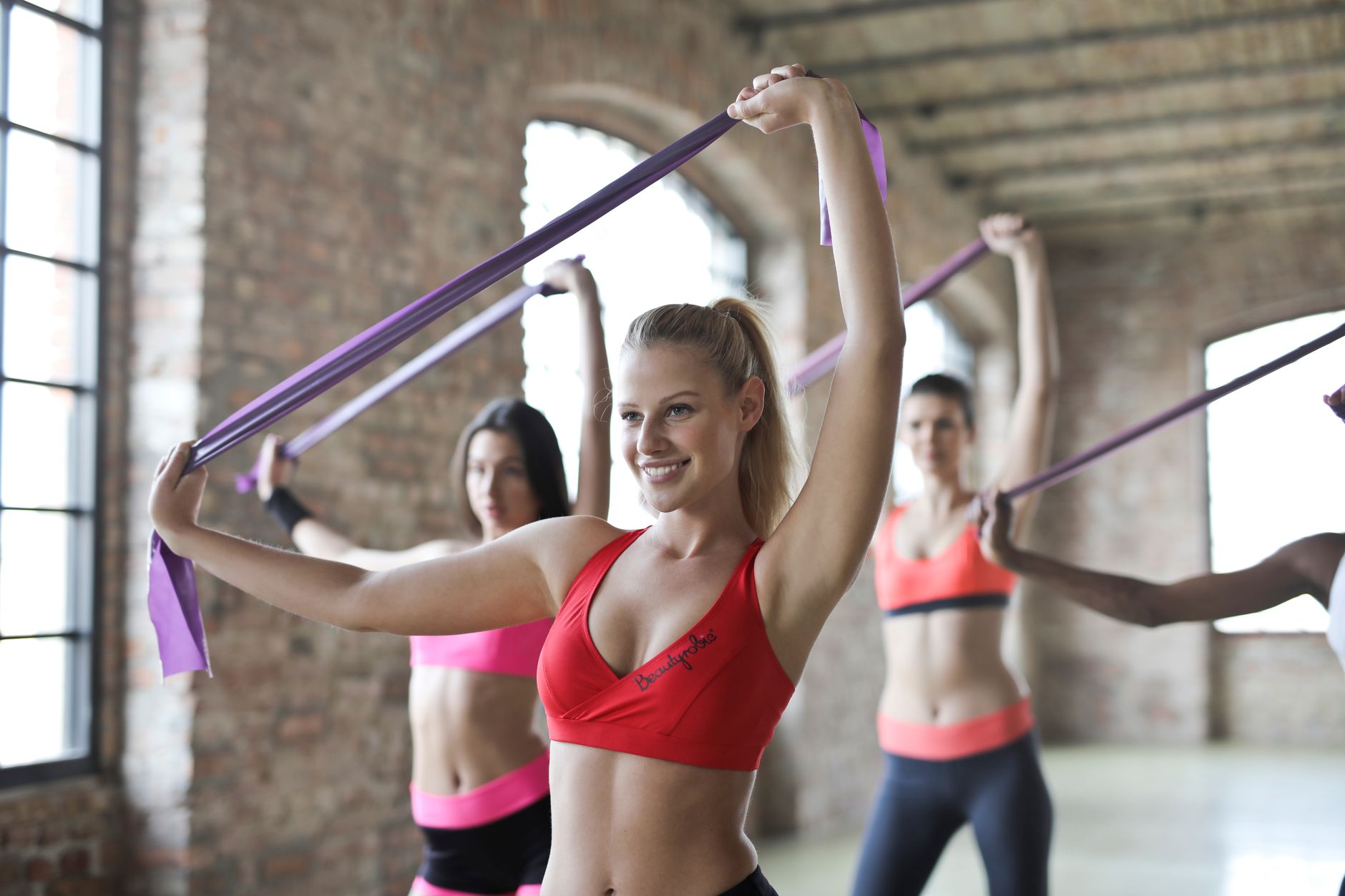
The Domyos elastic band set at around 39 PLN in the July 2026 catalogue is the workhorse of postnatal home training. Three tension levels covers the whole rebuild curve from week six clamshells to month twelve monster walks. The bands are wide enough to sit comfortably above the knee without rolling, and the fabric covered range at slightly higher price is worth the extra ten złoty if you want them to last a full year.
Add the Domyos long resistance band at 25 PLN for standing upper back work later in the plan. It doubles as a light stretching aid for the shoulder tension that comes with carrying and nursing.
Best Value Weight: Domyos 6kg Kettlebell
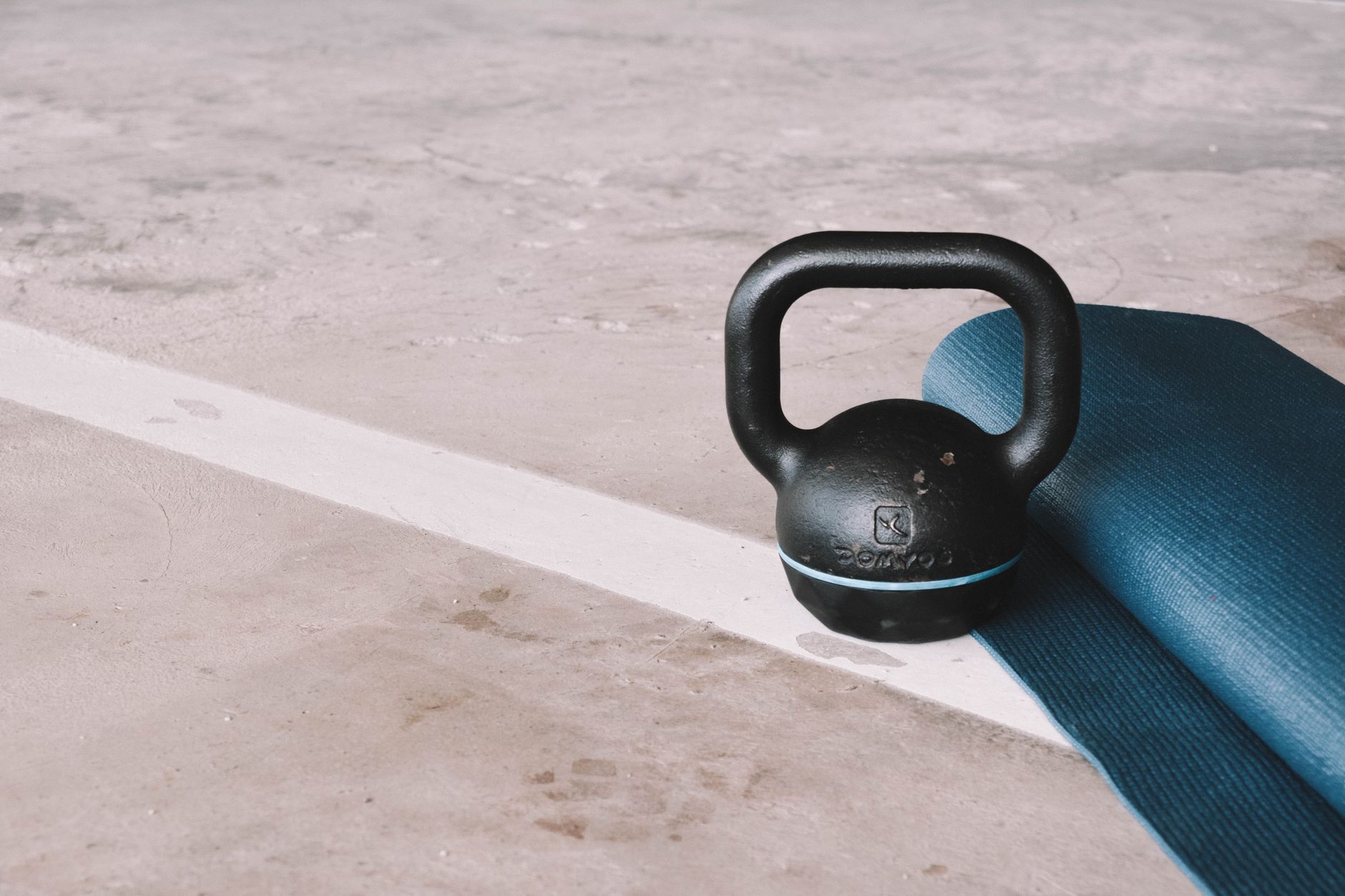
The single piece Domyos 6kg kettlebell at roughly 79 PLN is the right first weight for most mothers past the eight week mark. Six kilograms is heavy enough to load a wall supported squat or a suitcase carry and light enough to control cleanly during postnatal recovery. The vinyl coating means it will not scratch a wooden floor if it falls, which is the exact thing that will happen at least once inside the first month.
Skip adjustable dumbbells with plastic plates at this stage. They tend to be loud, they store poorly in a small flat, and they encourage load progressions before the pelvic floor is ready. A single kettlebell is enough for the first six to nine months of home training.
The 15 Minute Routine We Recommend
Warm up, 2 minutes. Cat cow into slow diaphragmatic breathing on the mat. Focus on exhale and lift for the pelvic floor.
Core and glute block, 6 minutes. Banded glute bridges, 12 reps. Banded clamshells each side, 12 reps. Dead bug with slow breath, 8 per side. Wall supported squat hold, 30 seconds.
Standing block, 5 minutes. Suitcase carry with the 6kg kettlebell, 30 seconds each side. Split stance shoulder press with the long resistance band, 10 per side. Standing side bend, 8 per side.
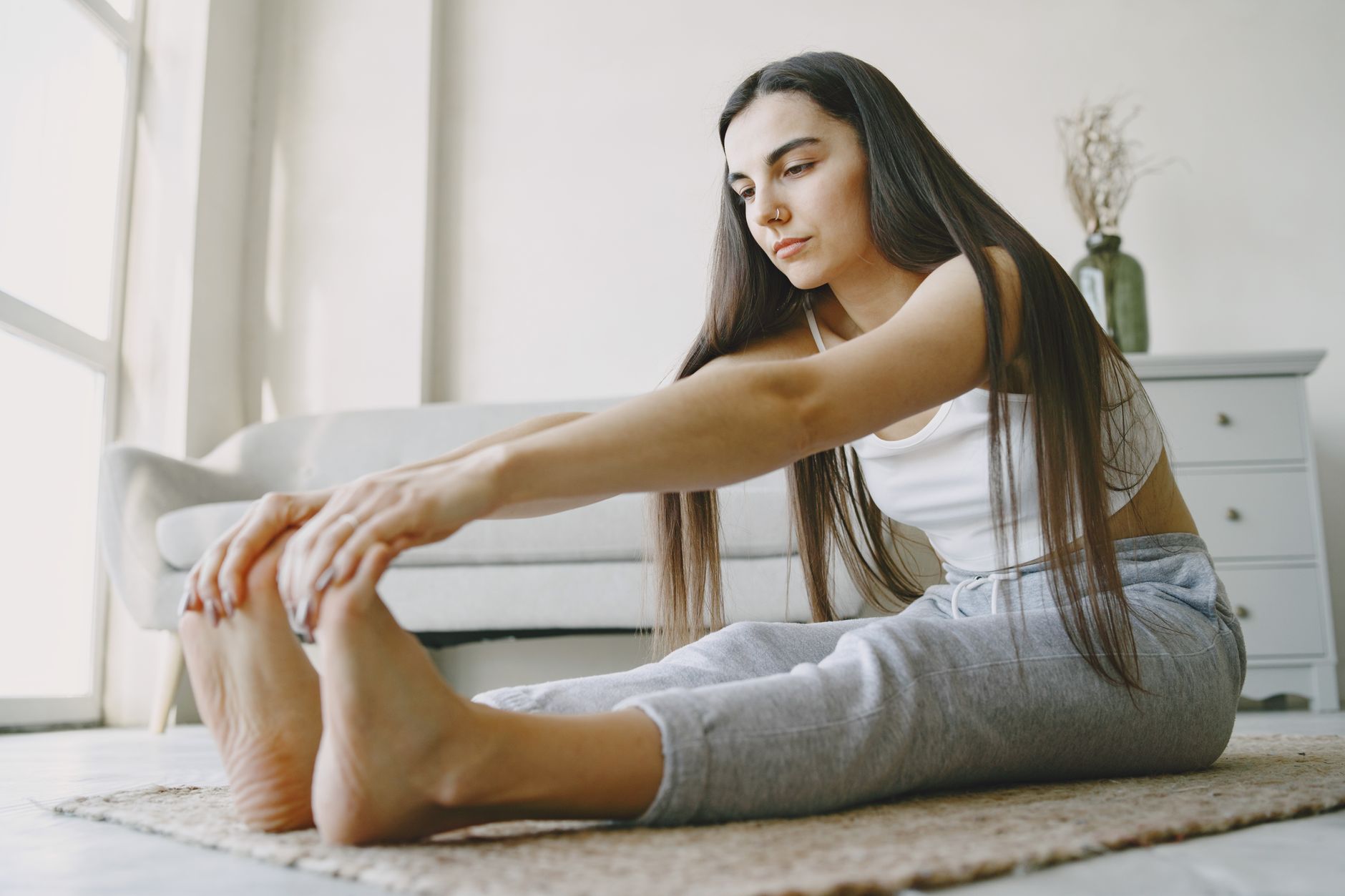
Cool down, 2 minutes. Kneeling hip flexor stretch, 30 seconds per side. Seated forward fold with band, 45 seconds. Slow box breathing to close.
The whole sequence lives on the mat and packs away in under a minute. It has been tested during nap windows, during Peppa Pig episodes, and during the quiet gap after the first bottle. It works in all three.
When to Progress and When to Rest
The temptation with a postnatal routine is to add load or reps too soon. Do not. The signal to progress is not a tick on a calendar. It is a full week of the current routine feeling honestly easy, with no coning at the midline during dead bugs and no heaviness in the pelvic floor after standing work. When those two markers hold for seven days, add a repetition per movement or one minute of standing block. Not before.
Rest days should stay in the schedule for the first six months even if the routine feels short. Sleep debt from a nursing schedule is training load in disguise. A tired mother is not undertraining, she is recovering from a load the plan does not name. Rest is progress.
Pros and Cons of Building a Home Routine with Decathlon.pl Kit
| Pros | Cons |
|---|---|
| Full kit under 250 PLN for mat, bands, and kettlebell | Fabric covered bands cost more than the basic latex ones |
| Quiet enough for nap time workouts in a small flat | Mat surface picks up baby crumbs faster than premium mats |
| Stores flat behind a sofa or under a bed | 8mm mat is bulkier to travel with than a 4mm mat |
| Vinyl kettlebell will not damage a wooden floor | Vinyl finish scratches over years of heavy use |
| Domyos and Kimjaly sizing is friendly to smaller frames | Some products still ship from a German warehouse |
| Two year warranty across the fitness range | Warranty processing is slower than Amazon returns |
| Free shipping on orders over 149 PLN in Poland | Limited neutral tone colours across the mats |
| Range covers postnatal, pregnancy, and general fitness | Postnatal specific product labels are limited |
| Reliable in store returns at all Polish branches | Not every Decathlon branch stocks every SKU |
| Same kit progresses cleanly for the first 12 months | Weight progression beyond 8kg needs a second kettlebell |
Frequently Asked Questions
When can I start this routine after birth? Wait for the six week postnatal check, get clearance from a physiotherapist or GP, and then start slowly with the warm up and core glute block. Add standing work only when the specialist agrees.
Is 15 minutes really enough? Yes. Consistency across five sessions a week beats a single 60 minute effort. The routine is designed to be repeatable inside the actual windows a mother has, not the windows a fitness app imagines.
Do I need a coach or a physio? Book at least one pelvic floor physio consultation postnatally, ideally two. The routine here is a general template, not a substitute for a personalised plan if you have diastasis, prolapse concerns, or a caesarean scar.
Can I do this with a toddler in the room? Yes. Most mothers we spoke to trained beside the toddler at play. The bands and kettlebell are quiet and the mat becomes a play surface between rounds.
What if I only have five minutes? Do the core and glute block only. Skip warm up and cool down for that day and pick them back up tomorrow. Consistency matters more than session length.
Should I buy adjustable dumbbells instead of a kettlebell? Not in the first year. Adjustable dumbbells are noisier, harder to store, and tempt heavy loading before the body is ready. A single 6kg kettlebell will get you through the first twelve months.
What if the baby wakes up mid routine? Stop, pick up the baby, come back when you can. The routine assumes interruption. It is not ruined by it.
Final Verdict
A postnatal routine that survives real motherhood is one that fits inside a nap, uses kit you can store behind the sofa, and does not require an appointment with anyone or anything. Fifteen minutes, three pieces of kit, and a plan that respects the pelvic floor is enough for most mothers to rebuild strength, breath, and posture across the first year. The full setup at Decathlon.pl costs less than a single group class package and lasts far longer. For any mother trying to reclaim a workout window without leaving the flat, this is the kit and the routine we would recommend.