Introduction
If you’ve ever stood in front of the open fridge at 3pm, brain completely blank, wondering what you can possibly eat that will make you feel less like a zombie, you are not alone. Tired doesn’t even cover it some days. There’s a specific kind of exhaustion that comes with being a mom, especially in the first few years, where sleep deprivation, emotional labor, and the constant physical demands of keeping small humans alive just… drain you dry. And yet somehow, your own nutrition ends up at the very bottom of the list.
Here’s what’s actually happening in your body: when you’re running on caffeine, crackers, and whatever your kid didn’t finish, your blood sugar is spiking and crashing all day. Every crash hits like a wall. Protein is the one macronutrient that genuinely stabilizes that cycle, it slows glucose release into your bloodstream, keeps you full for hours, and supports the hormones that regulate your mood and energy. Non pregnant adult women need around 46-50 grams of protein daily at minimum, but if you’re postpartum or breastfeeding, that number jumps to 71 grams or higher, and many moms are nowhere near hitting it. These are not hard recipes. They’re just smart ones.
Why Protein Is the Energy Fix You’ve Been Ignoring
Most exhausted moms reach for sugar or coffee when they hit an energy wall. It works for about 20 minutes, and then you’re worse off than before. Protein doesn’t work like that. When you eat a protein rich meal, your body has to work harder to digest it, this raises your metabolic rate slightly and keeps you feeling full and energized for three to four hours instead of forty five minutes.
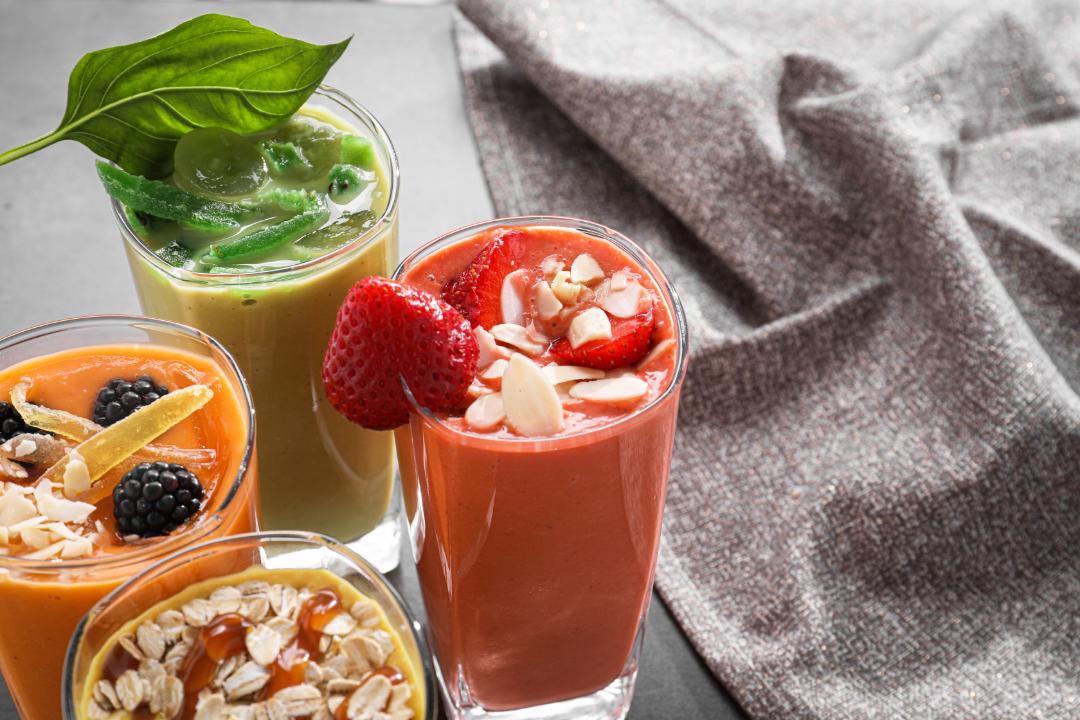
For postpartum moms specifically, the need for protein is even more acute. Your body is rebuilding tissues, regulating hormones that went haywire during pregnancy, and (if breastfeeding) producing milk that requires real nutritional fuel. A 2020 study published in Current Developments in Nutrition found that lactating women need significantly more protein than the current RDA suggests, closer to 1.7 to 1.9 grams per kilogram of body weight per day. For a 140 pound woman, that’s roughly 108 to 120 grams of protein daily. The good news is you don’t need to track every gram obsessively. You just need to make protein the starting point of every meal instead of an afterthought.
Breakfast That Doesn’t Take 20 Minutes You Don’t Have
The mistake most tired moms make at breakfast is reaching for cereal, toast, or a granola bar, all things that spike blood sugar and leave you crashing before 10am. The fix is easier than you think.
A bowl of full fat Greek yogurt (around 15-17 grams of protein per cup) topped with a tablespoon of almond butter and some blueberries takes two minutes to put together and will hold you until noon. Two scrambled eggs with a handful of shredded rotisserie chicken and some cheese is another option that hits 30+ grams of protein in under five minutes. If you’re someone who can’t stomach food first thing, a blender smoothie with a scoop of protein powder, half a cup of cottage cheese, a banana, and some milk (dairy or oat) gives you 30-35 grams of protein in something you can drink while packing lunch boxes.
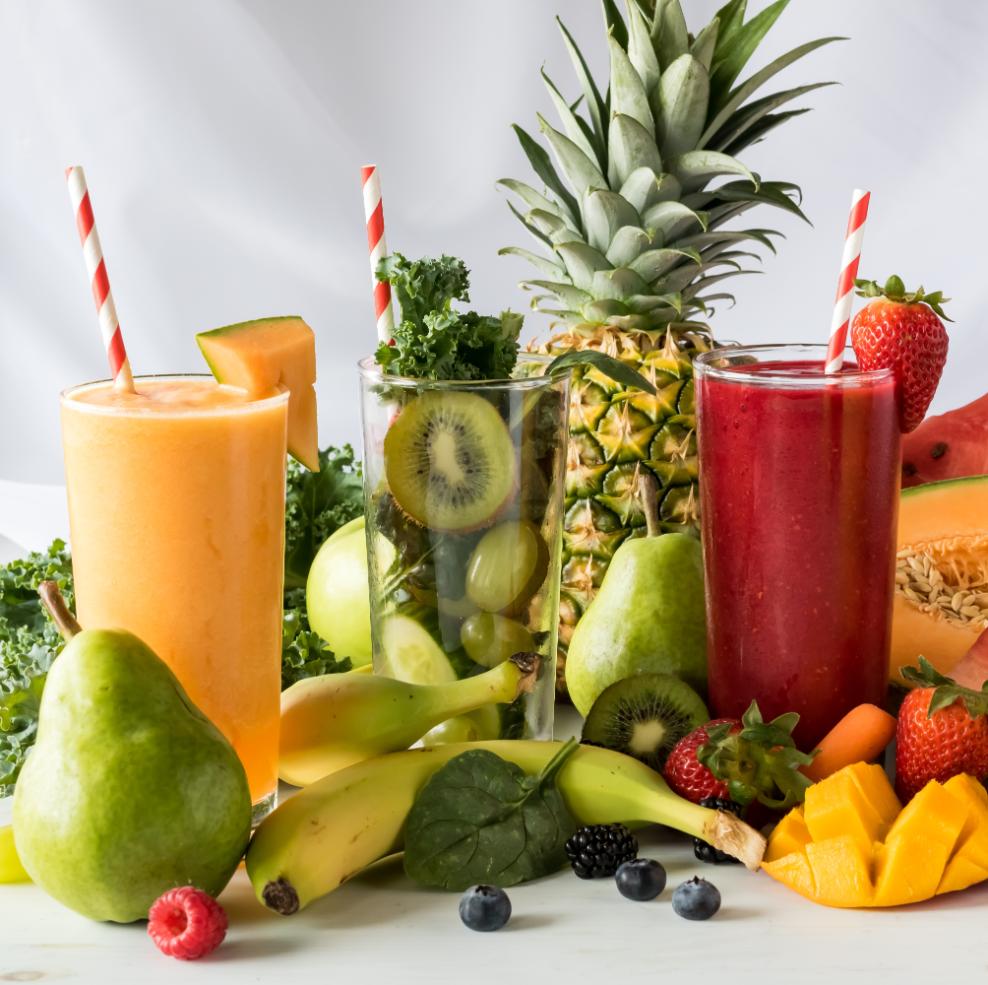
The goal for breakfast is at least 25-30 grams of protein. That one change alone will make a noticeable difference in how your mornings feel, less brain fog, fewer carb cravings before lunch, and more patience when someone inevitably spills their cereal.
Easy High Protein Lunch Ideas You Can Actually Make at Home
Lunch is the meal moms are most likely to skip or eat standing up over the sink. It’s also the meal that can make or break your energy for the rest of the afternoon. Aim for 25-30 grams of protein at lunch, and you’ll be amazed at how different the 2-4pm window feels.
A tuna salad wrap made with one can of tuna (about 25 grams of protein), mayo, diced celery, and a large whole wheat tortilla takes four minutes and keeps you full for hours. A smashed chickpea and feta sandwich on sourdough sounds fancy but is just canned chickpeas mashed with lemon, olive oil, and salt, add some feta on top and it clocks in around 20 grams of protein. Pair it with a hard boiled egg on the side and you’re at 26 grams.
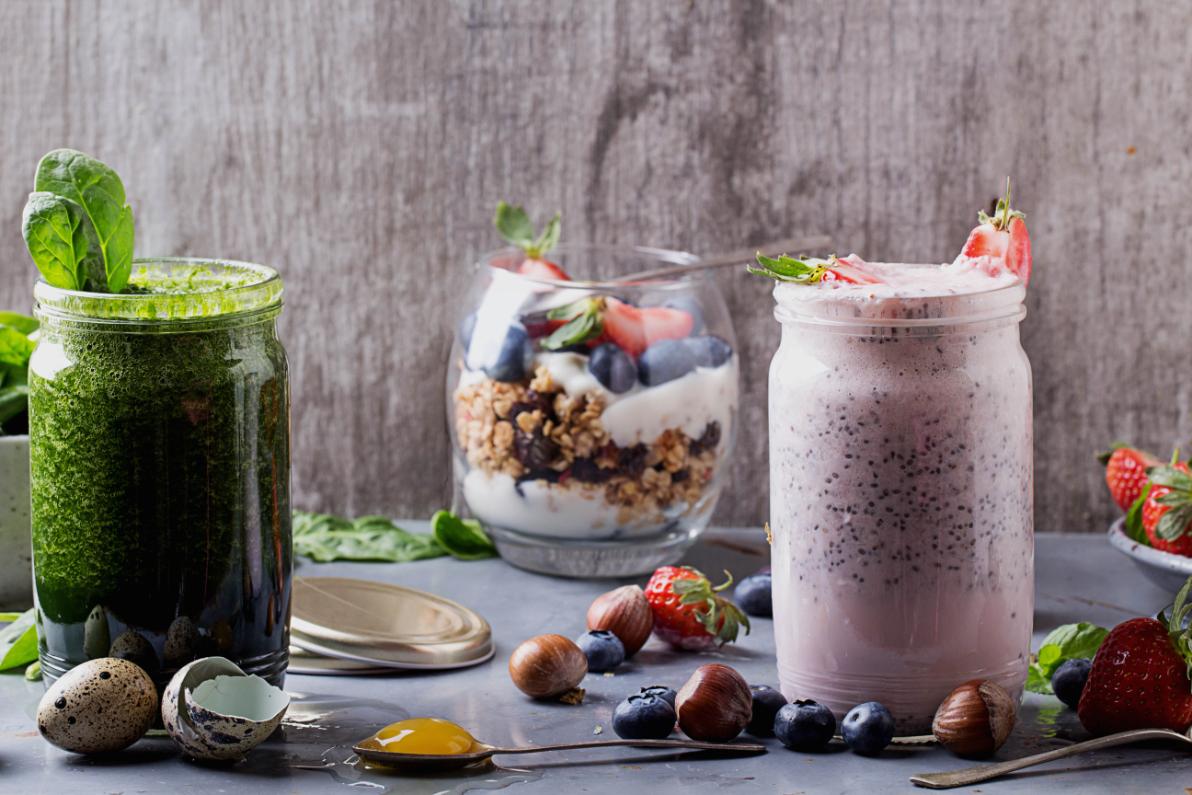
One of the best time savers is keeping a batch of prepped proteins in the fridge, a rotisserie chicken you’ve pulled apart, a container of hard boiled eggs, some cooked lentils. With those already done, lunch becomes less cooking and more assembly. A bowl with rotisserie chicken, leftover rice, sliced avocado, and a drizzle of soy sauce takes three minutes and hits 35 grams of protein easily. Smoked salmon on cream cheese toast with cucumber is another five minute option that delivers 25-30 grams and feels a lot more satisfying than a sad desk salad.
Dinners That Work When You’re Running on Empty
Dinner is usually the meal where moms put the most effort in, for everyone else. These ideas are designed to be weeknight real: 30 minutes or less, minimal dishes, and high enough in protein that you’re not raiding the pantry at 9pm.
Sheet pan chicken thighs with roasted chickpeas and whatever vegetables are in the fridge is one of the easiest dinners you can make. Season everything with olive oil, garlic powder, paprika, and salt, roast at 425°F for 25 minutes, and dinner is done. Chicken thighs average around 28 grams of protein per serving, and the chickpeas add another 7-8 grams, you’re looking at a 35+ gram protein dinner with minimal effort.
Turkey taco bowls are another staple worth keeping in rotation. Ground turkey cooks in ten minutes, seasoned with cumin, chili powder, garlic, and a squeeze of lime. Serve over rice or cauliflower rice with Greek yogurt (instead of sour cream, same taste, double the protein), shredded cheese, and black beans. A serving of this lands around 40 grams of protein and the whole pot costs under $15. Lentil soup made in a slow cooker is another option where you throw everything in before school pickup and come home to dinner already done, one cup of lentils has 18 grams of protein, and paired with a piece of crusty bread and a sprinkle of cheese, it’s a complete meal.
Snacks That Actually Do Something
Snacking is where most moms fall apart energy wise, not because they snack too much but because the snacks they’re eating, crackers, pretzels, fruit pouches, have almost no protein. A good protein snack is at least 10-15 grams and pairs protein with fat or fiber so it lasts.
Options that work: hard boiled eggs (6 grams each, keep a batch in the fridge), string cheese with a handful of almonds (12-14 grams together), cottage cheese with a drizzle of honey and some berries (15 grams in half a cup), edamame with sea salt (17 grams per cup), or a spoonful of peanut butter with apple slices and a glass of milk. These are not glamorous. But they’re the kind of snacks that get you through school pickup, homework time, and the dinner prep gauntlet without losing your mind.
Do’s and Don’ts for Getting More Protein as a Mom
| Do's | Don't |
|---|---|
| Aim for 25-30g of protein at each main meal | Rely on just one high protein meal and coast the rest of the day |
| Keep pre cooked proteins in the fridge (rotisserie chicken, hard boiled eggs) | Wait until you're ravenous to figure out what to eat |
| Pair protein with fiber or fat for longer satiety | Eat protein with lots of refined carbs that spike blood sugar |
| Use Greek yogurt as a swap for sour cream, mayo, or cream in recipes | Skip breakfast or eat only carbs in the morning |
| Add cottage cheese to smoothies, scrambled eggs, or pasta sauces for a hidden protein boost | Assume you need expensive protein shakes to hit your targets |
| Choose canned tuna, lentils, and eggs as budget friendly protein staples | Assume high protein eating has to be expensive |
| Drink enough water, dehydration makes fatigue significantly worse | Overload every meal with protein at the expense of vegetables and balance |
| Batch cook on Sunday, even 30 minutes of prep saves the whole week | Try to make completely new meals every night with no prep ahead |
| Read nutrition labels for protein content before buying snacks | Assume "healthy" snacks are automatically high in protein |
| Ask for help or simplify meals when you're in survival mode | Guilt yourself for not cooking elaborate meals, simple is still nutritious |
FAQs
How much protein do moms actually need each day?
For most adult women, the baseline recommendation is around 46-50 grams of protein per day, but that’s genuinely the minimum, not the target. If you’re postpartum, breastfeeding, dealing with fatigue, or just trying to maintain energy levels and muscle mass through a demanding phase of life, aim higher. Many registered dietitians recommend 80-100 grams per day for active or postpartum women, with breastfeeding moms needing closer to 71-90 grams. Spreading that across three meals and two snacks makes it much more manageable than trying to hit it all at once.
Can I get enough protein without eating meat?
Absolutely. Greek yogurt, cottage cheese, eggs, lentils, chickpeas, black beans, edamame, tofu, and tempeh are all strong plant forward or vegetarian protein sources. A cup of lentils has 18 grams of protein. A cup of edamame has 17 grams. A half cup of cottage cheese has 15 grams. You don’t need chicken at every meal to hit your protein targets, you just need to be intentional about including these foods regularly.
What’s the easiest way to add more protein to meals I already make?
The simplest hacks are: stir a spoonful of Greek yogurt into pasta sauces, soups, or dressings; blend cottage cheese into smoothies; add canned white beans to soups and stews without changing the flavor; sprinkle hemp seeds on oatmeal or salads (3 tablespoons = 10 grams of protein); and use eggs as a protein booster in fried rice, grain bowls, or stir fries. These changes add 10-20 extra grams of protein to meals without requiring a new recipe.
Does protein actually help with mom fatigue, or is that overhyped?
It genuinely helps, though it’s not magic. The energy crashes that cause afternoon fatigue are largely driven by blood sugar instability, which protein directly addresses. When you eat protein alongside carbohydrates, it slows how quickly glucose enters your bloodstream, giving you steadier, longer lasting energy instead of a spike and crash. For postpartum moms especially, protein also supports hormone production and tissue repair, both of which affect how you feel day to day. It’s not a replacement for sleep, but it makes the sleep deprivation significantly more tolerable.
What are the best high protein breakfast options for moms who have no time?
The fastest options are: Greek yogurt straight from the container with some fruit and a drizzle of honey; two hard boiled eggs you prepped ahead of time; a protein smoothie made the night before; or cottage cheese with some sliced banana. If you have five minutes, scrambled eggs with cheese on a whole wheat tortilla or leftover dinner protein reheated with eggs is a solid option. The key is to stop thinking of breakfast as a special occasion meal that requires cooking, it can be an assembly job.
Is it okay to use protein powder as a mom?
Most protein powders are safe for non breastfeeding moms, but if you’re breastfeeding, it’s worth checking the label for added herbs, adaptogens, or supplements that haven’t been studied in lactation. Whey protein and plain pea protein are generally considered fine in moderate amounts. That said, real food sources are always preferable when you can manage them, Greek yogurt, cottage cheese, and eggs are more nutrient dense than a scoop of powder and cost less per gram of protein in many cases.
How do I get my toddler to eat more protein too?
Honestly, most of the foods in this post are toddler friendly. Hard boiled eggs, rotisserie chicken, cheese, Greek yogurt, peanut butter, these are all foods kids tend to accept. The trick with toddlers is presentation and not forcing it. Offering protein as part of a plate with something they already love (even if they ignore the protein at first) eventually builds familiarity. Mini turkey meatballs, quesadillas with cheese and black beans, and peanut butter banana smoothies are reliable crowd pleasers in the toddler protein category.