
What Even Is Collagen and Why Does It Matter for Moms?
Collagen is the most abundant protein in your body. It's the structural glue that holds your skin firm, keeps your joints cushioned, supports your gut lining, and helps your tendons and ligaments stay flexible. Think of it like the scaffolding behind everything that keeps you moving and looking like yourself. Your body makes it naturally — but here's the catch: production starts declining around your mid-20s and drops faster after pregnancy, breastfeeding, and the cumulative stress of running a household on broken sleep.
For moms specifically, this matters a lot. Pregnancy and postpartum recovery pull serious collagen reserves. Your body is repairing tissue, rebuilding the uterus, possibly healing from a C-section or perineal tears, and supporting milk production all at once. Hair thinning in the months after birth? That's partly collagen-related. Achy hips and knees from carrying a baby on your hip for 14 hours? Collagen plays a role there too. The joints that felt loose during pregnancy, thanks to relaxin, need collagen to restore their structure.
So no, collagen is not just a vanity nutrient. For women juggling the physical demands of motherhood, it's genuinely functional — and that's before we even get to skin or anti-aging.
What the Science Actually Says About Collagen Supplements
Let's be honest: the supplement industry has a habit of overstating everything. So it's fair to ask whether collagen pills and powders are backed by anything real. The short answer is yes, with caveats.

A review of 19 studies covering more than 1,125 participants — 95 percent of them women — found that hydrolyzed collagen improved skin hydration, elasticity, and wrinkle appearance compared to placebo. That's a meaningful signal. A separate randomized, placebo-controlled trial published in PMC showed improvements in skin density and roughness after consistent collagen supplementation. More recently, a 2025 review in Frontiers in Nutrition confirmed that collagen supplementation shows moderate benefits for skin, muscle health, and joint pain from osteoarthritis.
But here's the honest caveat you deserve: a number of these studies were funded by collagen manufacturers, which introduces bias. Independent, high-quality studies tend to show smaller effects. The benefits are real but incremental — you're not going to see dramatic change in two weeks. Most researchers suggest 8 to 12 weeks of daily use before meaningful results show up. Dosage matters too: studies typically use 5 to 10 grams of hydrolyzed collagen peptides per day, not just a sprinkle in a smoothie.
For joint pain — something a lot of moms deal with, especially in the knees and hips — the evidence is actually pretty solid. Multiple trials show that collagen supplementation reduces pain and stiffness in people with osteoarthritis. If you're lugging a toddler around and your knees are complaining, this is worth paying attention to.
Bone Broth: Superfood or Overhyped Stock?
Bone broth is collagen's more photogenic cousin. It's made by simmering animal bones — chicken feet, beef knuckles, fish carcasses — for anywhere from 6 to 24 hours, which breaks down the collagen in connective tissue into gelatin and amino acids. It's real food, it's nourishing, and it has been used in traditional cooking across cultures for centuries.
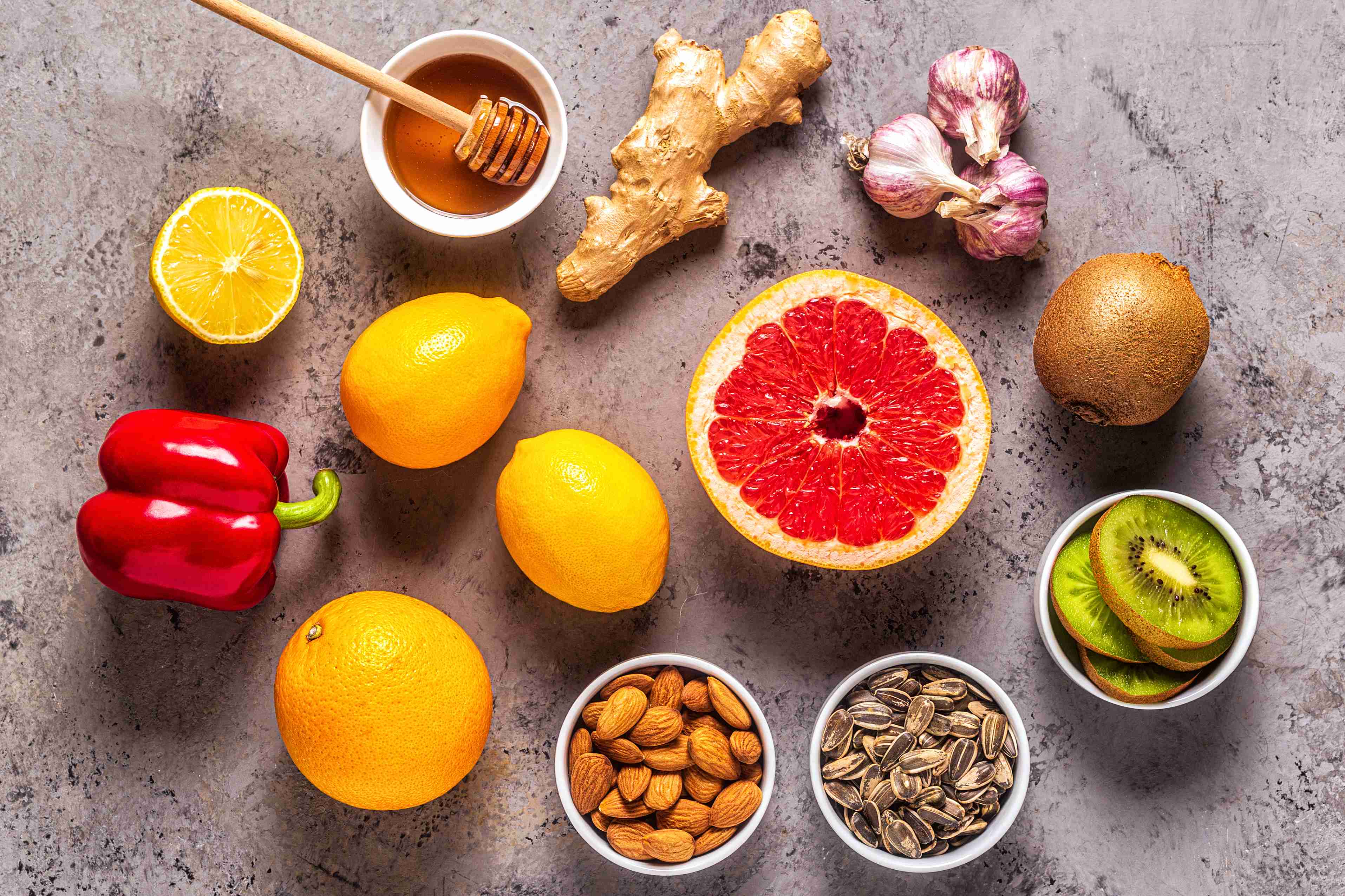
The nutritional case for bone broth is solid but not magical. A well-made homemade batch can contain 6 to 20 grams of collagen per cup, depending on the bones used and how long you simmer. It's also a decent source of glycine, proline, and hydroxyproline — the amino acids that your body uses to synthesize new collagen. You also get small amounts of minerals like calcium, magnesium, and phosphorus, plus it's naturally gut-friendly because glutamine in broth helps repair the intestinal lining.
The reality check: store-bought bone broth is often far less potent. Some commercial versions contain as little as 2 to 3 grams of collagen per serving and load up on sodium to compensate for thin flavor. If you're going the store route, check the label for actual collagen or gelatin content, not just marketing language. If the broth doesn't gel slightly when refrigerated, it doesn't have meaningful collagen in it.
There is one legitimate concern worth knowing: some studies have found elevated lead levels in bone broth, particularly broths made from certain animal bones. The levels found are generally considered low, but if you're pregnant or nursing, this is worth discussing with your OB or midwife before making bone broth a daily habit.
Collagen-Rich Foods Worth Adding to Your Plate
Before you spend $60 on a tub of collagen powder, know this: your body can build collagen from the raw materials you eat every day. You don't have to supplement at all if your diet covers the bases.
The most collagen-rich foods are all animal products: chicken skin, pork skin, beef tendons, sardines, and egg whites are among the top sources. Chicken collagen in particular is well-studied for joint support. Salmon and other oily fish provide marine collagen, which has excellent bioavailability — meaning your body absorbs and uses it efficiently.
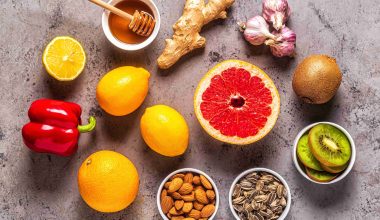
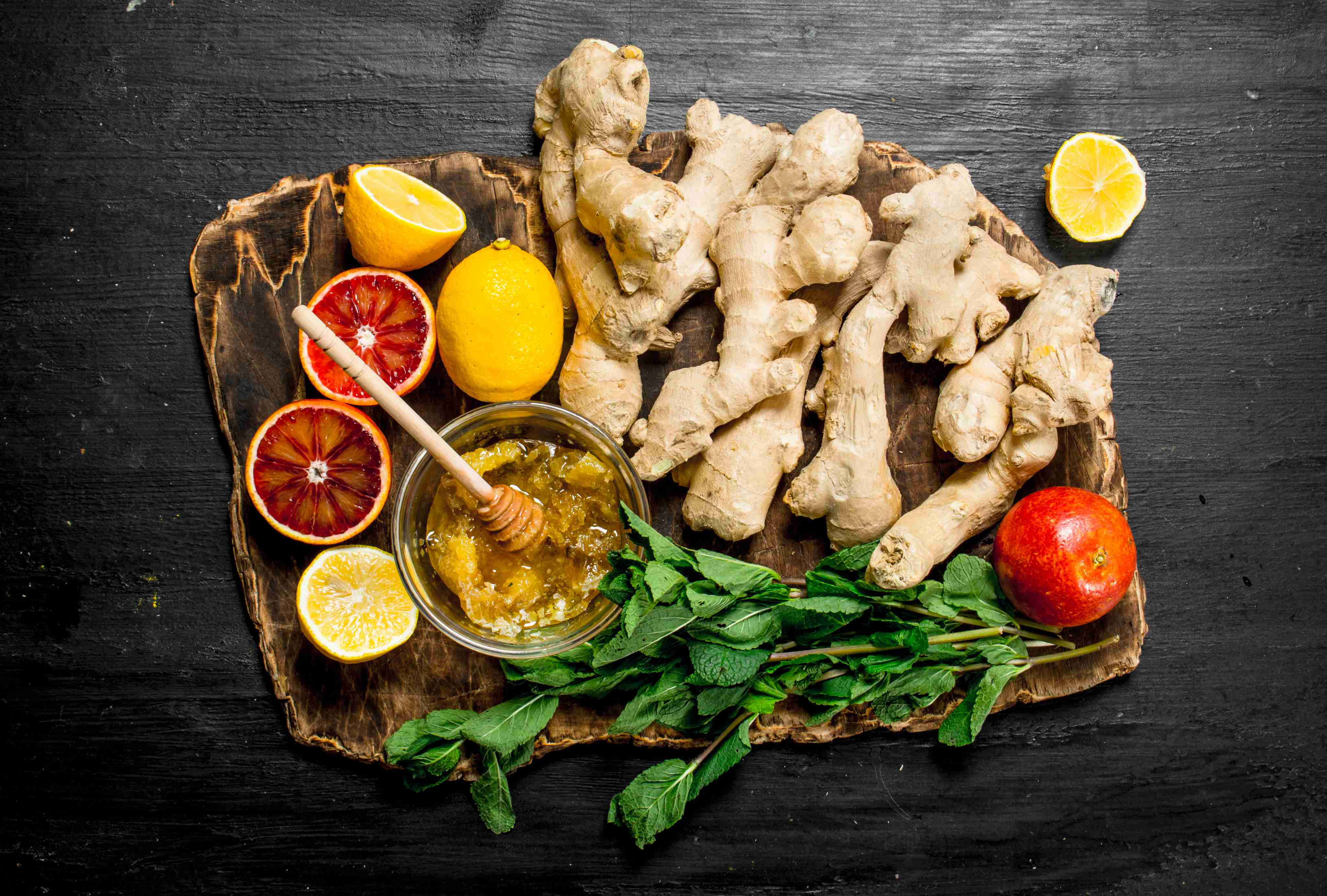
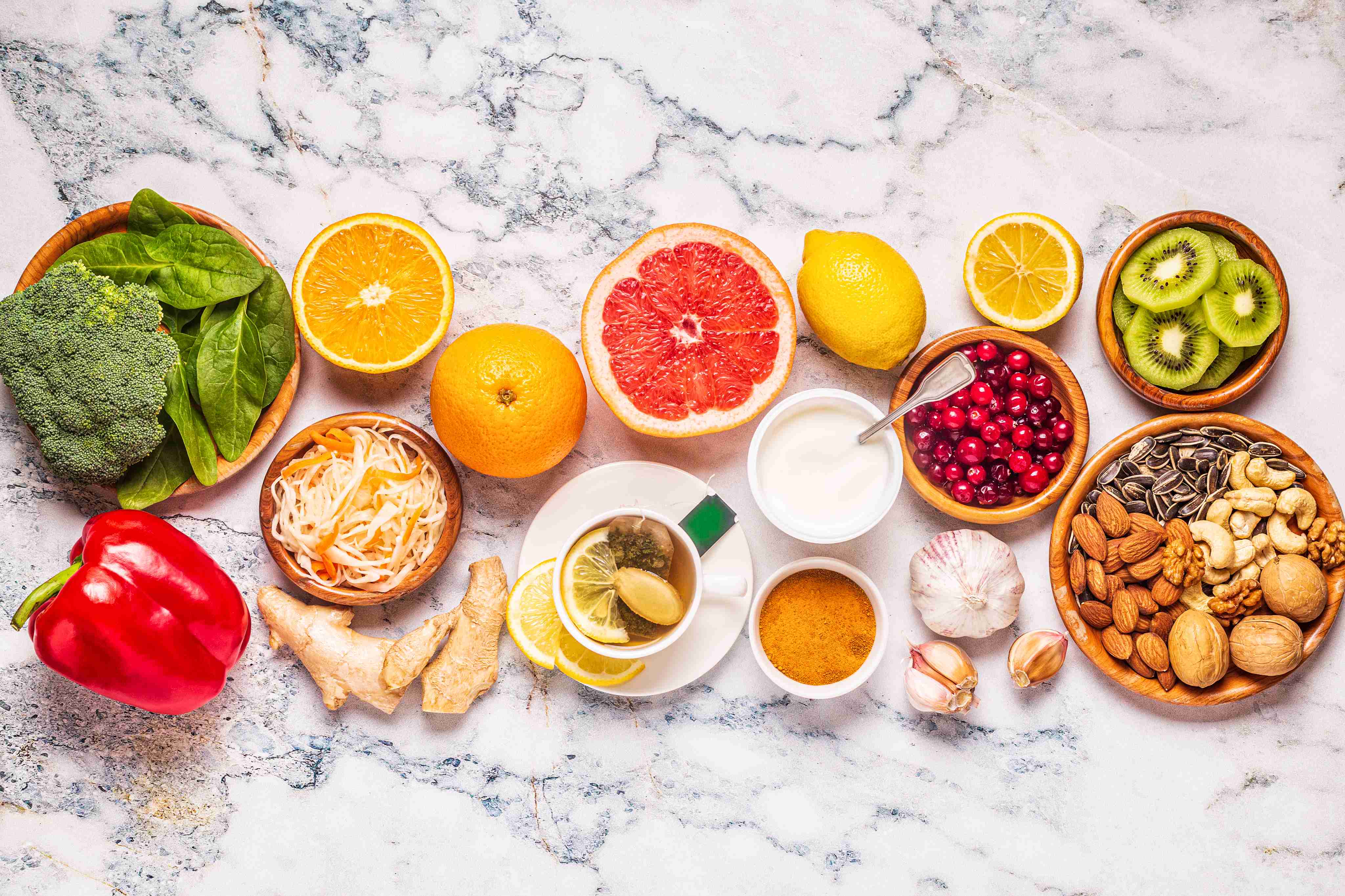
Equally important are the foods that support collagen synthesis. Vitamin C is non-negotiable here — without it, your body literally cannot produce collagen. Bell peppers, citrus fruits, strawberries, broccoli, and kiwi are all excellent sources. Zinc (found in pumpkin seeds, lentils, and beef) and copper (in nuts, seeds, and liver) are also key cofactors.
If you're a mom who already eats a reasonably varied diet with some animal protein, good produce, and leafy greens, you're already supporting your collagen production without spending a dime extra. The supplement becomes a question of optimizing on top of a decent baseline, not replacing a missing foundation.
Should You Actually Buy a Collagen Supplement?
Here's how I'd think about it. If you're eating well, not under unusual physical stress, and sleeping decently (ha, I know), you probably don't need a supplement. Your body is handling it.

But if you're postpartum, dealing with joint aches, noticing significant hair thinning, or going through perimenopause — periods when collagen loss accelerates — a collagen supplement can be a genuinely useful addition. Look for hydrolyzed collagen peptides (also called collagen hydrolysate), which are easier for your body to absorb than native collagen. Marine collagen is slightly more bioavailable than bovine, though both work. Pair it with a vitamin C source to maximize absorption.
Timing doesn't matter much, so add it wherever it actually fits your day: a scoop in morning coffee, mixed into a smoothie, or stirred into plain oatmeal. Collagen peptides are unflavored and dissolve without clumping. The brands I'd suggest looking for are ones that publish their third-party testing results and don't bury the actual collagen content under a proprietary blend label.
Skip anything marketed as "collagen-boosting" without actual collagen in the ingredient list. Gummy vitamins that claim collagen benefits rarely have meaningful amounts. And don't expect topical collagen creams to do what internal collagen does — the molecules are too large to penetrate the skin barrier.
Do's and Don'ts for Moms Navigating Collagen
| Do | Don't | |
|---|---|---|
| 1 | Start with food sources like bone broth, chicken, and fish before reaching for supplements | Don't expect overnight results — collagen takes 8–12 weeks to show measurable change |
| 2 | Pair collagen intake with vitamin C-rich foods to boost synthesis | Don't buy store-bought bone broth without checking the collagen or gelatin content |
| 3 | Look for hydrolyzed collagen peptides when choosing a supplement | Don't rely on collagen gummies — they rarely contain therapeutic amounts |
| 4 | Make homemade bone broth from chicken feet or beef knuckles for maximum collagen yield | Don't use collagen as a substitute for sleep, sunscreen, and a whole-foods diet |
| 5 | Check if your broth gels in the fridge — that's your quality test | Don't assume a supplement is safe during pregnancy without checking with your provider |
| 6 | Choose marine collagen if you want slightly better bioavailability | Don't skip the vitamin C — without it, collagen synthesis doesn't work properly |
| 7 | Add collagen to warm drinks or oatmeal for easy daily consistency | Don't pay premium prices for "proprietary blends" that hide actual collagen content |
| 8 | If you're postpartum or nursing, run it by your midwife or OB first | Don't expect topical collagen creams to work the same as ingestible collagen |
| 9 | Use third-party tested brands that publish their testing results | Don't consume large amounts of store-bought bone broth daily if you're pregnant — lead content is a real concern |
| 10 | Drink enough water — collagen works better when you're well hydrated | Don't overthink it: a balanced diet with protein and produce does more than any single supplement |
FAQs About Collagen and Bone Broth for Moms
Is collagen actually safe to take while breastfeeding?
Generally yes, hydrolyzed collagen peptides are considered safe while nursing, but it's worth mentioning to your provider simply because supplements aren't heavily regulated. The amino acids in collagen are the same ones found in protein-rich foods, so there's no novel substance involved. The concern worth flagging is bone broth specifically — if you're consuming large daily quantities, the lead content (particularly in broth made from certain bones) is something to be aware of postpartum.
How long does it take to see results from collagen supplementation?
Research consistently points to 8 to 12 weeks as the window where measurable changes in skin hydration, elasticity, and joint comfort start to show up. If you're expecting results in two weeks, you'll be disappointed and quit too early. Collagen turnover in the body is a slow biological process — you're essentially rebuilding structural tissue, which doesn't happen overnight.
Is bone broth better than a collagen supplement?
They're doing similar things but with differences. Well-made homemade bone broth delivers collagen alongside real food nutrients — minerals, amino acids, gelatin — in a bioavailable form. A good collagen supplement is more concentrated and consistent in dosage. If you enjoy cooking, bone broth is a satisfying food-first approach. If you want predictability in a busy life, a powder is more practical. Ideally, you use both and enjoy both.
What are the best collagen foods for moms who don't want to supplement?
Chicken (especially with skin), salmon, sardines, pork skin, and egg whites are your best direct sources. For collagen synthesis support, load up on bell peppers, citrus, strawberries, kiwi, broccoli, pumpkin seeds, and lentils. A meal like roasted salmon with a side of stir-fried bell peppers and broccoli is genuinely a collagen-supporting plate.
Does collagen help with postpartum hair loss?
Postpartum hair shedding (technically called telogen effluvium) is primarily hormonal, not collagen-deficient. That said, collagen supports the connective tissue around hair follicles and provides amino acids that can contribute to hair structure. It may help speed up the recovery phase, but it won't stop the initial hormonal shedding. Iron levels and thyroid function are more often the root cause if hair loss is significant — worth getting bloodwork done if you're concerned.
Is bone broth really as collagen-rich as people say?
Homemade broth that gels when cooled, yes. A quivering, gelatinous broth straight from the fridge means the collagen is there. Thin, watery store-bought broths often aren't. If you're buying commercial bone broth, look for one that lists collagen content in grams, not just "made with bones." Brands like Kettle & Fire and Bare Bones are generally more transparent about actual collagen content than generic store brands.
Can collagen help with joint pain from carrying kids all day?
There's actually solid evidence here. Multiple clinical trials show collagen supplementation reduces joint pain and stiffness, especially in weight-bearing joints like knees and hips. If your hips ache at the end of a day of lifting and carrying, adding collagen consistently for three months is a reasonable, low-risk thing to try alongside good movement habits and not carrying everything on one hip.
What's the difference between Types I, II, and III collagen?
Type I is the most abundant and is found in skin, bones, and tendons — great for skin and overall structural support. Type II is primarily in cartilage and is especially useful for joint health. Type III works alongside Type I and is found in skin and blood vessels. Most collagen supplements are Type I and III, which is fine for general use. If you specifically want joint support, look for Type II collagen, which often comes from chicken sternum cartilage.