Sun Protection Is Non-Negotiable — and It's More Than Sunscreen
Let's start here because this is where most first-timers underpack. Sunscreen is obvious. What's less obvious: sunscreen alone isn't enough, and half the bottles in your cabinet are probably the wrong kind for little ones.
For toddlers specifically, reach for mineral-based formulas — look for zinc oxide or titanium dioxide on the ingredient list. Thinkbaby SPF 50+ (~$16 for 3 oz) has been a staple in our bag for two years. It scores a top EWG safety rating, smells neutral, and actually rubs in instead of leaving your kid looking like a tiny ghost. Blue Lizard Baby SPF 50+ is another solid pick that's reef-safe and water-resistant for 80 minutes. Reapply every 90 minutes regardless of what the label says. Sand + sweat + splashing is not what they test in labs.
Beyond sunscreen: a UPF 50+ rash guard is one of the best investments you'll make. Brands like SwimZip and UV Skinz do long-sleeve options that cover shoulders and arms so you don't have to reapply over a huge surface area every hour. Pair it with a UPF 50+ hat — RuffleButts and Sunday Afternoon both make ones with adjustable chin straps that actually stay on toddler heads (a genuine miracle). Add a pair of Babiators sunglasses (~$30), which have shatter-resistant lenses and come with a one-year replace-if-lost guarantee, and your kid is protected head to toe.
Shade Is Your Best Friend — Bring Your Own
Here's a thing I learned the hard way: beach umbrellas are not enough, especially with a baby or a toddler who needs to nap. The wind tilts them. The angle shifts as the sun moves. You end up chasing shade like it owes you money.
A pop-up beach tent is the move. The Pacific Breeze Easy Setup Beach Tent runs about $55–$70 and opens in under a minute — which matters when you've got a screaming toddler on your hip and a tote bag sliding off your shoulder. It fits two adults and a small child comfortably, has a built-in floor, and blocks both wind and UV. The WolfWise Beach Tent (~$45) is a budget-friendly option with good ventilation, and if you're traveling with a baby specifically, the Joovy Gloo has a UPF 50+ canopy and fits over a pack-n-play so you can set up a proper nap spot on the sand.
Shade isn't just comfort — it's a genuine safety measure for under-ones who can't wear sunscreen at all.
The Swim Diaper Situation (Don't Mess This Up)
Regular diapers in the ocean will become a waterlogged disaster within about four minutes. They absorb everything — including seawater — and turn into what I can only describe as a soggy bowling ball attached to your child. Swim diapers are non-negotiable.
Disposable swim diapers (Huggies Little Swimmers, ~$12 for a pack of 12) are the easiest option for travel. Reusable ones from iPlay by Green Sprouts work great if you're doing multiple beach days and want to cut down on waste — they're about $9–$12 each and hold up through countless washes. Pack at least three for a full day out. Accidents happen, warm water is exciting, and sometimes you just need a fresh start after lunch.
Snacks and Hydration: Think Sandy Hands and Hot Sun
Sand gets into everything, including snacks — and a toddler who's just grabbed a fistful of beach and then grabbed a cracker is going to have a very bad time. The trick is individually packaged, sealed snacks. Each kid gets their own bag. Nobody shares. No tragic communal cracker pile to be ruined.
Good beach snacks: Goldfish crackers (obviously), squeeze pouches like Happy Baby Organics (~$1.50 each), individual cheese stick packs, sliced watermelon in a sealed container, and peanut butter-filled pretzel nuggets. Skip anything chocolate-covered — it melts into a situation. Avoid chips in big bags that will spill and blow everywhere.
For hydration: freeze water bottles the night before and throw them in a small cooler alongside the snacks. By the time kids are thirsty, the ice is melted enough to drink but the water is still cold. A Ziploc bag of ice works too if you've got a Yeti-style cooler. Toddlers overheat faster than adults and may not ask for water until they're already overheated — offer it constantly, every 20–30 minutes.
Sand Toys: Simple Wins
You don't need the whole toy chest. A bucket, a shovel, a small sifter, and maybe a mold or two will keep a toddler entertained for hours. The Melissa & Doug Sunny Patch set (~$15) hits all the basics and comes in a mesh carry bag that lets the sand fall out before it rides home in your car. An 11-piece set with a watering can, rake, and small molds costs about $12–$18 at Target.
One rule: one bucket and shovel per child. If you have two kids and only one set, you'll spend your entire beach day refereeing. Trust me. It's worth the extra bag space.
For older kids (3+), a small boogie board is pure gold. Most run $20–$30 and they'll use it every single day of the trip. Add in a simple kite and you've covered downtime entertainment without a screen in sight.
Water Safety Gear for Toddlers
The ocean is not a pool, and even ankle-deep water can knock a toddler off their feet. A Coast Guard-approved life jacket or a puddle jumper (Stomp n' Splash is a great pick, ~$25) adds real peace of mind — especially if you're at a resort with calm lagoon areas or want to wade in past the break. Make sure it fits snugly with no gap between the armholes and their armpits.
Beyond gear: never leave a toddler unattended near water. Even two inches. Even for a second to grab your phone. This sounds obvious until you've been at a beach with six bags, three snacks to dole out, and someone crying about sand in their shoe. Designate a "water watcher" if you're traveling with another adult and rotate the job intentionally.
First Aid and Forgotten Essentials
Things you'll forget and will need: After-bite sticks (jellyfish tentacles are common in shallow water), children's Benadryl, a small pack of waterproof bandages, aloe vera gel for sunburn, and hand sanitizer. A small zippered pouch keeps all of this organized and findable without digging through the whole bag.
Other commonly forgotten items: a wet bag for swimsuits and sandy clothes (it's $12 and saves your entire tote from smelling like low tide), a small waterproof case for your phone, and cash — because when the ice cream truck shows up and your kid has been absolutely perfect all afternoon, you want to be ready.
How to Actually Organize the Bag
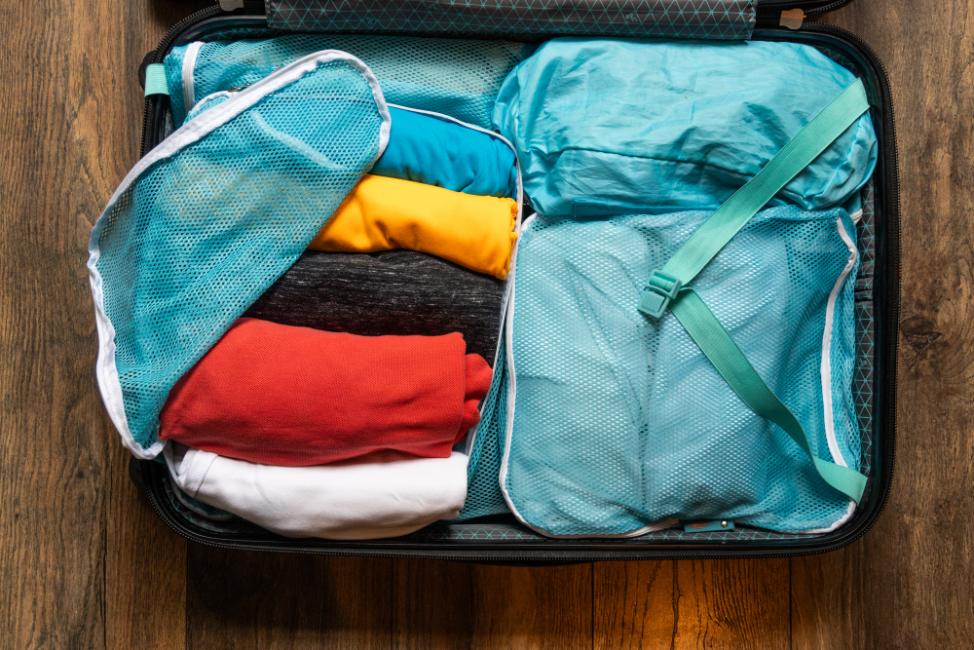
A large tote with a waterproof lining (the Sondra Roberts Beach Tote or honestly any structured tote from Target's summer section) works better than a traditional backpack. You need to be able to grab things one-handed while holding a child with the other. Organize by category in smaller pouches: sun protection together, snacks together, first aid together. Keep diapers and wipes on top. Keep sunscreen accessible — not buried at the bottom under five towels.
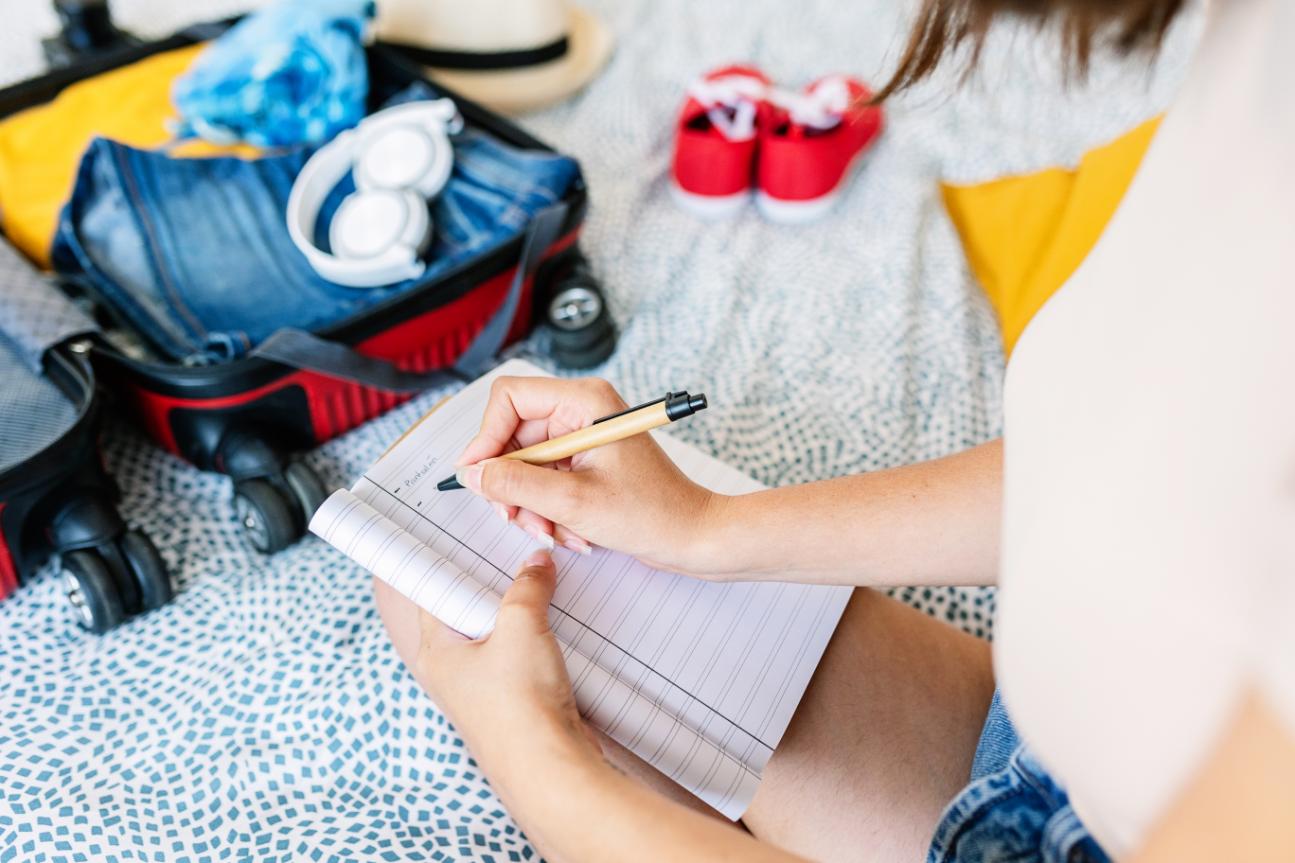
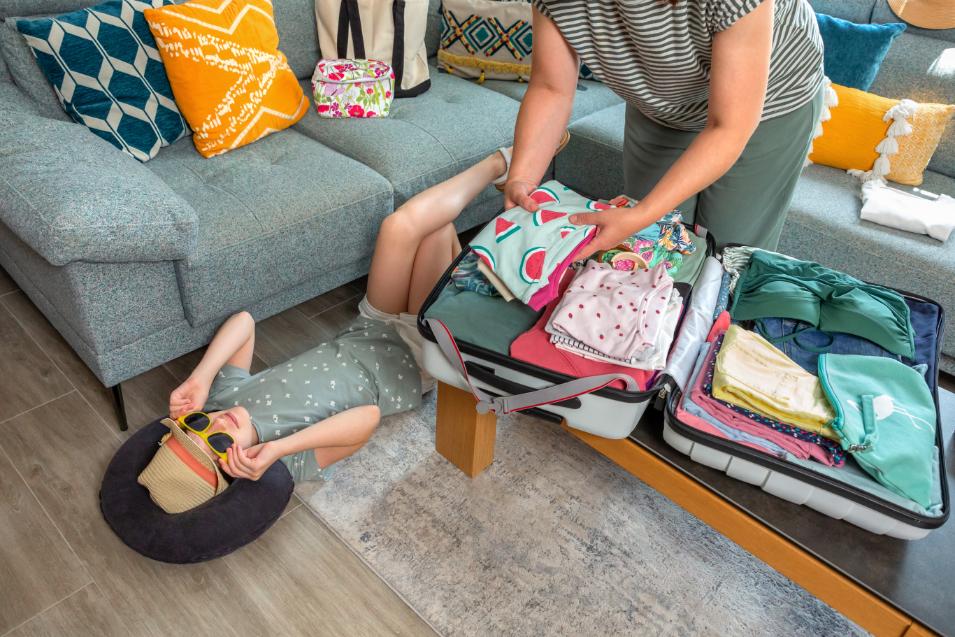
Pro tip I wish someone had told me: pre-load the bag the night before. If you try to do it morning-of while your kids are already asking "are we there yet?" from the living room, you will forget something important. Every time.
Do's and Don'ts for Beach Trips with Kids
| Do | Don't |
|---|---|
| Apply sunscreen 15–20 minutes before heading outside | Wait until you're already at the beach to apply sunscreen |
| Bring a pop-up shade tent, not just an umbrella | Rely on beach umbrellas as your only shade option |
| Pack swim diapers — multiple per child | Bring regular diapers and figure it out when they're soaked |
| Individually package each child's snacks | Bring one big shared snack bag that'll turn sandy |
| Freeze water bottles the night before | Forget a cooler and wonder why everyone's thirsty |
| Reapply sunscreen every 90 minutes | Assume "water-resistant" means waterproof all day |
| Use UPF 50+ rash guards and hats | Rely entirely on sunscreen for sun protection |
| Pack a wet bag for wet clothes and suits | Let soaked swimsuits ruin the rest of your tote bag |
| Designate a "water watcher" if multiple adults are present | Assume someone else is watching the toddler near water |
| Pre-load your beach bag the night before | Pack the morning of and risk forgetting the essentials |
| Bring one set of sand toys per child | Share a single set between multiple kids and referee all day |
| Keep a small first aid pouch in an easy-to-reach spot | Bury first aid supplies at the bottom of a packed bag |
FAQs: Beach Vacation with Kids
What age can toddlers wear sunscreen?
The American Academy of Pediatrics recommends avoiding sunscreen on babies under 6 months — instead, keep them in shade and protective clothing. For babies 6 months and up, mineral-based sunscreen with zinc oxide is the safest choice. For toddlers, apply 15–20 minutes before sun exposure and reapply every 90 minutes or after swimming.
What's the best beach tent for toddlers?
The Pacific Breeze Easy Setup Beach Tent is a consistent top pick — it opens in under a minute, has a built-in floor, and fits a small family comfortably. The Joovy Gloo is better if you have an infant who needs to nap, since it fits a pack-n-play inside. Both run in the $45–$70 range and are worth every dollar on a multi-day beach trip.
Do I need a life jacket for my toddler at the beach?
If you're planning to go in the water at all — even wading — a Coast Guard-approved life jacket is a smart move. Puddle jumpers work well for toddlers who are just getting comfortable in water. Check the weight and chest size rating on the label to make sure it fits properly, and make sure there's no gap at the armholes.
What snacks travel well to the beach?
Sealed individual portions are your best bet: squeeze pouches, goldfish crackers, pre-sliced fruit in a container with a tight lid, cheese sticks, and pretzel nuggets. Avoid anything that melts (chocolate), anything in big bags that can blow away or spill, and anything that requires utensils. The less setup needed, the better.
How do I keep my toddler cool at the beach?
Shade, hydration, and timing. Head to the beach earlier in the morning (before 10am) or later in the afternoon (after 3pm) when UV intensity is lower. Keep them in shade during peak hours. Offer water every 20–30 minutes — toddlers don't always ask for it. A small battery-powered misting fan (~$10 on Amazon) is a legit lifesaver. Wet a muslin cloth and drape it over the stroller or tent opening for extra cooling.
How many towels should I bring?
At least one per person, plus one spare. Towels double as blankets for naps, emergency coverups, and sand-wrangling tools. Quick-dry microfiber towels (Turkish Towels from Amazon, ~$12–$18 each) are great for travel because they fold down small and actually dry between uses.
What should I pack in a first aid kit for the beach?
After-bite sticks or hydrocortisone cream, children's Benadryl (for jellyfish stings or unexpected allergic reactions), waterproof bandages, aloe vera gel, hand sanitizer, and children's pain reliever. A small resealable zippered bag keeps everything together and dry.
Is it worth bringing a stroller to the beach?
A regular stroller is a sand-clogged nightmare. If you need wheels, look for a beach-specific all-terrain stroller or a wagon (the Radio Flyer Cargo Wagon is a fan favorite among beach moms, ~$130) that can carry both your gear and a tired toddler without sinking into the sand. Many families find a wagon more practical than a stroller for beach days — you can pile gear in, then swap a child in when they're wiped out.