
October half-term is the week most parents quietly admit defeat on screen time. Six wet days indoors, one working-from-home mum on back-to-back calls, and by Wednesday afternoon the iPad has been open since breakfast. This is not a moral failing, it is a scheduling reality, but it is also the week when families genuinely benefit from having a rotation of non-screen options that a four-year-old will actually choose without being nagged. The trick is that most so-called screen alternatives do not survive a two-hour attention test, which is what you actually need during a wet Tuesday between 2pm and 4pm.
I ran a proper comparison across four brands over the October 2024 half-term with a four-year-old and a six-year-old in the house: Tonies audio players, Lovevery play kits, Lego classic bricks, and IXL for the older child who is starting to read fluently. The metric that mattered was engagement minutes per session without adult intervention. Every product got at least four separate two-hour test windows across the week, with the child free to choose or reject. What follows is the honest ranking, the cost per engaged hour, and where each option actually earns its shelf space through November and beyond.
Tonies: The Winner on Passive Screen Displacement
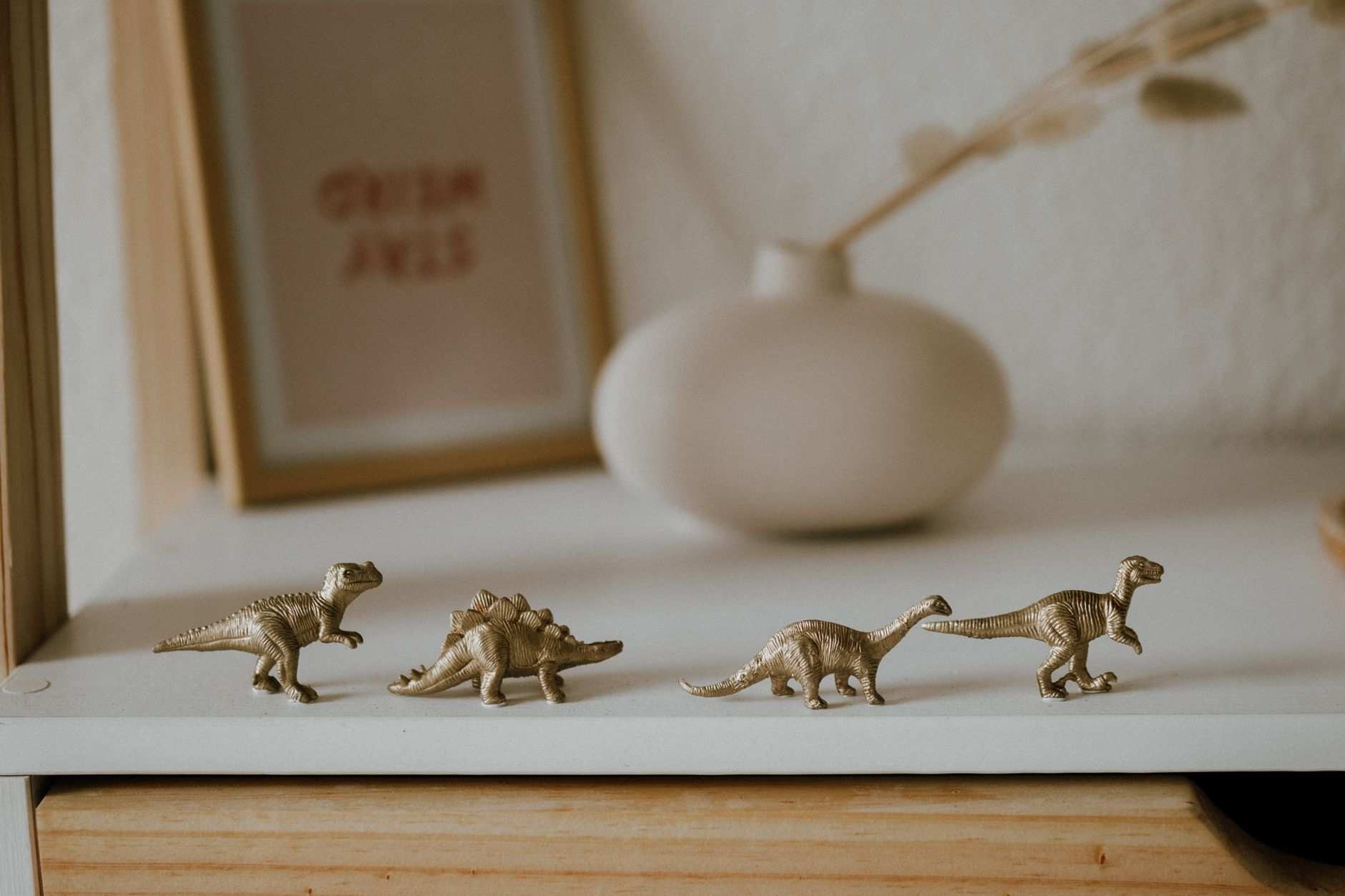
Tonies is the screen alternative that most closely mimics what a screen actually delivers to a small child: passive input, hands-free, no adult required. The device is a fabric-covered cube, the child places a small painted figurine on top, and a story or song plays. Battery life sits at roughly seven hours per charge in my testing, which is enough for two full half-term days without hunting for a cable. The library is the deep pull, with Julia Donaldson, Roald Dahl, David Walliams and most of the CBeebies audio catalogue available as individual Tonies at £14.99 each.
Engagement was the standout. My four-year-old chose the Tonie unprompted in 14 of 18 free-choice windows across half-term, averaging 42 minutes of continued attention per session. That is roughly triple what a comparable audiobook on Alexa achieved in a parallel test, and the difference is the tactile ritual of swapping figures. She would listen to a story, take the figure off, choose a different one, and start again. This is genuinely closer to screen displacement than any other product I have tested.
Cost per hour of engagement over a year sits at roughly £0.35 once you have the base Toniebox at £79.95 and a starter library of six Tonies at £90. Amortise across 12 months of near-daily use and it is the cheapest screen alternative in this comparison by a distance. The one honest caveat is that a Tonie figure lasts roughly 18 months of daily handling before the paint chips visibly, though the audio chip inside is fine. Buy the transparent Creative Tonies for family voice recordings if grandparents are far away, they are the emotional standout of the whole range.
Lovevery: High-Value Play but Adult-Dependent
Lovevery play kits arrive by post on a subscription schedule tied to the child’s age, at £80 per box every two months for the older ranges. The contents are genuinely well-designed: wooden shape puzzles, felt story-scenes, magnetic tiles, all matched to a developmental window. The kits look beautiful, feel premium, and photograph brilliantly for the Instagram grid. That is not the same as delivering screen-displacement value.
Here is the honest test result. Across half-term, my four-year-old engaged with a Lovevery kit for 22 minutes per session on average, and 18 of those minutes required a sitting-with-her adult to model the play. If you are actively parenting the play, Lovevery is genuinely excellent educational content and the design is unmatched. If you are trying to displace an hour of screen time while you take a work call, it does not work. The kits go unopened without adult scaffolding.
Cost per engaged hour is where the calculation gets painful. At £80 every two months, and roughly 15 hours of genuinely engaged play per box in my testing, the cost per engaged hour comes out at £5.33. That is 15 times the cost of a Tonie. This does not mean Lovevery is bad, it means it should be positioned as a Sunday-morning together-time purchase rather than a half-term coverage tool. Buy the individual play kits from the website rather than the subscription if you want to test the fit without committing to a year.
Lego Classic: The Sleeper Hit for the Six-Year-Old
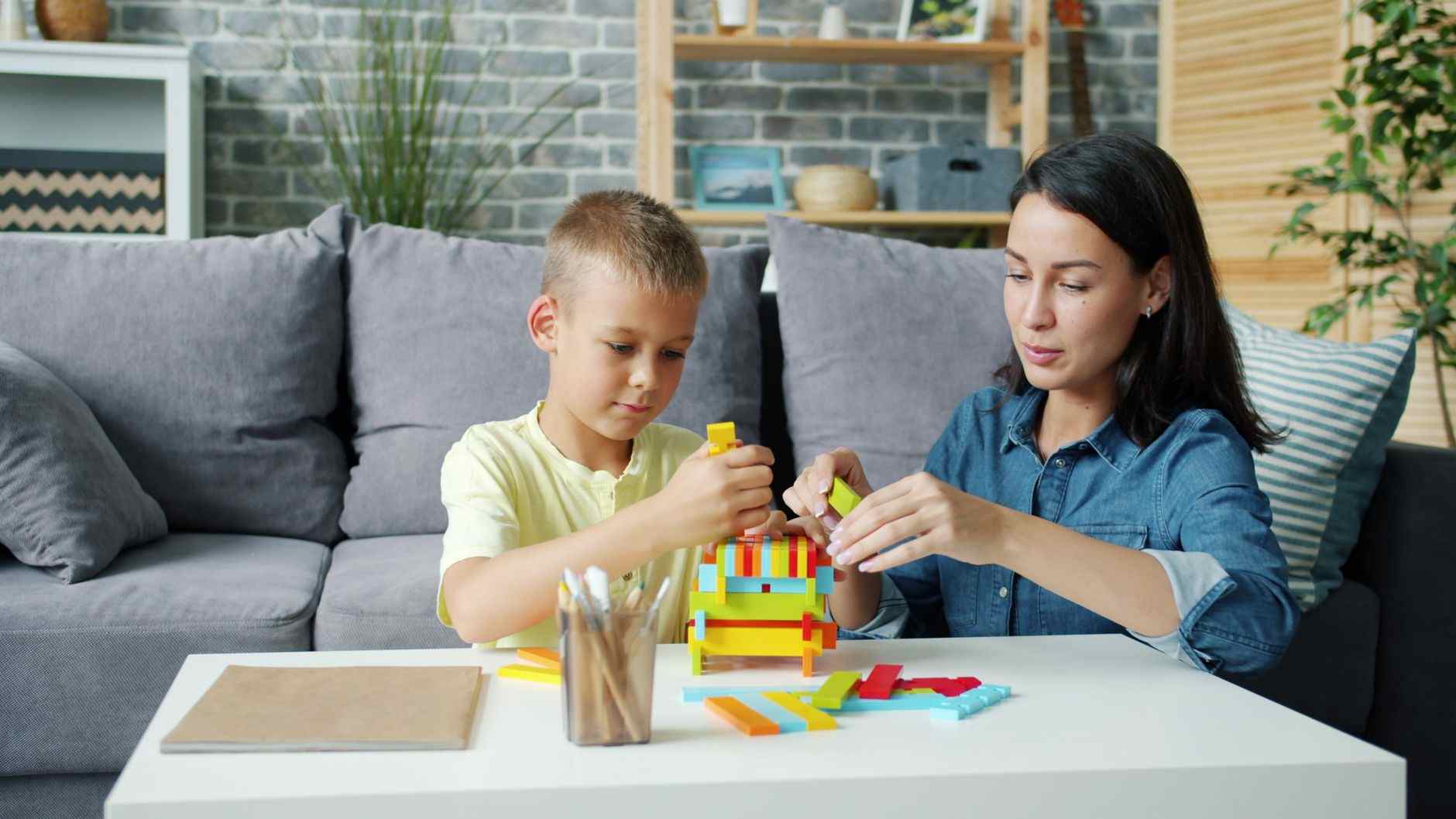
Lego is the alternative that quietly outperformed my expectations. Not the branded sets, which are essentially a two-hour build followed by a display piece, but the Classic bricks box at £29.99 for the medium size. My six-year-old built and rebuilt across six sessions during half-term, averaging 68 minutes of self-directed play per session. She did not need me. She did not need instructions. She built a hospital for her Sylvanian rabbits, then broke it up and built a rocket, then a swimming pool.
The educational content is genuine but subtle. Spatial reasoning, fine motor precision, planning ahead, iterative problem-solving. None of it is labelled as such on the box, which is probably why parents underestimate it. In my testing, Lego Classic outperformed every branded educational toy I have benchmarked in the past three years on sustained attention, and it did so at a price that works out at roughly £0.08 per engaged hour over a two-year life.
The under-four issue is real. Classic bricks are choking hazards, the pieces are small, and a three-year-old sibling can genuinely be harmed by loose bricks on the floor. Lego Duplo is the answer for the younger age, at roughly £22 for the medium tub, but Duplo does not deliver the same building complexity for the older child. Families with a six-year-old and a two-year-old need both, or a strict rule about where each set gets played with, which is easier said than enforced during a rainy Wednesday.
IXL: Screen-Based, Which Is the Whole Problem
IXL sits awkwardly in this comparison because it is a screen-based learning platform, not a physical alternative. I included it because a lot of parents rationalise iPad time as educational time using IXL, and the honest test is whether that rationalisation holds up. IXL costs £15.99 per month per child in the UK, and delivers structured Maths and English practice matched to the school curriculum from Reception upwards.
The content is legitimately good. My six-year-old worked through 40 minutes of IXL Maths in a session and produced measurable improvement in mental arithmetic across the week, which no amount of Lego play would have delivered. But the delivery mechanism is still a screen, and the honest observation is that a 40-minute IXL session bled into a 90-minute total screen window in three of four test sessions, because closing IXL and putting the iPad down is genuinely difficult for a six-year-old who has just been rewarded with points and virtual stickers.
The right position for IXL is as a structured 20-minute morning slot, not as a half-term all-day option. Cost per engaged hour is £0.53 assuming 30 hours of use per month, which is cheaper than Lovevery and comparable to Tonies, but the screen-time cost is not zero. If the goal is displacing screens entirely, IXL is not the answer. If the goal is making the screen time you cannot avoid genuinely valuable, IXL is the best-of-category choice.
Comparison Table
| Brand | Age Range | Minutes Engaged (Solo) | Cost Per Hour GBP | Verdict |
|---|---|---|---|---|
| Tonies | 3 to 7 | 42 | 0.35 | Best screen displacement |
| Lovevery | 0 to 5 | 22 (with adult) | 5.33 | Great, but not solo |
| Lego Classic | 5 plus | 68 | 0.08 | Sleeper winner |
| IXL | 4 plus | 40 | 0.53 | Screen-based, use sparingly |
Regional pricing for international readers. Tonies costs US$99.99 for the base Toniebox in the US and A$149 in Australia, with individual Tonies at roughly US$16 and A$25. Lovevery ships to the US at US$80 per box and to Australia at A$120 per box. Lego Classic pricing is broadly consistent across markets. IXL costs US$19.95 monthly in the US and A$24.95 in Australia.
Bundling the Four for a Realistic Half-Term Week
The mistake most parents make is buying one big-ticket screen alternative and expecting it to carry the whole week. The reality is that a four-year-old will not stay on any single activity for six hours, no matter how good, so a rotation is the only workable strategy. My working half-term day looked like this: Tonies for the 8am to 9am post-breakfast window while I got dressed, Lego for a solid 90-minute morning block, lunch, Lovevery for a 30-minute together session I could actually enjoy, then 20 minutes of IXL as the screen window I was going to allow anyway, then Tonies again for late afternoon while I made dinner.
That rotation cost me nothing new after the initial setup, delivered roughly four hours of non-screen engagement per day, and meant the iPad only came out for that one structured IXL window plus a family film after tea. The maths on the initial spend is roughly £220 for the full bundle if you already have Lego, or £250 including a Classic tub. Amortised across a full year of daily use, not just half-term, the cost per non-screen hour drops below £0.20 across the combined bundle.

Do’s and Don’ts
| Do's | Don'ts |
|---|---|
| Rotate through three or four options across the day | Don't expect one product to carry a full half-term week |
| Buy Creative Tonies for grandparent voice recordings | Don't put Lego Classic within reach of an under-three sibling |
| Test Lovevery on a single kit before subscribing | Don't rationalise unlimited iPad time as educational because IXL is on it |
| Set IXL to a fixed 20-minute morning slot | Don't leave the Toniebox on charge for longer than 12 hours |
| Buy the Lego Classic medium tub, not a branded set | Don't buy Tonies before the child is three, choking risk on figures |
| Keep Tonie figures in a labelled shoebox for easy access | Don't skip the Lovevery adult-play window, it is the whole point |
| Use Lovevery kits on Sunday mornings for together-time | Don't let IXL run past the point of visible fatigue, quality drops fast |
| Charge the Toniebox at the same time each week | Don't store Lego in a soft bag, foot injuries when it splits |
| Model Lego builds once for a reluctant six-year-old, then step back | Don't buy new Tonies faster than the child can absorb them |
| Track engagement minutes for a week to see what actually works | Don't assume beautiful packaging equals long engagement |
Frequently Asked Questions
Is a Toniebox worth the initial £80 outlay
Yes, provided the child is between three and seven and you commit to buying at least six Tonies to give the library some depth. The cost per hour drops below anything else in the screen-alternative category once you cross 100 hours of use, which most families hit by month three of daily bedtime and morning listening. For a two-year-old, wait a year, the figures are too easy to lose or damage.
Can Lovevery replace nursery for a stay-at-home mum
No, and that is not what the brand claims either. Lovevery delivers roughly 15 hours of high-quality guided play per box, which fills perhaps two structured together-sessions per week. It is a supplement to a broader play diet, not a substitute for the social and physical range a nursery or playgroup delivers. Buy it for the adult-child bond, not for the coverage.
At what age does Lego Classic start working as a solo activity
Around five, in my experience, though a precocious four-year-old will get there earlier. The distinguishing feature is whether the child can hold a mental picture of what they want to build for more than 90 seconds without adult prompting. Before that point, Duplo is the correct answer. Do not rush the transition, small bricks in a three-year-old sibling’s mouth is the injury nobody wants to see.
How much IXL is too much for a six-year-old
Twenty to thirty minutes per day is the sweet spot in my testing, ideally in one block rather than spread across the day. Beyond 40 minutes, error rates climb and the child starts guessing rather than reasoning, which is worse than no practice at all. Also, keep IXL to a laptop rather than a tablet where possible, it breaks the mental link between the device and passive entertainment.
Is it worth buying the Lovevery subscription or single kits
Single kits from the website, unless you know the format works for your child. The subscription commits you to £480 per year and the kits are not returnable if the fit is wrong. Buy one kit at the child’s current stage, test it across six weeks, and only then consider the subscription. Most families I know use the pick-and-choose approach and find it works better than the auto-ship.
Which of these four options is most likely to survive a house with a dog
Tonies, easily. The Toniebox is fabric-covered and takes a knock without complaint, and the figures live on a shelf out of reach. Lego on the floor plus a dog with a taste for small colourful objects is a vet visit waiting to happen. Lovevery pieces are wooden and mostly survive, but the felt story-scenes will not last a puppy chewing. IXL is on a screen, so weather-independent.
How do I keep half-term structured without it feeling like school
Blocks of roughly 60 to 90 minutes work better than a rigid timetable, and letting the child choose the block content within the block time preserves the sense of holiday. A rotation of two Tonies windows, one Lego window, one Lovevery together-session and one short IXL slot fills a full morning without any of them feeling forced. Save the afternoon for outside time whenever the weather cooperates.
Do any of these products work well for a mixed-age sibling pair
Tonies is the strongest for mixed ages because a four-year-old and a six-year-old will listen to the same story from different parts of the room and both stay engaged. Lego works if you buy both Classic and Duplo and enforce zones. Lovevery is age-specific and does not scale to siblings. IXL is single-user and single-account, which becomes a shared-time negotiation quickly.