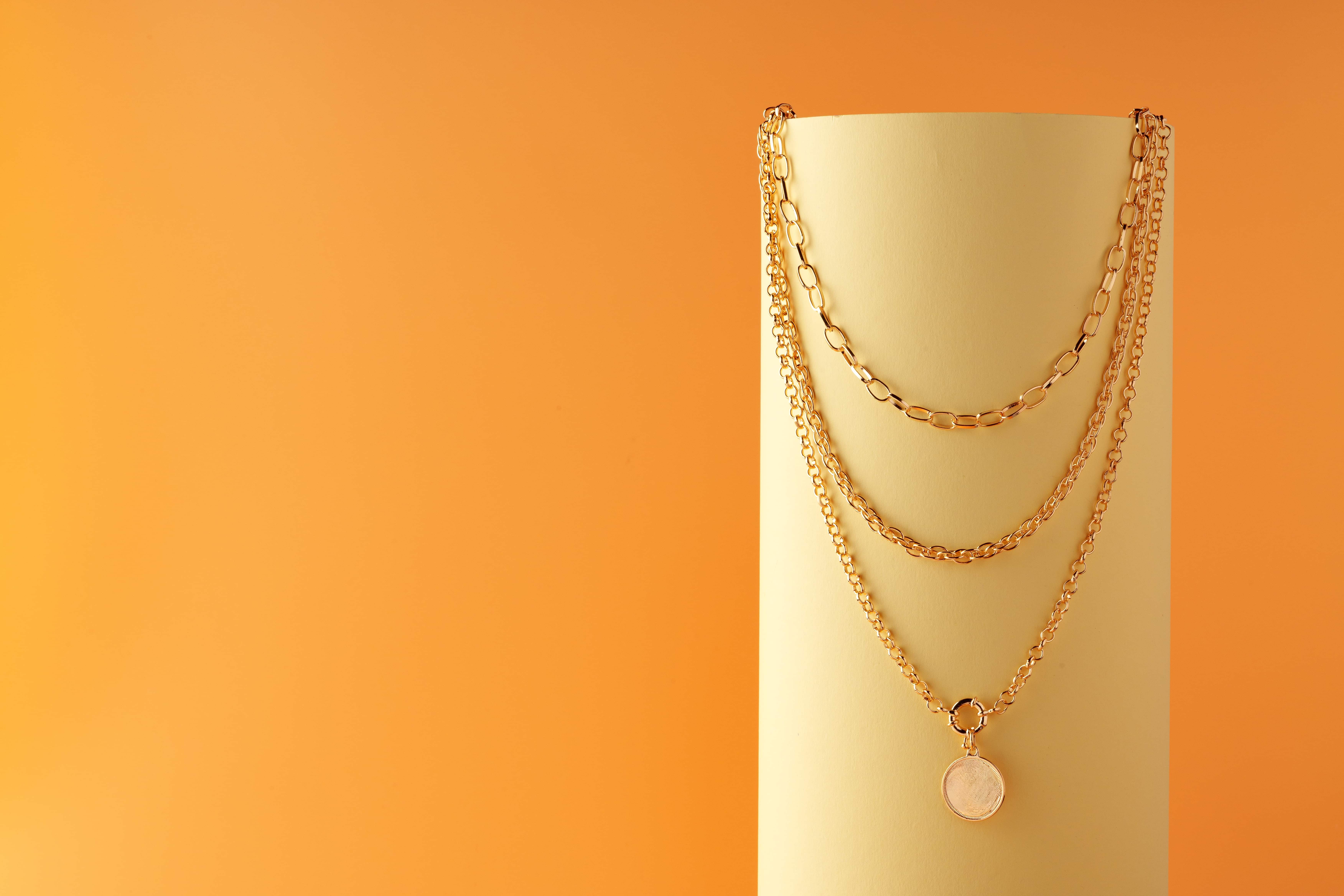
You finally found a necklace that felt you. Then you found another one. And another. Now they’re sitting in a dish by your sink because you can never figure out how to wear them together without ending up with a tangled mess by 9 a.m. Sound familiar? Same.
Layering necklaces is one of those things that looks effortless on Instagram and chaotic in real life, unless you know what you’re actually doing. The good news is that there’s a simple system behind every gorgeous stack, and once you understand it, you’ll wonder why you ever wrestled with single necklaces alone. This guide breaks it all down in plain terms: what to buy, how to layer it, and how to keep it from turning into a knot before school drop off.
Why the Layered Necklace Look Took Over in 2026
Layered necklaces aren’t new, but 2026 brought them back harder than ever, and in a different way. The old approach was very matchy and coordinated, like a jewelry set from a department store counter. What’s trending now is more personal and collected, like you’ve been picking up pieces over the years that each mean something.
Searches for layered necklaces jumped more than 30% year on year going into 2026, according to jewelry trend reports. The style is showing up on everyone from school pickup lines to work meetings to date nights. What makes it work is that you’re not buying a “layered necklace set”, you’re building a stack from individual pieces that reflect your taste.
For moms especially, this trend hits differently. A lot of us have sentimental jewelry, a name necklace, a birthstone pendant, a simple gold chain from a birthday, and layering gives all of those pieces a home. You’re not choosing between them anymore. You’re wearing them all at once, and it actually looks intentional.
The Length Rule That Changes Everything
The single most important thing to understand about layering necklaces is length. If you get this wrong, everything tangles and nothing reads. If you get it right, the stack practically styles itself.

Think of your neckline as real estate with four distinct zones:
- 14-16 inches (choker): Sits at the base of your neck. This is always your shortest, first layer.
- 16-18 inches (princess): Falls just below the collarbone. Great for a delicate pendant or a simple chain.
- 18-20 inches (matinee): Rests at the top of your chest. This is your natural third layer.
- 20-24 inches (opera): Falls mid chest. Use this for a longer pendant or a chunkier chain that anchors the whole look.
You don’t need all four lengths. Three is actually the sweet spot. Most stylists recommend starting with 16”, 18”, and 20”, that gives you clear separation between each piece without the stack feeling heavy or overwhelming. The key is at least a 2 inch gap between each necklace so every chain has its own space and can actually be seen.
If you’re building from scratch, start with just two: a 16” and an 18”. That alone looks like you know what you’re doing, and it’s much easier to manage through a full day of mom life.
Building Your Starter Stack: The Three Piece Formula
You don’t need to spend a lot or buy everything at once. A three piece starter stack built around this formula works beautifully:
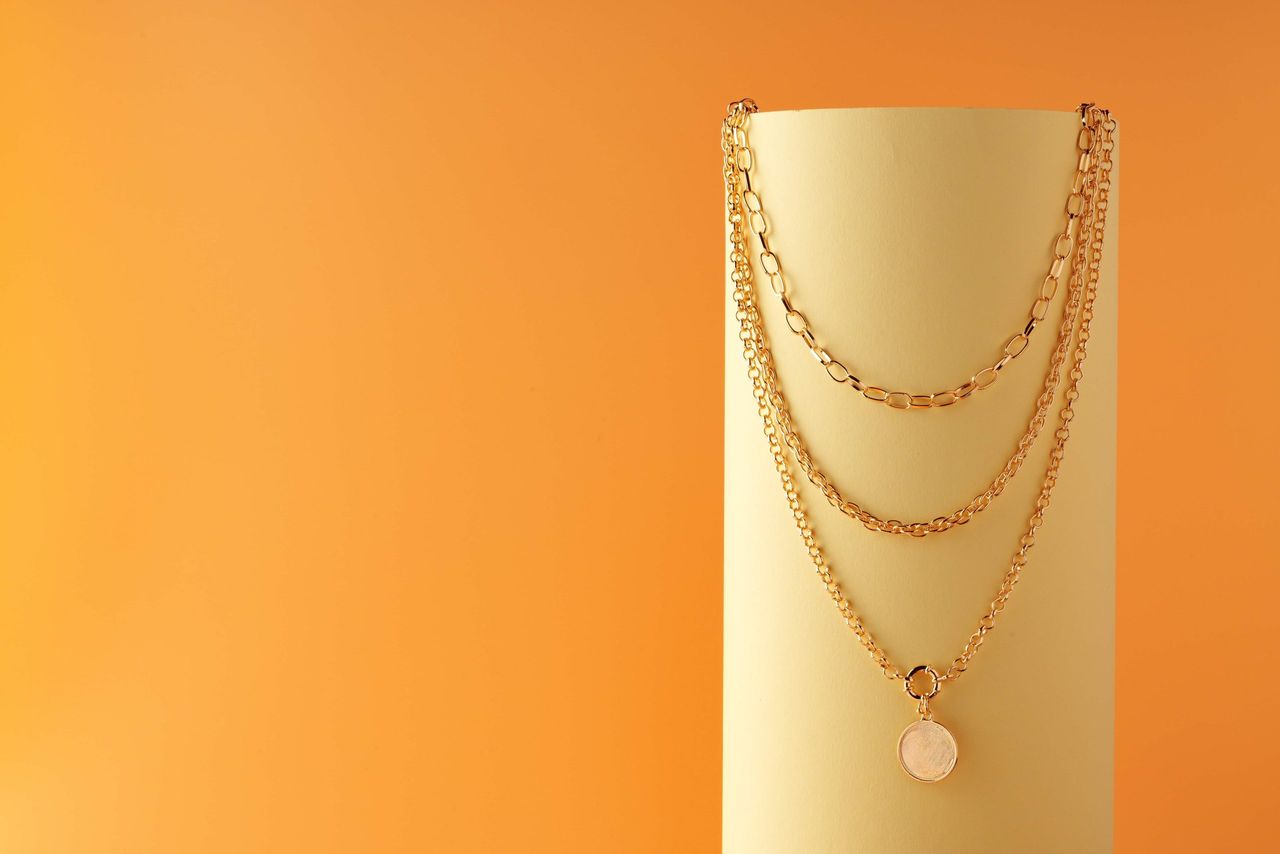
Piece 1, The Base Chain: A simple, slim gold or silver chain at collarbone length (around 16”). No pendant, nothing fussy. This is your anchor. A thin cable chain, a delicate box chain, or a barely there rope chain all work well here.

Piece 2, The Pendant Layer: A meaningful necklace at 18” with a small pendant. This is where your personality lives, a small gold disc with a child’s initial, a tiny birthstone drop, a simple moon or star charm. Brands like Caitlyn Minimalist, Mejuri, and Ana Luisa are popular for exactly this kind of piece, with prices typically ranging from $35-$80.
Piece 3, The Statement Anchor: At 20-22”, your longest piece grounds the whole stack. This could be a longer lariat, a chunky chain, or a meaningful pendant that sits lower on your chest. You only need one piece that draws the eye, everything else supports it.
That’s it. Three pieces, three different lengths, and you have a stack that looks pulled together rather than thrown on.
Mixing Metals Without It Looking Messy
The old rule was pick gold or silver and stick to it. The 2026 approach is more relaxed, mixing metals is completely on trend, and honestly it looks more modern than a matchy set.
The trick is the 2:1 rule: pick two pieces in one metal and one piece in the other. So if you’re mostly a gold person, wear two gold chains and add one silver piece. The silver reads as intentional contrast rather than a mistake. This approach creates visual interest without looking like you grabbed whatever was on the dresser.
Rose gold also plays nicely with both yellow gold and silver, so if you have pieces in all three tones, you can still make it work. Just keep the 2:1 ratio in mind and let the odd one out be either your shortest or your longest piece.

If you want to keep it simple, especially if you’re newer to this, go all gold. Dainty gold necklace stacks are having a massive moment in 2026 and they’re the easiest to pull off. Everything coordinates naturally and you can mix textures (flat chain, rope chain, twisted chain) without any friction.
How to Keep Your Necklaces from Tangling
This is the part nobody talks about enough, and it’s the part that keeps a lot of moms from bothering to layer at all. Here’s what actually works:
Vary your chain types. A rope chain, a cable chain, and a box chain behave differently when they move, they’re less likely to catch each other than three identical styles. This is the best passive anti tangle strategy.
Leave real space between layers. Two inches minimum. Necklaces that touch will tangle. It’s physics.
Put them on in order. Start with your shortest necklace first, then add longer ones. This keeps them sitting correctly from the start instead of shifting around as you add more.
Use a layering clasp if it’s still a struggle. These are small connectors that attach all your chains to a single clasp so they move as one unit and can’t cross each other. You can find them on Amazon or Etsy for under $15. They’re genuinely useful if you have one particularly misbehaving chain.

Take them off individually, not all at once. Resist the urge to lift the whole bundle off your neck, that’s how knots happen. Unclasp them one at a time from longest to shortest.
Necklace Layering Ideas for Every Mom Occasion
School run / casual daywear: A 16” thin gold chain, an 18” gold disc necklace with your kid’s initial, and a 20” dainty paperclip chain. Light, low maintenance, and looks put together over a white tee or crewneck sweater.
Work or a meeting: A delicate pearl pendant at 16”, a simple 18” gold chain, and a thin 20” chain with a small geometric pendant. Polished without being overdressed.
Date night: Go for one slightly bolder layer, a chunkier 20” chain or a lariat, and keep the other two pieces fine and dainty. Let the longer piece carry the look and don’t over accessorize your neckline. One set of statement earrings alongside a simpler stack hits better than competing statement pieces.
Weekend / boho look: This is where you can mix a little more freely, a beaded layer, a turquoise pendant, a thin gold chain. The casual context gives you room to experiment with texture and color.
Do’s and Don’ts of Layering Necklaces
| Do's | Don't |
|---|---|
| Start with a 2 inch length difference between each piece | Wear all chains at the same length |
| Vary chain textures (rope, cable, box, paperclip) | Use identical chains in every layer |
| Apply the 2:1 metal rule when mixing gold and silver | Randomly mix three different metals with no logic |
| Put necklaces on in order from shortest to longest | Lift all necklaces off as one bundle |
| Pick one statement piece and keep others simple | Stack three bold statement pieces together |
| Use a layering clasp if tangling is a real problem | Ignore tangling and just give up on layering |
| Store necklaces flat or hanging individually | Store all chains in a pile in one dish |
| Limit your stack to 2-4 necklaces | Keep piling on until the look is overwhelming |
| Let a meaningful pendant be your focal point | Buy a matching "layered set" that looks coordinated |
| Clean your chains monthly to keep them looking good | Never clean them and wonder why they look dull |
FAQs About Layering Necklaces
How many necklaces should I layer at once?
Two to four is the sweet spot. Three is the most popular because it looks intentional and full without being overwhelming. Once you go past four, the stack usually starts to look cluttered unless you’re very intentional about spacing and scale. Start with two if you’re new to layering, even a two piece stack looks great and is much easier to manage.
Can I mix gold and silver necklaces?
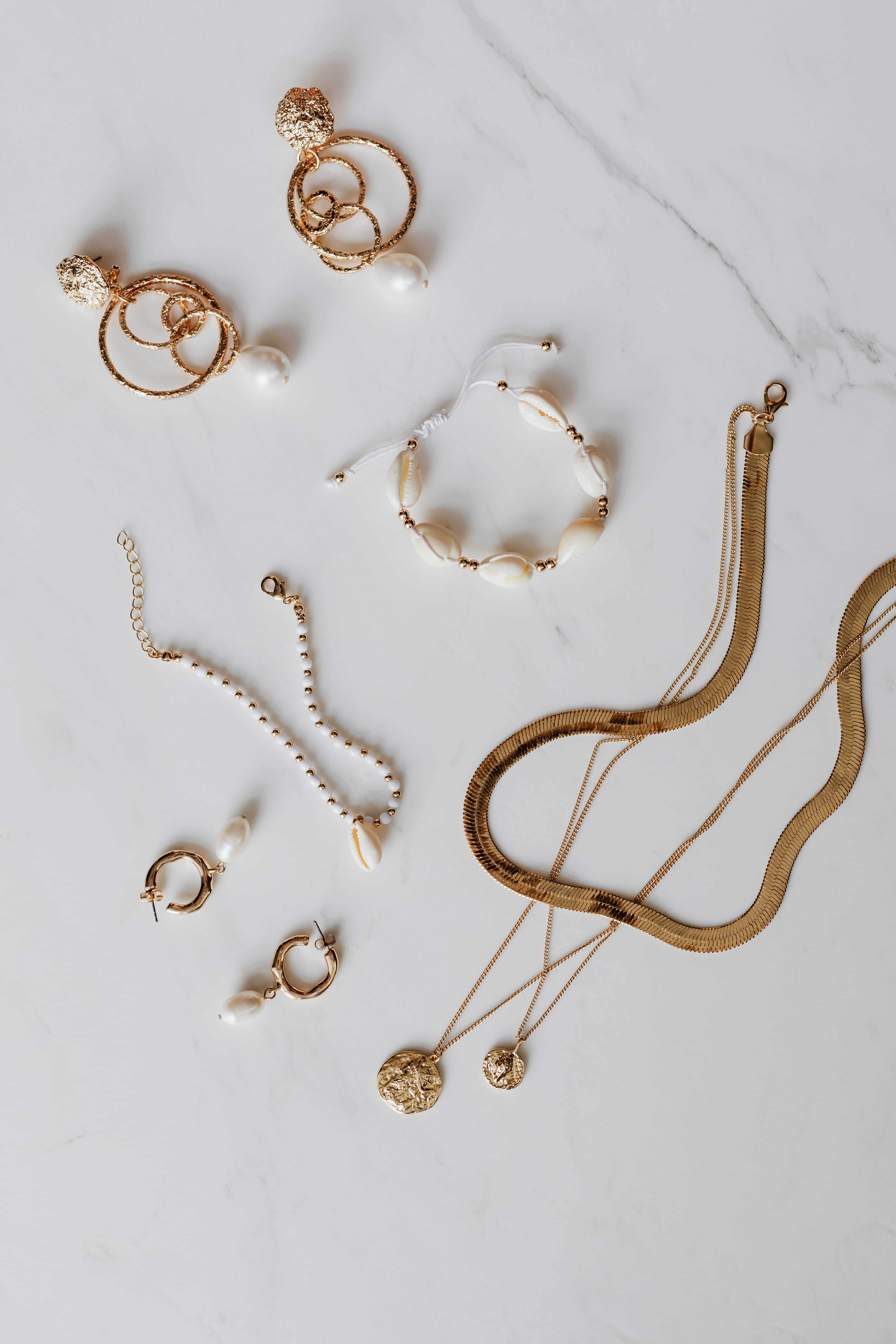
Absolutely. Mixed metals are very much on trend in 2026. The easiest way to do it without looking accidental is the 2:1 rule: two pieces in one metal, one piece in the other. Keep the contrast piece as either your shortest or your longest layer for the most balanced look.
What’s the best chain for a first time layerer?
A simple thin cable chain or box chain in 14k gold or gold filled is the most versatile starting point. It’s thin enough to pair with anything, holds its shape well, and doesn’t dominate a stack. A 16” or 18” version from brands like Mejuri, Gorjana, or Madewell Jewelry sits in the $40-$80 range and will last years if cared for properly.
How do I stop my necklaces from tangling during the day?
The three biggest things: vary your chain types, maintain at least 2 inches of spacing between each piece, and put them on in order from shortest to longest. If you’re still getting tangles, try a layering clasp, it holds all your chains on one connector so they move together.
What necklaces look good as the longest layer in a stack?
A lariat necklace, a longer pendant chain, or a slightly chunkier chain style (like a paperclip or figaro chain) all work beautifully as the longest layer. The key is that the longest piece should have some visual weight or a distinctive pendant, it’s the anchor for everything above it.
Are personalized necklaces worth it for layering?
Yes, and they’re one of the most popular choices for moms right now. An initial disc, a name bar necklace, or a birthstone pendant makes the stack feel uniquely yours and gives the middle layer real meaning. They also tend to have that “people always ask where I got it” quality that generic chain layers don’t.
Can I layer necklaces with different neckline styles?
Yes, but some necklines are more forgiving than others. V necks, scoop necks, and crew necks all work well, they give your stack room to show. Turtlenecks are tough because the neckline competes with shorter chains. With higher necklines, focus your stack in the 18-22” range so the pieces fall below the fabric rather than disappearing into it.
Do I need to take my layered necklaces off every night?
Ideally, yes, especially if the pieces are gold plated rather than solid gold. Taking them off at night reduces exposure to sweat, body oils, and friction that dulls the finish over time. It also gives you a chance to unclasp them individually (which prevents knots) and store them flat or hanging so they stay in good shape.