Introduction
I walked into a Goodwill on a random Tuesday morning with my toddler in tow and $30 in my wallet. Two hours later, I walked out with a cashmere blazer, a pair of nearly new ankle boots, and a linen button down all for $22. That afternoon, I got three compliments on the blazer at pickup. Nobody guessed it came from a thrift store, and I honestly wasn’t going to tell them.
That’s the thing about thrifting as a mom in your 30s: it’s not about looking “budget.” It’s about being genuinely smart with money while still caring about how you show up in the world. Between school runs, playdates, work calls, and the occasional night out, you need a wardrobe that works hard. And with the global secondhand market now worth over $82 billion and growing fast, there’s never been more to choose from in store and online. Whether you’re brand new to thrifting or you’ve been doing it for years but want to get better at it, these tips will help you shop with intention and actually find pieces you’ll love wearing.
Why Thrifting Makes So Much Sense for Millennial Moms
If you’ve been doing the mental math on your clothing budget lately, you’re not alone. The cost of building a wardrobe especially one that keeps up with your actual life has climbed sharply over the past few years. New basics that would have cost $15-20 a few years ago now run $35-50, and that’s before you factor in kids’ clothes, which they’ll outgrow in two months anyway.
Thrifting solves multiple problems at once. You save real money often 70-90% off retail on items that are still in great shape. You stop contributing to fast fashion waste, which matters to most of us even when we don’t talk about it at school pickup. And you get access to quality fabrics real cotton, wool, silk, linen that are genuinely harder to find in affordable new clothing anymore. A study from 2024 showed that 58% of U.S. consumers shopped secondhand that year, up 6% from the year before. Millennial shoppers in particular are driving this shift, and for good reason. Thrifted style is not a compromise. It’s a choice.
Know What You’re Looking For Before You Go
The number one mistake most people make at thrift stores is wandering in without a plan. You end up overwhelmed, buy things that don’t work with anything you own, and leave feeling vaguely disappointed. A little prep changes everything.
Before any thrift run, spend five minutes looking at your actual closet. What are you missing? What do you wear all the time? What gaps would make getting dressed in the morning easier? Write it down even a note in your phone works. A typical good list might look like: dark wash straight leg jeans, a blazer in a neutral, a dressy blouse for work, winter boots under $20. When you walk in with a target, you’ll shop faster and smarter. You’ll skip the neon windbreaker that catches your eye and stay focused on things that will actually work.
Also take your measurements before you go. Vintage and secondhand sizing is all over the place a size 10 dress from 2005 will fit completely differently from a size 10 from last year. Knowing your actual bust, waist, and hip measurements means you can evaluate a piece without having to find a fitting room.
The Best Times and Places to Shop
Timing matters more than most people realize. Thrift stores typically receive new donations and restock shelves at the start of the week. Tuesday, Wednesday, and Thursday mornings are the sweet spot you’ll hit fresh inventory before the weekend crowds clean it out. Many stores also have color tag discount days where certain tags are 50% off, so it’s worth asking which day that is at your local spot.
As for locations, not all thrift stores are created equal. Stores in wealthier suburban neighborhoods tend to have higher quality donations branded items, better fabrics, things that were barely worn. If you’re willing to drive 20 minutes to a Goodwill or Savers in a nicer zip code, the selection is often dramatically better. University towns are also gold mines, especially around May and August when students are moving and donating entire closets. Estate sales in older neighborhoods can turn up beautifully made vintage pieces that haven’t been touched in decades.
How to Evaluate Quality Quickly
Once you’re inside, the goal is to move efficiently. You won’t have time to examine every single item, so you need to develop a quick scan method that lets you spot quality and skip junk fast.
Start with fabric. Run your hand along the rack and stop at natural fibers cotton, wool, linen, silk. These hold their shape, wash well, and look polished. Synthetic fabrics that pill or feel cheap new will look worse after a few washes, and no amount of thrift store price will make that a good deal. Once something passes the fabric test, flip it inside out. Look at the seams, the lining, and the stitching. Clean seams, good construction, and a proper lining are signs of a piece that was built to last. Then check for damage: stains, tears, missing buttons, broken zippers. Minor issues like a missing button are easy fixes. Stains in the center of a white shirt are not worth your time.
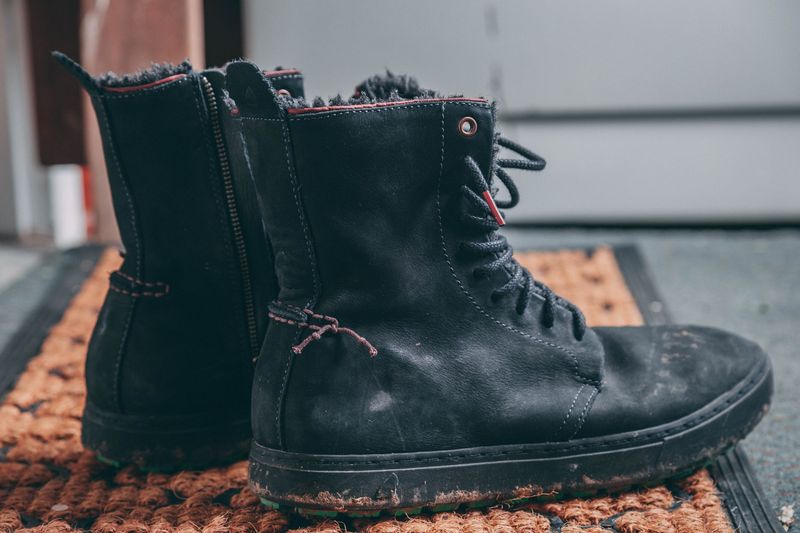
For shoes and boots, check the soles for wear and the upper leather or fabric for cracking. A good quality leather boot with a worn sole can often be resoled for $30-40 at a cobbler still a great deal if the boot itself is in excellent shape.
Build a Capsule Wardrobe Through Thrifting
The smartest way to use thrift shopping is to build intentionally rather than accumulate randomly. A capsule wardrobe approach means you’re looking for pieces that work together neutrals, classic silhouettes, and a few items with personality that layer over a solid base.
A realistic thrifted capsule for a millennial mom might include: 2-3 pairs of well fitting jeans in different washes, 3-4 quality tops in neutral colors, 1-2 blazers or structured jackets, 1-2 dresses that work for different occasions, and a few pairs of versatile shoes. With that foundation, you can get dressed in 3 minutes and look pulled together whether you’re heading to the office, a parent teacher conference, or brunch. The 75/25 rule works well here: aim for 75% of your wardrobe to be thrifted, with the remaining 25% going toward essentials like underwear, performance gear, and a couple of tailored basics from ethical brands.
Online Thrifting: Best Platforms for Moms
In store thrifting is great, but online platforms have expanded what’s possible dramatically especially when you have kids and don’t always have two free hours to spend in a store.
ThredUP is the biggest and most accessible online thrift store for women’s and kids’ clothing, with items from 55,000+ brands at up to 90% off retail. The search filters are excellent you can filter by size, brand, condition, color, and price range, which makes it genuinely efficient. Poshmark is strong for millennial shoppers in particular, with a huge variety of styles and good buyer protection. Vinted is excellent for everyday basics at rock bottom prices, and you can often score barely worn basics for a few dollars. The RealReal and Vestiaire Collective are worth checking if you’re looking for authenticated designer pieces they’re not cheap, but they’re dramatically less expensive than buying the same items new. Depop tends to skew younger and more trend forward, but it’s a good source for one of a kind vintage finds.
When shopping online, always check the seller’s measurements against your own not just the size label. Read condition notes carefully and look at every photo. Shipping costs add up quickly, so factor those in when deciding if a deal is actually a deal.
Do’s and Don’ts for Thrift Shopping Moms
| Do's | Don't |
|---|---|
| Go on weekday mornings for fresh inventory | Shop on weekends when racks are already picked over |
| Know your measurements before you go | Rely on size labels they're wildly inconsistent |
| Prioritize natural fabrics: cotton, linen, wool, silk | Buy synthetic pieces hoping they'll look better washed |
| Check seams, zippers, and linings before buying | Skip inspection to save time damage you miss becomes waste |
| Shop in higher income neighborhoods for better donations | Assume all Goodwills carry the same quality |
| Keep a running list of wardrobe gaps on your phone | Impulse buy items that don't go with anything you own |
| Try things on, or wear fitted layers to try over | Skip trying on because "it looks like it fits" |
| Look for university town stores during move out season | Ignore seasonal timing and donation patterns |
| Use online platforms for convenience on busy weeks | Forget to check seller measurements vs. your actual size |
| Celebrate wins thrifting is a skill that gets better | Get discouraged by slow visits; great finds take practice |
FAQs
How do I actually find good stuff at thrift stores instead of just a pile of random junk?
The biggest factor is timing and location. Go Tuesday through Thursday mornings when stores have just restocked. Shop in wealthier zip codes where donations tend to be higher quality. Inside the store, skip the chaotic sections and head straight for whatever you’re specifically looking for. Train your eye on fabric first anything that feels substantial and is made from natural materials is worth pulling for a closer look. The more you go, the faster and better you get at spotting quality. Most experienced thrifters treat it like a skill they’ve developed over time, not luck.
Is thrifted clothing actually clean and safe to wear?
Yes, with a simple step: wash everything before you wear it. Most thrift stores do basic sorting for obvious issues but don’t launder items. When you get home, throw your finds in the wash with your normal detergent. For delicates like wool or silk, follow the care label or hand wash gently. That’s genuinely all it takes there’s nothing to be concerned about beyond normal hygiene.
How do I build a thrifted wardrobe that actually looks stylish and not random?
Shop with a list of specific gaps in your wardrobe rather than buying whatever catches your eye. Focus on neutrals black, navy, white, camel, grey as your base, then let a few bold or interesting pieces add personality. Every time you pick something up, ask yourself: does this work with at least three things I already own? If the answer is no, put it back. Over time, this approach produces a wardrobe that actually functions rather than a closet full of unrelated impulse buys.
What are the best thrift stores for women’s clothing specifically?
For in store, Goodwill, Savers/Value Village, and local charity shops run by hospitals or churches often have the best selection for women’s clothing. In store quality varies hugely by location, so it’s worth trying a few different stores near you before deciding which ones are worth your time. Online, ThredUP is the most beginner friendly with the widest selection. Poshmark is great for brand name pieces and has strong buyer protection. Vinted is excellent for cheap basics. The RealReal is the go to for authenticated designer items.
Can I really thrift clothes for my kids too, or is that more complicated?
Kids’ clothes are actually the easiest and most satisfying thing to thrift. Children outgrow clothes so fast that most donations are barely worn. You can find next season clothes now buy one size up and store them for $1-3 per piece at most thrift stores. Focus on durable natural fabrics like cotton for everyday wear, and don’t stress about size labels since kids’ sizing is just as inconsistent as adult sizing. Check for stains in obvious places (front of shirts, knees of pants) and you’re good.
How do I avoid buyer’s remorse on thrift hauls?
Pause before adding anything to your cart or basket. Ask yourself: would I pay $X for this if I saw it in a regular store? Does it fit me right now, as is? Does it go with things I already own? If you can’t say yes to all three, leave it. Thrift store prices make it tempting to rationalize “well, it was only $4”, but four $4 mistakes add up fast and create clutter. Great thrift shopping is about quality over quantity, even at secondhand prices.
What should I always look for at thrift stores no matter what?
Blazers and structured jackets are almost always a great find they’re expensive new, tend to be well made, and are wardrobe workhorses. Wool knitwear is another consistent winner; cashmere and merino wool sweaters show up regularly at fraction of retail prices. Quality leather or leather look boots and ankle boots are worth examining every time. Linen and cotton button down shirts are abundant and versatile. And if you come across a quality trench coat or wool coat in your size and good condition, buy it immediately you will not regret it.