Last spring, my seven-year-old had a stomach ache basically every other day. Not dramatic, writhing-on-the-floor pain — just that low-grade "my tummy feels weird, Mom" complaint that happens right before school, right before dinner, right before anything remotely inconvenient. The pediatrician ruled out everything scary and said, casually, "Have you looked into her gut health?" I had not. I had, in fact, been feeding her Goldfish crackers and calling it a grain. So I did what any millennial mom does — I spiraled down a research rabbit hole at 11pm while stress-eating a granola bar, and what I found actually changed how our whole family eats. Not in a dramatic, overhaul-everything-overnight way. More like a slow drift toward food that does something useful. Gut health for families doesn't have to be complicated, and it genuinely doesn't require you to make your kids eat kimchi at gunpoint.
Here's the thing nobody tells you upfront: your gut microbiome — the trillions of bacteria living in your digestive tract — affects way more than just digestion. We're talking immunity, mood, even how well your kid sleeps. A child's gut microbiota starts forming at birth and stabilizes around ages three to four, which sounds terrifying but is actually good news, because it means the choices you make in those early years (and beyond) really do matter. And the same foods that help your kids' guts also help yours. So if you've been meaning to sort out your own bloating situation — the one you've been quietly ignoring since your second pregnancy — this is your entry point too. One family diet shift. Multiple people benefit. That's the whole pitch.
Why Gut Health for Families Is Worth Actually Paying Attention To
Most of us grew up thinking digestion was just… a thing that happened. You ate food, your body dealt with it, end of story. But the gut is genuinely more interesting than that. It contains about 70% of the body's immune cells — which goes a long way toward explaining why kids who eat a more diverse, fiber-rich diet tend to get sick less. Research published through the Canadian Digestive Health Foundation found that probiotics can reduce the risk of diarrhea, support healthy gut function, and even cut down on respiratory infections in young children. A 12-week trial involving over 1,000 Vietnamese kids aged three to five showed that daily fermented dairy products containing Lactobacillus casei strain Shirota (yes, that's a real thing, not a spell from Harry Potter) significantly reduced constipation and acute respiratory infections. My point: this isn't wellness-influencer fluff. There's actual research behind it.
The flip side is also true — diets heavy in ultra-processed food actively harm the gut microbiome. Chips, packaged cookies, fast food, deli meat — all of it crowds out the beneficial bacteria your kids (and you) need. I'm not saying never, because I'm not a monster and chicken nuggets exist for a reason. But the ratio matters. The more diverse the plant foods, the more diverse the bacteria, and the more resilient the whole system becomes. Think of it like real estate: you want a neighborhood with a lot of different tenants, not one giant landlord running everything.
Start With Food, Not Supplements — Seriously
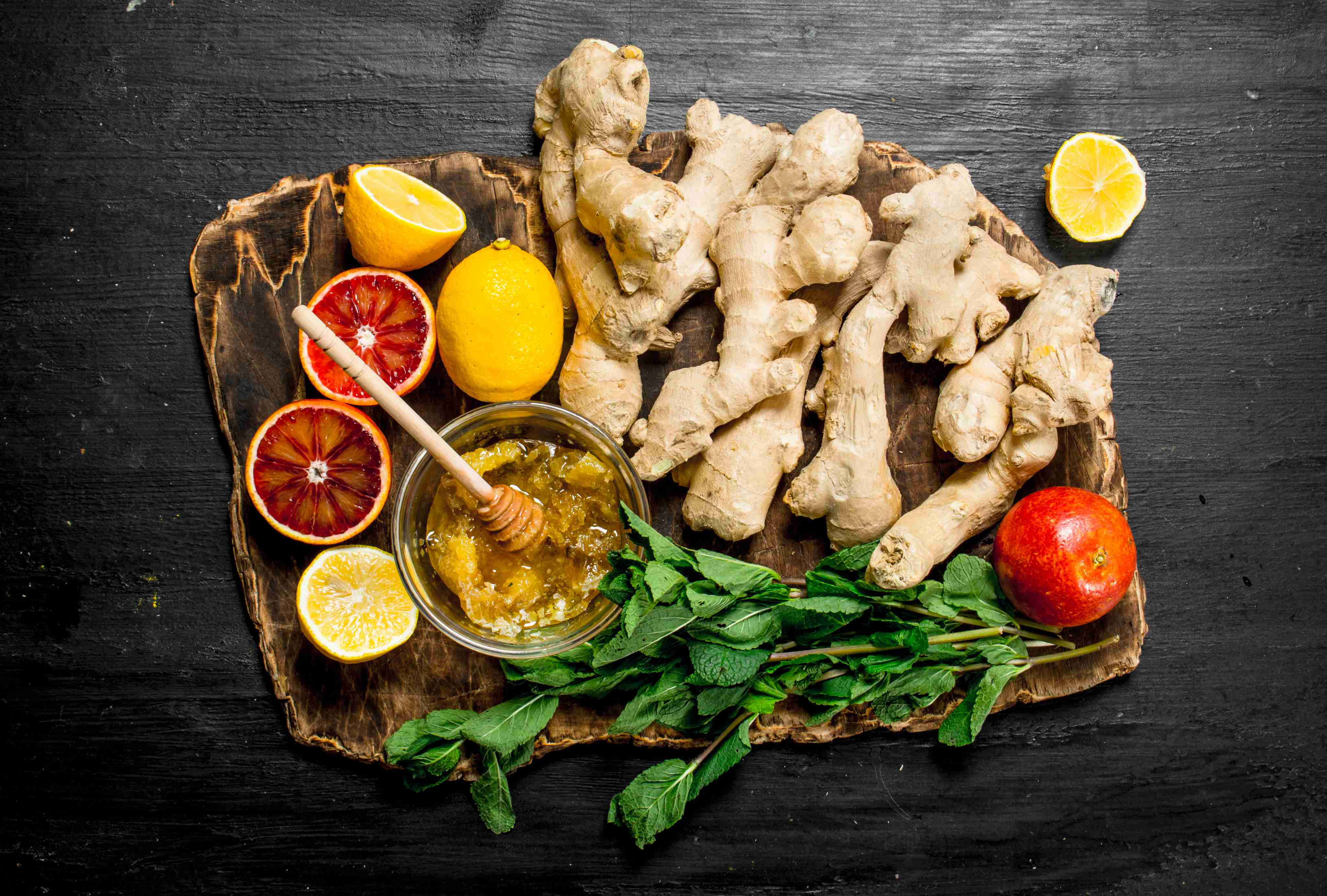
Before you go buy a cart full of probiotic gummies, hear me out. Food-first is always the right move. Probiotic-rich foods deliver live bacterial cultures along with fiber, nutrients, and all the other stuff your body knows how to use. The gut doesn't get confused by whole food the way it can with highly concentrated supplements taken out of context. For families, this means leaning into things like plain yogurt (look for "live active cultures" on the label — Stonyfield Organic and Siggi's both have this), kefir, aged cheeses like cheddar or gouda, miso, and naturally fermented pickles. Not the vinegar-brined Vlasic kind — actual lacto-fermented pickles, which you can find at Whole Foods or on Amazon for about $6-8 a jar.
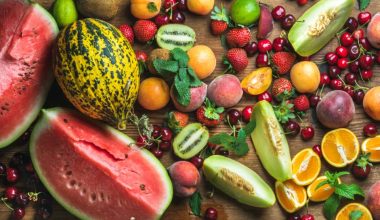
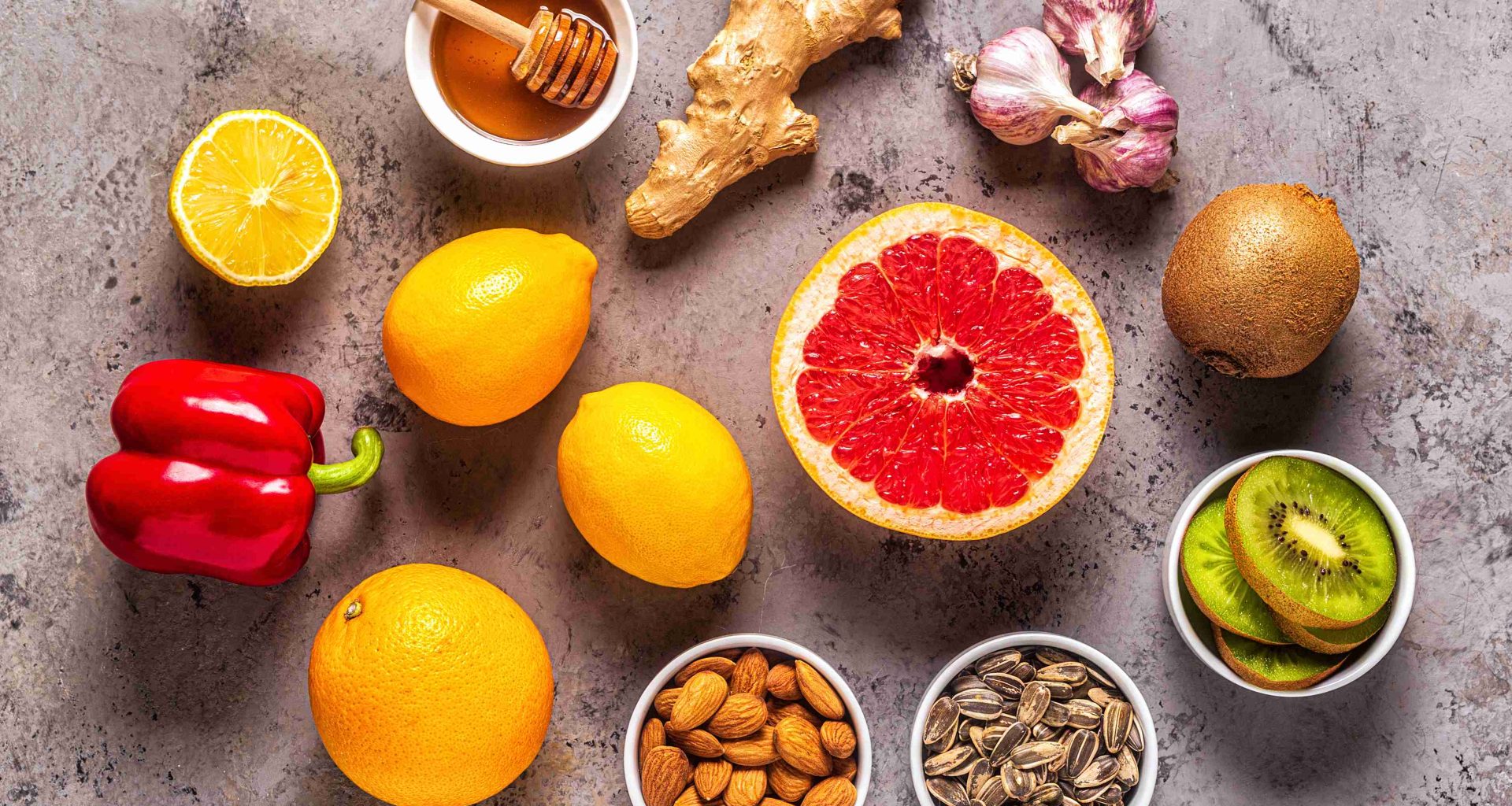
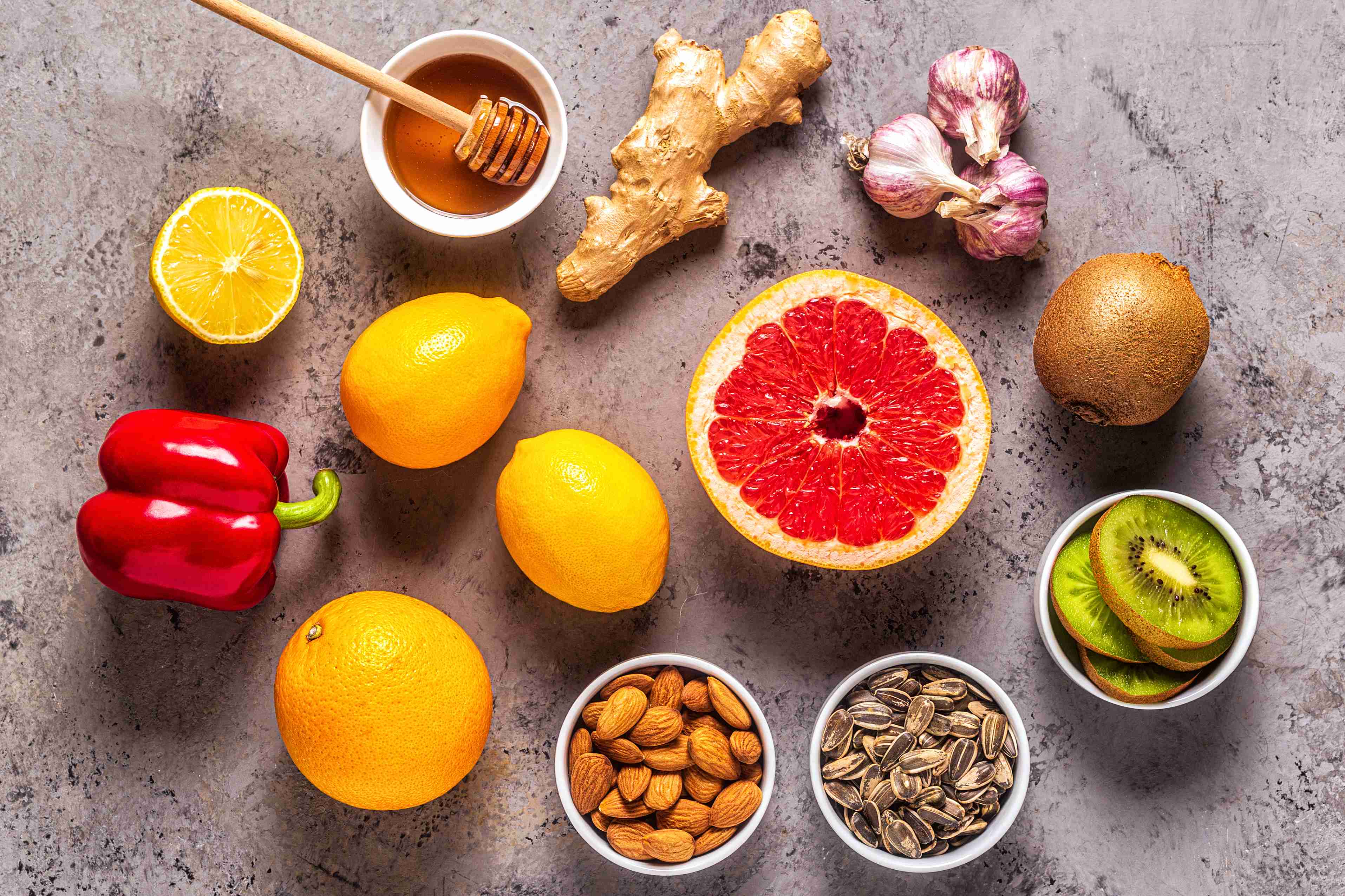
Prebiotic foods matter just as much, maybe more. Prebiotics are the fiber that feeds the good bacteria — so without them, even the best probiotic supplement doesn't have much to work with. Garlic, onions, bananas, oats, apples, asparagus, leeks, berries — these are your prebiotic heavyweights. Berries in particular are fantastic because they contain polyphenols that support microbial diversity, and kids will actually eat them without a negotiation session. Blueberries on oatmeal. Done.
Probiotics for Kids: What to Look For (Without Getting Overwhelmed)
If you do want to add a supplement on top of food, probiotics for kids are genuinely worth considering — especially after a round of antibiotics, or if your child is a picky eater whose diet is basically beige. The research on Lactobacillus rhamnosus GG is solid; it's one of the most studied strains for reducing gut infections and supporting healthy digestion in kids. Look for it on the label.
Brands I've actually tried or looked into seriously: Culturelle Kids (pediatrician-recommended, widely available, around $18-22 for a month's supply), Hiya (pediatrician-formulated with 10 billion CFUs and three targeted strains, subscription model at about $30/month), and MaryRuth Organics Kids Probiotic Gummies (USDA organic, vegan, about $25 on Amazon for a two-month supply — my daughter thinks they're candy, which helps). For babies, Bobbie Organic Probiotic Drops are designed specifically for infants zero to twelve months and focus on colic and immune support. CFU range for kids: somewhere between 2 and 10 billion is generally appropriate, though your pediatrician should always have a say, especially for very young kids.
One thing worth knowing: introduce slowly. Start with a low dose and watch for gas, bloating, or changes in bowel movements. Usually temporary, but not fun for anyone.
Fermented Foods for Children: How to Actually Get Them to Eat It
This is where most parents hit a wall. And I get it — my kids looked at sauerkraut like I'd suggested they eat gravel. The secret is not forcing anything. Repeated neutral exposure is what works — toddlers typically reject new foods 10 to 15 times before accepting them. Not kidding. That number should make you feel better about all the rejected dinners you've served.
Practical tactics that work in real life: blend kefir into smoothies with frozen mango and a little honey — you genuinely cannot taste it. Mix a small amount of miso into salad dressings or soup bases. Stir finely chopped sauerkraut into mac and cheese while it's hot; the cheese flavor takes over completely. Offer fermented pickles alongside a sandwich as a "fun sour thing," not as a health food lecture. Let kids see you eating these foods enthusiastically without making a production of it. Modeling works better than explaining. I started eating plain kefir at breakfast every morning and within two weeks my daughter asked to try it. Just — out of nowhere. That's how it works sometimes.
Start with age-appropriate amounts: babies six to twelve months can have a few tablespoons of plain yogurt. Toddlers one to three years can try mild sauerkraut or cottage cheese. Kids four and up can handle kefir smoothies, miso soup, and eventually kimchi if they're adventurous. No pressure, no timelines.
A Family Gut Health Diet Looks Like More Plants, Not Perfect Meals
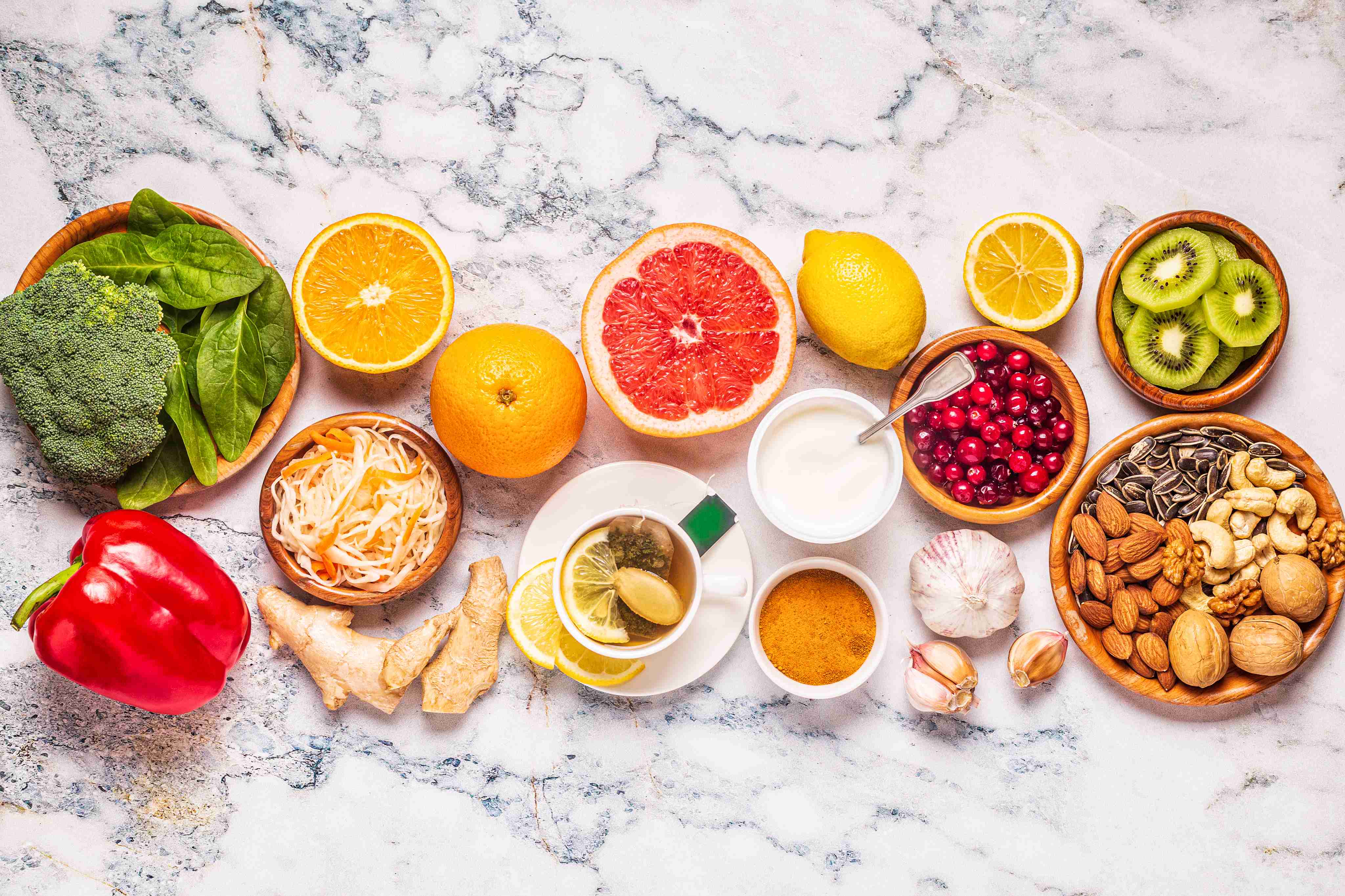
I want to be clear: I have not overhauled our family into some kind of wellness commune. We still eat pizza on Fridays and my husband puts ranch on everything. But the overall pattern has shifted — more fiber, more variety, fewer ultra-processed foods as the default. Stanford Medicine Children's Health recommends that parents focus on diversity in plant foods, because different plants feed different bacterial strains, and that diversity is what builds a resilient gut. Try to hit something like 30 different plant foods a week. That sounds like a lot until you realize herbs, spices, nuts, and seeds all count.
Practical swaps that add up: swap white rice for brown rice or quinoa. Add a handful of chickpeas to soup. Throw some ground flaxseed into pancake batter — my kids have no idea. Use whole grain wraps instead of white. Sneak asparagus into pasta. None of this requires elaborate cooking. It's just nudging the needle in the right direction, meal by meal.
How to Improve Digestion Naturally: The Boring-But-True Basics
Improving digestion naturally for the whole family also comes down to some stuff that isn't glamorous. Hydration matters — fiber needs water to do its job, and most kids (and adults) are chronically under-hydrated. Water, not juice, not sports drinks. Actual water. Movement helps too; physical activity keeps the gut motile, which is the technical way of saying it keeps things moving. Even 30 minutes of active play a day makes a difference for kids' digestion.
Stress is a gut disruptor — the gut-brain connection is real and well-documented. Kids who are anxious or overwhelmed often experience gut symptoms, which is why my daughter's stomach aches were worse on school mornings. Addressing the anxiety helped as much as the dietary changes, honestly. Meals eaten slowly and without screens also support better digestion. Yes, I know. I know. We're working on it.
Gut Health for Families: The Long Game
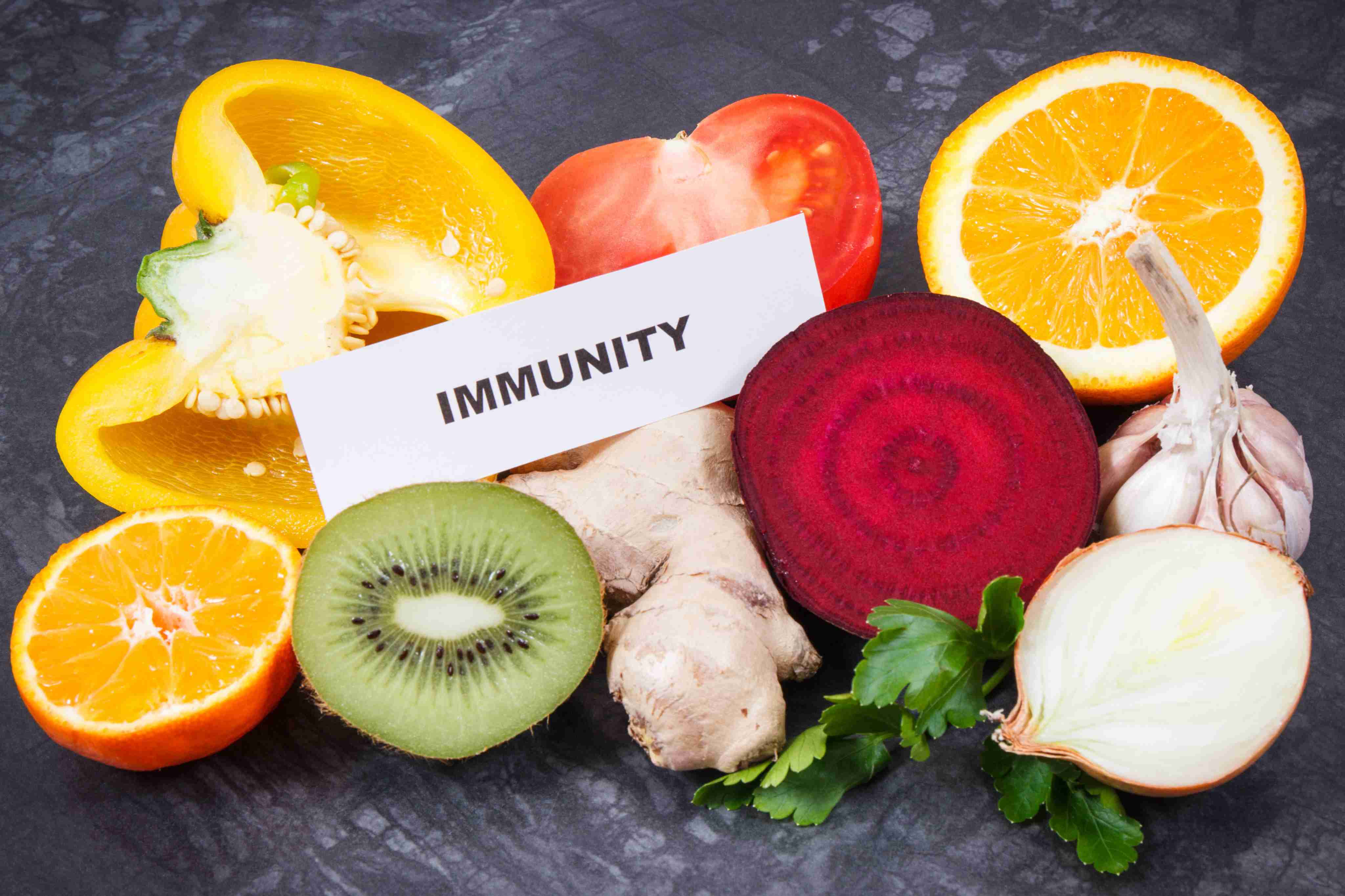
Here's where I land on all of this. Gut health for families isn't a program you do for a month and declare victory. It's a slow accumulation of better habits — more fermented foods here, more fiber there, a probiotic when the situation calls for it. My daughter's stomach aches are mostly gone now. I feel less bloated. My husband's digestion has improved and he'll tell you it's because of "eating better in general," but I know it's the Siggi's yogurt I've been quietly putting in the fridge. Results vary. Progress is real.
You don't need to do everything at once. Pick one thing — add yogurt with live cultures to breakfast, or swap one snack for fruit and nut butter, or try kefir in a smoothie. See how the family responds. Build from there. The goal isn't perfection; it's direction. And honestly, any direction that involves fewer stomach ache complaints before school is a direction worth taking.
Do's and Don'ts for Family Gut Health
| Do | Don't |
|---|---|
| Look for "live active cultures" on yogurt and kefir labels | Buy probiotic supplements without checking with your pediatrician first |
| Introduce fermented foods slowly, starting with mild options like plain yogurt | Force kids to eat foods they strongly dislike — patience and repetition work better |
| Offer a variety of plant foods weekly to feed diverse gut bacteria | Rely solely on supplements without improving the overall diet |
| Keep hydration up — fiber needs water to function | Assume all yogurts are equal; flavored, sugary yogurt has minimal probiotic benefit |
| Let kids see you eating fermented foods without commentary | Make gut health a big lecture or guilt-trip at the dinner table |
| Add prebiotic foods (garlic, bananas, oats, berries) regularly | Cut out all treats — balance is the point, not restriction |
| Introduce probiotics slowly and watch for temporary digestive adjustment | Give high-dose supplements to very young children without medical guidance |
| Use food-first approaches before reaching for supplements | Mistake vinegar-pickled foods (like commercial Vlasic pickles) for fermented probiotic foods |
| Be consistent — gut changes take weeks, not days | Expect overnight results; the microbiome shifts gradually |
| Include both probiotics (fermented foods) and prebiotics (fiber-rich plants) | Focus only on probiotics while ignoring the fiber that feeds them |
| Model healthy eating habits without pressure | Overhaul the entire family diet at once — small changes stick better |
FAQs
How do I know if my child has poor gut health?
Signs can include frequent stomach aches, constipation or irregular bowel movements, bloating, excessive gas, frequent colds, and sometimes mood or behavioral issues. That said, these symptoms overlap with a lot of other things, so check in with your pediatrician before attributing everything to gut health. What you can do in the meantime is improve the diet — more fiber, more fermented foods, less ultra-processed stuff — and see if symptoms improve over four to six weeks.
What's the best probiotic for kids?
It depends on the age and purpose. For general gut support, look for strains with actual clinical research behind them — Lactobacillus rhamnosus GG is one of the most studied. Brands like Culturelle Kids and Hiya are well-regarded. For babies, Bobbie Organic Probiotic Drops are designed specifically for that age range. Always run it by your pediatrician, especially for kids under two.
Can toddlers eat fermented foods?
Yes, starting around 6 months with plain yogurt and kefir. By age one to three, you can introduce mild sauerkraut, cottage cheese, and aged cheese. Keep amounts small — a few tablespoons — and introduce one new food at a time. Avoid anything with added sugars or high sodium levels for young toddlers.
Do I need to buy expensive supplements for gut health, or can food do the job?
Food can absolutely do the job for most families. Yogurt, kefir, miso, naturally fermented pickles, and fiber-rich plants cover the major bases. Supplements make sense in specific situations — after antibiotics, during travel, for picky eaters with very limited diets — but they're not mandatory if you're eating a reasonably varied diet.
How long does it take to see results from improving gut health?
Most people notice some changes within two to four weeks, but meaningful shifts in the gut microbiome take longer — research suggests consistent dietary changes show measurable microbiome differences at around eight to twelve weeks. Stick with it. It's not a quick fix, but it's one of the more durable changes you can make.
Is kefir safe for kids who are lactose intolerant?
Often, yes — the fermentation process breaks down most of the lactose, which is why many people with mild lactose intolerance tolerate kefir better than regular milk. Start with a small amount and see how your child responds. If they have a true dairy allergy (not just intolerance), dairy kefir is off the table, but coconut kefir is a solid alternative.
What prebiotic foods are easiest for kids to actually eat?
Bananas, berries (blueberries, strawberries), oats, apples, and peas are the crowd-pleasers. Garlic and onions are prebiotic powerhouses but harder to sell to small humans — cooking them into sauces and soups where the flavor mellows out is the move. Chickpeas hidden in pasta sauce. Flaxseed ground into muffins. You get the idea.
Can gut health affect my child's mood or behavior?
There's growing evidence that the gut-brain connection is real — the gut produces a significant amount of serotonin, and disruptions in the gut microbiome have been linked to anxiety and mood changes in children. It's not a cure-all, but supporting gut health through diet is a reasonable part of a broader approach to emotional wellbeing, especially for kids who seem to experience digestive upset alongside stress or anxiety.