Introduction
There’s a particular kind of tired that hits at 5:30 p.m. on a Tuesday when you have no plan for dinner, two kids demanding snacks, and zero motivation to cook anything more complex than cereal. That’s exactly the moment a well stocked freezer goes from being a nice idea to an absolute lifesaver. The problem is most people’s freezer meals end up tasting like cardboard after reheating, limp pasta, rubbery chicken, sauces that separated into weird, watery layers. So it’s no wonder the idea of batch cooking gets dismissed as more work than it’s worth.
But here’s the thing: freezer meals that taste good reheated are completely achievable. The difference is knowing which meals actually hold up in the freezer, how to store them properly so they don’t get freezer burnt, and how to reheat them in a way that preserves flavor and texture. Once you crack that code, you can spend one Sunday afternoon cooking and have ten nights of actual, satisfying dinners waiting for you, no defrost and cry situations required. This guide covers everything: the best freezer friendly family meals, what to avoid, how to store, and how to reheat so dinner tastes like you made it fresh.
Why Freezer Meal Prep Makes Sense for Busy Moms
Let’s be honest, the fantasy of cooking a fresh, balanced dinner every night doesn’t survive contact with real mom life. Freezer meal prep isn’t about being a perfect homemaker; it’s about protecting your future self. When you batch cook on a weekend afternoon and stack your freezer with labeled containers, you’re basically leaving gifts for the version of you who will be exhausted three Tuesdays from now.
The math works out, too. Cooking a double batch of chili takes maybe 15 extra minutes and uses one pot instead of two. But that double batch gives you two separate dinners, one tonight, one frozen for next week. Over a month of doing this consistently, you could have 8-10 full dinners in reserve without ever doing a full “freezer cooking day.” For moms who find the idea of prepping 30 meals on a Sunday overwhelming, the double batch method is the gentler on ramp. You cook what you were already going to cook, you just make more of it.
The Best Freezer Friendly Family Meals (That Actually Reheat Well)
Not all foods are freezer friendly, and the ones that aren’t will teach you that lesson in the worst way possible. The good news is the meals that do freeze well tend to be the hearty, comforting ones your family will actually eat, think soups, stews, braised meats, baked pastas, and enchiladas.
Soups and chilis are practically made for the freezer. A big pot of chicken tortilla soup, beef and bean chili, or lentil vegetable soup can be portioned into quart size bags or containers, frozen flat, and stacked like books. They reheat beautifully in a pot on the stove or even in a slow cooker, and the flavor actually deepens after freezing. Many home cooks will tell you their frozen chili tastes better than the day it was made.
Braises and slow cooked meats, like pulled pork, shredded chicken thighs, pot roast, and beef bolognese, are among the best foods to batch cook and freeze. The slow cooking process breaks down the meat fibers in a way that makes them resilient to freezing and reheating. You can freeze shredded chicken in 2 cup portions and use it across tacos, quesadillas, pasta, rice bowls, and soups all week.
Casseroles and baked pasta dishes like lasagna, baked ziti, and enchiladas are weeknight heroes when frozen unbaked. Assemble them, cover tightly with plastic wrap and foil, freeze, and bake straight from the freezer (just add 25-30 extra minutes). They come out bubbly and fresh, nobody at the table will guess it came from a frozen dish.
Taco meat and seasoned ground beef are workhorses that give you total flexibility. Freeze in 1 pound portions and on any given night you can make tacos, sloppy joes, stuffed peppers, or a quick meat sauce for pasta. It reheats perfectly in a skillet with a splash of water.
Curries and stews, whether it’s a chickpea tikka masala, a butter chicken, or a hearty beef stew, freeze extremely well because the sauce protects the other ingredients. Serve over fresh rice and nobody will know it came out of a Ziploc bag.
What Does NOT Freeze Well (Skip These)
Knowing what to avoid saves you from the disappointment of opening a container and finding a mushy, sad mess. Raw potatoes turn grainy and mealy when frozen, if your dish has potatoes, use partially cooked ones or swap in sweet potatoes, which handle freezing much better. Cooked pasta loses its texture fast; if you’re freezing a pasta dish, undercook the pasta by 2 minutes before adding it, or freeze the sauce separately and cook fresh pasta the night you eat it.
Dishes heavy in dairy, sour cream, cream cheese, heavy cream, tend to separate or curdle when frozen and reheated. You can often fix this by stirring vigorously while reheating, but for dishes like cream based soups, it’s better to freeze the base and stir in the dairy fresh when you reheat. Leafy greens wilt into nothing, so skip adding spinach or kale before freezing; add them to the pot during reheating. And eggs, particularly hard boiled eggs or egg based sauces, become rubbery or watery, so keep those out of the freezer entirely.
How to Store Freezer Meals So They Don’t Get Freezer Burnt
The number one enemy of good freezer meals is air. When air gets to the surface of your food, it dries it out, that’s what freezer burn is. The fix is straightforward: get as much air out of the container or bag as possible before freezing.
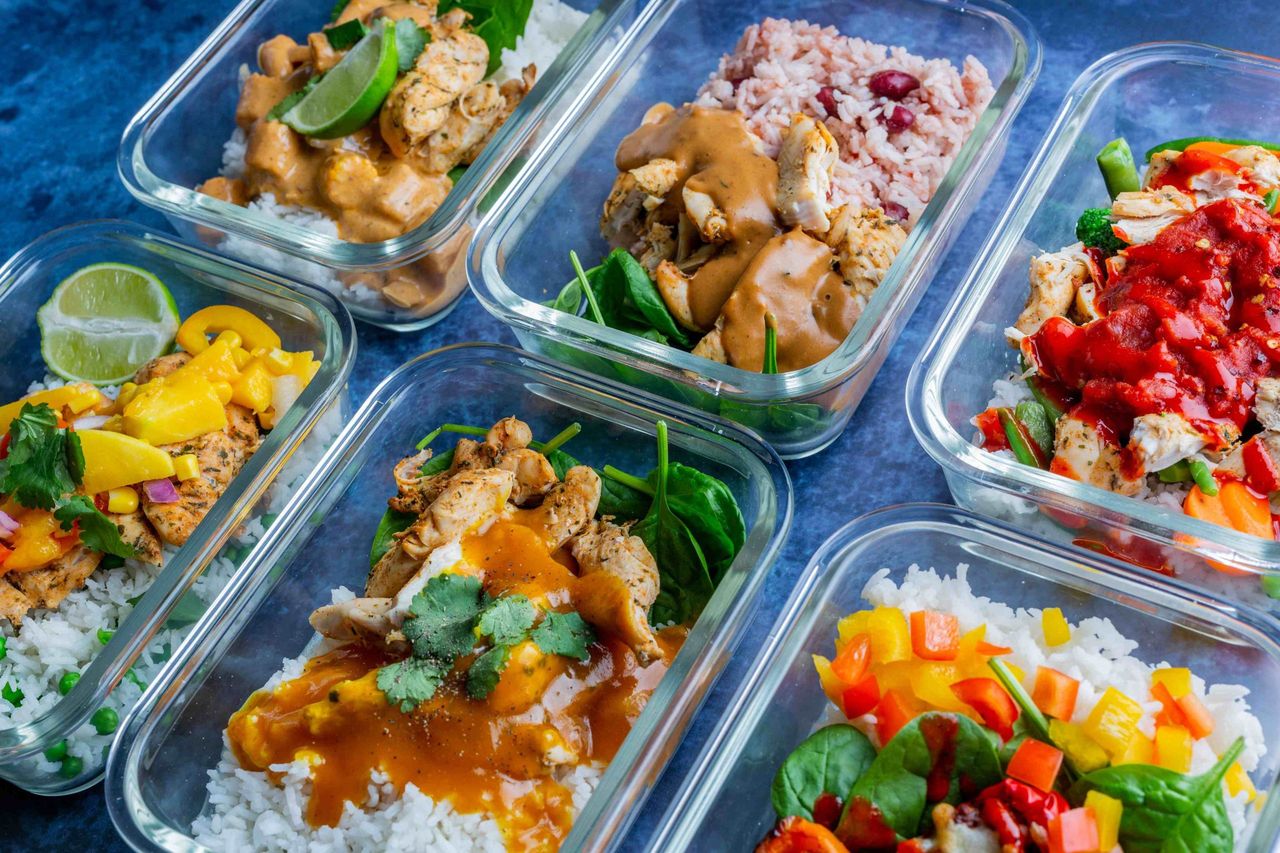
For soups, stews, and sauces, use heavy duty zip lock freezer bags (not regular storage bags, they’re thinner and crack more easily). Pour in the cooled food, press out the air, seal, and lay flat on a baking sheet to freeze. Once solid, you can stack them upright like a filing system. For casseroles, a layer of plastic wrap pressed directly onto the food surface followed by a tight foil layer keeps air out. For glass or BPA free plastic containers, leave an inch of headspace at the top since liquids expand when they freeze, but fill the container as full as you reasonably can.
Always cool food completely before putting it in the freezer, putting hot food in raises the temperature inside and can partially thaw things nearby. Spread your meal into a wide, shallow pan to cool faster, then portion and freeze. Label everything with the dish name and date. Most freezer meals are at their best within 3 months, though they’re safe well beyond that, quality just starts to drift after the 3 month mark.
Reheating Tips That Make All the Difference
Reheating is where most freezer meals fail, and it’s almost always because of rushing. The single best thing you can do is thaw overnight in the fridge. This means taking dinner out of the freezer the morning before (or the night before) and letting it slowly come to refrigerator temperature. It protects texture, makes reheating faster, and is infinitely safer than defrosting at room temperature.
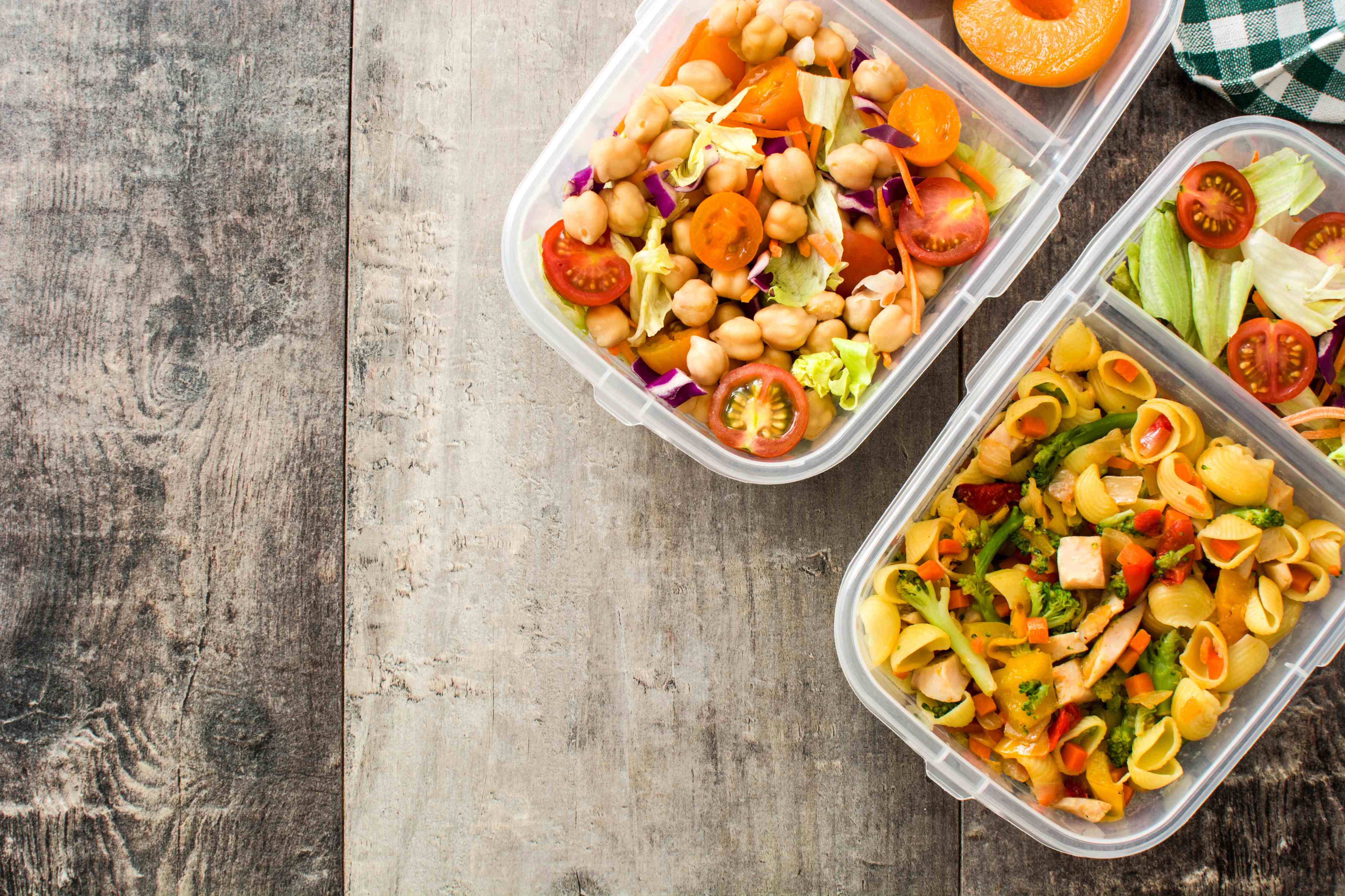
For soups and stews, reheat on the stovetop over medium low heat, stirring occasionally. Add a splash of water or broth if the sauce has thickened too much. For casseroles going from frozen to oven, bake covered at 350°F for the first 30-40 minutes, then uncover for the last 15 to get the top golden. For braised meats and taco fillings, reheat in a skillet with a tablespoon of water, covering with a lid and letting the steam re hydrate the meat. The microwave works for soups and single portions, but go low and slow, medium power with a lid, stirring every 90 seconds, gives far better results than blasting it on high.
One extra tip: add fresh finishing touches after reheating. A squeeze of lime over chili, a handful of fresh herbs on a curry, a dollop of sour cream on enchiladas. These small additions make frozen meals feel freshly made.
A Simple System to Build Your Freezer Stash
You don’t need a marathon cooking session to build a useful freezer stash. The easiest approach is the double batch rule: every time you make soup, chili, a braise, or a casserole, make twice as much. Eat half tonight, freeze half. Within three or four weeks of cooking normally, you’ll have 8-12 meals stored up.
If you do want to do a proper batch cook session, pick three recipes that share ingredients, say, a beef bolognese, taco meat, and beef stew all use ground beef or stew beef. Buying in bulk, prepping together, and cooking in parallel keeps the session under three hours. Use that time on a Sunday afternoon while the kids nap or watch a movie, and you’ll start Monday with a full freezer and a lighter mental load for the week ahead.
Do’s and Don’ts of Freezer Meal Prep
| Do's | Don't |
|---|---|
| Cool food completely before freezing | Put hot food directly into the freezer |
| Remove as much air as possible from bags and containers | Use regular storage bags instead of freezer bags |
| Label everything with the dish name and freeze date | Assume you'll remember what's in that unmarked container |
| Thaw meals overnight in the fridge | Defrost on the counter or in warm water |
| Undercook pasta by 2 minutes before adding to freezer dishes | Freeze pasta that is fully cooked |
| Add dairy (cream, sour cream) after reheating | Freeze cream heavy sauces expecting them to reheat perfectly |
| Leave an inch of headspace in containers for liquid expansion | Fill containers to the brim with soups or stews |
| Freeze in meal sized portions your family will actually use | Freeze everything in one giant container |
| Add fresh herbs or garnishes after reheating | Expect parsley or basil to survive freezing |
| Use heavy duty foil and plastic wrap for casseroles | Cover loosely and assume it won't get freezer burnt |
| Keep your freezer at 0°F or below | Store in a garage freezer that fluctuates in temperature |
| Eat most meals within 3 months for best quality | Wait 6+ months and expect the same flavor |
Frequently Asked Questions
How long do freezer meals actually last?
Most freezer meals stay good, meaning safe and still tasty, for 3 to 6 months. For best flavor and texture, try to use soups, stews, and casseroles within 3 months. Properly sealed dishes won’t make you sick after that point, but the quality starts declining: textures get softer, flavors flatten. Labeling with the freeze date makes this easy to track.
Can I freeze meals in glass containers?
Yes, but you need to use glass specifically designed as freezer safe (look for that label). Tempered glass like Pyrex works well. Leave at least an inch of headspace for expansion, let the food cool before putting it in, and avoid placing a frozen glass container directly into a hot oven, let it come to room temperature on the counter for 20-30 minutes first to avoid cracking.
What are the easiest freezer meals for beginners?
Start with forgiving recipes: chili, soups, shredded chicken, and taco meat are all impossible to ruin. They freeze and reheat with essentially no change in quality. Once you’re comfortable, move into casseroles and braises. Avoid anything with raw potatoes, a lot of cream, or cooked eggs until you’ve got the basics down.
Should I season differently when cooking for the freezer?
Yes, season slightly lighter than you normally would, particularly with salt and strong spices like cumin or chili powder. Flavors concentrate over time in the freezer, so dishes can come out saltier or spicier than intended. Taste and adjust seasoning during reheating rather than overseasoning before freezing.
Is it safe to freeze meals cooked from previously frozen meat?
Yes, as long as the meat was thawed in the fridge (not at room temperature) and fully cooked before refreezing. Once raw meat is fully cooked, it can be safely frozen again. The key is that it was never left in the danger zone (40°F 140°F) for more than 2 hours at any point in the process.
Can my kids tell the difference between a fresh meal and a reheated frozen one?
Honestly, most kids can’t, especially with comfort foods. Pasta bakes, enchiladas, and mac and cheese all come out tasting like you made them that day when reheated correctly. The meals that trip kids up are ones with odd textures from improper freezing (mushy veggies, rubbery chicken). Stick to the freezer friendly list and reheat low and slow, and most families won’t notice a difference.
How do I reheat a frozen casserole without drying it out?
Cover with foil while it bakes, this traps steam and keeps moisture in. For the last 10-15 minutes, remove the foil to let the top get golden and bubbly. If reheating from frozen (not thawed), add about ¼ cup of water or broth to the dish before covering with foil. This creates enough steam to keep everything moist without making it soggy.
What’s the best freezer container for moms on a budget?
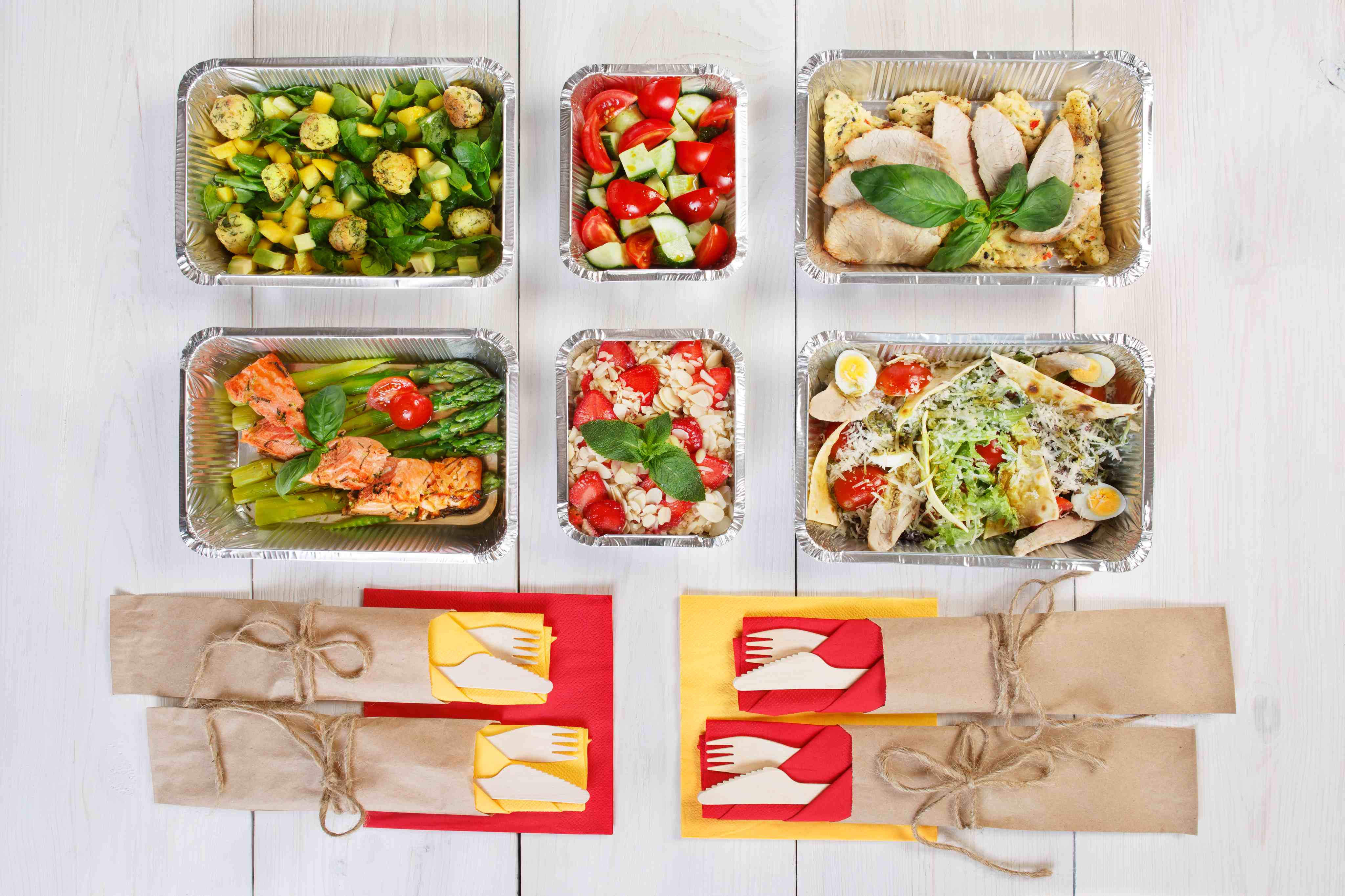
Heavy duty gallon and quart zip lock freezer bags are the most affordable and flexible option, they lay flat to save space and are easy to label. For casseroles and single serving portions, inexpensive aluminum foil pans work great and go straight from freezer to oven. Glass containers are a longer term investment worth making if you’re committed to regular freezer meal prep.
Image Tags: freezer meal prep containers, frozen family dinners, batch cooking on stovetop, labeled freezer bags, lasagna in baking dish, beef chili in pot, shredded chicken tacos, casserole dish covered in foil, organized freezer shelves, mom meal prepping kitchen
Blog Tags: freezer meals, meal prep for moms, make ahead dinners, batch cooking, freezer friendly recipes, family dinner ideas, weeknight meals, easy dinner ideas, freezer meal prep, cooking tips for moms, time saving meals, comfort food