Introduction
When our daughter was diagnosed with a gluten sensitivity two years ago, my first instinct was to Google "gluten free family meals" and immediately feel overwhelmed. Between the confusing food labels, the mysterious flours I'd never heard of, and the memory of my son's face when I served him rice pasta for the first time (he was not impressed), I genuinely wondered how we were going to make this work. I had a vision of two separate dinners every night — one for her, one for everyone else — and I wanted no part of that chaos.
What I didn't expect was that six months in, we'd mostly gone gluten-free as a family without anyone complaining. Not because I found some magical ingredient that tastes exactly like semolina pasta. But because I stopped trying to replicate everything and started leaning into meals that were naturally gluten-free to begin with — or so close that a small swap made no difference. If you're navigating wheat-free cooking for families and dreading the transition, I want to tell you it gets a lot more manageable than that first panicked Google session.
Why Families Are Going Gluten-Free (and Why It Doesn't Have to Be Dramatic)
About 1 in 133 Americans has celiac disease, but that number doesn't tell the whole story. A much larger group deals with non-celiac gluten sensitivity — real symptoms like bloating, brain fog, and fatigue without the same intestinal damage. And because celiac has a genetic component (first-degree relatives have roughly a 1 in 14 chance of developing it), many families find themselves cooking gluten-free not just for one person, but cautiously for the whole household.
The good news is that the gluten-free food market has grown enormously. Barilla now makes a corn-and-rice blend pasta that legitimately fools people in side-by-side taste tests. Jovial's brown rice pasta doesn't have the grittiness that plagued early versions. Banza's chickpea pasta has enough protein to actually fill up a hungry ten-year-old. You're not working with the same options families had even five years ago. Most grocery stores carry certified gluten-free products across every aisle, and the price gap has narrowed considerably. The learning curve is real, but it's shorter than it used to be.

Building a Gluten-Free Pantry That Actually Works
Before you can make easy gluten free dinners for kids, you need a pantry that sets you up to succeed without a special shopping trip every time. This doesn't mean replacing everything at once — it means identifying your swap staples and keeping them stocked.
Start with your grain base. Swap regular pasta for a rice-and-corn blend (Barilla is a reliable everyday option), keep white and brown rice, and add quinoa as a protein-rich grain that kids often take to better than expected when it's seasoned well. Oats labeled "certified gluten-free" are worth having for breakfasts and baking. For flour, a good all-purpose gluten-free blend like Bob's Red Mill 1-to-1 handles most baking needs without requiring you to learn the ratios of six different flours.
Watch the hidden gluten sources — this is where families get tripped up. Regular soy sauce contains wheat; switch to tamari or coconut aminos and you won't taste the difference in stir-fries. Cream soups (those condensed cans used in casseroles) are often thickened with flour, so either make a quick homemade version with cornstarch or find a certified gluten-free brand. Salad dressings, some vinegars (malt vinegar specifically), energy bars, and even some vitamins can contain gluten. A quick label habit — looking for "wheat" in the ingredient list and "certified gluten-free" on the label — becomes second nature within a few weeks.
Weeknight Dinners the Whole Family Will Eat
The secret to gluten free meal ideas for families that stick is meeting people where they already are. Nobody is going to embrace a totally unfamiliar dish on a Tuesday night. Start with what your family already loves.
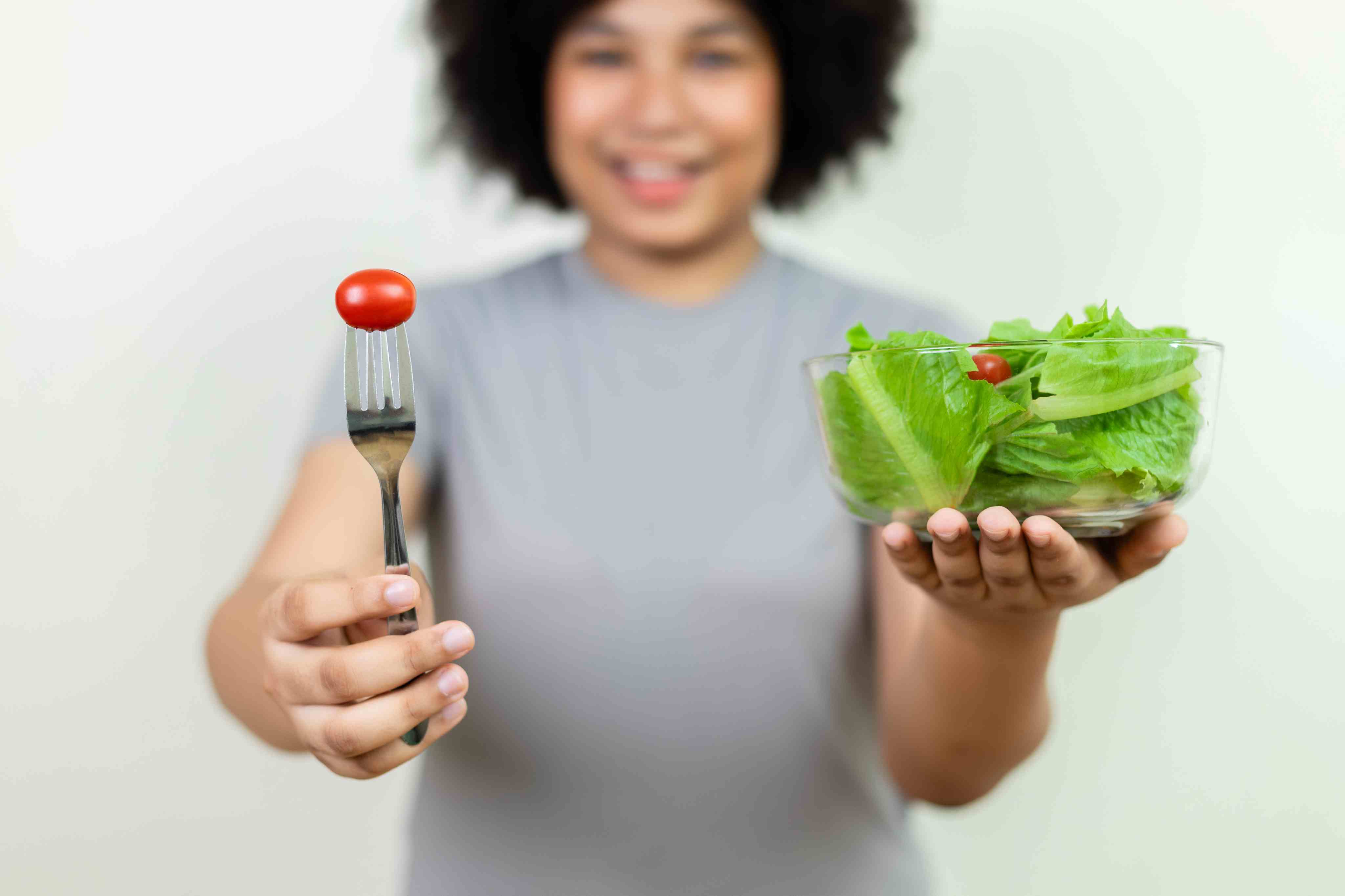
Taco Night — naturally gluten-free if you use corn tortillas and skip the flour ones. Season ground beef or chicken with cumin, chili powder, garlic, and a little smoked paprika. Set out toppings bar-style and let kids build their own. No one feels like they're missing anything because they're eating tacos.
Sheet Pan Chicken Thighs with Roasted Vegetables — toss bone-in thighs with olive oil, garlic, lemon, and whatever vegetables your kids will tolerate (carrots and broccoli tend to roast into something sweeter than their raw versions). Line the pan with parchment for easy cleanup, 400°F for 40 minutes, done. Serve with rice.
Gluten-Free Pasta with Meat Sauce — invest in a good pasta brand (Barilla or Jovial for everyday, Banza when you want extra protein) and make a bolognese or simple tomato meat sauce from scratch. The sauce is naturally gluten-free; the pasta swap is the only change. Most kids cannot tell when there's good sauce involved.
Slow Cooker White Chicken Chili — chicken thighs, white beans, green chiles, chicken broth, cumin, and cream cheese stirred in at the end. Set it up at noon, shred the chicken by dinner. Serve with corn chips and shredded cheese. This one has become a weekly rotation in our house specifically because it requires almost no active cooking time on a busy weeknight.
Stir-Fry with Tamari — any protein, any vegetables, tamari instead of soy sauce, served over rice. Ready in under 20 minutes once you have everything cut. This is the meal I make when I forgot to plan dinner and it still tastes intentional.
Gluten-Free Meal Prep Ideas to Survive the Week
Meal prep changes everything when you're cooking wheat-free for a family. The goal isn't to make complete meals in advance — it's to reduce the number of decisions and steps on weeknights.
Cook a big batch of grains on Sunday. A pot of quinoa and a pot of white rice means you have a base for four or five meals. Store them separately in the fridge and reheat with a splash of water or broth.
Prep your proteins. Roast a whole chicken or cook several pounds of chicken thighs. Shred the meat and store it — it goes into tacos, soups, rice bowls, and salads throughout the week. Ground beef browned with onions and garlic can become pasta sauce, taco filling, or stuffed peppers depending on what you're feeling.
Make sauces in advance. A jar of homemade tomato sauce, a batch of stir-fry sauce (tamari, sesame oil, honey, garlic, ginger), or a simple vinaigrette can anchor multiple meals without the weeknight rush of building from scratch.
Keep grab-and-go snacks visible. Chopped carrots, bell pepper strips, and cucumber at eye level in the fridge means kids reach for those before asking for packaged snacks. Pair with hummus (check the label — most store-bought hummus is naturally gluten-free) for something that actually holds them over.
Gluten-Free Meals That Travel Well for School Lunches
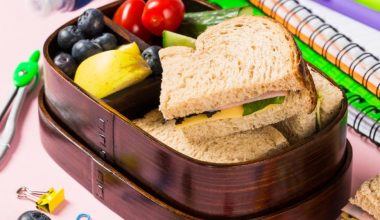
The lunchbox is where gluten-free gets tricky because sandwiches are everyone's default. Gluten-free bread has improved, but it's often denser and dries out faster than regular bread. Here's what works better for most kids.
Rice-based grain bowls with leftover proteins from the night before. Mason jar salads layered with quinoa, cherry tomatoes, cucumber, and grilled chicken. Corn tortilla roll-ups with turkey and cream cheese. Snack-style lunches — a mix of approved crackers (Mary's Gone Crackers and Simple Mills both hold up well), sliced cheese, deli meat, fresh fruit, and veggies — that feel fun rather than restrictive.
A thermal container of leftover white chicken chili or pasta with meat sauce travels well and stays warm until lunch. This is honestly the easiest school lunch strategy if you've already made a batch dinner.
Do's and Don'ts of Gluten-Free Cooking for Families
| Do | Don't |
|---|---|
| Stock a few reliable gluten-free pasta brands and test which your family prefers | Assume all rice cakes or "healthy" snacks are automatically gluten-free |
| Use corn tortillas for taco nights — they taste great and are naturally wheat-free | Use regular soy sauce in stir-fries without checking the label |
| Keep tamari or coconut aminos as your default savory sauce swap | Cook gluten-free pasta in the same water you just boiled regular pasta |
| Read ingredient labels, not just "wheat-free" claims (rye and barley count too) | Try to replicate every single wheat-based recipe immediately — start with naturally GF meals |
| Batch-cook grains and proteins on weekends to simplify weeknights | Overcook gluten-free pasta — it goes mushy faster than wheat pasta, taste test early |
| Use cornstarch or arrowroot to thicken soups and gravies | Add breadcrumbs as a topping without checking they're certified gluten-free |
| Let kids help pick which meals to try — buy-in matters | Make separate meals every night if you can find a version the whole family enjoys |
| Keep the pantry stocked with certified GF broth, canned beans, and canned tomatoes | Forget to check vitamins and supplements, which sometimes contain gluten fillers |
| Buy pasta and flour in larger quantities once you find brands your family likes | Serve gluten-free pasta without enough sauce — texture differences are way less noticeable with a saucy dish |
| Build meals around proteins and vegetables that are naturally gluten-free | Assume a restaurant is safe just because they offer a "gluten-free menu" without asking about shared fryers |
FAQs
Is it expensive to cook gluten-free for a whole family?
It can cost more if you're replacing every single product with a specialty gluten-free version, but it doesn't have to. The most budget-friendly approach is building meals around naturally gluten-free whole foods — rice, potatoes, beans, eggs, meat, and vegetables — and only buying specialty items like pasta or flour blends when you actually need them. Barilla's gluten-free pasta is widely available and reasonably priced at most major grocery stores. Once you shift your mindset away from "replacing everything" and toward "cooking foods that happen to be gluten-free," the grocery bill normalizes.
How do I get my kids to eat gluten-free meals without complaining?
The honest answer is: start with their favorites and swap from there. Taco night with corn tortillas instead of flour still feels like taco night. Pasta with a great sauce is still pasta night even with a different noodle. Introduce new things gradually alongside familiar foods rather than presenting an entirely different meal. Kids are much more accepting when they're not surprised — and when they have some control, like choosing toppings or helping in the kitchen.
What are the easiest naturally gluten-free meals for families?
Anything built around rice, potatoes, or corn is your friend. Roasted chicken thighs with vegetables, beef tacos in corn tortillas, rice bowls with stir-fried vegetables and protein, chili, baked salmon with roasted sweet potatoes — these are all naturally gluten-free without any specialty ingredients. They're also meals most families already rotate through, which makes the transition feel less dramatic.
Can I use regular flour in some dishes and gluten-free flour in others if only one person in the family has celiac?
If the diagnosis is celiac disease (rather than a sensitivity), cross-contamination is a real concern, not just the ingredient itself. Using the same measuring cups, the same cutting boards, and cooking in the same kitchen without careful cleaning protocols can transfer enough gluten to cause a reaction or intestinal damage. If someone in your family has confirmed celiac, it's usually easiest to go fully gluten-free in the home rather than managing two parallel kitchens.
What gluten-free pasta brand do kids actually like?
Barilla's corn-and-rice blend consistently gets positive feedback in family taste tests and is the closest to conventional pasta in texture and taste. Jovial brown rice pasta is another strong option with a slightly nuttier flavor. Banza (chickpea pasta) has more protein but a flavor that some picky eaters can detect — it tends to work better with robust sauces. Start with Barilla if you're new to this and branch out from there.
How do I handle school lunches and eating at other kids' houses?
Pack lunches from home rather than relying on cafeteria options, at least until you've mapped out what's safe in that specific school. For playdates and birthday parties, a quick call or text to the other parent ahead of time usually goes a long way. Most parents are happy to accommodate when they know what to look for — and for a birthday party, sending along a cupcake from home that your child can eat with the group makes it a non-issue.
Are oats gluten-free?
Pure oats are technically gluten-free, but most commercial oats are processed in facilities that also handle wheat, leading to contamination. Always buy oats labeled "certified gluten-free" — brands like Bob's Red Mill and GF Harvest test their oats and certify them. Even certified oats can cause reactions in a small percentage of people with celiac, so it's worth introducing them carefully and watching for symptoms.
How do I thicken sauces and soups without flour?
Cornstarch is the easiest one-to-one swap — mix it with a little cold water before adding to hot liquid (this prevents clumping). Arrowroot powder works similarly and is flavorless. For a creamier soup, blending a portion of the soup itself — or adding a can of coconut milk or some cream cheese — creates body without any thickening agent.