
The UK toy subscription market has quietly doubled since 2023, and three names dominate the toddler end of it: Lovevery Play Kits at £80 per box every two months, KiwiCo Panda and Koala Crates at £19.95 per month, and Monti Kids at £75 per quarter. For families who travel often, half-term in Prague or a long weekend at Center Parcs, the right subscription is the one that packs into a cabin bag without a plastic avalanche. Our editors spent the autumn testing current boxes with toddlers aged 14 to 36 months across six households, including two who commute on trains most weekends.
What follows is an honest comparison of what each service actually delivers in Britain, where the pedagogy holds up and where the marketing outruns the box. We cover the toddler sweet spot (12 months to 4 years), with notes on how each system scales up or down. Prices include UK VAT and current shipping; delivery windows are the ones we recorded, not the ones the websites advertise. If you are weighing a subscription against a one-off visit to Jojo Maman Bebe, this piece is for you.
Why Subscription Boxes Make Sense for Travelling Families
Toddler toys are an attention economy. The average British three-year-old owns around 238 toys and plays with eight of them in any given week, according to a 2024 Dimensions survey. Subscriptions solve two problems at once: they rotate novelty on a schedule, and they ship items chosen by child development specialists rather than algorithm. For a family that spends four to six weekends a year away, a well-curated box earns its keep by replacing the airport gift shop grab.
The three brands we focus on sit at different pedagogical anchors. Lovevery leans heavily Montessori with Reggio Emilia touches. KiwiCo is broadly STEM and open-ended craft, less dogmatic. Monti Kids is strictly Association Montessori Internationale aligned, with video coaching from AMI-trained consultants. Price-per-month lands roughly £19.95 (KiwiCo), £25 (Monti Kids on annual) and £40 (Lovevery on bi-monthly).
Lovevery Play Kits: The Montessori-Lite Favourite
Lovevery is the box most Instagram parents post about and the one most British mums recognise by sight. Each kit arrives every two months in a brown corrugated box with sorted compartments, a glossy play guide and five to eight wooden or felt materials. The Realist (14 to 15 months) and Companion (16 to 18 months) kits are the most reviewed; both cost £80 per box, which works out at £40 per month, or £480 per year on the standard plan.
What Lovevery Does Well
The materials themselves are the best in the category. Beech wood, organic cotton, water-based paints and FSC packaging are standard across the line. Play guides are written in plain language with photos of the exact play prompts, which matters for first-time parents who do not want to Google every activity. Resale value on eBay is extraordinary: a used Companion kit sells for £55 to £65 against a £80 retail, so the real cost per cycle is closer to £15 to £25 if you sell on afterwards.
Where Lovevery Falls Short
The pedagogy is Montessori-ish, not Montessori. AMI-trained consultants point out that mixing wooden and plastic puzzles, offering too many materials at once, and the busy pattern on the play mat all contradict classical Montessori principles. If you are after strict AMI alignment, this is not it. UK delivery is from the US via a Dutch distribution hub, which adds four to seven working days versus a domestic KiwiCo shipment. Occasional stock issues delay kits by two to three weeks.
KiwiCo Panda and Koala Crates: Open-Ended Craft
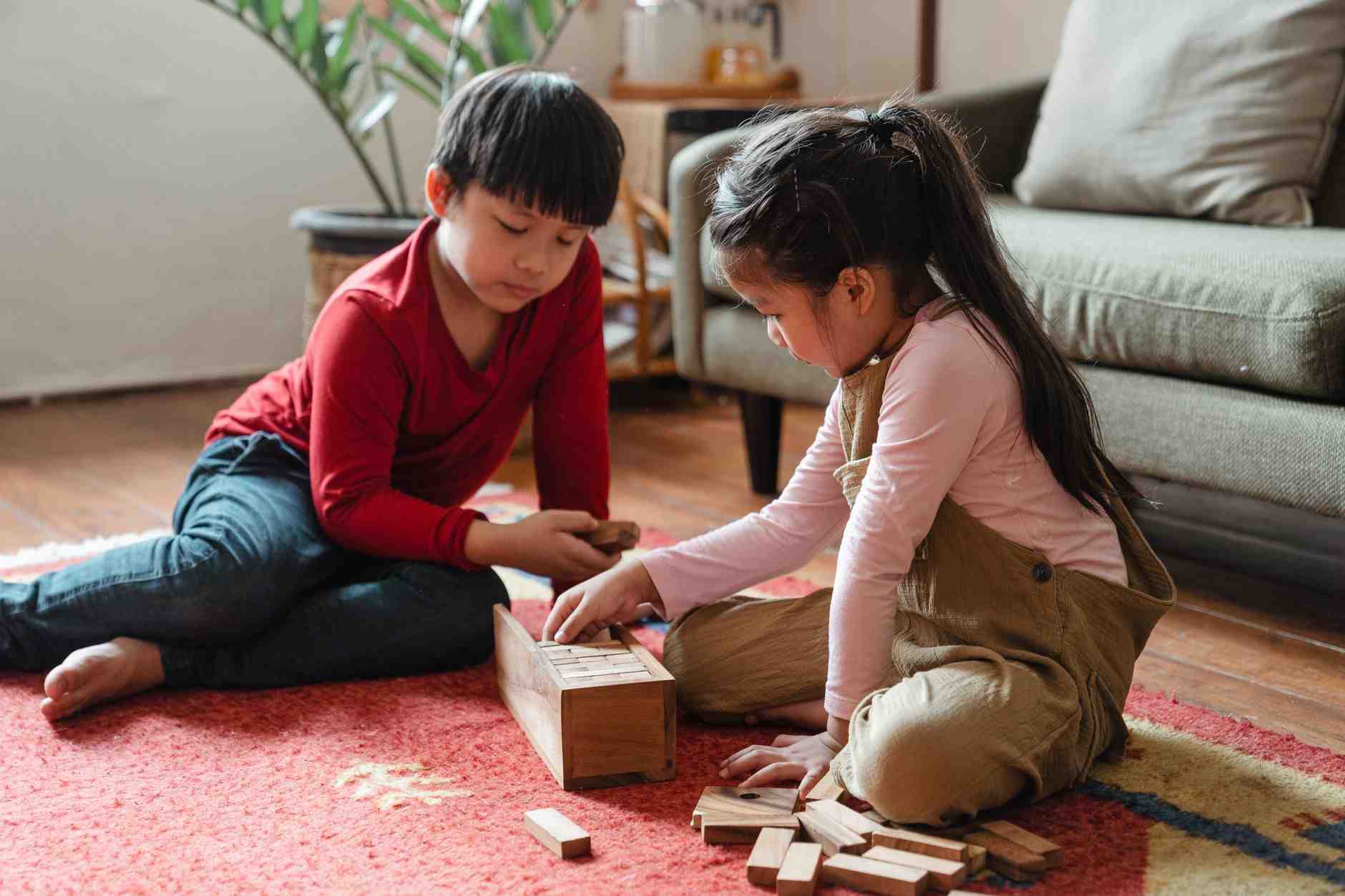
KiwiCo is the American giant that broke into the UK properly in 2023. The toddler line splits into Panda Crates (0 to 24 months, every two months) and Koala Crates (2 to 4 years, monthly), both at £19.95 per crate including shipping. Each box ships from the Netherlands or Belgium and arrives within five to eight working days, with a themed project (ocean, farm, kitchen, nighttime) and two to four activities inside.
What KiwiCo Does Well
Price per box is the headline. At £19.95 for a monthly Koala Crate, this is less than half the cost of Lovevery and most of what arrives genuinely holds up. The craft focus (gluing, assembling, painting) suits toddlers who like process play, and the Imagine magazine aimed at the grown-up is a thoughtful touch. Pause and skip are easy from the account dashboard, no email to customer service required.
Where KiwiCo Falls Short
Materials are a mix of cardstock, plastic and foam, nowhere near the wooden-and-cotton standard Lovevery sets. Resale value is nil; cardstock projects are not reusable. Pedagogical rationale is thinner, more “fun theme” than “developmental window”. The 2 to 4 age range is wide enough that a Koala Crate aimed at 24 months feels too simple for a 42-month-old and vice versa, so you may find yourself skipping two or three boxes a year.
Monti Kids: The AMI-Pure Choice
Monti Kids is the smallest and most expensive option, and the one AMI-trained consultants will recommend if you ask them in private. Boxes ship quarterly (four per year) at £185 to £225 per level, which averages £60 to £75 per quarter or £20 to £25 per month on the annual plan. The pedagogy is strict Association Montessori Internationale, and every subscription includes video coaching from AMI consultants plus a parent app.
What Monti Kids Does Well
Materials are classical Montessori: solid wood, metal insets, graduated cylinders, object permanence boxes, the exact items you would see in a certified AMI nursery. Coaching videos are the real differentiator, two to three per level, taught by named AMI trainers rather than brand-trained staff. Progression is tight: a Level 4 box leads cleanly into Level 5 without the overlap or wasted toys you get elsewhere.
Where Monti Kids Falls Short
Price is high, and the quarterly cadence means long waits between new material. Some British parents find the pedagogy prescriptive: there is a correct way to use each object and the videos make that clear. If you prefer open-ended play, this will feel restrictive. UK shipping from the US adds £15 per box and lands within seven to ten working days, which is slower than KiwiCo.

Comparison Table
| Brand | Best For | Key Feature | Rating | Price (USD) |
|---|---|---|---|---|
| Lovevery Play Kits | Design-conscious parents | Beech wood, bi-monthly | 4.6/5 | $120-140/box |
| KiwiCo Koala Crate | Budget-conscious craft play | Monthly, £19.95 UK | 4.3/5 | $24-29/box |
| KiwiCo Panda Crate | Under-2s open-ended play | Bi-monthly, scalable | 4.2/5 | $29-34/box |
| Monti Kids | AMI-pure Montessori families | Video coaching, wood | 4.7/5 | $200-250/qtr |
| Little Passports | Travel-themed toddler play | Country-of-month | 4.1/5 | $29-39/box |
Regional pricing: Lovevery Play Kits are £80 per bi-monthly box in the UK (£40 per month equivalent), and A$149 in Australia. KiwiCo Koala Crate is £19.95 per month in the UK and A$32.95 in Australia. Monti Kids runs £185 to £225 per quarter in the UK and A$299 to A$349 in Australia. Little Passports is £24.95 in the UK and A$42 in Australia.
Pros and Cons
Lovevery Play Kits
Pros
The materials are genuinely beautiful and durable, with the kind of wooden toys that look right on a nursery shelf. Play guides are the best written in the category and the included tote bags make packing for a weekend away easy. Resale is strong on eBay and Facebook Marketplace, which drops the net cost dramatically.
Cons
Pedagogy is Montessori-flavoured rather than strict, which disappoints AMI parents. UK shipping is slower than domestic alternatives and the £80 bi-monthly cost is a real commitment. Toys are great but sometimes feel designed for a photo shoot more than daily rough play.
KiwiCo Panda and Koala Crates
Pros
Price-per-month is unbeatable at £19.95, and the pause-and-skip controls are the easiest in the category. Craft focus suits toddlers who like process over product, and the monthly cadence keeps novelty high. UK delivery times are the fastest of the three.
Cons
Materials are cardstock and foam, not heirloom quality. Resale is zero and most projects end up in the recycling after a week. Age banding is loose, so expect to skip the odd box when it does not match your toddler’s current fascination.
Monti Kids
Pros
Strict AMI Montessori alignment with real coaching from certified trainers, which is unique in the subscription space. Materials are heirloom quality and progression is tight, no wasted boxes. Parents who want the full pedagogy without a classroom get the most authentic version.
Cons
Price is the highest and quarterly cadence means long gaps between boxes. Prescriptive teaching style will not suit families who prefer looser play. US shipping adds cost and time versus the European-based competitors.
Do’s and Don’ts
| Do's | Don'ts |
|---|---|
| Do rotate materials weekly rather than offer everything at once | Don't dump the whole box out on arrival |
| Do watch the included videos before offering a new material | Don't skip the parent guide to save ten minutes |
| Do store older kits for a sibling or resell on eBay | Don't bin wooden materials when the age window ends |
| Do pack one small item in your cabin bag for travel | Don't attempt to travel with a full Lovevery kit |
| Do photograph your toddler using each material | Don't post photos of the box contents on resale apps |
| Do pause the subscription for a month if boxes are piling up | Don't let unopened boxes stack by the front door |
| Do pair with a weekly library visit for variety | Don't rely on subscriptions as your only toy source |
| Do check age bands against your toddler's current skills | Don't force a material that frustrates them yet |
| Do keep original packaging if resale value matters | Don't lose any single piece (resale drops 40 percent) |
| Do try one month before committing annually | Don't buy a year upfront on the first box |

Frequently Asked Questions
Q: Which subscription suits a family that travels most weekends
KiwiCo for the shortest shipping and the smallest, easiest-to-pack boxes. A single Koala Crate activity fits into a cabin bag and most are self-contained, no extra parts needed. Lovevery kits are too bulky for weekly travel. Monti Kids ships quarterly so travel is less of a factor, but materials are heavier and better suited to a home shelf.
Q: Can I buy single boxes without subscribing
Lovevery sells individual kits at a 10 percent premium through their UK site. KiwiCo offers “shop single crates” at £24.95 per crate rather than £19.95. Monti Kids is subscription-only, no single-box option. For a one-off birthday gift, the Lovevery Looker (0 to 12 weeks) or the KiwiCo “best of” box is the easiest pick.
Q: Are these worth it if we also use nursery toys
Yes, with caveats. A home subscription gives the toddler a space of their own, with materials chosen for a specific developmental window rather than the shared pool at nursery. If your child is in full-time nursery, a bi-monthly Lovevery or quarterly Monti Kids is enough; a monthly KiwiCo may feel like too much on top of nursery play.
Q: What do we do with the toys when the age window ends
Lovevery and Monti Kids resell exceptionally well on eBay, Vinted and Facebook Marketplace. A used Lovevery Realist kit typically fetches £50 to £65 against the £80 retail. KiwiCo projects do not resell. Store original boxes and all pieces to preserve value; a missing block drops the sale by 30 to 40 percent.
Q: Are the pedagogies really different in practice
Yes, more than the marketing suggests. Lovevery mixes materials and uses patterned mats; a strict Montessori parent would call this cluttered. KiwiCo is pure open-ended craft, no particular method. Monti Kids is textbook AMI, with “correct” use of each material. For most families, Lovevery is the comfortable middle; purists go Monti Kids; price-sensitive go KiwiCo.
Q: Which ships fastest to the UK
KiwiCo from a European hub, usually five to eight working days. Lovevery via a Dutch distribution centre, typically seven to ten days with occasional two-week delays. Monti Kids ships from the US, consistently seven to ten days with a £15 shipping surcharge per box.
Q: What is a reasonable monthly budget
Families who prioritise quality over quantity land at £40 per month (one Lovevery kit bi-monthly). Budget-conscious families spend £20 per month (KiwiCo monthly). The AMI-committed spend £25 per month on an annual Monti Kids plan. Spending more than £50 per month on toy subscriptions rarely delivers extra value, as toddlers simply cannot engage with that volume of new material.