Introduction
I used to go until 2 p.m. some days without drinking a single sip of water. Not exaggerating. I'd have two cups of coffee, chase a toddler around the kitchen, forget breakfast entirely, and then wonder why I had a splitting headache by noon that I kept blaming on screen time. It wasn't screen time. It was me running on fumes and zero hydration for half the day. If that sounds familiar, you're not a disaster — you're just a mom, and water keeps getting pushed to the bottom of the list.
Here's the thing: most hydration advice assumes you have a serene desk job, a full water bottle within arm's reach, and the mental bandwidth to track your intake. None of those things exist in mom life. What actually works is building hydration into the chaos you already have — not adding a whole new wellness ritual on top of it. These hydration tips for women are specifically designed for people who genuinely don't love drinking water and can barely remember to eat lunch.
Why Moms Are Almost Always Dehydrated
Dehydration symptoms in moms are sneaky. They don't look like dramatic fainting scenes. They look like the 3 p.m. exhaustion that no nap could fix. They look like brain fog so thick you read the same text three times. Headaches. Dry lips. Constipation. Snapping at your kid over something stupid and feeling immediately guilty about it.
Women need roughly 2.7 liters of fluids per day — about 91 ounces — and that number goes up if you're breastfeeding. Nursing moms need closer to 125 ounces (16 cups) daily, because breast milk is 88% water and your body is losing 700–800mL just through milk production every single day. If you're not replacing that, your body starts rationing. Milk supply dips. Your mood tanks. Your joints ache. And your urine turns that dark amber color that means your body is basically rationing water like it's the apocalypse.
The tricky part is that thirst is an unreliable signal, especially when you're sleep-deprived. By the time you feel thirsty, you're already running low. So "drink when you're thirsty" advice? Largely useless for chronically under-slept moms.
The Problem With Plain Water (And How to Get Around It)
Let's be honest: plain water is boring. Not broken, just boring. And if you genuinely don't enjoy drinking it, telling yourself to chug 91 ounces of flavorless liquid every day is not a sustainable plan. It's a plan you'll abandon by Tuesday.
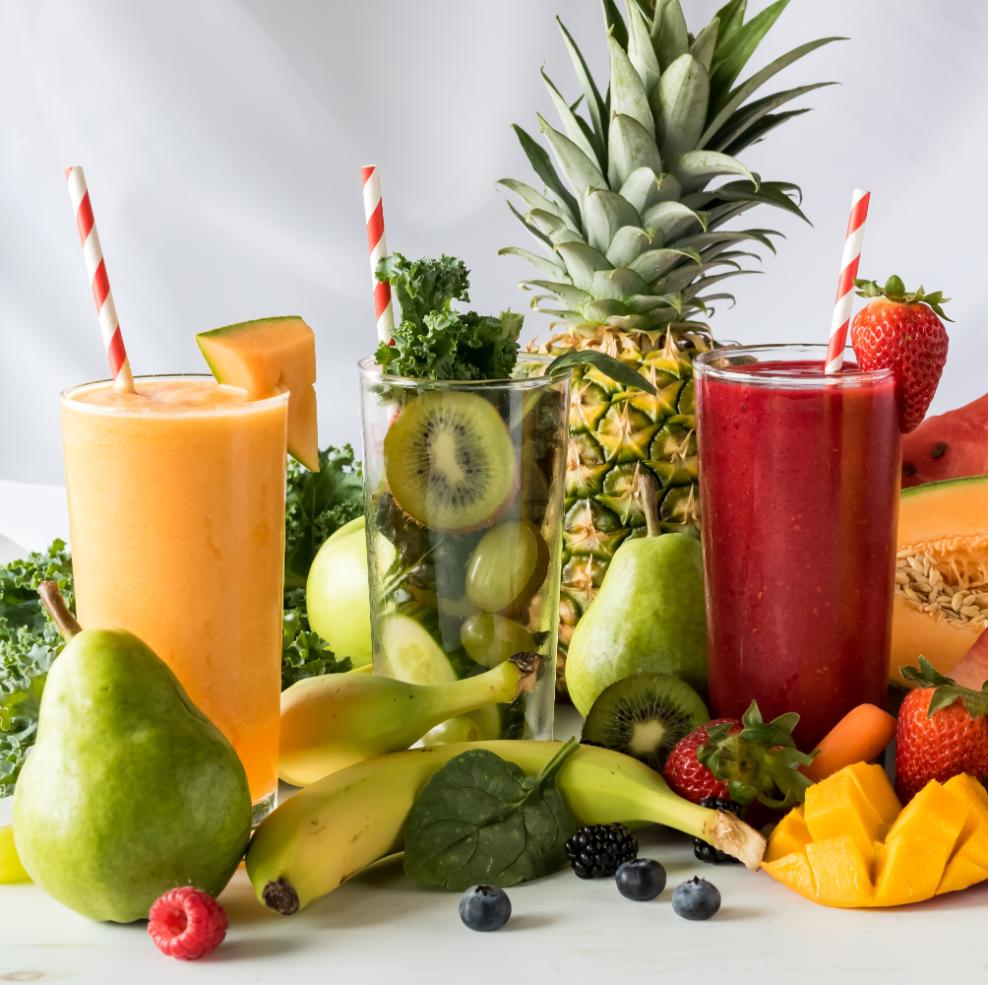
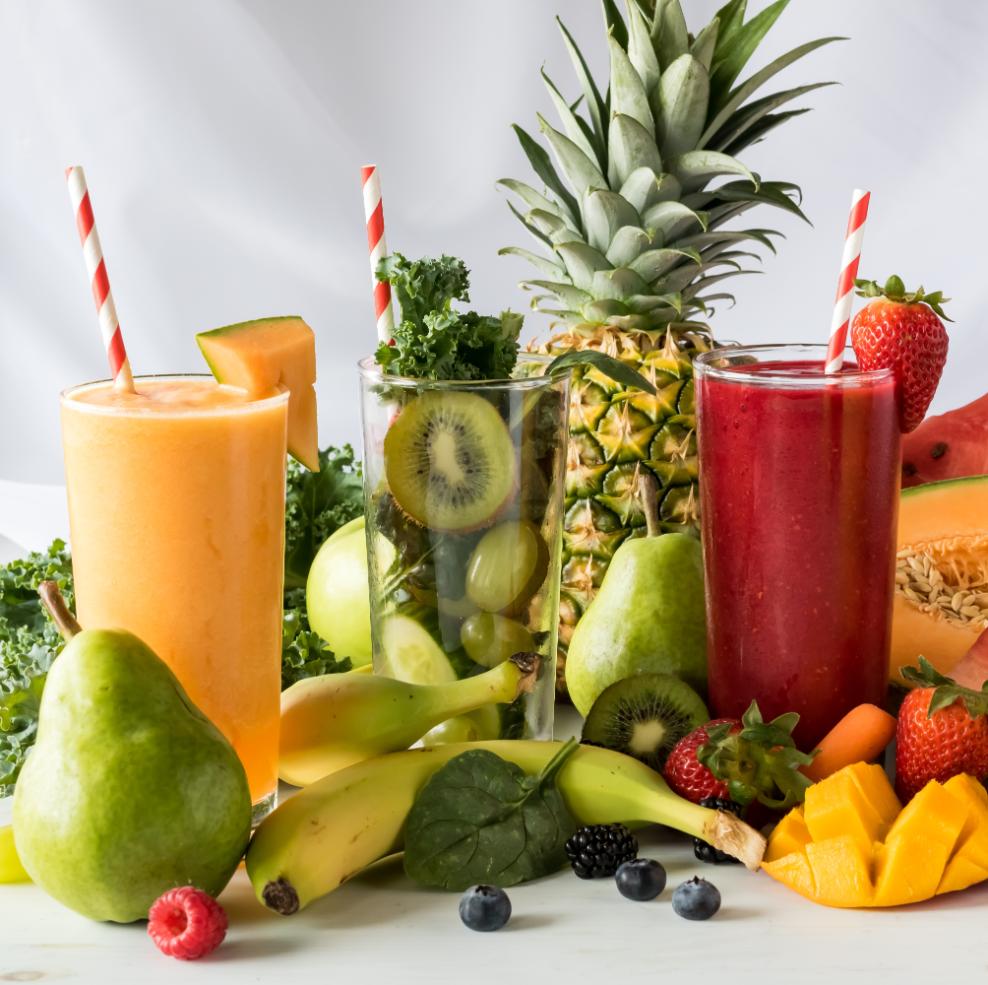
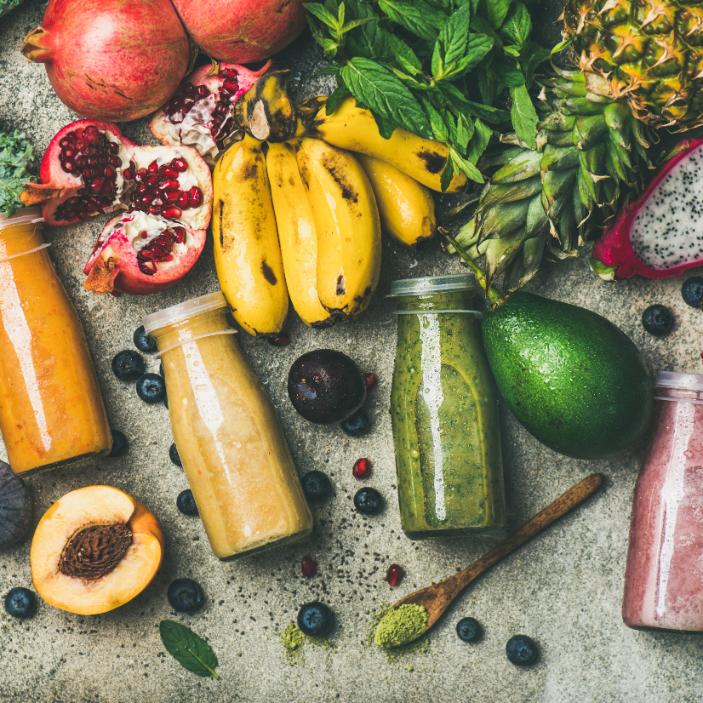
The fix isn't willpower — it's flavor. Adding cucumber slices, fresh mint, a few strawberries, or a squeeze of lemon to a pitcher takes two minutes and makes water something you actually want to reach for. There's no rule that says hydration has to taste like nothing. You can also count herbal teas (caffeine-free), broth, coconut water, and foods like cucumbers and watermelon toward your daily fluid intake. A bowl of soup counts. A smoothie counts. You're not failing at hydration just because you're not chugging plain water.
What doesn't count, or at least not the way you'd hope: coffee and alcohol. Coffee has a mild diuretic effect, and while it does contribute slightly to your fluid intake, it also nudges your body to flush more. One cup of coffee doesn't dehydrate you, but using it as your primary hydration source — which I absolutely was doing — absolutely will.
Smart Hydration Hacks for Busy Moms
The biggest hydration hack is attaching water to things you already do. Your morning coffee? Drink a full glass of water before it. Every single time. No exceptions, no negotiating with yourself. After a few weeks, it's automatic.
Keep a 32 oz water bottle in every room where you spend significant time — the kitchen, your desk, next to the couch. Out of sight truly is out of mind when you're distracted. Visible water = remembered water. I bought three Stanley Quencher tumblers (about $45 each, annoyingly) after fighting the habit for months, and having one on my nightstand changed everything. Sounds ridiculous but it worked.
Set an alarm on your phone labeled "DRINK WATER, EMILY" for 10 a.m. and 2 p.m. if you're mid-morning and mid-afternoon are your drought zones. It's embarrassing how much a phone alarm fixed something that felt like a character flaw. Pair it with a habit you can't skip — feeding the baby, a school pickup — and the pairing sticks fast.
Eating your water is also real. Cucumbers are 96% water. Watermelon is 92%. Celery, strawberries, lettuce — these all count. On days when drinking feels impossible, front-loading your meals with high-water produce buys you some buffer.
Electrolytes: Why Water Alone Isn't Always Enough
This one trips a lot of people up. You can drink plenty of water and still feel like trash if your electrolytes are off. Sodium, potassium, and magnesium are what help your cells actually absorb and hold onto the water you're drinking. Without them, water passes through faster than it should, and you're basically just very well-hydrated on your way to the bathroom.
For breastfeeding moms especially, electrolytes matter a lot. You're losing electrolytes through breast milk with every single feed, and that imbalance shows up as fatigue, muscle cramps, and headaches — which, again, get misread as something else entirely.
The good news is you don't need to spend a fortune on fancy products. A small pinch of pink Himalayan salt or Celtic sea salt in your water bottle is genuinely effective at helping your body hold hydration. Coconut water is another easy natural source, high in potassium and easy to find at most grocery stores for around $3–4 a carton.
If you want something more targeted, LMNT ($45 for 30 packets) is a popular zero-sugar electrolyte powder that's high in sodium — which is what most women are actually deficient in, not just potassium. Liquid IV ($50 for 32 packets) is the more mainstream option with a slightly sweeter taste and added sugar that helps transport sodium into cells faster. Both cost about $1.30–$1.50 per packet. Honestly, either works. The one you'll actually use is the right answer.

Hydration and Weight Loss: What's Actually True
Water intake for weight loss gets oversimplified all the time, so here's the real version. Drinking water doesn't burn fat. It doesn't magically melt anything. But it does suppress appetite, because your brain routinely confuses thirst signals with hunger signals. How many times have you grabbed a snack when what your body actually needed was a glass of water? More than you'd probably want to admit (same).
Drinking 16 ounces of water before meals has been shown in studies to reduce calorie intake. Not dramatically, but consistently. Over time, consistently adds up. Proper hydration also supports your metabolism functioning normally, keeps your muscles working efficiently during exercise, and reduces bloating. Looking and feeling less puffy isn't fat loss, but it's not nothing either.
If weight loss is a goal alongside all the mom chaos, starting with hydration is genuinely one of the lowest-effort, highest-return levers you can pull. It doesn't require a gym membership or a meal prep Sunday. Just water. Earlier and more often than you currently manage.
Do's and Don'ts for Staying Hydrated as a Mom
| Do | Don't |
|---|---|
| Drink a full glass of water before your morning coffee | Use coffee as your primary hydration source |
| Keep a visible water bottle in every room | Leave your water bottle in the car or out of sight |
| Add fruit, cucumber, or herbs to make water enjoyable | Force yourself to drink plain water if you hate it |
| Eat water-rich foods like watermelon, cucumber, and broth | Rely on thirst alone as a signal to drink |
| Set phone reminders at your two driest points of the day | Wait until you have a headache to start hydrating |
| Use electrolyte packets or a pinch of sea salt on hot days | Assume plain water covers all your hydration needs |
| Front-load hydration in the morning before the chaos starts | Try to catch up on water at 9 p.m. |
| Track urine color — pale yellow is the goal | Ignore dark yellow urine as a warning sign |
| Drink 16 oz before meals to manage appetite | Skip water during meals thinking it disrupts digestion |
| Pair hydration with existing habits like feeding or school runs | Make hydration a separate, standalone habit with no anchor |
FAQs About Hydration for Moms
How much water should a mom drink per day?
Most adult women need about 91 ounces (roughly 11 cups) of total fluid daily, but that includes fluid from food — so you're not starting from zero. If you're breastfeeding, bump that up to around 125 ounces, or 16 cups. Active moms, or those living somewhere hot and humid, need even more. A good daily baseline is to aim for at least 64–80 ounces of actual liquid, and let food and other drinks make up the rest.
.jpg)
What are the signs of dehydration in moms I should actually watch for?
The obvious one is dark yellow or amber urine — that's your clearest real-time signal. Beyond that: headaches that come out of nowhere, afternoon brain fog that coffee doesn't touch, muscle cramps (especially in your calves or feet), dry mouth, constipation, and mood dips that feel disproportionate to what's actually happening. Breastfeeding moms may also notice a drop in milk supply before they notice any other symptom, which is worth paying attention to.
Do electrolytes actually help with hydration?
Yes, genuinely. Electrolytes — sodium, potassium, magnesium — help your cells absorb and retain water. Without enough of them, water moves through your system faster than it should. If you're drinking plenty of water but still feeling fatigued and headachy, low electrolytes might be the issue. A pinch of sea salt, coconut water, or an electrolyte packet can make a meaningful difference. This is especially true for breastfeeding moms who lose electrolytes through milk production.
Is coffee dehydrating?
It's complicated. Coffee does have a mild diuretic effect, meaning it can increase urine output slightly. But moderate coffee consumption — one to three cups a day — doesn't cause net dehydration for most people. The problem is using coffee as a substitute for water, which a lot of moms do. Think of coffee as neutral-ish, not as a hydration strategy.
Can drinking more water help with weight loss?
Indirectly, yes. Drinking water before meals consistently reduces how much you eat, because thirst and hunger signals overlap in your brain. Staying hydrated also keeps your metabolism working normally and reduces the kind of bloating that makes you feel heavier than you are. It's not a miracle — but it's one of the few low-effort habits that has real, research-backed support for helping with weight management over time.
What's the fastest way to rehydrate when you're really depleted?
Skip the plain water and go straight to an electrolyte drink. Plain water without electrolytes rehydrates slowly because your cells can't hold onto it efficiently. LMNT, Liquid IV, or even a homemade version — 16 oz water, a pinch of sea salt, a squeeze of lemon, and a teaspoon of honey — will get you rehydrated faster. Also eat something that has sodium in it. Salt isn't the enemy when you're dehydrated; it's the solution.
My toddler drinks more water than I do. What's wrong with me?
Absolutely nothing is wrong with you, and also same. Toddlers are offered water constantly because we track their intake. Nobody is doing that for us. The fix is building the same kind of automatic access into your own routine — visible water bottle, pre-portioned pitcher in the fridge, small glass on the bathroom counter. Make it as easy for yourself as you make it for them.
What's a realistic hydration goal for someone starting from basically nothing?
Don't try to hit 91 ounces on day one. Start with two things: a full glass of water immediately when you wake up, and one more glass before each meal. That's four guaranteed glasses before you even try. Once that's consistent — usually takes a week or two — add a mid-morning and mid-afternoon glass. Build up slowly. Dramatic overhauls never stick. Boring, small habits that you actually do every day are the whole game.